

In today’s fast-paced world, chronic stress has become a quiet epidemic, impacting physical health, sleep quality, and emotional resilience. While external stressors are often out of our control, how our mind and nervous system react to them is something we can reshape. Understanding how mindfulness reduces stress naturally allows you to break free from reactive anxiety and cultivate long-lasting inner calm.
In this guide, we will explore the science behind mindful awareness and outline five actionable, daily practices you can start using today.
Key Takeaways
- Cortisol Reduction: Mindful focus lowers the body’s primary stress hormone, dampening fight-or-flight responses.
- Brain Structure Changes: Regular practice shrinks the amygdala (the brain’s fear center) and strengthens the prefrontal cortex.
- Present-Moment Focus: Shifting attention away from future anxieties halts overthinking cycles immediately.
- Accessible Techniques: Simple breath awareness and sensory check-ins take as little as 3 to 5 minutes per day.
- Physical Health Gains: Reduced stress lowers blood pressure, improves digestion, and supports deeper sleep.
The Science: How Mindfulness Reduces Stress Naturally
Mindfulness is the practice of purposely bringing your attention to the present moment without judgment. When you experience stress, your brain’s amygdala triggers a cascade of stress hormones like cortisol and adrenaline.
Research shows that consistent mindfulness practice weakens the neurological pathways associated with chronic stress and anxiety. By redirecting your focus to the “here and now,” you signal to your parasympathetic nervous system (the “rest and digest” system) that you are safe, allowing your body to relax.
1. The 5-Minute Morning Breath Awareness
Instead of reaching for your phone the moment you wake up, spend five minutes tuning into your breath.
- Sit comfortably on the edge of your bed or a chair.
- Close your eyes and take deep, slow breaths through your nose.
- Notice the physical sensation of your chest and abdomen rising and falling.
- When your mind wanders toward your daily to-do list, gently guide your focus back to your breath.
Starting your day with this micro-practice sets a calm baseline for your nervous system.
2. Mindful Eating for Stress Relief
Rushing through meals while staring at a screen keeps your body in a subtle state of stress, leading to poor digestion and overeating.
Practicing mindful eating is a simple way to experience how mindfulness reduces stress naturally during routine activities:
- Turn off screens and sit down without distractions.
- Take a moment to appreciate the colors and aromas of your food.
- Chew slowly, paying attention to textures and flavors.
This simple shift improves nutrient absorption while giving your brain a mental break from work demands.
[Internal Link: Read our guide on Top 5 Herbal Teas for Digestion and Bloating Relief]
3. The “5-4-3-2-1” Grounding Technique
When acute stress or panic hits, your mind gets trapped in future-oriented anxiety. The 5-4-3-2-1 sensory technique brings your focus instantly back to reality:
- 5 things you can see around you.
- 4 things you can physically feel (e.g., feet on the floor, soft shirt fabric).
- 3 things you can hear in your environment.
- 2 things you can smell (or subtle scents in the air).
- 1 thing you can taste.
4. Mindful Walking in Nature
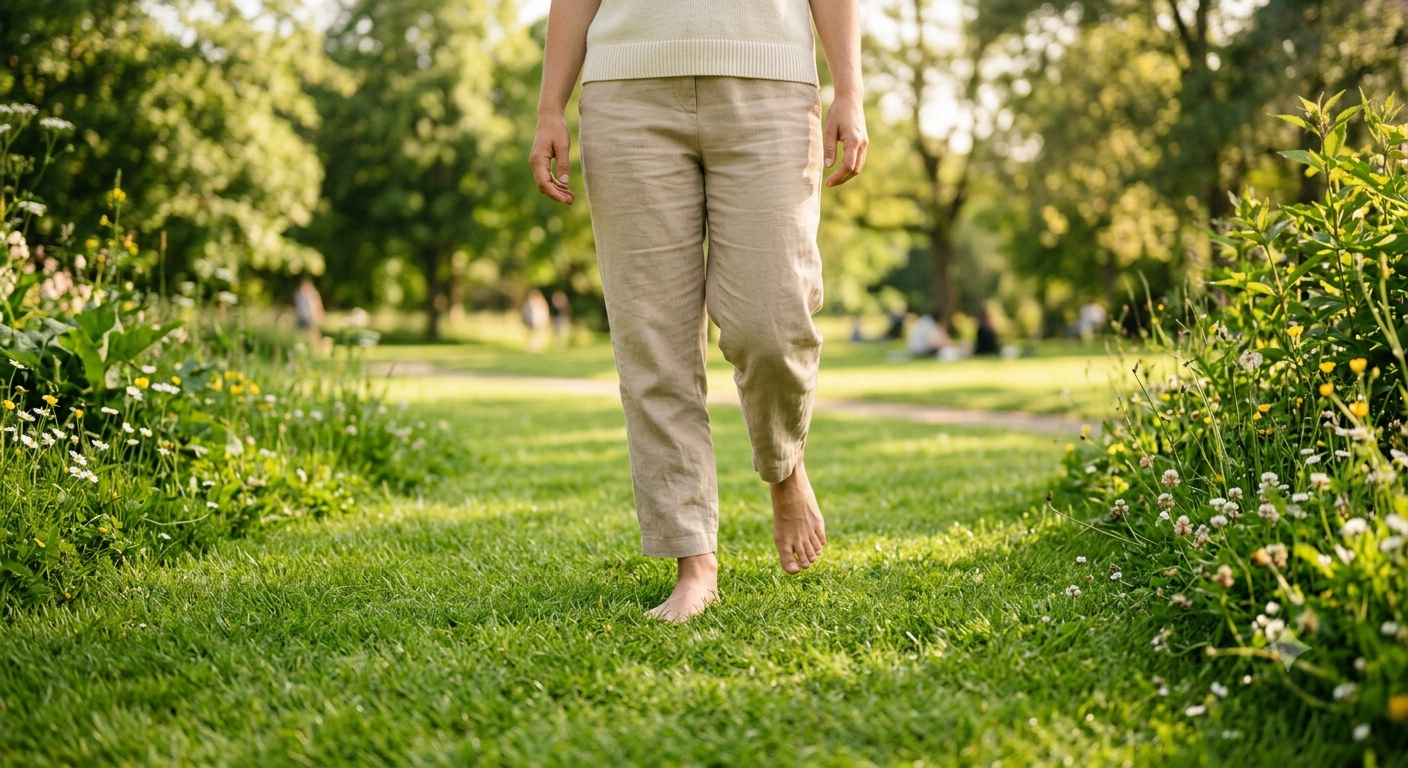
Physical movement combined with nature exposure acts as a natural buffer against burnout. A 10-minute “mindful walk” doesn’t require hiking remote trails; a neighborhood park or quiet sidewalk works perfectly.
As you walk, leave your headphones in your pocket. Pay attention to the rhythm of your steps, the feel of the breeze on your skin, and the sounds of leaves rustling.
[External Link: Learn more about mindfulness research from Harvard Health]
5. Evening Mindful Body Scan
To prevent nighttime anxiety from keeping you awake, practice a body scan before sleep. Lay flat in bed, close your eyes, and slowly mentally scan your body from your toes to the crown of your head.
Notice where you are holding tension—such as a clenched jaw, tight shoulders, or a stiff lower back—and consciously release that tension with each exhale.
Conclusion
You don’t need hours of silent retreat or complete quiet to experience stress relief. By integrating these simple practices into your day, you will witness firsthand how mindfulness reduces stress naturally, restoring mental clarity, emotional balance, and physical vitality.
Frequently Asked Questions (FAQs)
How does mindfulness reduce stress naturally compared to other methods?
Mindfulness directly alters your physiological stress response by reducing cortisol output and shifting your body into a parasympathetic state, addressing the root emotional and neural causes of stress rather than merely masking symptoms.
How long do I need to practice mindfulness to see stress relief?
Studies show that practicing mindfulness for just 5 to 10 minutes daily can lead to measurable reductions in perceived stress and anxiety within 2 to 3 weeks.
Can beginners practice mindfulness easily without prior experience?
Absolutely! Mindfulness requires no special tools or experience. Simple exercises like deep breathing or sensory grounding techniques can be performed by anyone, anywhere, at any time.