
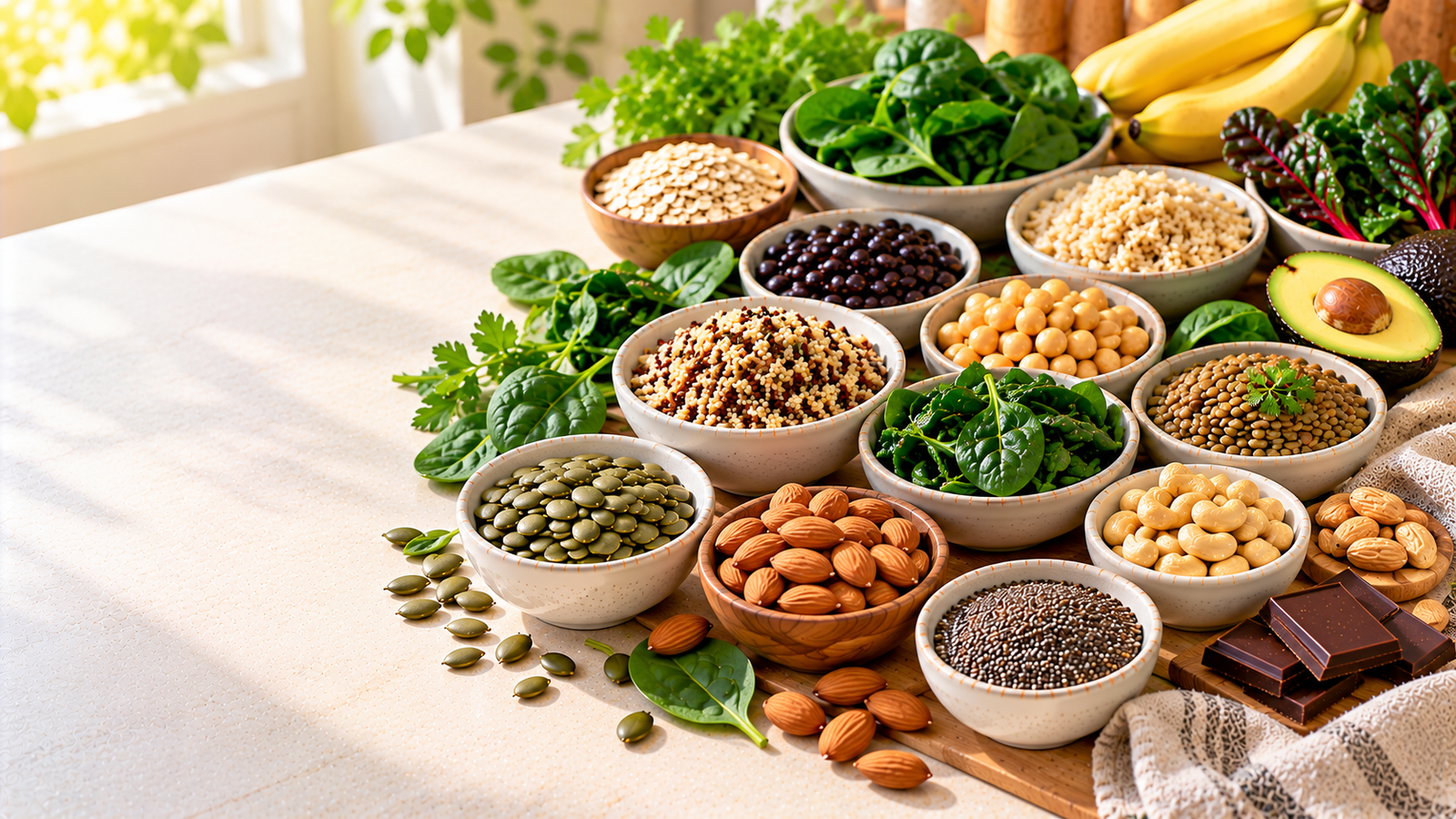
Magnesium is an essential mineral that your body needs for normal muscle and nerve function, energy production, bone health, and hundreds of enzyme-related processes. Getting enough magnesium through your diet helps support these important functions.
Fortunately, the best sources of magnesium include everyday foods that are widely available, such as seeds, nuts, leafy green vegetables, beans, lentils, and whole grains. You do not need an expensive diet or complicated meal plan to include them.
Whether you want to improve your overall diet, find plant-based magnesium sources, or understand which foods provide the most magnesium per serving, choosing a variety of nutrient-rich foods is a practical starting point.
This guide explains the top dietary sources of magnesium, compares approximate amounts, outlines daily intake recommendations, and provides simple ways to add these foods to your meals.
Key Takeaways
- Pumpkin seeds, chia seeds, almonds, and cashews are concentrated sources of magnesium.
- Spinach, black beans, lentils, chickpeas, and quinoa can contribute meaningful amounts.
- Most fruits contain less magnesium per serving than seeds, nuts, and legumes, but avocados and bananas still contribute.
- Daily magnesium needs depend on age, sex, and life stage.
- Eating a varied diet is generally the best starting point for meeting magnesium needs.
- Supplements may be useful in certain circumstances, but excessive supplemental magnesium can cause adverse effects.
What Are the Best Sources of Magnesium?
The best dietary sources of magnesium are foods that provide useful amounts of the mineral and fit easily into your usual eating pattern.
Seeds and nuts are especially concentrated sources. Legumes, leafy greens, and whole grains offer additional ways to increase intake throughout the day.
Best Sources of Magnesium at a Glance
The table below provides approximate magnesium amounts for common serving sizes. Actual values vary by food variety, preparation, and product formulation.
| Food | Typical serving | Approx. magnesium |
|---|---|---|
| Pumpkin seeds | 1 oz (28 g) | 156 mg |
| Chia seeds | 1 oz (28 g) | 111 mg |
| Almonds | 1 oz (28 g) | 80 mg |
| Cashews | 1 oz (28 g) | 74 mg |
| Cooked spinach | ½ cup | 78 mg |
| Dark chocolate, 70–85% cocoa | 1 oz (28 g) | 60–65 mg |
| Cooked black beans | ½ cup | 60 mg |
| Cooked quinoa | 1 cup | 118 mg |
| Peanuts | 1 oz (28 g) | 48–50 mg |
| Cooked edamame | ½ cup | 50 mg |
| Peanut butter | 2 tablespoons | 45–50 mg |
| Cooked brown rice | ½ cup | 40–45 mg |
| Cooked lentils | ½ cup | 35–40 mg |
| Cooked chickpeas | ½ cup | 35–40 mg |
| Banana | 1 medium | 32 mg |
| Avocado | 1 medium | 50–60 mg |
These are rounded estimates for general guidance, not laboratory measurements of your specific food. Values can differ between databases and serving sizes. For precise nutrient information, consult USDA FoodData Central.
1. Pumpkin Seeds
Pumpkin seeds are one of the most concentrated natural sources of magnesium. A one-ounce serving provides approximately 156 mg, making them a convenient choice when you want to increase magnesium intake without eating a large volume of food.
They also provide protein, unsaturated fats, and other minerals.
How to Eat Pumpkin Seeds
- Sprinkle them over oatmeal or yogurt.
- Add them to salads and roasted vegetables.
- Mix them with almonds for a snack.
- Stir them into homemade granola.
- Blend them into seed butter.
Unsalted pumpkin seeds are a practical option if you want to limit sodium.
2. Chia Seeds
Chia seeds supply magnesium, fiber, and plant-based omega-3 fatty acids. Their ability to absorb liquid makes them useful for breakfast foods, puddings, and smoothies.
Easy Ways to Include Chia Seeds
- Mix them into overnight oats.
- Add them to plain yogurt.
- Prepare chia pudding with milk or a suitable plant-based drink.
- Blend them into a fruit smoothie.
- Sprinkle them over whole-grain cereal.
If your diet is low in fiber, increase your intake gradually and drink enough fluids.
3. Almonds
Almonds provide magnesium, vitamin E, fiber, protein, and unsaturated fats. They are easy to carry and can be added to both sweet and savory meals.
How to Enjoy Almonds
- Eat a small handful as a snack.
- Add chopped almonds to oatmeal.
- Sprinkle them over salads.
- Spread almond butter on whole-grain toast.
- Combine almonds with pumpkin seeds.
Because nuts are energy-dense, a modest portion is usually practical.
4. Cashews
Cashews are another useful source of magnesium. They also contain copper and unsaturated fats, and their mild flavor works well in many dishes.
Ways to Eat Cashews
- Add them to vegetable stir-fries.
- Use them in homemade trail mix.
- Blend soaked cashews into a creamy sauce.
- Sprinkle chopped cashews over rice.
- Enjoy a small serving as a snack.
Choose unsalted varieties when possible.
5. Spinach and Other Leafy Greens
Spinach provides magnesium because the mineral is part of chlorophyll, the pigment responsible for the green color of plants. Cooked spinach can supply a substantial amount in a relatively small volume because the leaves shrink during cooking.
Other dark leafy greens, including Swiss chard, can also contribute magnesium.
Practical Ways to Eat Leafy Greens
- Stir spinach into lentil curry.
- Add it to eggs or omelets.
- Include it in soups and stews.
- Serve cooked greens with beans.
- Mix fresh spinach into salads and sandwiches.
Spinach also contains oxalates, which can reduce the absorption of some minerals. It remains a nutritious choice within a varied diet.
6. Quinoa
Quinoa is a versatile seed commonly prepared like a grain. It provides magnesium, plant protein, and fiber, making it useful in vegetarian and mixed diets.
How to Use Quinoa
- Serve it with black beans and vegetables.
- Make a quinoa and chickpea salad.
- Use it as a base for grain bowls.
- Prepare a breakfast bowl with fruit.
- Pair it with tofu or fish.
Quinoa can add variety to meals that usually rely on rice or other grains.
7. Black Beans
Black beans are a useful source of magnesium, plant protein, and fiber. They are also versatile and can be used in affordable everyday meals.
Easy Ways to Eat Black Beans
- Add them to soups and stews.
- Combine them with brown rice.
- Use them in vegetable wraps.
- Prepare a bean salad.
- Make homemade bean patties.
Canned beans can save time. Draining and rinsing them may reduce sodium, depending on the product.
8. Cashews, Peanuts, and Peanut Butter
Peanuts provide magnesium, protein, and unsaturated fats. Peanut butter offers a convenient alternative when you need a quick snack or breakfast ingredient.
Simple Peanut Ideas
- Spread peanut butter on whole-wheat toast.
- Add it to oatmeal.
- Blend it with banana and milk.
- Use it in a sauce for vegetables.
- Combine peanuts with dried fruit.
Choose products with little or no added sugar and salt. Avoid peanuts and peanut products if you have a peanut allergy.
9. Lentils and Chickpeas
Lentils and chickpeas provide magnesium alongside fiber and plant protein. They are practical ingredients for soups, curries, salads, and other meals.
How to Include More Legumes
- Prepare lentil soup.
- Cook lentil curry with vegetables.
- Add chickpeas to salads.
- Blend chickpeas into hummus.
- Serve beans or lentils with brown rice.
These foods are particularly useful when you want to increase magnesium intake while keeping meals affordable.
10. Oats and Whole Grains
Oats, brown rice, and other whole grains can contribute magnesium to your daily diet. Whole grains generally retain more of the grain’s mineral-containing outer layers than refined grains.
Whole Grains to Try
- Oatmeal
- Brown rice
- Quinoa
- Whole-wheat bread
- Whole-grain cereals
Replace some refined grain foods with whole-grain alternatives when practical. This can increase fiber intake as well as provide additional minerals.
11. Avocados and Bananas
Avocados and bananas both provide magnesium, although they are not as concentrated as seeds and nuts.
Avocados also contain fiber, potassium, and unsaturated fats. Bananas are portable and easy to add to breakfast or snacks.
Easy Fruit Ideas
- Add banana slices to oatmeal.
- Pair a banana with peanut butter.
- Add avocado to whole-grain toast.
- Mix avocado into a bean salad.
- Blend banana into a smoothie with oats.
Fruit is a useful part of a varied diet, even when it is not the highest source of a particular mineral.
Best Sources of Magnesium by Food Group
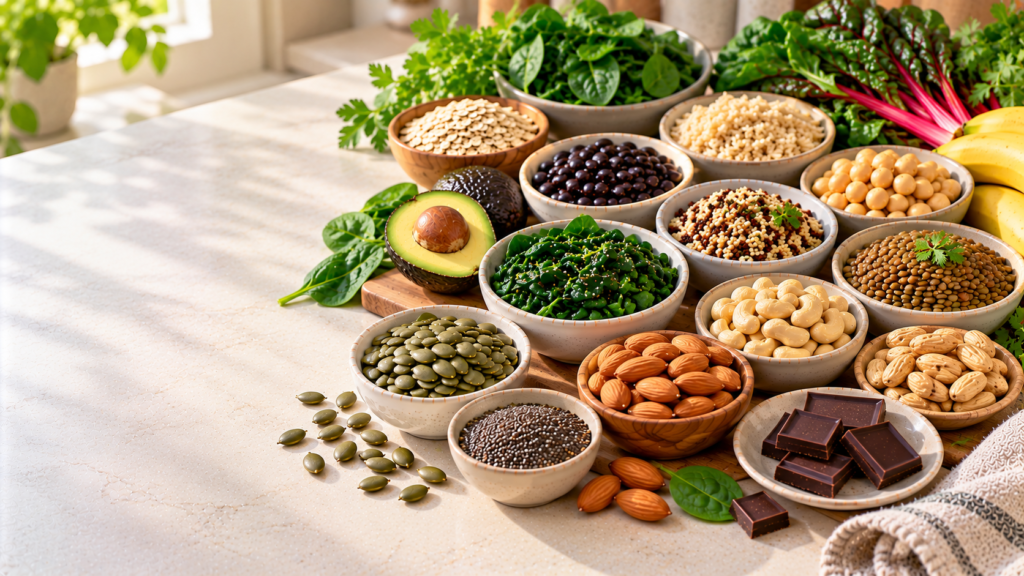
You do not need to eat every magnesium-rich food each day. A more practical strategy is to choose foods from several groups across your usual meals.
Magnesium-Rich Nuts and Seeds
Seeds and nuts can provide substantial magnesium in relatively small servings.
Good options include:
- Pumpkin seeds
- Chia seeds
- Almonds
- Cashews
- Peanuts
Add seeds to breakfast, use nuts as a snack, or sprinkle them over salads and cooked vegetables.
Magnesium-Rich Vegetables
Leafy green vegetables are useful sources of magnesium.
Consider:
- Spinach
- Swiss chard
- Kale
- Other dark leafy greens
Cooking greens can make it easier to eat a larger volume. Rotate different vegetables throughout the week to add variety.
Magnesium-Rich Fruits
Most fruits contain less magnesium per serving than seeds, nuts, and legumes. However, some fruits still contribute useful amounts.
Options include:
- Avocados
- Bananas
- Dried figs
- Papaya
Combine fruit with nuts, seeds, or yogurt to make a more substantial snack.
Magnesium-Rich Legumes
Legumes offer magnesium, fiber, and plant protein.
Examples include:
- Black beans
- Kidney beans
- Lentils
- Chickpeas
- Edamame
Use them in soups, curries, salads, and grain bowls.
Magnesium-Rich Whole Grains
Whole grains are another practical way to increase magnesium intake.
Try:
- Oats
- Quinoa
- Brown rice
- Whole-wheat bread
- Whole-grain cereals
Check ingredient lists to ensure whole grains are genuinely prominent in the products you buy.
Magnesium From Animal Foods
Some animal foods, including fish, milk, and yogurt, contribute magnesium. However, many seeds, nuts, and legumes are more concentrated sources.
A plant-based diet and a mixed diet can both supply magnesium when they are planned to meet nutritional needs.
How Much Magnesium Do You Need Per Day?
Your daily magnesium requirement depends on your age, sex, and life stage. The following values are US recommended dietary allowances for adults published by the National Institutes of Health.
| Group | Recommended daily intake |
|---|---|
| Men aged 19–30 | 400 mg |
| Men aged 31 and older | 420 mg |
| Women aged 19–30 | 310 mg |
| Women aged 31 and older | 320 mg |
| Pregnant adults aged 19–30 | 350 mg |
| Pregnant adults aged 31 and older | 360 mg |
| Breastfeeding adults aged 19–30 | 310 mg |
| Breastfeeding adults aged 31 and older | 320 mg |
These are US reference values. Requirements for children and teenagers differ, and other countries may use different dietary reference standards.
The recommended amount refers to magnesium from your overall diet, not a quantity that must come from supplements.
NIH Office of Dietary Supplements: Magnesium
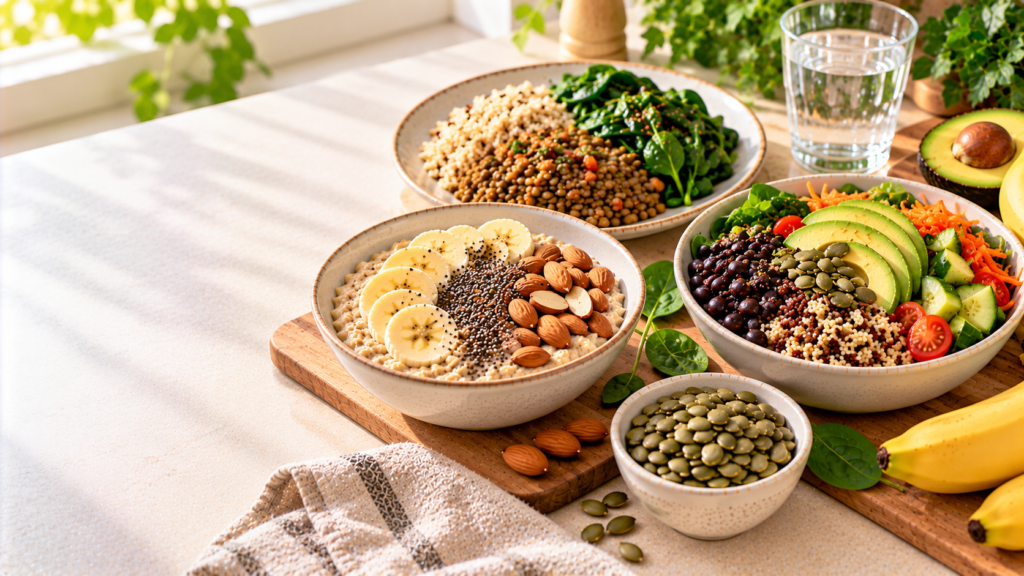
How to Get More Magnesium From Your Diet
You can often improve your magnesium intake with a few small changes rather than a complete diet overhaul.
1. Upgrade Your Breakfast
Choose oatmeal or another whole-grain breakfast and add pumpkin seeds, chia seeds, almonds, or peanut butter.
For example, oatmeal with banana and chia seeds combines several foods that contribute magnesium.
2. Include Beans or Lentils Regularly
Use beans, chickpeas, or lentils in curries, soups, salads, and rice dishes. These ingredients can provide magnesium, fiber, and plant protein.
3. Choose Nuts and Seeds for Snacks
A small serving of unsalted nuts or seeds is a convenient way to add magnesium to your eating pattern.
Pair them with fruit for more variety.
4. Replace Some Refined Grains
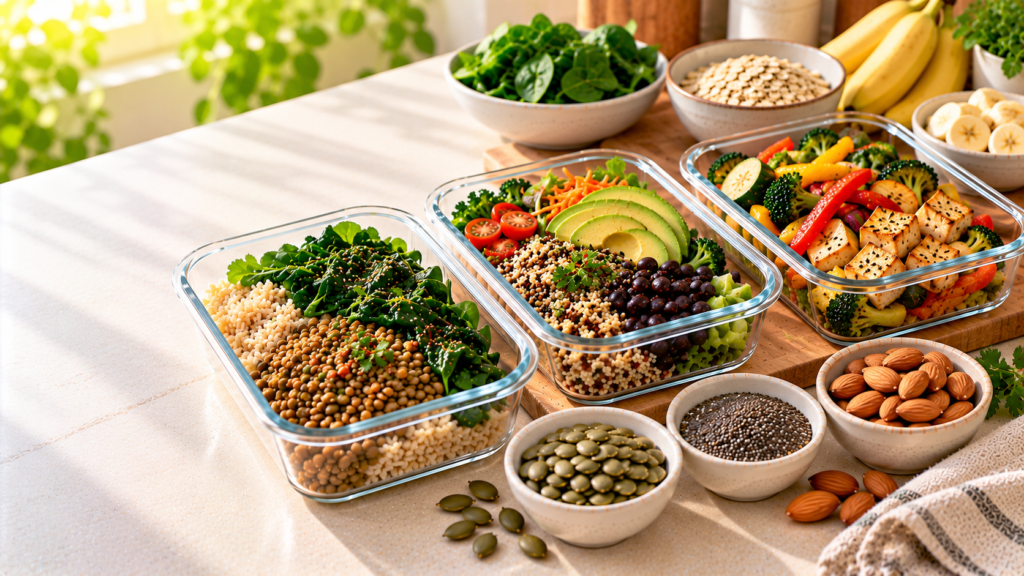
Try brown rice, quinoa, oats, or whole-wheat bread more often. Cooking grains in batches can make weekday meals easier.
5. Add Leafy Greens to Familiar Meals
Stir spinach into eggs, soups, lentil curry, or rice dishes. This is often easier than preparing a separate vegetable dish.
6. Build Balanced Meals
A simple meal pattern could look like this:
| Meal | Example |
|---|---|
| Breakfast | Oatmeal with chia seeds and banana |
| Lunch | Lentils, brown rice, and spinach |
| Snack | Almonds or pumpkin seeds |
| Dinner | Tofu with quinoa and vegetables |
The amount of magnesium you obtain will depend on portion sizes and the ingredients used.
Can You Get Enough Magnesium From Food Alone?
Many people can meet their magnesium needs through a varied diet containing nuts, seeds, legumes, whole grains, and vegetables.
However, some people may have difficulty meeting their needs because of a limited diet, digestive conditions that affect absorption, or medical conditions that cause excessive magnesium loss. Certain medicines can also affect magnesium status.
Food is generally a sensible starting point because magnesium-rich foods provide other nutrients as well. Supplements may be appropriate in particular circumstances, but not everyone needs them.
If you are concerned about your intake, discuss your diet and medical history with a qualified healthcare professional.
What Are the Signs of Magnesium Deficiency?
Early magnesium deficiency may not cause noticeable symptoms. More significant deficiency can be associated with:
- Loss of appetite
- Nausea or vomiting
- Fatigue or weakness
- Muscle cramps
- Numbness or tingling
- Muscle contractions
- Abnormal heart rhythms in severe cases
These symptoms can have many causes and do not confirm magnesium deficiency on their own. A healthcare professional can determine whether an evaluation or testing is appropriate.
Do not attempt to diagnose a deficiency using symptoms or a food chart alone.
Natural Food Sources vs. Magnesium Supplements
Food and supplements can both provide magnesium, but they serve different purposes.
| Feature | Food sources | Supplements |
|---|---|---|
| Other nutrients | Often provide fiber, protein, vitamins, and minerals | Usually provide a specific magnesium compound |
| Main purpose | Help meet everyday dietary needs | May address a specific need or low intake |
| Amount consumed | Depends on food and serving size | Depends on the product and dose |
| Potential concerns | Generally safe for healthy people when eaten normally | Excessive doses can cause diarrhea and other adverse effects |
| Best approach | Eat a varied diet | Use when appropriate, with professional guidance if needed |
In the United States, the adult upper limit of 350 mg per day applies to magnesium from supplements and medications, not magnesium naturally present in food. It is a safety limit for supplemental intake rather than a recommended target; medically supervised treatment may differ.
Excessive supplemental magnesium can cause diarrhea, nausea, and abdominal cramping. People with impaired kidney function may be at greater risk of magnesium accumulation.
Speak with a healthcare professional before taking magnesium supplements if you have kidney disease, use medicines that may interact with magnesium, or are unsure whether supplementation is appropriate.
Common Mistakes to Avoid
Depending on One Food
Pumpkin seeds are rich in magnesium, but no single food provides every nutrient you need. Include a variety of foods across the week.
Treating Nutrition Charts as Exact
Values vary with portion size, preparation, and product formulation. Use food charts as a guide and consult a reliable food database when precise amounts matter.
Ignoring Overall Diet Quality
Magnesium is important, but so is dietary variety. Include vegetables, fruit, whole grains, legumes, protein foods, and appropriate sources of healthy fats.
Taking Supplements Without Checking the Dose
More magnesium is not automatically better. Excessive supplemental intake can cause adverse effects, and some products may interact with medicines.
Expecting Magnesium Foods to Cure Medical Conditions
Magnesium supports normal bodily function, but magnesium-rich foods are not a guaranteed treatment for muscle cramps, insomnia, high blood pressure, or other medical conditions.
Frequently Asked Questions
1. What are the best natural sources of magnesium?
Pumpkin seeds, chia seeds, almonds, cashews, spinach, quinoa, beans, lentils, and other legumes are useful natural sources. Seeds and nuts are particularly concentrated in relatively small servings.
2. Which food has the most magnesium per serving?
Among the foods listed in this guide, pumpkin seeds provide approximately 156 mg per ounce. Exact amounts depend on the product and serving size.
3. What are the best magnesium sources for vegetarians?
Pumpkin seeds, chia seeds, almonds, cashews, beans, lentils, chickpeas, edamame, tofu, quinoa, oats, and leafy greens are useful vegetarian options.
4. Which fruits are good sources of magnesium?
Avocados and bananas contribute magnesium, as can dried figs and some other fruits. However, most fruits provide less magnesium per serving than seeds, nuts, and legumes.
5. How can I increase magnesium naturally?
Add seeds to breakfast, eat beans or lentils regularly, choose whole grains, snack on nuts, and include leafy greens in meals. These simple changes can improve your overall dietary pattern.
6. Are magnesium-rich foods better than supplements?
For many people, food is a good first choice because it provides magnesium alongside other nutrients. Supplements may be useful in particular circumstances, but they are not necessary for everyone.
7. Do magnesium-rich foods help with muscle cramps?
Magnesium is involved in normal muscle function, but cramps have many possible causes. Eating magnesium-rich foods does not guarantee that cramps will improve. Persistent or severe cramps should be evaluated by a healthcare professional.
8. Can I get enough magnesium without eating nuts?
Yes. Other options include pumpkin and chia seeds, spinach, beans, lentils, chickpeas, quinoa, oats, and whole grains. Choose alternatives that fit your dietary needs and allergies.
Conclusion: Choose the Best Sources of Magnesium Every Day
The best sources of magnesium include pumpkin seeds, chia seeds, almonds, cashews, leafy green vegetables, beans, lentils, quinoa, oats, and other whole foods. Including a variety of these options can help you meet your daily needs while supporting an overall balanced diet.
Start with small, manageable changes: add seeds to breakfast, include legumes at lunch, choose whole grains more often, and serve leafy greens with dinner. These habits can make magnesium-rich eating easier to maintain over time.
Remember that the goal is not to rely on one superfood. A varied diet, appropriate portions, and reliable nutrition information are more useful than chasing a single nutrient-rich ingredient.
1 thought on “Best Sources of Magnesium”