
Best Sources of Potassium: 20 Foods to Add to Your Diet
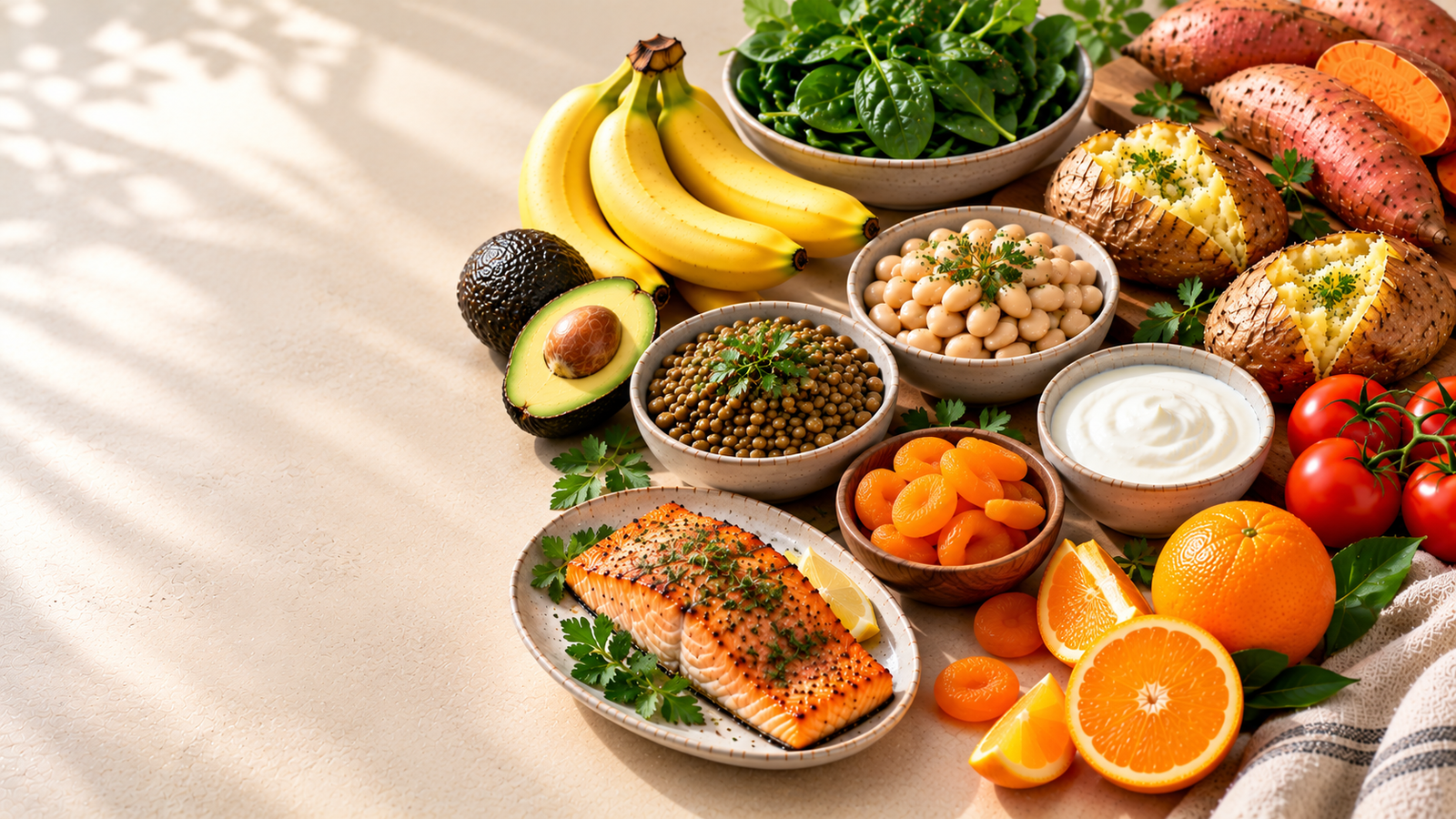
Best sources of potassium include potatoes, white beans, lentils, spinach, bananas, dried apricots, and other nutritious everyday foods. Potassium is an essential mineral that supports normal muscle function, nerve signaling, fluid balance, and heart health.
Although bananas are a popular choice, many other foods provide potassium in larger amounts per serving. This guide explores the best natural sources of potassium, their approximate nutrient content, daily intake recommendations, and easy ways to add potassium-rich foods to your meals.
Foods high in magnesium can help you obtain this essential mineral through everyday meals. Magnesium supports normal muscle and nerve function, energy production, bone health, and many other processes in the body.
You can find magnesium in a wide range of foods, particularly seeds, nuts, legumes, whole grains, and leafy green vegetables. You do not need to depend on supplements to build a magnesium-rich eating pattern, although supplements may be appropriate for some people under professional guidance.
This guide explains the best natural sources of magnesium, approximate amounts per serving, daily intake recommendations, and practical ways to add magnesium-rich foods to breakfast, lunch, dinner, and snacks.
Most Important Points
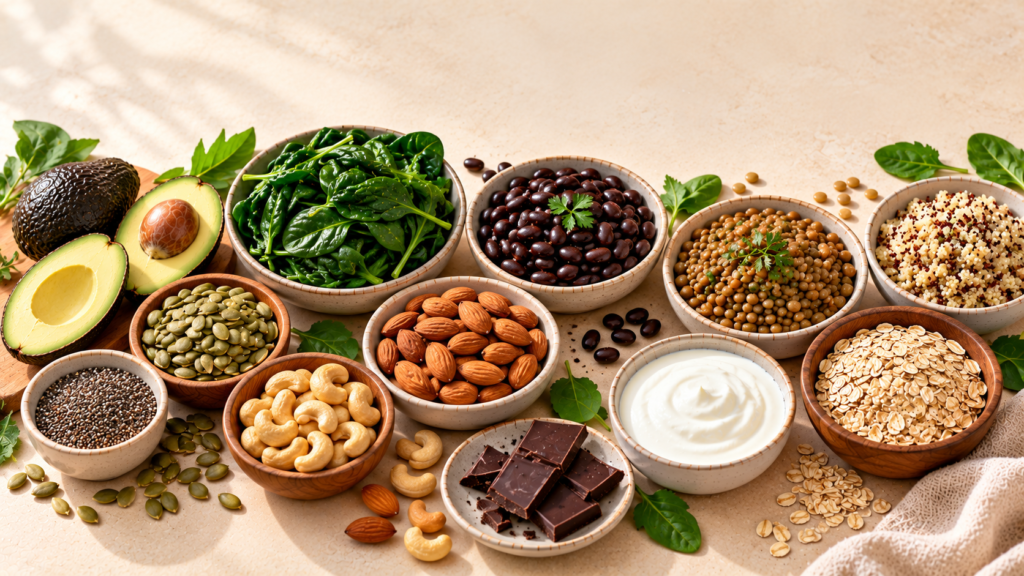
- Pumpkin seeds, chia seeds, almonds, cashews, spinach, beans, and whole grains are useful magnesium sources.
- Seeds and nuts can provide substantial amounts in relatively small portions.
- Legumes and whole grains supply magnesium alongside fiber and other nutrients.
- Magnesium supports normal nerve and muscle function, energy production, and bone health.
- Daily magnesium requirements vary by age, sex, and life stage.
- People with kidney disease or those taking certain medications should seek advice before using magnesium supplements.
What Is Magnesium?
Magnesium is an essential mineral involved in hundreds of enzyme systems in the body. These systems help regulate processes related to energy production, protein synthesis, muscle function, nerve signaling, and bone maintenance.
The body cannot make magnesium, so it must come from food or, when appropriate, supplements.
Magnesium is naturally present in many plant foods. Foods such as seeds, nuts, legumes, whole grains, and leafy green vegetables are especially useful sources.
For additional information, consult the NIH Office of Dietary Supplements magnesium fact sheet.
20 Foods High in Magnesium
1. Pumpkin Seeds
Pumpkin seeds are among the most concentrated natural food sources of magnesium. One ounce of pumpkin seed kernels can provide approximately 150–160 mg.
They also supply protein, healthy fats, zinc, and other minerals.
How to eat them:
- Sprinkle pumpkin seeds over oatmeal.
- Add them to salads.
- Mix them with unsalted nuts.
- Use them as a crunchy topping for soups.
Choose unsalted seeds when you want to limit sodium.
2. Chia Seeds
Chia seeds provide magnesium, fiber, and plant-based omega-3 fatty acids. Two tablespoons contain approximately 90–100 mg of magnesium.
Their ability to absorb liquid makes them useful for thickening foods.
How to eat them:
- Make chia pudding with milk or a suitable plant-based drink.
- Add them to oatmeal.
- Mix a small amount into smoothies.
- Sprinkle them over yogurt.
Allow chia seeds to absorb liquid before eating them in a pudding or similar preparation.
3. Almonds
Almonds are a useful source of magnesium, vitamin E, fiber, and unsaturated fats. One ounce provides approximately 75–80 mg of magnesium.
Eat almonds as a snack, add them to oatmeal, or combine them with fruit. Because nuts are energy-dense, a modest portion is often practical.
4. Cashews
Cashews provide magnesium, copper, and other nutrients. One ounce contains approximately 70–75 mg.
Use cashews in trail mix, homemade sauces, or stir-fries. Unsalted varieties are a useful option when limiting sodium.
5. Spinach
Spinach provides magnesium along with folate, vitamin K, and other micronutrients.
One cup of cooked spinach can provide around 150–160 mg of magnesium, while a larger volume of raw spinach provides a lower amount per cup.
Add spinach to omelets, lentil dishes, soups, salads, or vegetable curries.
6. Black Beans
Black beans supply magnesium, plant protein, fiber, and folate. One cup of cooked black beans provides approximately 120 mg.
Use them in soups, salads, homemade curries, and grain bowls.
If you use canned beans, draining and rinsing them can help reduce sodium.
7. Edamame
Edamame, or young soybeans, provides magnesium and plant protein. One cup of cooked edamame may contain approximately 90–100 mg.
Add edamame to salads, grain bowls, or vegetable dishes. It can also serve as a snack or side dish.
8. Lentils
Lentils are affordable sources of magnesium, fiber, iron, folate, and plant protein. One cup of cooked lentils provides roughly 70 mg.
Include lentils in daal, soups, stews, salads, and vegetable curries.
9. Oats
Oats provide magnesium, complex carbohydrates, and soluble fiber. One cup of cooked oatmeal typically contains around 55–65 mg, depending on the oats and preparation.
Enjoy oats with chia seeds, almonds, or fruit for a more nutrient-dense breakfast.
10. Quinoa
Quinoa is a whole-seed food that provides magnesium, protein, and other minerals. One cup of cooked quinoa supplies approximately 115–120 mg.
Serve quinoa as a side dish, use it in grain bowls, or mix it with beans and vegetables.
11. Brown Rice
Brown rice provides more magnesium than many refined rice products because it retains more of the grain’s outer layers.
One cup of cooked brown rice provides approximately 80–85 mg.
Serve it with lentils, vegetables, beans, or a suitable protein source.
12. Dark Chocolate
Dark chocolate contains magnesium, and higher-cocoa varieties can provide meaningful amounts. A one-ounce portion of dark chocolate may supply approximately 50–65 mg, depending on the product.
Enjoy it in moderation, and check the label for cocoa content, added sugar, and serving size.
13. Avocados
Avocados provide magnesium, fiber, and unsaturated fats. One medium avocado contains approximately 50–60 mg.
Add avocado to salads, whole-grain toast, sandwiches, or homemade dips.
14. Peanut Butter
Peanut butter provides magnesium, protein, and unsaturated fats. Two tablespoons generally contain around 45–55 mg.
Spread it on whole-grain toast or pair it with fruit. Choose varieties with minimal added sugar and salt when possible.
15. Tofu
Tofu contains magnesium and plant protein, although its mineral content varies by brand and the coagulant used in production.
Use tofu in stir-fries, soups, salads, or grain bowls. Check the nutrition label for the product you purchase.
16. Whole-Wheat Bread
Whole-wheat bread can contribute magnesium along with fiber and other nutrients. The amount varies by recipe and slice size.
Choose bread labeled as whole grain and pair it with beans, nut butter, eggs, or other nutritious toppings.
17. Bananas
Bananas provide magnesium in addition to potassium, vitamin B6, and carbohydrates. One medium banana contains approximately 30–35 mg.
Add banana to oatmeal or yogurt, or eat it as a convenient snack.
18. Potatoes
Potatoes contribute magnesium, potassium, and vitamin C. Their magnesium content varies with size and preparation.
Bake or boil potatoes and serve them with beans, vegetables, or a suitable protein source.
19. Plain Yogurt
Plain yogurt provides magnesium alongside protein and calcium. The amount varies by type and serving size, with a typical cup providing a few dozen milligrams.
Combine yogurt with oats, fruit, nuts, or seeds to create a nutritious breakfast or snack.
20. Salmon
Salmon supplies magnesium alongside protein and omega-3 fatty acids. A cooked serving typically provides a few dozen milligrams, depending on the species and portion size.
Serve salmon with quinoa, brown rice, or vegetables to create a balanced meal.
Magnesium Foods Chart: Natural Sources at a Glance
| Food | Serving size | Approximate magnesium |
|---|---|---|
| Pumpkin seed kernels | 1 oz | 150–160 mg |
| Chia seeds | 2 tbsp | 90–100 mg |
| Almonds | 1 oz | 75–80 mg |
| Cashews | 1 oz | 70–75 mg |
| Spinach, cooked | 1 cup | 150–160 mg |
| Black beans, cooked | 1 cup | Around 120 mg |
| Quinoa, cooked | 1 cup | 115–120 mg |
| Edamame, cooked | 1 cup | 90–100 mg |
| Brown rice, cooked | 1 cup | 80–85 mg |
| Lentils, cooked | 1 cup | Around 70 mg |
| Oatmeal, cooked | 1 cup | 55–65 mg |
| Dark chocolate | 1 oz | 50–65 mg |
| Avocado | 1 medium | 50–60 mg |
| Peanut butter | 2 tbsp | 45–55 mg |
| Banana | 1 medium | 30–35 mg |
Values are estimates and may differ by variety, product, and serving size. For more specific values, consult USDA FoodData Central.
How Much Magnesium Do You Need Every Day?
Daily magnesium requirements vary by age and sex. The U.S. National Institutes of Health lists the following recommended dietary allowances for adults.
| Group | Daily magnesium recommendation |
|---|---|
| Adult men, 19–30 years | 400 mg |
| Adult men, 31 years and older | 420 mg |
| Adult women, 19–30 years | 310 mg |
| Adult women, 31 years and older | 320 mg |
| Pregnant adults, 19–30 years | 350 mg |
| Pregnant adults, 31 years and older | 360 mg |
| Breastfeeding adults, 19–30 years | 310 mg |
| Breastfeeding adults, 31 years and older | 320 mg |
These are U.S. reference values. Needs may differ with age, life stage, health status, and local recommendations.
Most people should focus on a varied eating pattern rather than tracking every milligram. Seeds, nuts, legumes, whole grains, and leafy vegetables can all help contribute to daily intake.
For more detail, read the NIH magnesium fact sheet.
Health Benefits of Magnesium
Supports Normal Muscle and Nerve Function
Magnesium is involved in muscle contraction, relaxation, and nerve signaling. It works alongside other electrolytes, including potassium and calcium, to support normal body function.
Helps With Energy Production
The body needs magnesium for numerous enzyme reactions involved in energy metabolism. It also plays a role in protein synthesis and other cellular processes.
Supports Bone Health
Magnesium contributes to normal bone structure and is involved in the regulation of calcium and vitamin D metabolism.
Eating magnesium-containing foods alongside other nutrient-rich foods can support a balanced diet for bone health.
Supports Normal Heart Function
Magnesium contributes to normal electrical activity in the heart and helps regulate muscle function. However, magnesium-rich foods should not be used as a substitute for medical treatment of heart conditions.
Helps Maintain Normal Nutrient Metabolism
Magnesium is involved in many metabolic processes, including those related to carbohydrates, proteins, and fats. A varied diet that includes magnesium-rich foods helps provide this mineral alongside other essential nutrients.
How to Add More Magnesium to Your Daily Diet
You can increase the variety of magnesium-containing foods in your meals without making major changes to your routine.
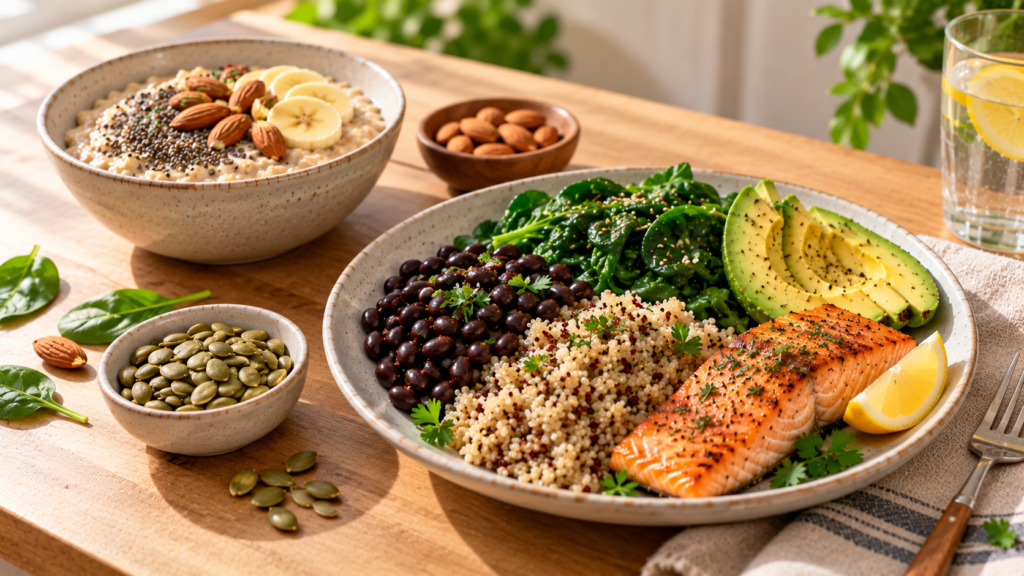
- Breakfast: Add oats, chia seeds, almonds, or peanut butter.
- Lunch: Include lentils, black beans, quinoa, or brown rice.
- Dinner: Serve spinach or other vegetables with beans, tofu, or fish.
- Snacks: Choose a modest portion of nuts or seeds.
- Dessert: Enjoy a small portion of dark chocolate if it suits your dietary needs.
Rotate different foods throughout the week to obtain magnesium alongside fiber, protein, healthy fats, and other minerals.
Natural Magnesium Sources vs. Supplements
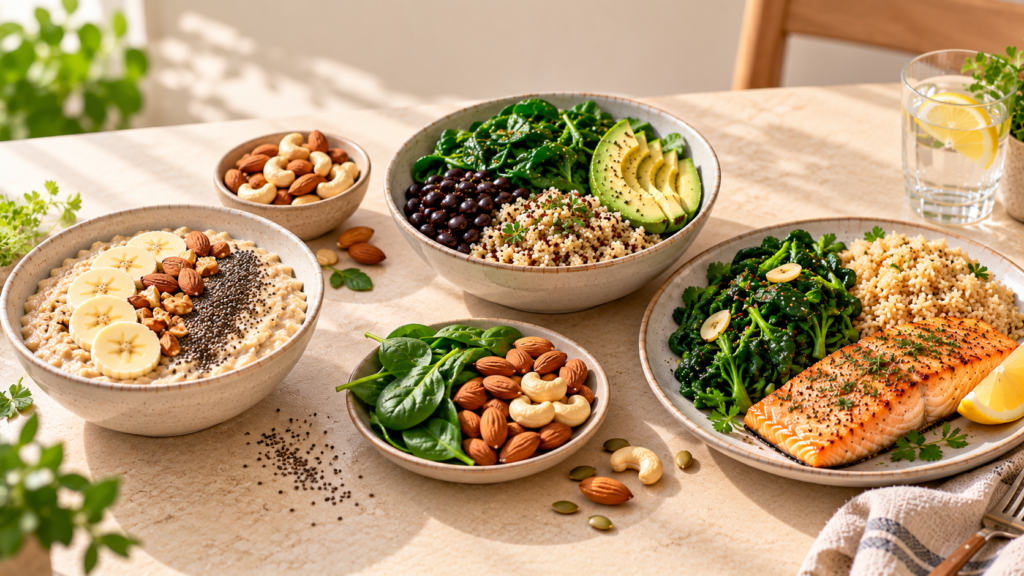
For most healthy people, foods are the preferred starting point for meeting magnesium requirements.
| Food sources | Magnesium supplements |
|---|---|
| Provide magnesium alongside other nutrients | Supply magnesium in a concentrated form |
| Include seeds, nuts, legumes, whole grains, and vegetables | May be recommended for specific medical or nutritional reasons |
| Can support a varied eating pattern | Can cause side effects, including diarrhea, depending on the product and dose |
| Allow intake to be spread across meals | Can interact with some medicines |
| Generally suitable as part of a balanced diet | Require extra caution in people with impaired kidney function |
Magnesium supplements are not automatically necessary simply because you experience tiredness or muscle cramps. These symptoms can have many causes.
If you suspect a deficiency or are considering a supplement, discuss your symptoms, diet, and medicines with a healthcare professional.
Who Should Be Careful With Magnesium Supplements?
Magnesium from food is generally safe for healthy people with normal kidney function. However, supplements and some magnesium-containing medicines can create problems when used inappropriately.
People With Kidney Disease
The kidneys help remove excess magnesium from the body. Reduced kidney function can increase the risk of magnesium accumulating, particularly when supplements or magnesium-containing laxatives and antacids are used.
Ask your healthcare professional before taking these products if you have kidney disease.
People Taking Certain Medicines
Magnesium can interfere with the absorption of some medicines, including certain antibiotics and oral bisphosphonates. The timing of doses may need to be adjusted.
Ask a pharmacist or clinician about possible interactions rather than changing medication schedules on your own.
People Taking High-Dose Supplements
High supplemental magnesium intake can cause diarrhea, nausea, and abdominal cramping. Very high doses can lead to more serious toxicity, particularly when kidney function is impaired.
The adult upper intake level of 350 mg per day applies to magnesium from supplements and medications, not magnesium naturally present in food. This limit is not a target for supplementation.
For more details, consult the NIH magnesium fact sheet.
Frequently Asked Questions
What foods are highest in magnesium?
Pumpkin seeds, chia seeds, almonds, cashews, and cooked spinach are useful sources. Beans, lentils, quinoa, and whole grains can also contribute substantial amounts.
Which fruits contain magnesium?
Avocados and bananas provide magnesium, as do many other fruits in smaller amounts. Seeds, nuts, legumes, and leafy greens are generally more concentrated sources.
Are pumpkin seeds good sources of magnesium?
Yes. One ounce of pumpkin seed kernels provides approximately 150–160 mg of magnesium, making them a convenient addition to oatmeal, salads, and snacks.
NIH Office of Dietary Supplements — Magnesium
Can I get enough magnesium from food?
Many healthy adults can meet their needs through a varied diet containing seeds, nuts, legumes, whole grains, and vegetables. Individual requirements differ, and some people may need professional assessment.
Does cooking reduce magnesium in foods?
Magnesium content can change with preparation. Some magnesium may move into cooking water, so discarding that water can reduce the amount retained in the food. Actual changes depend on the food and cooking method.
Are magnesium supplements better than magnesium-rich foods?
Not necessarily. Food provides magnesium alongside other nutrients. Supplements may be appropriate for specific needs, but they can cause side effects and interact with medicines.
What are the signs of magnesium deficiency?
Possible signs include loss of appetite, nausea, fatigue, weakness, and muscle cramps. Severe deficiency can cause more serious symptoms. These signs are not specific to magnesium deficiency, so medical evaluation may be needed.
Can people with kidney disease eat magnesium-rich foods?
Dietary needs depend on kidney function, blood results, and treatment. People with kidney disease should ask their healthcare team before making major dietary changes or using magnesium supplements.
NIH Office of Dietary Supplements — Calcium
Conclusion
Foods high in magnesium are widely available and can fit naturally into everyday meals. Pumpkin seeds, chia seeds, almonds, cashews, spinach, beans, lentils, oats, and quinoa are practical choices that provide magnesium alongside other valuable nutrients.
The best strategy is to build variety into your diet rather than depending on a single food or taking supplements without a clear reason. Add seeds to breakfast, include legumes at lunch, and serve whole grains and vegetables with dinner.
If you have kidney disease, take medicines that interact with magnesium, or suspect a deficiency, seek personalized medical advice before using supplements.
1 thought on “Best Sources of Potassium”