

Potassium benefits include supporting normal muscle contractions, nerve signaling, fluid balance, and healthy blood pressure. This essential mineral is found in many everyday foods, including potatoes, beans, leafy greens, bananas, yogurt, and avocados.
Your body needs potassium to help cells function properly. It also works closely with sodium to regulate fluid balance and plays an important role in the electrical signals that control your heartbeat and muscle movements.
Although bananas are a well-known source, they are not the only way to get enough potassium. A varied diet containing vegetables, fruits, legumes, dairy products, and other nutritious foods can help you meet your daily needs.
Most Important Points
- Potassium helps regulate fluid balance and supports normal nerve and muscle function.
- Adequate potassium intake can help maintain healthy blood pressure.
- Potatoes, beans, lentils, leafy greens, yogurt, and avocados are useful food sources.
- Most adults should aim to obtain potassium primarily from food unless a healthcare professional recommends otherwise.
- Both low and excessively high blood potassium levels can be dangerous.
- People with kidney disease or those taking certain medications may need individualized potassium guidance.
What Is Potassium?
Potassium is an essential mineral and electrolyte that helps your cells maintain normal function. Electrolytes carry an electrical charge when dissolved in body fluids, allowing them to participate in processes such as nerve communication, muscle contractions, and fluid regulation.
Most of the potassium in your body is located inside your cells. Your kidneys help regulate potassium levels by adjusting how much is retained or removed through urine.
Potassium is especially important for:
- Normal heartbeat and muscle contractions
- Communication between nerves and muscles
- Fluid balance inside and outside cells
- Normal blood pressure regulation
- Supporting several processes involved in carbohydrate metabolism
Your body does not produce potassium, so you need to obtain it through food.
8 Important Potassium Benefits for Your Body
1. Supports Healthy Blood Pressure
One of the most important potassium benefits is its role in blood pressure regulation.
Potassium helps balance the effects of sodium in the body. When potassium intake is adequate, the kidneys can help remove more sodium through urine, which may support healthy blood pressure.
A diet rich in potassium-containing foods, particularly fruits, vegetables, legumes, and other minimally processed foods, can be part of an overall heart-healthy eating pattern.
However, potassium is not a replacement for prescribed blood pressure medication. Its effects depend on your overall diet, health status, kidney function, and other factors.
Practical tip: Include vegetables or legumes at lunch and dinner, and choose whole foods more often than heavily salted packaged meals.
2. Helps Maintain Normal Muscle Function
Your muscles rely on potassium and other electrolytes to contract and relax normally.
Adequate potassium intake helps maintain the electrical gradients across cell membranes that allow muscle cells to respond to nerve signals.
Severe potassium deficiency can cause muscle weakness, cramps, and, in serious cases, dangerous muscle dysfunction. However, ordinary muscle cramps can have many causes, so cramps alone do not prove that you have low potassium.
Practical tip: Regularly eat a variety of potassium-containing foods, such as potatoes, beans, spinach, yogurt, and fruit, rather than relying on a single food.
3. Supports Normal Nerve Signaling
Nerves communicate using electrical impulses. Potassium helps maintain the conditions needed for these impulses to occur properly.
This process supports communication between the brain, spinal cord, nerves, and muscles. It also contributes to many routine body functions that depend on coordinated nerve activity.
Potassium works alongside sodium and other electrolytes, so maintaining a balanced diet matters more than focusing on one mineral in isolation.
4. Helps Regulate Fluid Balance
Potassium plays an important role in regulating fluid distribution inside your body’s cells.
Together with sodium, it helps maintain the balance of fluids across cell membranes. This balance supports normal cell function and helps your body maintain its internal environment.
Fluid balance also depends on kidney function, water intake, hormones, and other electrolytes. Drinking more water or consuming extra potassium is not a universal solution for fluid retention.
5. Supports Normal Heart Rhythm
Your heart depends on carefully controlled electrical signals to beat regularly. Potassium contributes to the electrical activity of heart muscle cells.
When blood potassium levels become too low or too high, the heart’s electrical system may be affected. Significant abnormalities can cause dangerous arrhythmias.
This is one reason why potassium supplements should not be taken in high doses without appropriate medical advice.
Remember: A potassium-rich diet can support general heart health, but it cannot independently diagnose, prevent, or treat every heart condition.
6. Contributes to Kidney Function and Electrolyte Regulation
Healthy kidneys help regulate potassium by controlling how much remains in the body and how much leaves through urine.
Dietary potassium can also support the body’s broader electrolyte balance. However, people with chronic kidney disease may not remove potassium effectively, allowing it to accumulate in the blood.
For this reason, increasing potassium intake is not appropriate for everyone. People with kidney disease or a history of high potassium should follow individualized advice from their healthcare team.
7. Supports Bone Health as Part of a Balanced Diet
Some research suggests that diets rich in potassium-containing fruits and vegetables may help reduce dietary acid load and may be associated with favorable markers of bone health.
However, potassium should not be described as a stand-alone treatment for osteoporosis or as a guaranteed way to increase bone density.
For healthy bones, focus on a broader pattern that includes adequate calcium, vitamin D, protein, regular weight-bearing exercise, and other appropriate lifestyle habits.
calcium-rich foods for bone health
8. Helps the Body Use Carbohydrates Normally
Potassium is involved in normal cellular processes related to carbohydrate metabolism. It also helps support the function of muscles and other tissues that use glucose for energy.
Adequate potassium intake is one part of a healthy diet, but eating more potassium does not automatically improve blood sugar control or treat diabetes.
For metabolic health, combine a balanced diet with regular physical activity, adequate sleep, and medical care when needed.
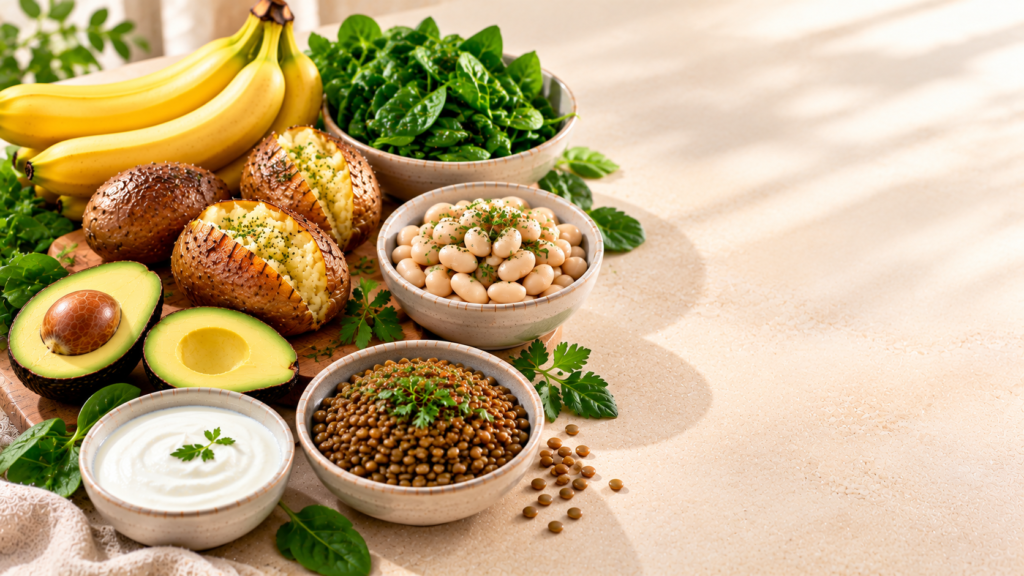
Potassium Benefits at a Glance
The main potassium benefits relate to the way your heart, muscles, nerves, and kidneys work together. Potassium is an electrolyte that helps maintain the electrical gradients across cell membranes, allowing cells to function normally.
| Potassium benefit | Why it matters | Food sources |
|---|---|---|
| Supports heart health | Helps maintain normal electrical activity in the heart | Beans, potatoes, yogurt |
| Supports blood pressure | Helps balance the effects of sodium | Spinach, potatoes, lentils |
| Helps muscles function | Supports normal muscle contraction | Bananas, beans, potatoes |
| Supports nerve signaling | Helps nerves transmit electrical impulses | Avocado, legumes, leafy greens |
| Maintains fluid balance | Helps regulate fluid distribution inside cells | Vegetables, fruits, dairy foods |
| Contributes to bone health | Potassium-rich dietary patterns may support bone health | Fruits, vegetables, legumes |
These benefits depend on your overall diet and health. Potassium is essential, but consuming more than you need does not automatically produce greater health benefits.
Potassium Benefits for Heart Health and Blood Pressure
One of the best-known potassium benefits is its role in supporting healthy blood pressure. Potassium helps the body regulate sodium balance, and adequate intake may help reduce blood pressure, particularly when dietary sodium intake is high.
The Dietary Approaches to Stop Hypertension (DASH) eating pattern emphasizes fruits, vegetables, whole grains, legumes, and low-fat dairy foods. This type of eating pattern can provide potassium alongside other nutrients that support cardiovascular health.
You can make practical changes by:
- Including vegetables with lunch and dinner.
- Eating beans or lentils several times a week.
- Choosing fresh fruit instead of relying on salty packaged snacks.
- Comparing sodium content on food labels.
- Using herbs, spices, and lemon juice to add flavor without relying heavily on salt.
Important: Increasing potassium intake is not a substitute for blood pressure medication. People with kidney disease or those taking medicines that increase potassium should consult a healthcare professional before making substantial dietary changes.
How to Get More Potassium From Everyday Foods
You do not need expensive products to include potassium in your diet. Several everyday foods provide meaningful amounts.
| Food | Serving | Approximate potassium |
|---|---|---|
| Dried apricots | ½ cup | 755 mg |
| Cooked lentils | 1 cup | 730 mg |
| Baked potato, flesh only | 1 medium | 610 mg |
| Canned kidney beans | 1 cup | 600 mg |
| Banana | 1 medium | 420 mg |
| Milk | 1 cup | 365 mg |
| Cooked salmon | 3 oz (85 g) | 325 mg |
| Cooked broccoli | ½ cup | 230 mg |
Values are approximate and depend on the food variety, product, and preparation method. Figures are based on selected food values reported by the US National Institutes of Health Office of Dietary Supplements.
A simple meal plan can help you include these foods without making your diet complicated.
Breakfast: Oatmeal, a banana, and milk.
Lunch: Lentil soup with vegetables and whole-grain bread.
Snack: Plain yogurt or a piece of fruit.
Dinner: Baked potato with fish or beans and a serving of vegetables.
This is an example, not a personalized nutrition prescription. Your needs may differ depending on your age, health, activity level, and medical conditions.
Who Should Be Careful With Potassium Intake?
Although potassium from food is generally safe for healthy people with normal kidney function, some individuals need to monitor their intake.
People with chronic kidney disease may have difficulty removing excess potassium from the blood. Certain medicines, including ACE inhibitors, angiotensin receptor blockers (ARBs), and potassium-sparing diuretics, can also increase potassium levels.
High blood potassium, known as hyperkalemia, may not cause obvious symptoms at first but can become dangerous because it can affect the heart’s electrical activity.
Keep these precautions in mind:
- Do not start high-dose potassium supplements without professional advice.
- Check with your healthcare professional before using potassium-based salt substitutes if you have kidney disease or take medicines that affect potassium.
- Do not stop prescribed medication because of concerns about potassium.
- Seek medical advice if you have been diagnosed with abnormal potassium levels.
Frequently Asked Questions About Potassium Benefits
What are the top 5 potassium benefits?
Five important potassium benefits are supporting normal muscle function, nerve signaling, fluid balance, healthy blood pressure, and normal heart rhythm.
How much potassium should adults get daily?
US reference adequate intake values are 3,400 mg per day for adult men and 2,600 mg per day for adult women. Pregnancy and breastfeeding have different reference values. These figures may not apply to people whose medical conditions or medications affect potassium regulation.
Which foods provide the most potassium?
Dried apricots, lentils, beans, potatoes, and some other vegetables can provide substantial amounts of potassium. Serving size matters, so compare foods using consistent portions.
Can potassium help lower blood pressure naturally?
Adequate potassium intake may help support healthy blood pressure, especially as part of a balanced diet that does not contain excessive sodium. It should not replace prescribed treatment.
Is potassium from food better than potassium supplements?
For most people, food is the preferred starting point because it provides potassium alongside other nutrients. Supplements may be appropriate in specific circumstances, but they can be unsafe for some people.
Can low potassium cause muscle cramps?
Low potassium can cause muscle cramps and weakness, but cramps have many possible causes. Symptoms alone cannot confirm a potassium deficiency; medical assessment and blood testing may be needed.
Best Food Sources of Potassium
You can obtain potassium from a wide variety of affordable, everyday foods. The following values are approximate and vary with serving size, variety, cooking method, and preparation.
| Food | Example serving | Approximate potassium |
|---|---|---|
| Baked potato with skin | 1 medium | 900 mg |
| Cooked white beans | ½ cup | 500–600 mg |
| Cooked lentils | ½ cup | 350–370 mg |
| Cooked spinach | ½ cup | 400 mg |
| Banana | 1 medium | 420 mg |
| Avocado | ½ medium | 350–500 mg |
| Plain yogurt | 1 cup | 350–600 mg |
| Cooked salmon | 3 oz (85 g) | 300–450 mg |
| Orange | 1 medium | 230–250 mg |
| Cooked broccoli | ½ cup | 200–250 mg |
These are general estimates rather than laboratory-tested values for every product.
Potassium-Rich Foods to Add to Your Meals
Breakfast
- Plain yogurt with banana and oats
- Eggs with spinach and whole-grain toast
- Oatmeal served with fruit and unsalted nuts
Lunch
- Lentil soup with vegetables
- Bean salad with avocado
- Baked potato with plain yogurt and herbs
Dinner
- Fish with potatoes and steamed vegetables
- Chickpea curry with spinach
- Beans served with brown rice and vegetables
Snacks
- A banana or orange
- Plain yogurt
- A small portion of unsalted nuts
The goal is dietary variety, not eating every food on the list every day.
How Much Potassium Do You Need Per Day?
Potassium requirements vary with age, sex, pregnancy status, health conditions, and the reference guidelines used.
The US National Academies’ adequate intake values for adults are:
| Group | Daily adequate intake |
|---|---|
| Adult men | 3,400 mg |
| Adult women | 2,600 mg |
| Pregnancy, adults | 2,900 mg |
| Lactation, adults | 2,800 mg |
These are US reference values, not universal requirements for every country or individual. Local nutrition guidelines may use different targets.
Children and teenagers have different age-specific requirements. People with kidney disease or conditions affecting electrolyte balance may also need individualized recommendations.
NIH Office of Dietary Supplements: Potassium Fact Sheet
What Happens If You Don’t Get Enough Potassium?
Low potassium in the blood is called hypokalemia. It can occur because of prolonged vomiting or diarrhea, certain medications such as some diuretics, or other medical conditions. Low dietary intake can contribute, but it is not the only cause.
Possible symptoms include:
- Muscle weakness
- Fatigue
- Muscle cramps
- Constipation
- Abnormal heart rhythms in more serious cases
Mild deficiency may not cause obvious symptoms. A blood test is needed to determine whether your potassium level is abnormal.
Seek urgent medical attention for symptoms such as fainting, severe weakness, chest pain, or a racing or irregular heartbeat.
Can You Consume Too Much Potassium?
Yes. Excessively high blood potassium, known as hyperkalemia, can be dangerous and may affect the heart’s electrical activity.
Healthy kidneys usually remove excess potassium, but the risk increases with certain health conditions and medications.
People who may need special care include those with:
- Chronic kidney disease
- Reduced kidney function
- Certain adrenal conditions
- Medicines that raise potassium, including some ACE inhibitors, ARBs, and potassium-sparing diuretics
Do not stop prescribed medication on your own. Ask your healthcare professional whether you need potassium monitoring or dietary adjustments.
Potassium supplements and potassium-based salt substitutes can provide substantial amounts, so check with a healthcare professional before using them if you have risk factors for high potassium.
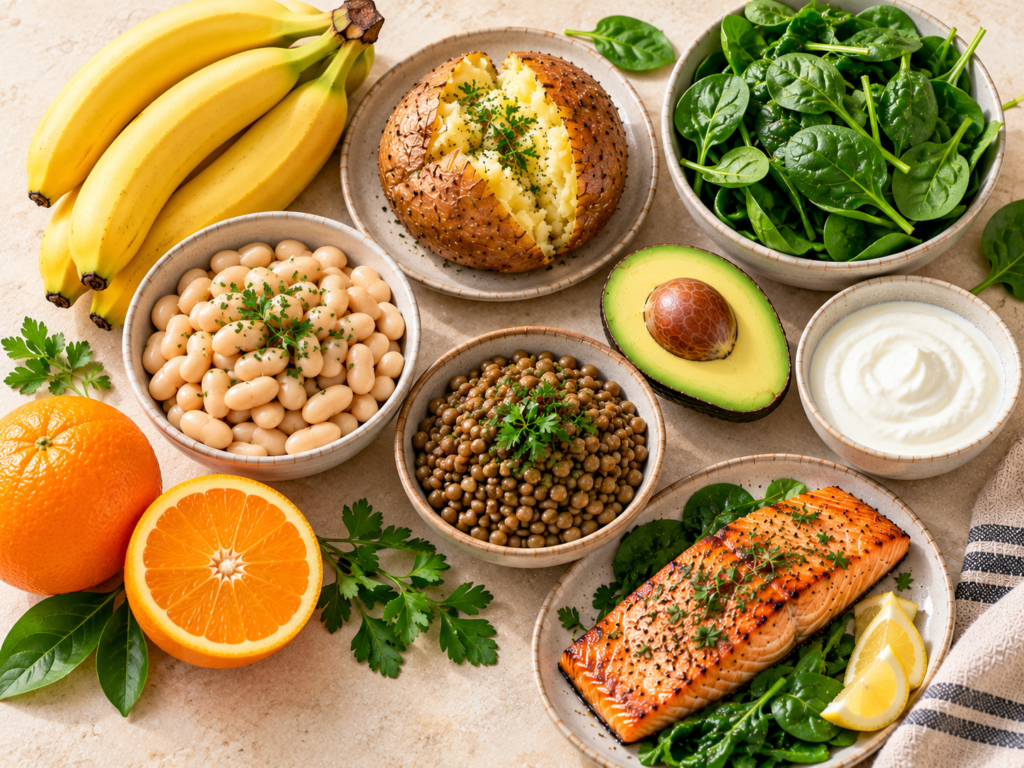
Easy Ways to Get More Potassium From Food
You do not need a complicated diet to include more potassium-containing foods.
Choose Whole or Minimally Processed Foods
Fresh and frozen fruits and vegetables, beans, lentils, and plain dairy products can help you build a potassium-rich eating pattern.
Eat Beans and Lentils More Often
Add chickpeas to salads, use lentils in soups, or include beans in curries. These foods provide potassium alongside fiber and plant-based protein.
Keep Potatoes on the Menu
Potatoes can be useful potassium sources, particularly when baked or prepared with the skin where appropriate. Baking, boiling, and other cooking methods can affect how much potassium remains in the final serving.
Balance Your Diet Rather Than Relying on Bananas
Bananas provide potassium, but potatoes, beans, lentils, leafy greens, yogurt, and other foods can contribute as well.
Be Mindful of Salt Substitutes
Some salt substitutes replace sodium chloride with potassium chloride. They may be unsuitable for people with kidney problems or those taking medications that increase potassium.
Frequently Asked Questions About Potassium Benefits
What are the main benefits of potassium?
The main potassium benefits include supporting normal muscle and nerve function, fluid balance, healthy blood pressure, and the electrical activity that helps regulate your heartbeat.
Which food is highest in potassium?
Potassium content depends on serving size. Potatoes, certain beans, dried fruits, and some leafy greens can provide substantial amounts. A single food is not necessarily the best choice for everyone.
Are bananas enough to meet daily potassium needs?
Usually, one banana alone does not provide an adult’s full daily potassium target. Eating a variety of fruits, vegetables, legumes, and other potassium-containing foods is a more practical approach.
Does potassium lower blood pressure?
Adequate potassium intake may help support healthy blood pressure, partly by balancing sodium’s effects. The result depends on your overall diet, health, and kidney function.
What are the signs of low potassium?
Possible signs include muscle weakness, cramps, fatigue, and constipation. Severe deficiency can cause dangerous heart rhythm problems. Symptoms alone cannot confirm low potassium.
Is it safe to take potassium supplements every day?
Not everyone needs a potassium supplement. Supplements can be risky for people with kidney disease or those taking certain medicines. Ask a healthcare professional before using them.
Can potassium help prevent muscle cramps?
Adequate potassium supports normal muscle function, but cramps have many possible causes, including exercise, dehydration, and other medical factors. Potassium is not a guaranteed treatment for cramps.
Conclusion: Make Potassium Part of a Balanced Diet
The key potassium benefits include normal muscle function, nerve signaling, fluid balance, and support for healthy blood pressure and heart rhythm. Getting enough potassium is an important part of a nutritious eating pattern.
Build your meals around a variety of foods, including potatoes, beans, lentils, leafy greens, yogurt, fruit, and other nutrient-rich options. You do not need to rely on bananas alone or take supplements automatically.
If you have kidney disease, take medicines that can raise potassium, or have been diagnosed with an electrolyte imbalance, seek personalized advice before substantially increasing your intake.
1 thought on “Potassium Benefits: Why Your Body Needs It”