
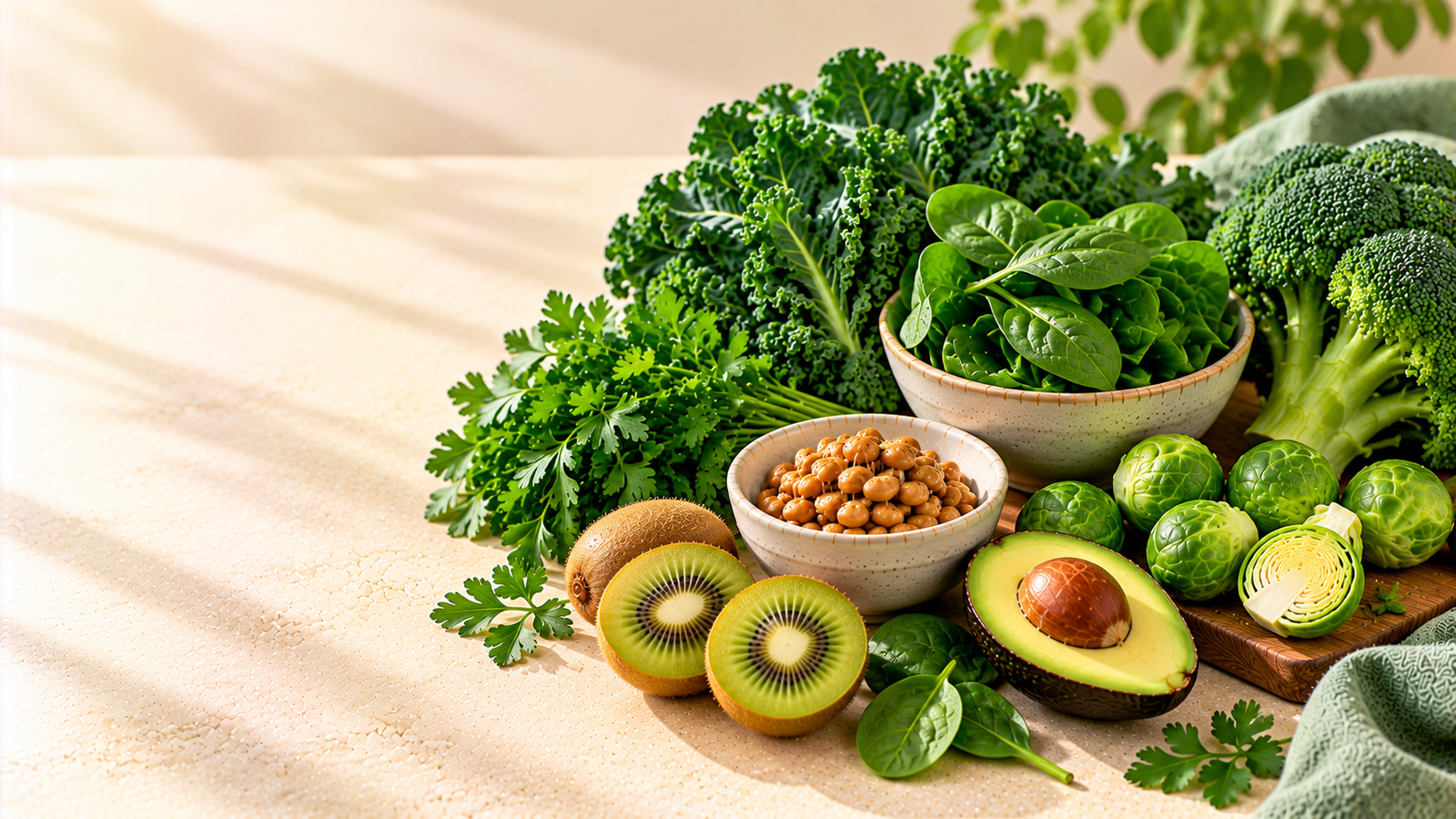
Vitamin K benefits are closely linked to two essential processes in the body: normal blood clotting and the function of proteins involved in bone metabolism. Although vitamin K receives less attention than some other vitamins, your body needs it to carry out these important functions.
Vitamin K is a fat-soluble nutrient found in leafy green vegetables, broccoli, certain plant oils, and fermented foods. It comes in several forms, including vitamin K1 and vitamin K2, which have different food sources.
Understanding what vitamin K does can help you make informed food choices, recognize situations that may increase deficiency risk, and understand why some medications require special dietary consistency.
Most Important Points
- Blood clotting: Vitamin K is required to activate proteins that help blood clot normally.
- Bone health: It supports proteins involved in bone metabolism.
- Food sources: Leafy greens are major sources of vitamin K1; natto is particularly rich in vitamin K2.
- Daily needs: US adequate intake recommendations for adults are 90 mcg for women and 120 mcg for men.
- Deficiency: Severe deficiency can cause abnormal bleeding, but deficiency is uncommon in healthy adults.
- Medication safety: People taking warfarin should keep vitamin K intake consistent and follow medical advice.
What Is Vitamin K?
Vitamin K is a fat-soluble vitamin that helps the body produce functional proteins. Some of these proteins participate in blood coagulation, while others are involved in bone and other cellular processes.
Vitamin K1 vs. Vitamin K2
Vitamin K1 (phylloquinone) is found mainly in leafy green vegetables, such as spinach, kale, and collard greens, along with certain plant oils.
Vitamin K2 (menaquinones) is found in fermented foods such as natto and in varying amounts in some cheeses and animal products.
Both forms contribute to vitamin K nutrition. However, they are not identical, and research is still investigating the extent to which different forms may have distinct effects on health.
For a detailed scientific overview, consult the NIH Office of Dietary Supplements Vitamin K fact sheet.
6 Important Vitamin K Benefits
Vitamin K has several important functions in the body. The strongest established roles relate to normal blood clotting and the function of proteins involved in bone metabolism. Other potential health effects are still being studied.
1. Supports Normal Blood Clotting
One of the most important vitamin K benefits is its role in normal blood clotting, also called coagulation.
When a blood vessel is injured, the body activates a series of proteins that help form a clot and limit bleeding. Vitamin K is necessary for the normal function of several of these proteins, including prothrombin.
Without enough vitamin K, blood clotting can become impaired. Severe deficiency may lead to easy bruising, prolonged bleeding, or other bleeding problems.
How to support this function: Eat a varied diet containing vitamin K sources such as leafy greens, broccoli, and suitable plant oils.
2. Helps Maintain Normal Bone Health
Vitamin K helps activate osteocalcin, a protein involved in bone metabolism. This is one reason researchers study the relationship between vitamin K intake and bone strength.
Some studies have linked higher vitamin K intake with better bone measures, but findings from supplementation trials are mixed. It is not established that taking extra vitamin K supplements prevents osteoporosis or fractures in everyone.
Practical tip: Include vitamin K-containing vegetables as part of a balanced diet that also supplies adequate calcium, vitamin D, protein, and other nutrients needed for bone health.
3. Helps Activate Essential Proteins
Vitamin K acts as a cofactor in a process that enables certain proteins to function properly. These proteins participate in blood clotting and bone metabolism, among other physiological processes.
This role is fundamental: vitamin K is not simply an optional dietary extra but a nutrient the body needs for normal biological functions.
4. Contributes to Healthy Bone Metabolism
Bone tissue is continually being renewed. Vitamin K-dependent proteins are involved in this process, which is why vitamin K status is studied in relation to bone mineralization and turnover.
However, bone health depends on many factors, including age, physical activity, calcium and vitamin D intake, hormones, and overall nutrition. Vitamin K alone cannot guarantee strong bones.
5. May Play a Role in Blood Vessel Health
Researchers are investigating vitamin K-dependent proteins such as matrix Gla-protein, which is involved in regulating calcification in body tissues.
Although this research is scientifically interesting, it does not establish that vitamin K supplements prevent heart attacks, reverse arterial calcification, or treat cardiovascular disease. More evidence is needed before making such claims.
6. Supports Normal Body Functions Throughout Life
Vitamin K is needed from infancy through older adulthood. Adequate intake supports the normal operation of vitamin K-dependent proteins at every stage of life.
Newborns have special needs because vitamin K transfer before birth is limited. This is why vitamin K administration at birth is recommended by health authorities to prevent vitamin K deficiency bleeding in infants. Parents should follow their local healthcare provider’s guidance.
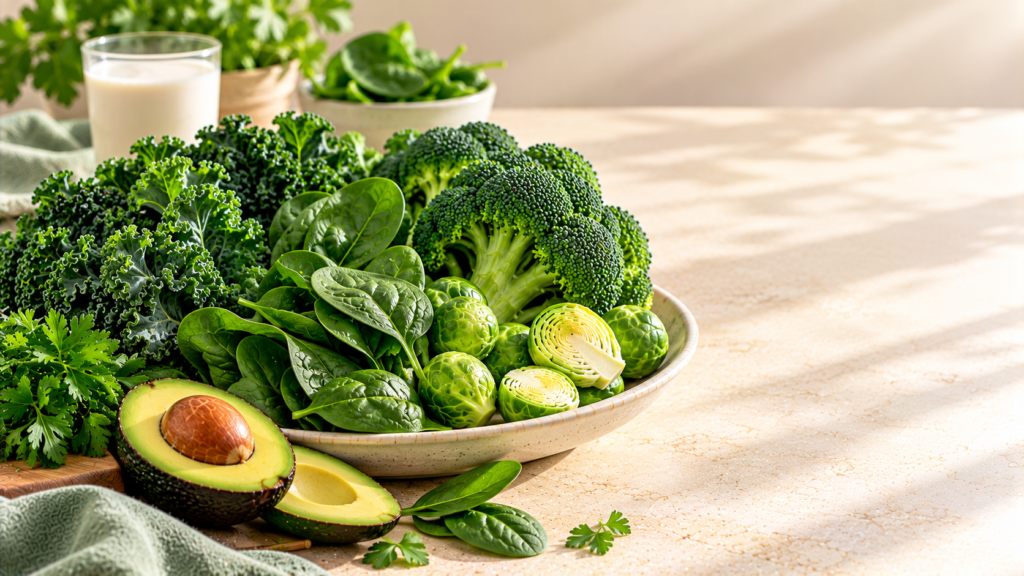
Vitamin K1 Benefits vs. Vitamin K2 Benefits
Vitamin K1 and vitamin K2 are related forms of the same vitamin family, but they come from different food sources.
| Feature | Vitamin K1 | Vitamin K2 |
|---|---|---|
| Scientific name | Phylloquinone | Menaquinones |
| Common food sources | Leafy greens, broccoli, some plant oils | Natto, certain cheeses and animal products |
| Established role | Supports normal vitamin K-dependent protein function, including clotting | Supports the same general vitamin K-dependent processes |
| Research interest | Blood clotting and bone metabolism | Bone metabolism and other areas of ongoing research |
There is not enough evidence to conclude that everyone needs a separate vitamin K2 supplement or that K2 is universally better than K1. A varied diet is a sensible starting point for most people.
Best Food Sources of Vitamin K
Leafy green vegetables are among the most concentrated sources of vitamin K1. Other vegetables, plant oils, and fermented foods can also contribute.
| Food | Typical serving | Approximate vitamin K |
|---|---|---|
| Cooked collard greens | ½ cup | 530 mcg |
| Cooked spinach | ½ cup | 444 mcg |
| Raw spinach | 1 cup | 145 mcg |
| Raw kale | 1 cup chopped | 113 mcg |
| Cooked broccoli | ½ cup | 110 mcg |
| Green leaf lettuce | 1 cup | 100 mcg |
| Soybean oil | 1 tablespoon | 25 mcg |
| Blueberries | ½ cup | 14 mcg |
| Canola oil | 1 tablespoon | 10 mcg |
| Olive oil | 1 tablespoon | 8 mcg |
Approximate values vary by food variety, preparation, and serving size. Natto is also a notable source of vitamin K2, but its content can vary widely.
For more precise nutrient values, consult USDA FoodData Central or the NIH Vitamin K fact sheet.
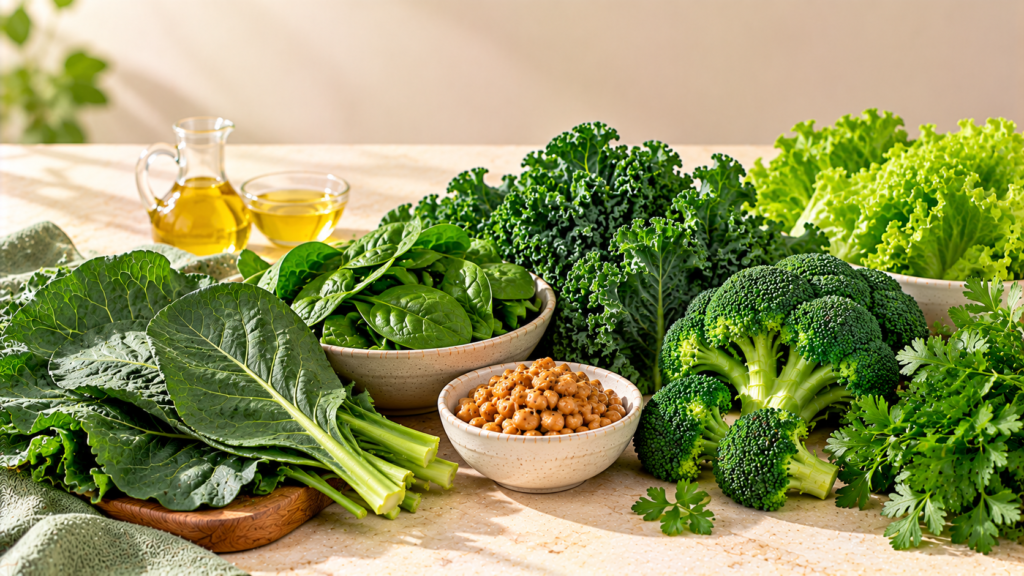
How Much Vitamin K Do You Need Daily?
The recommended intake depends on age and life stage. The following US values are adequate intakes (AIs), not recommended dietary allowances.
| Age or life stage | Daily adequate intake |
|---|---|
| Birth–6 months | 2 mcg |
| 7–12 months | 2.5 mcg |
| 1–3 years | 30 mcg |
| 4–8 years | 55 mcg |
| 9–13 years | 60 mcg |
| 14–18 years | 75 mcg |
| Adult men, 19+ years | 120 mcg |
| Adult women, 19+ years | 90 mcg |
| Pregnancy, ages 19+ | 90 mcg |
| Breastfeeding, ages 19+ | 90 mcg |
These values are general US nutrition references for healthy people. Individual needs can differ, especially when medical conditions or medicines affect vitamin absorption or clotting.
How to Get Enough Vitamin K Through Food
For many adults, including leafy greens and other vegetables regularly can help meet vitamin K needs.
Try adding spinach to breakfast, including broccoli or greens at lunch, and serving a variety of vegetables with dinner. A small amount of dietary fat in the meal can also improve absorption of vitamin K from plant foods.
Signs of Vitamin K Deficiency
Vitamin K deficiency is uncommon in healthy adults who eat a varied diet. It is more likely in people with conditions that affect fat absorption, certain medical circumstances, or medication-related risks.
Possible signs of significant deficiency include:
- Easy bruising
- Bleeding gums or nosebleeds
- Bleeding that lasts longer than expected
- Blood in urine or stool, or other unexplained bleeding
These symptoms can have many causes and do not confirm vitamin K deficiency. Seek medical assessment for unexplained bleeding. Heavy bleeding or bleeding that will not stop requires urgent medical attention.
Who May Be at Higher Risk?
- Newborns who have not received recommended vitamin K prophylaxis
- People with conditions such as celiac disease, cystic fibrosis, or other disorders affecting fat absorption
- People who have undergone certain gastrointestinal surgeries
- People taking medicines that interfere with vitamin K absorption or metabolism
If you have a condition that affects nutrient absorption, your healthcare professional can assess whether testing or treatment is appropriate.
Vitamin K Supplements: Are They Necessary?
Most people should aim to obtain nutrients primarily through food. Vitamin K supplements may be appropriate in specific circumstances, but they are not necessary for everyone.
Research is ongoing into whether supplemental vitamin K can improve bone outcomes or reduce cardiovascular risk. Current evidence does not support promising these benefits to everyone, and supplements should not replace established treatment or a balanced diet.
Important safety note: Vitamin K can interact significantly with warfarin and similar anticoagulants. If you take these medicines, do not start a vitamin K supplement or make a major dietary change without consulting your healthcare professional. Maintaining a consistent intake is generally more important than avoiding vitamin K foods altogether.
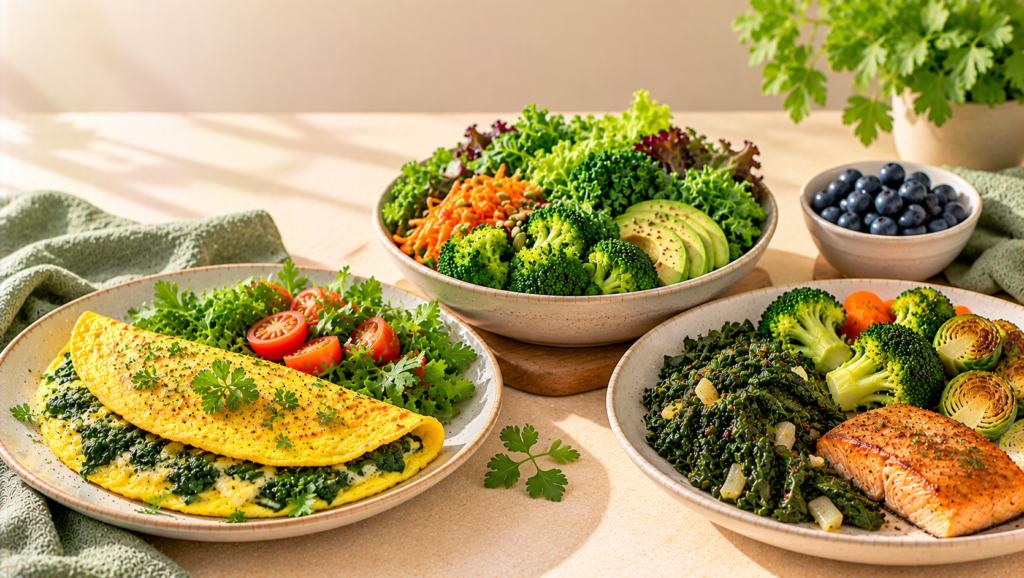
Practical Ways to Add Vitamin K to Your Diet
Breakfast
- Add spinach to an omelet.
- Serve kiwi or blueberries with oatmeal or yogurt.
- Add parsley to a savory breakfast dish.
Lunch
- Make a salad with leafy greens and avocado.
- Add broccoli or other vegetables to a grain bowl.
- Include spinach in soup or a sandwich.
Dinner
- Serve collard greens, kale, or turnip greens as a side dish.
- Add broccoli to a stir-fry or curry.
- Use a suitable plant oil in moderate amounts.
Shopping and Preparation Tips
- Buy leafy greens you enjoy and can use before they spoil.
- Wash vegetables thoroughly before preparing them.
- Store greens appropriately to maintain freshness.
- Rotate different vegetables instead of relying on one food every day.
- If taking warfarin, keep your vitamin K intake consistent according to your clinician’s instructions.
Internal and External Linking Opportunities
Add these links where they naturally support the reader’s next question:
- Vitamin K Rich Foods: Complete Food Guide
- NIH Office of Dietary Supplements — Vitamin K Fact Sheet
- USDA FoodData Central — Search Nutrient Values for Individual Foods
Use only published internal URLs from your website. The NIH source is particularly useful for verifying vitamin K functions, daily intake values, deficiency information, and medication interactions.
Frequently Asked Questions About Vitamin K Benefits
1. What are the main benefits of vitamin K?
The best-established vitamin K benefits are supporting normal blood clotting and helping vitamin K-dependent proteins involved in bone metabolism function properly. Other potential benefits remain under investigation.
2. What does vitamin K do for your body?
Vitamin K helps activate proteins that control blood clotting and contribute to bone metabolism. It is an essential nutrient needed for normal body functions.
3. Is vitamin K good for bone health?
Vitamin K plays a role in bone metabolism. However, research on whether vitamin K supplements improve bone strength or prevent fractures is mixed. Bone health also depends on calcium, vitamin D, protein, physical activity, and other factors.
4. What is the difference between vitamin K1 and vitamin K2?
Vitamin K1 is found mainly in leafy green vegetables and certain plant oils. Vitamin K2 occurs in fermented foods such as natto and in varying amounts in some animal products and cheeses.
5. What foods are highest in vitamin K?
Leafy greens such as collard greens, kale, spinach, and turnip greens are concentrated sources of vitamin K1. Natto is particularly rich in vitamin K2.
6. How much vitamin K do adults need daily?
The US adequate intake is 120 mcg per day for adult men and 90 mcg for adult women. These values are general references for healthy adults.
7. Can vitamin K help prevent heart disease?
Vitamin K-dependent proteins are being studied for their potential role in blood vessel health. However, there is not enough evidence to conclude that vitamin K supplements prevent heart disease or reverse arterial calcification.
8. Can you take vitamin K with blood thinners?
Vitamin K can interact significantly with warfarin. People taking warfarin should maintain a consistent vitamin K intake and discuss dietary changes or supplements with their healthcare professional.
Conclusion
The most important vitamin K benefits relate to normal blood clotting and the function of proteins involved in bone metabolism. This essential nutrient supports everyday biological processes, making adequate intake an important part of a balanced diet.
You can obtain vitamin K from leafy greens, broccoli, other vegetables, selected plant oils, and fermented foods. Focus on dietary variety, understand your daily needs, and be cautious with supplements that promise benefits beyond the available evidence.
If you take warfarin or have a medical condition that affects nutrient absorption, consult your healthcare professional before making significant changes to your diet or supplement routine.
3 thoughts on “Vitamin K Benefits: What Does Vitamin K Do?”