
Vitamin K deficiency occurs when the body does not have enough vitamin K to support normal functions, particularly the activation of proteins needed for blood clotting. It is uncommon in healthy adults who eat a varied diet, but it can occur in people with certain digestive conditions, impaired fat absorption, or medication-related risks.
Recognizing the possible signs of low vitamin K is important because a serious deficiency can lead to excessive bleeding. However, bruising or bleeding can have many causes, so symptoms alone cannot confirm a deficiency.
In this guide, you will learn about vitamin K deficiency symptoms, who is at risk, which foods provide vitamin K, and when to seek medical advice.
Most Important Points
- Vitamin K helps your blood clot normally and supports proteins involved in bone metabolism.
- Unusual bruising, easy bleeding, and prolonged bleeding may occur with significant deficiency.
- Vitamin K deficiency is rare in healthy adults but is more likely with certain malabsorption disorders and medications.
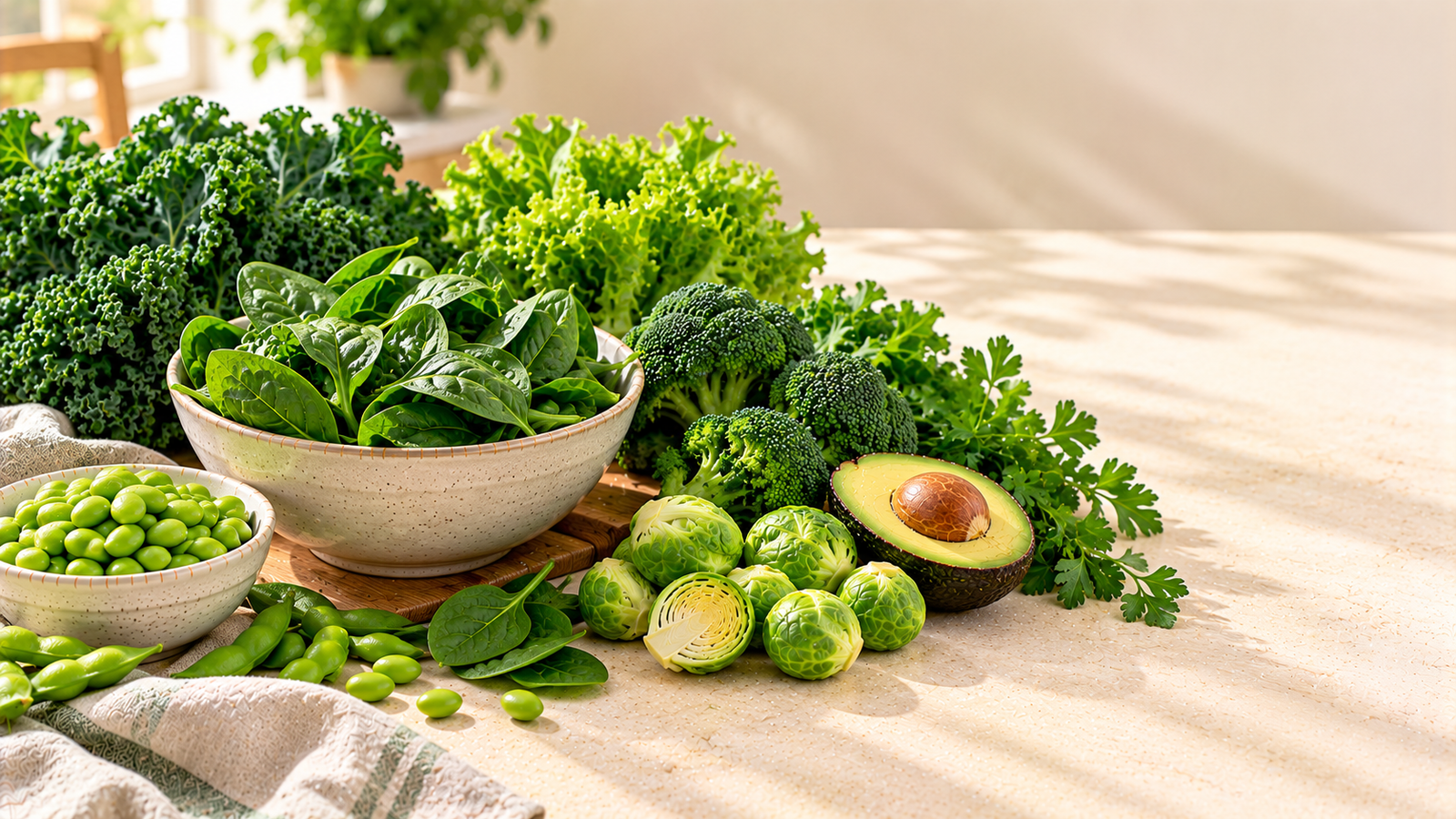
- Leafy green vegetables, including spinach, kale, and broccoli, are important vitamin K food sources.
- Newborns are particularly vulnerable to vitamin K deficiency bleeding, which is why newborn vitamin K prophylaxis is recommended.
- Do not self-diagnose or begin high-dose supplements without professional advice, especially if you take warfarin.
What Is Vitamin K Deficiency?
Vitamin K is a fat-soluble vitamin that helps activate proteins involved in blood clotting. It also supports proteins involved in normal bone metabolism.
There are two main forms in the diet:
- Vitamin K1 (phylloquinone): Found mainly in leafy green vegetables and some plant oils.
- Vitamin K2 (menaquinones): Found in certain fermented foods and animal-based foods, with amounts varying by food.
A deficiency may develop when vitamin K intake is insufficient, when the body cannot absorb it properly, or in certain medical or medication-related circumstances.
For general background, see the NIH Office of Dietary Supplements vitamin K fact sheet.
Signs and Symptoms of Vitamin K Deficiency
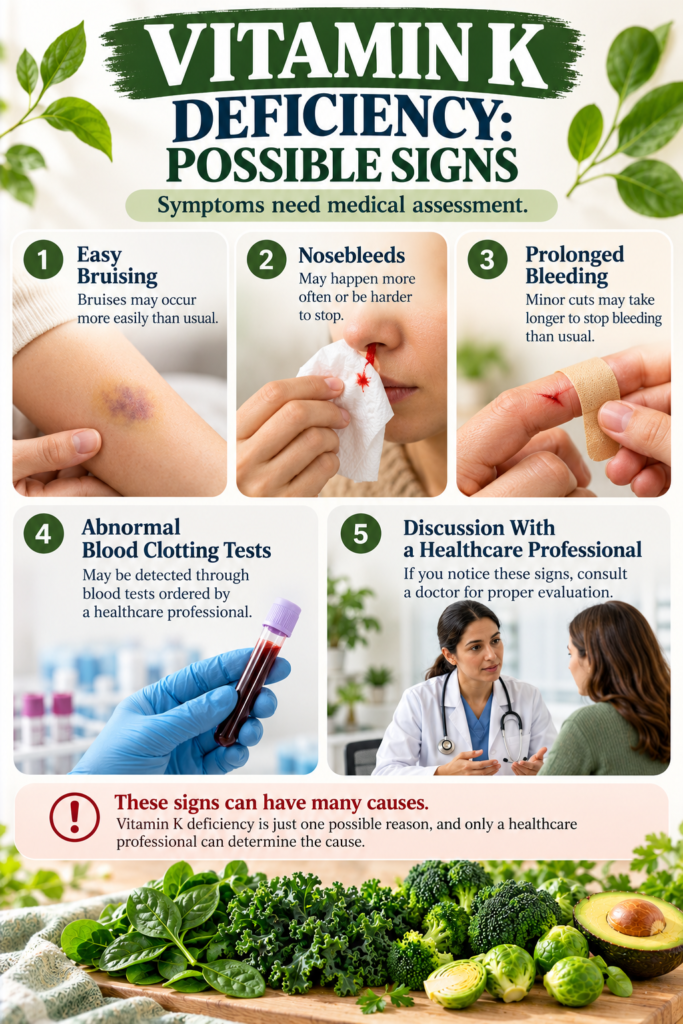
The classic signs of clinically significant vitamin K deficiency involve abnormal bleeding because the body cannot activate certain clotting proteins normally. These signs are not specific to vitamin K deficiency, so medical evaluation is important.
1. Easy bruising
You may notice bruises developing more easily than usual or bruises that seem unusually large. Easy bruising can also result from other conditions, medications, or changes in the skin.
2. Bleeding gums or frequent nosebleeds
Bleeding from the gums or nose may occur when clotting is impaired. However, dental problems, nasal irritation, platelet disorders, and other conditions can cause similar symptoms.
3. Cuts that bleed longer than expected
A minor cut that continues bleeding may need medical attention, especially if the bleeding is persistent or difficult to control.
4. Blood in urine or stool
Blood in urine, bloody stools, or black, tar-like stools can indicate internal bleeding or another serious problem. These symptoms should never be assumed to result from a vitamin deficiency.
5. Heavy or unusual bleeding
Unusually heavy menstrual bleeding or excessive bleeding after a dental procedure, injury, or surgery can have many causes, including problems with clotting. Seek medical advice rather than attempting to treat the symptom with supplements.
The NIH identifies bleeding and hemorrhage as classic signs of severe vitamin K deficiency. Clinically significant deficiency in adults is rare, particularly among people who eat a varied diet.
When to seek urgent care
Get emergency medical help for heavy or uncontrolled bleeding, vomiting blood, black tarry stools, fainting, or a severe headache after a head injury. If a newborn has unexplained bleeding, unusual sleepiness, repeated vomiting, or seizures, seek emergency care immediately.
What Causes Vitamin K Deficiency?
Vitamin K deficiency can develop when the body does not obtain enough vitamin K, cannot absorb it properly, or cannot use it normally.
1. Conditions that affect fat absorption
Because vitamin K is fat-soluble, certain digestive and liver-related conditions can reduce its absorption. Examples include:
- Celiac disease
- Cystic fibrosis
- Some inflammatory bowel diseases
- Short bowel syndrome
- Certain conditions that reduce bile flow
People with these conditions may need monitoring for deficiencies in vitamin K and other fat-soluble vitamins.
2. Certain medications
Some medicines can interfere with vitamin K activity or status. Warfarin works by antagonizing vitamin K, while prolonged treatment with certain antibiotics may contribute to low vitamin K status in susceptible people.
Important: Warfarin’s effect on vitamin K is intentional. Do not take extra vitamin K to counteract the medicine, and never stop prescribed medication without medical guidance.
3. Very limited food intake or malnutrition
A highly restricted diet, prolonged poor food intake, or malnutrition can contribute to inadequate vitamin intake. In adults, however, clinically significant vitamin K deficiency is uncommon without additional risk factors.
4. Newborn vitamin K deficiency
Babies are born with low vitamin K stores because relatively little crosses the placenta. Breast milk contains limited vitamin K, and newborns have not yet developed the intestinal bacteria that contribute to vitamin K production.
Vitamin K deficiency bleeding (VKDB) can occur during the first six months of life and may involve dangerous internal bleeding without obvious early warning signs. The CDC recommends a vitamin K shot after birth as the most reliable way to prevent VKDB.
CDC guidance on vitamin K deficiency bleeding in newborns
Who Is at Higher Risk of Vitamin K Deficiency?
Although most healthy adults do not develop clinically significant vitamin K deficiency, certain groups may need extra attention.
| Group | Why risk may be higher |
|---|---|
| People with fat-malabsorption disorders | Vitamin K may not be absorbed efficiently |
| People with certain liver or bile-flow conditions | Absorption or processing may be affected |
| People with prolonged poor food intake | Overall vitamin intake may be inadequate |
| People taking particular medicines | Some medicines interfere with vitamin K activity or status |
| Newborns who have not received vitamin K prophylaxis | Babies naturally have very low vitamin K stores |
Risk does not automatically mean a person has a deficiency. A healthcare professional can assess symptoms, medical history, medication use, and appropriate laboratory tests.
Best Food Sources to Help Prevent Low Vitamin K Intake
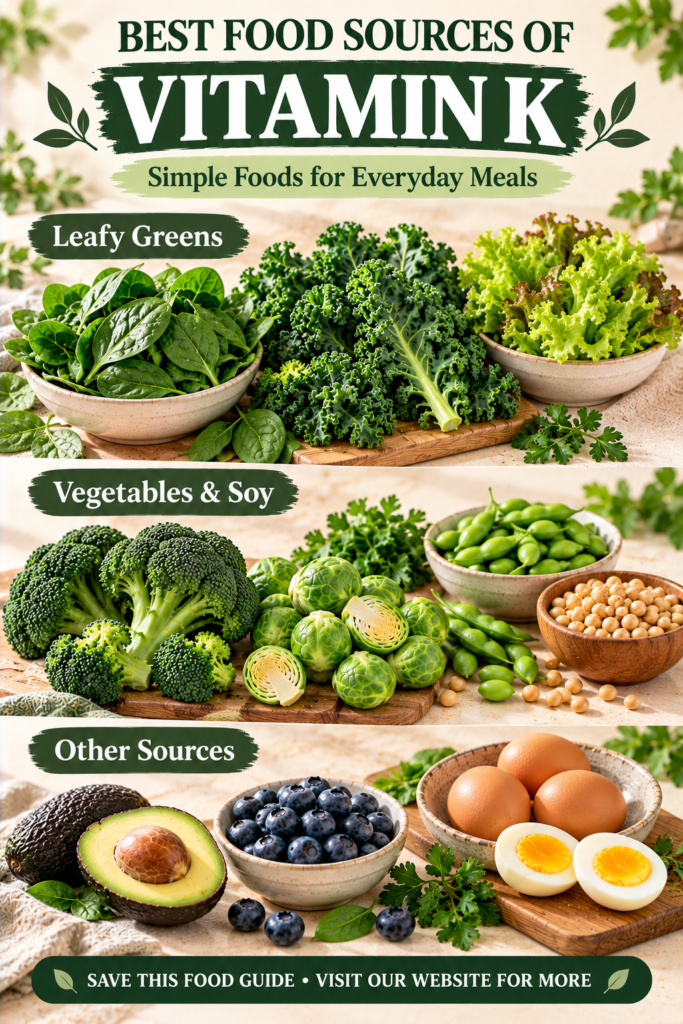
For most healthy adults, eating a varied diet is the most practical way to obtain vitamin K. Leafy green vegetables are especially useful sources of vitamin K1.
Vitamin K-rich foods chart
| Food | Example serving | Approximate vitamin K |
|---|---|---|
| Spinach, raw | 1 cup | 145 mcg |
| Kale, raw | 1 cup | 113 mcg |
| Broccoli, cooked | ½ cup | 110 mcg |
| Soybeans, roasted | ½ cup | 43 mcg |
| Soybean oil | 1 tablespoon | 25 mcg |
| Edamame, cooked | ½ cup | 21 mcg |
| Blueberries | ½ cup | 14 mcg |
| Iceberg lettuce | 1 cup | 14 mcg |
| Carrot, raw | 1 medium | 8 mcg |
| Hard-boiled egg | 1 large | 4 mcg |
Approximate values based on NIH Office of Dietary Supplements food data. Actual amounts vary with serving size, food variety, and preparation.
Which vegetables are highest in vitamin K?
Spinach, kale, and broccoli are particularly helpful choices. You can add them to salads, soups, omelets, curries, or cooked side dishes. Other leafy greens can also contribute meaningful amounts.
Do fermented foods provide vitamin K?
Some fermented foods, including certain fermented soy products and cheeses, contain vitamin K2. Amounts vary widely by food and preparation, so these foods are best viewed as part of a varied diet rather than guaranteed sources of a specific dose.
How to Prevent Vitamin K Deficiency Through Your Diet
A balanced diet can help most healthy adults meet their vitamin K needs. Try these practical strategies.
1. Eat leafy greens regularly
Include spinach, kale, broccoli, or other green vegetables in meals throughout the week. Fresh, frozen, and cooked options can all contribute to your intake.
2. Eat a varied diet
Combine green vegetables with other foods such as soybeans, eggs, and suitable fermented foods. Variety helps provide other essential nutrients alongside vitamin K.
3. Include some dietary fat
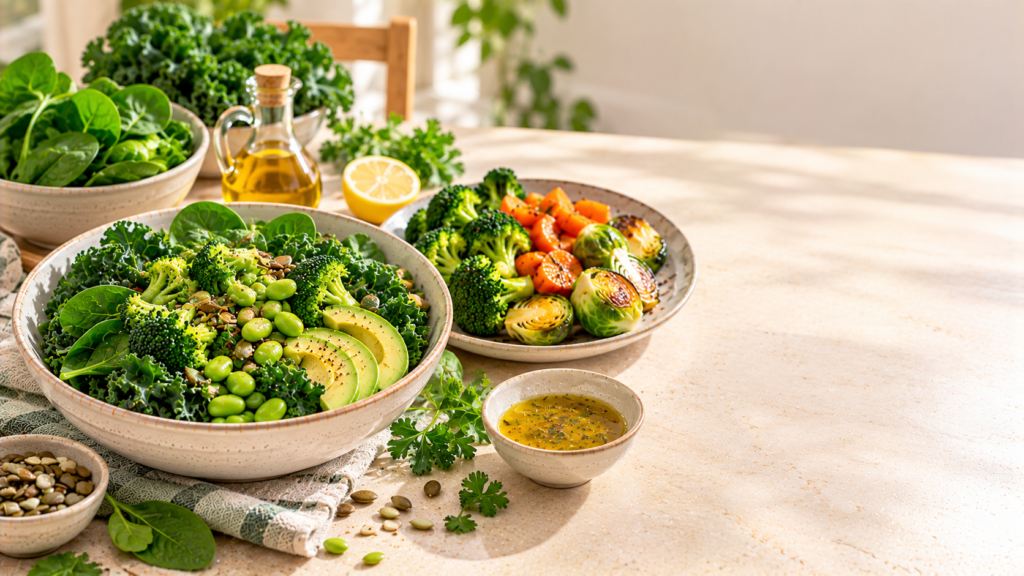
Vitamin K is fat-soluble. Eating vegetables with a modest amount of dietary fat, such as olive oil in a salad dressing, can help your body absorb it.
4. Keep your intake consistent if you take warfarin
If you take warfarin, do not suddenly increase or eliminate vitamin K-rich foods. Consistency is important, and your healthcare professional can help you manage dietary changes safely.
5. Ask whether testing or supplementation is appropriate
If you have a condition that affects nutrient absorption, unexplained bleeding, or a medication-related concern, ask your healthcare professional whether evaluation is needed. Do not rely on food changes or supplements alone to treat unexplained bleeding.
How Much Vitamin K Do You Need Per Day?
How Is Vitamin K Deficiency Diagnosed and Treated?
Diagnosis
A healthcare professional may review your diet, symptoms, medical conditions, and medications. A blood test measuring prothrombin time (PT) and the international normalized ratio (INR) may help assess blood clotting. These tests can be affected by conditions other than vitamin K deficiency, so results must be interpreted in context.
Treatment
Treatment depends on the cause and severity. A clinician may recommend vitamin K under medical supervision and investigate any underlying absorption problem or medication-related cause. Significant bleeding may require emergency treatment.
Do not self-treat unexplained bleeding with vitamin K supplements. The correct treatment depends on the cause, and supplements can interact with medicines such as warfarin.
Frequently Asked Questions
1. What are the first signs of vitamin K deficiency?
Clinically significant deficiency can cause abnormal bleeding, easy bruising, or bleeding that is difficult to stop. These symptoms have many possible causes and require appropriate medical assessment.
2. Can vitamin K deficiency cause easy bruising?
Yes, severe vitamin K deficiency can affect blood clotting and contribute to easy bruising. However, bruising alone does not establish a vitamin K deficiency.
3. Which foods are best for vitamin K deficiency?
Spinach, kale, broccoli, and other leafy greens are excellent sources of vitamin K1. Some fermented foods and animal-based foods provide vitamin K2. People with suspected deficiency should seek medical advice rather than relying on diet alone.
4. Is vitamin K deficiency common in adults?
No. Clinically significant vitamin K deficiency is rare in healthy adults who eat a varied diet. It is more likely in people with certain malabsorption disorders or other medical and medication-related risk factors.
5. Can low vitamin K cause bleeding gums?
Vitamin K deficiency can contribute to abnormal bleeding, potentially including bleeding from the gums. Dental disease and other conditions can cause the same symptom, so persistent or unusual bleeding should be assessed.
6. Can vitamin K deficiency be treated with food?
Improving dietary intake can help when intake is inadequate. However, clinically significant deficiency may require medical treatment, particularly if absorption is impaired or bleeding has occurred.
7. Why do newborns need vitamin K after birth?
Newborns naturally have low vitamin K stores, and deficiency can cause dangerous internal bleeding. A vitamin K shot after birth is the most reliable way to prevent vitamin K deficiency bleeding.
8. Should I take vitamin K supplements to prevent deficiency?
Not everyone needs a supplement. If you have a condition affecting absorption, take medication that interacts with vitamin K, or suspect a deficiency, consult a healthcare professional before supplementing.
Conclusion
Vitamin K deficiency can interfere with normal blood clotting and, in serious cases, lead to abnormal or dangerous bleeding. Although it is uncommon in healthy adults, certain digestive conditions, medications, and newborn-related factors can increase the risk.
For most people, a varied diet containing spinach, kale, broccoli, and other vitamin K-rich foods is a practical way to meet nutritional needs. If you notice unusual bleeding or persistent bruising, seek medical advice instead of assuming that low vitamin K is the cause.
Remember that prevention is not just about eating the right foods. Understanding your risk factors, using prescribed medications correctly, and seeking timely medical care are equally important.