
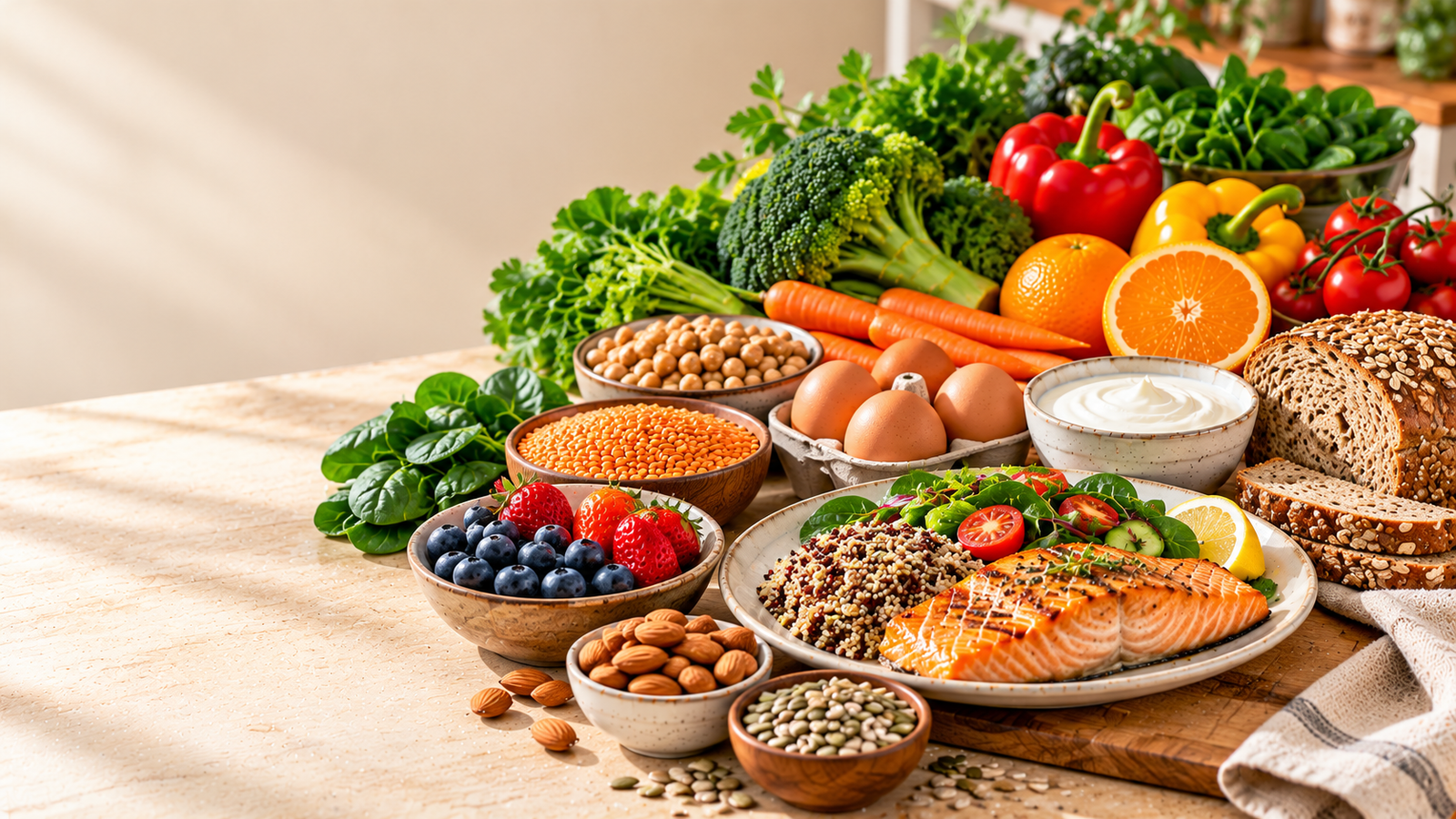
Eating well does not have to mean buying expensive superfoods, following a restrictive diet, or taking numerous supplements. Learning how to get more nutrients from your everyday diet starts with making better choices at the grocery store, combining foods thoughtfully, and preparing meals in ways that preserve their nutritional value.
A balanced diet provides essential vitamins, minerals, protein, healthy fats, carbohydrates, fiber, and other beneficial compounds your body needs. Small changes—such as adding vegetables to breakfast, choosing whole grains, eating beans more often, and pairing plant-based iron sources with vitamin C-rich foods—can help improve your overall nutrition.
Key Takeaways
- Choose nutrient-dense foods that provide plenty of nutrients relative to their calories.
- Eat a variety of colorful fruits and vegetables throughout the week.
- Include protein sources, whole grains, healthy fats, and fiber-rich foods in your meals.
- Improve nutrient absorption by pairing certain foods strategically.
- Use cooking methods that suit the food and preserve its nutritional value.
- Eat a variety of foods rather than relying on one “superfood.”
- Use supplements when appropriate, not as a substitute for a balanced diet.
Why Is It Important to Get More Nutrients From Your Everyday Diet?
Your body needs a consistent supply of nutrients to support energy production, immune function, tissue repair, healthy bones, digestion, and normal brain function. Different nutrients perform different jobs, so dietary variety matters.
For example, protein supplies amino acids for building and repairing tissues, calcium supports bones and teeth, iron helps transport oxygen in the blood, and dietary fiber supports digestive health.
A diet can provide enough calories without supplying all the nutrients your body needs. This is why food quality matters alongside portion size.
Improving your daily nutrition may help you:
- Meet your vitamin and mineral requirements.
- Support normal digestion and bowel regularity.
- Maintain muscle and bone health.
- Feel satisfied after meals.
- Support healthy growth and recovery.
- Build sustainable eating habits.
Your individual needs depend on age, activity level, health, food preferences, and life stage.
12 Practical Ways to Get More Nutrients From Your Everyday Diet
1. Choose Nutrient-Dense Foods More Often
Nutrient-dense foods provide vitamins, minerals, fiber, protein, or other beneficial nutrients relative to their calorie content. Examples include vegetables, fruit, beans, lentils, eggs, plain yogurt, nuts, seeds, fish, and whole grains.
You do not need to eliminate your favorite foods. Instead, make nutrient-rich options the foundation of most meals.
For example:
- Replace some refined grains with whole-grain bread or brown rice.
- Add spinach, tomatoes, or mushrooms to eggs.
- Choose fruit and unsalted nuts for a snack.
- Include beans or lentils in soups, stews, and curries.
- Add vegetables to pasta, rice dishes, and sandwiches.
These simple substitutions can improve the overall nutritional quality of your diet without requiring a complete lifestyle change.
2. Eat a Variety of Colorful Fruits and Vegetables
Different fruits and vegetables contain different combinations of vitamins, minerals, fiber, and plant compounds. Eating a variety helps you obtain a wider range of nutrients.


Try to include different colors throughout your week:
| Color | Examples | Nutrients and beneficial compounds |
|---|---|---|
| Green | Spinach, broccoli, peas | Folate, vitamin K, vitamin C |
| Orange and yellow | Carrots, pumpkin, sweet potatoes | Carotenoids, including beta-carotene |
| Red | Tomatoes, red peppers, strawberries | Vitamin C and various plant compounds |
| Blue and purple | Blueberries, purple cabbage, eggplant | Anthocyanins and other plant compounds |
| White and brown | Cauliflower, onions, mushrooms | Fiber and a range of other beneficial compounds |
These colors are useful reminders, not rigid nutritional categories. The actual nutrient content varies by food, variety, ripeness, storage, and preparation.
Practical tip: Add one fruit or vegetable to a meal that usually contains none. Repeat with another meal until vegetables and fruit become a regular part of your routine.
3. Include Protein at Meals
Protein supplies amino acids needed for tissue maintenance, muscle repair, enzymes, and many other body functions. It can also make meals more satisfying.
Useful protein sources include:
- Eggs and dairy products.
- Fish and poultry.
- Lean meat.
- Lentils, chickpeas, and beans.
- Tofu and other soy foods.
- Nuts and seeds.
Plant-based foods offer additional nutrients. For example, beans provide protein and fiber, while nuts and seeds provide unsaturated fats and minerals.
You do not need meat at every meal to obtain adequate protein. A varied combination of plant and animal foods—or carefully planned plant-based meals—can help meet your needs.
4. Choose Whole Grains More Frequently
Whole grains retain the bran, germ, and endosperm, providing a broader range of nutrients than refined grains, although the exact difference depends on the grain and any fortification.
Examples include:
- Oats.
- Brown rice.
- Whole-wheat bread and roti.
- Barley.
- Whole-grain cereals.
- Millet and other minimally refined grains.
Whole grains can provide fiber, B vitamins, and minerals. When possible, compare product labels because some foods marketed as multigrain or brown are not necessarily made predominantly from whole grains.
Everyday swap: Try replacing part of your usual refined grain portion with a whole-grain alternative, then increase it as you become accustomed to the taste and texture.
5. Combine Foods to Improve Nutrient Absorption
Some nutrients are absorbed more effectively when eaten alongside particular foods. Thoughtful food combinations can help you make more of the nutrition available in your meals.
Examples include:
- Iron and vitamin C: Pair lentils, chickpeas, beans, or tofu with tomatoes, lemon juice, guava, or bell peppers. Vitamin C can improve the absorption of non-heme iron from plant foods.
- Carotenoids and dietary fat: Add a small amount of olive oil or another suitable fat to carrots, leafy greens, or other vegetables containing carotenoids.
- Vitamin D and calcium: Include vitamin D-containing foods alongside calcium-rich foods as part of a balanced diet. These nutrients have complementary roles in bone health, although eating them together does not automatically guarantee adequate intake.
- Plant-based protein variety: Eat a variety of legumes, grains, nuts, and seeds over the course of the day to obtain a broad range of amino acids and other nutrients.
These combinations are helpful strategies, not strict rules. A varied diet remains more important than finding a perfect pairing for every meal.
NIH Office of Dietary Supplements — Iron Fact Sheet
6. Use Cooking Methods That Suit Each Food
Cooking can change the amount of certain nutrients in food. Some water-soluble vitamins, including vitamin C, may be reduced by prolonged heating or by cooking in large amounts of water. Other nutrients become more accessible after cooking.
To preserve nutritional value:
- Steam vegetables when appropriate.
- Microwave vegetables with a small amount of water when convenient.
- Roast or sauté vegetables without excessive added fat.
- Use cooking water in soups or stews when suitable.
- Avoid unnecessarily long cooking times.
- Cook foods thoroughly when food safety requires it.
Raw vegetables are nutritious, but cooked vegetables can be nutritious too. For example, cooking tomatoes can make some of their lycopene more available, while cooking carrots can improve the accessibility of certain carotenoids.
The best cooking method depends on the food, the nutrient, taste, and food safety.

7. Include Healthy Fats in Balanced Meals
Dietary fat provides energy, helps build cell membranes, and supports the absorption of vitamins A, D, E, and K. Unsaturated fats are generally preferred over large amounts of saturated and trans fats.
Useful sources include:
- Olive or other unsaturated vegetable oils.
- Walnuts, almonds, and other nuts.
- Chia, flax, and sesame seeds.
- Avocados.
- Oily fish such as salmon and sardines.
For example, adding a modest amount of oil to a vegetable dish can help the body absorb carotenoids. Nuts and seeds can also contribute magnesium, vitamin E, and other nutrients.
Fat is energy-dense, so portions matter. You do not need to add large amounts of oil to every meal.
8. Eat Beans, Lentils, Nuts, and Seeds Regularly
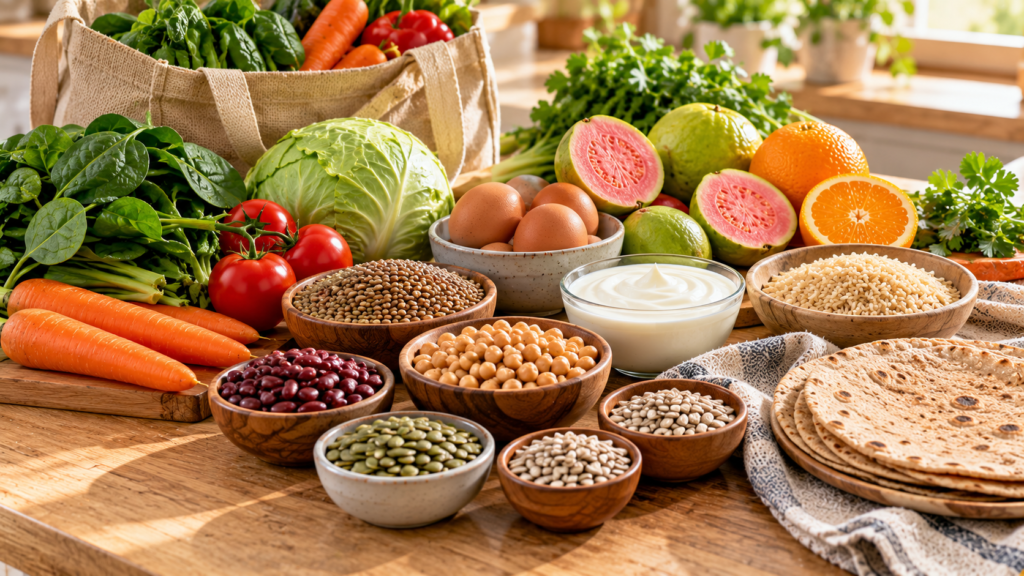
Plant foods can supply several nutrients at once. Legumes, in particular, are useful because they provide protein, fiber, folate, iron, potassium, and other minerals.
| Food | Nutritional benefits |
|---|---|
| Lentils | Protein, fiber, folate, iron |
| Chickpeas | Protein, fiber, folate, manganese |
| Kidney beans | Fiber, protein, folate, potassium |
| Almonds | Vitamin E, magnesium, healthy fats |
| Chia seeds | Fiber, alpha-linolenic acid, minerals |
| Pumpkin seeds | Magnesium, zinc, protein |
| Sesame seeds | Unsaturated fats, calcium, and other minerals |
Nutrient content varies by serving size and preparation. Iron in plant foods is less readily absorbed than heme iron from animal foods, so combining legumes with vitamin C-rich ingredients can be particularly useful.
Practical tip: Add lentils to soup, chickpeas to salads, beans to curries, or a small handful of nuts and seeds to oatmeal or yogurt.
9. Do Not Overlook Fortified Foods
Some foods have vitamins or minerals added during manufacturing. Depending on the product and country, fortified foods can help people obtain nutrients that may otherwise be difficult to get in adequate amounts.
Examples may include:
- Milk or plant-based drinks fortified with vitamin D and calcium.
- Breakfast cereals fortified with iron and B vitamins.
- Certain flours fortified with folic acid or other nutrients.
- Other products labeled as fortified with specific vitamins or minerals.
Read the nutrition label: Fortification differs between brands and countries. Check which nutrients have been added and how much a serving provides. Fortified does not automatically mean healthier; added sugar, sodium, and portion size still matter.
If you avoid animal foods, pay particular attention to vitamin B12 because unfortified plant foods are not reliable natural sources of this vitamin.
10. Plan Meals Around Variety, Not Perfection
Meal planning makes it easier to include different food groups, reduce last-minute food choices, and use ingredients before they spoil.
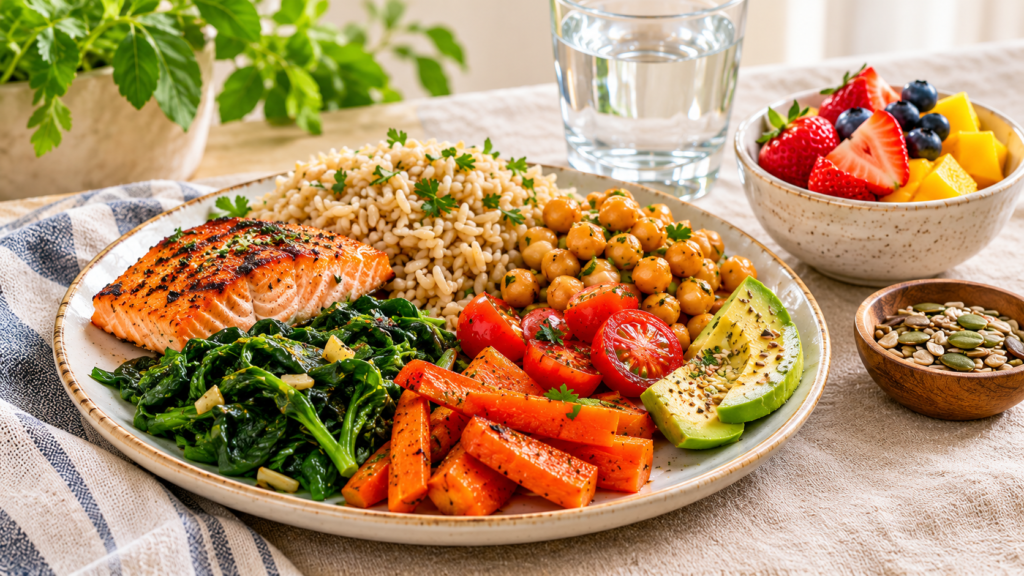
A simple approach is to build main meals around:
- Vegetables and fruit: Include one or more varieties.
- Protein: Choose beans, lentils, eggs, fish, poultry, tofu, or another suitable source.
- Whole grains or starchy foods: Choose oats, whole-wheat roti, brown rice, potatoes, or other staples.
- Healthy fats: Include nuts, seeds, fish, or an appropriate cooking oil.
11. Drink Enough Water and Choose Beverages Thoughtfully
Water supports digestion, circulation, temperature regulation, and many other bodily processes. Your needs vary with body size, activity, climate, diet, and health.
Water is a useful everyday choice. Milk or a suitably fortified plant-based alternative can provide additional nutrients, while tea, coffee, and other beverages can also contribute to fluid intake.
For practical hydration:
- Keep drinking water accessible throughout the day.
- Drink more when heat or exercise increases your fluid losses.
- Eat water-rich foods such as cucumbers, oranges, melon, and soups.
- Pay attention to thirst and your individual health needs.
There is no single fluid target that is ideal for every person. Some medical conditions require specific fluid guidance, so follow professional advice if you have been given a restriction.
12. Limit Foods That Displace More Nutritious Choices
You do not need to ban sweets, fried foods, or favorite snacks to improve your diet. However, a diet dominated by foods high in added sugars, sodium, or saturated fat may leave less room for foods that supply essential nutrients.
Try these realistic adjustments:
- Replace sugary drinks with water more often.
- Add fruit alongside a snack instead of relying exclusively on confectionery.
- Choose unsalted or lightly salted nuts more frequently.
- Include vegetables in meals that usually contain mostly refined grains.
- Compare nutrition labels when choosing packaged foods.
The goal is to improve your overall eating pattern, not to achieve a perfect diet every day.
A Simple Daily Plan to Get More Nutrients From Food
You can use this example as inspiration and adjust it to your preferences, budget, culture, and dietary requirements.
| Meal | Example | Nutritional focus |
|---|---|---|
| Breakfast | Oatmeal with milk or fortified soy drink, banana, and seeds | Fiber, B vitamins, protein, and minerals |
| Morning snack | Guava, orange, or another seasonal fruit | Vitamin C and fiber |
| Lunch | Lentil curry, whole-wheat roti, and a tomato-and-spinach side | Protein, iron, folate, and fiber |
| Afternoon snack | Plain yogurt or a suitable fortified alternative | Protein and, depending on the product, calcium and vitamin B12 |
| Dinner | Fish, eggs, tofu, or beans with vegetables and a grain or potato | Protein, minerals, and a range of vitamins |
This is an example, not a prescription or a guarantee that every daily requirement will be met. Exact nutrient intake depends on the ingredients, portions, fortification, and your individual needs.
Healthy Foods High in Vitamins and Minerals
Common Mistakes That Can Reduce the Nutritional Quality of Your Diet
Even people who try to eat healthily can overlook important aspects of nutrition.
Eating the Same Few Foods Every Day
Repeating a limited selection of foods may reduce dietary variety. Rotate fruits, vegetables, protein sources, and grains when practical.
Assuming All Packaged Foods Are Unhealthy
Some packaged foods, such as frozen vegetables, canned beans, plain yogurt, and fortified cereals, can be nutritious and convenient. Check labels and choose products that fit your needs.
Believing Raw Food Is Always More Nutritious
Cooking may reduce some heat-sensitive vitamins but increase the availability of others. Both raw and cooked vegetables can be part of a healthy diet.
Taking Supplements Without Considering Your Needs
More is not always better. High doses of certain vitamins and minerals can cause adverse effects or interact with medicines. A supplement is most useful when it addresses a genuine dietary need or a clinician-recommended indication.
Ignoring Food Storage and Preparation
Prolonged storage, heat, exposure to air, and cooking in large amounts of water can affect some nutrients. Store foods appropriately, avoid unnecessary cooking time, and follow safe food-handling practices.
Can Supplements Replace Nutrient-Rich Foods?
Generally, no. Supplements can help address specific nutrient gaps, but they do not reproduce the full combination of fiber, protein, essential fats, and beneficial plant compounds found in many whole foods.
Some people may benefit from supplements—for example, when a deficiency is diagnosed, a dietary pattern leaves a known gap, or a healthcare professional recommends supplementation for a particular life stage or condition.
Before taking a supplement:
- Identify the nutrient and the reason you might need it.
- Review your usual diet and any fortified foods you consume.
- Check the dose and ingredient list.
- Consider possible interactions with medications or other supplements.
- Seek professional guidance when you have a medical condition, are pregnant, or need high-dose treatment.
NIH Office of Dietary Supplements — Vitamin and Mineral Fact Sheets
How to Get More Nutrients From Your Everyday Diet on a Budget
Nutritious meals do not have to rely on expensive imported foods or specialty products. Many affordable staples provide valuable nutrients.
- Choose seasonal produce: Locally available fruit and vegetables can offer good value.
- Use pulses regularly: Lentils, chickpeas, and beans supply protein, fiber, and several micronutrients.
- Buy frozen vegetables: Plain frozen vegetables can be a practical alternative to fresh produce.
- Plan meals before shopping: A simple list helps reduce waste and unnecessary purchases.
- Use leftovers safely: Turn leftover vegetables and beans into soups, curries, omelets, or grain bowls.
- Compare unit prices: Larger packages may offer better value when you can store and use the food safely.
- Build meals around affordable staples: Eggs, oats, seasonal fruit, legumes, and whole grains can form the basis of many balanced meals.
The best diet is one that meets your nutritional needs and is realistic for your budget, access to food, and everyday routine.
Frequently Asked Questions
What is the easiest way to get more nutrients from your everyday diet?
Start by adding fruit or vegetables to meals, eating a variety of protein sources, choosing whole grains more often, and including beans, lentils, nuts, or seeds regularly. Small, consistent changes are easier to maintain than a complete diet overhaul.
Which foods provide the most nutrients?
Leafy greens, colorful vegetables, fruit, legumes, whole grains, nuts, seeds, eggs, dairy foods, fish, and suitable fortified products can all contribute important nutrients. No single food provides everything your body needs.
How can I improve nutrient absorption naturally?
Pair plant-based iron sources with vitamin C-rich foods, eat some dietary fat with foods containing fat-soluble vitamins and carotenoids, and prepare foods appropriately. Overall dietary variety and adequate intake remain important.
Does cooking destroy nutrients in vegetables?
Cooking can reduce some heat-sensitive or water-soluble vitamins, especially with prolonged boiling. It can also improve the availability of certain nutrients. Steaming, microwaving with little water, and varied preparation methods can help balance these effects.
Can I get enough vitamins and minerals without supplements?
Many people can meet their nutritional needs through a varied, balanced diet, but requirements and risks differ. Some people need supplements because of a deficiency, limited food choices, life stage, or medical circumstances.
How can I get more nutrients from food if I have a limited budget?
Prioritize seasonal produce, lentils, beans, eggs, oats, whole grains, and frozen vegetables. Plan meals, use leftovers safely, and compare food prices to find affordable options.
How long does it take to improve nutrition?
The benefits and measurable effects vary by nutrient, dietary pattern, and individual circumstances. Improving meal quality consistently is more useful than expecting immediate results from a particular food or short-term diet.
Conclusion: Make Everyday Meals More Nutritious
Learning how to get more nutrients from your everyday diet does not require expensive products or complicated meal plans. The most effective approach is to eat a variety of nutrient-dense foods, include different food groups, combine foods thoughtfully, and prepare meals in ways that suit their nutritional qualities.
Start with one or two achievable changes, such as adding vegetables to lunch, including lentils more often, choosing whole grains, or pairing plant-based iron sources with vitamin C-rich foods. Build on these habits gradually.
A consistent, balanced eating pattern is more valuable than relying on a single superfood or supplement. Choose foods you enjoy, adapt them to your budget and culture, and aim for variety over time.
1 thought on “How to Get More Nutrients From Your Everyday Diet”