
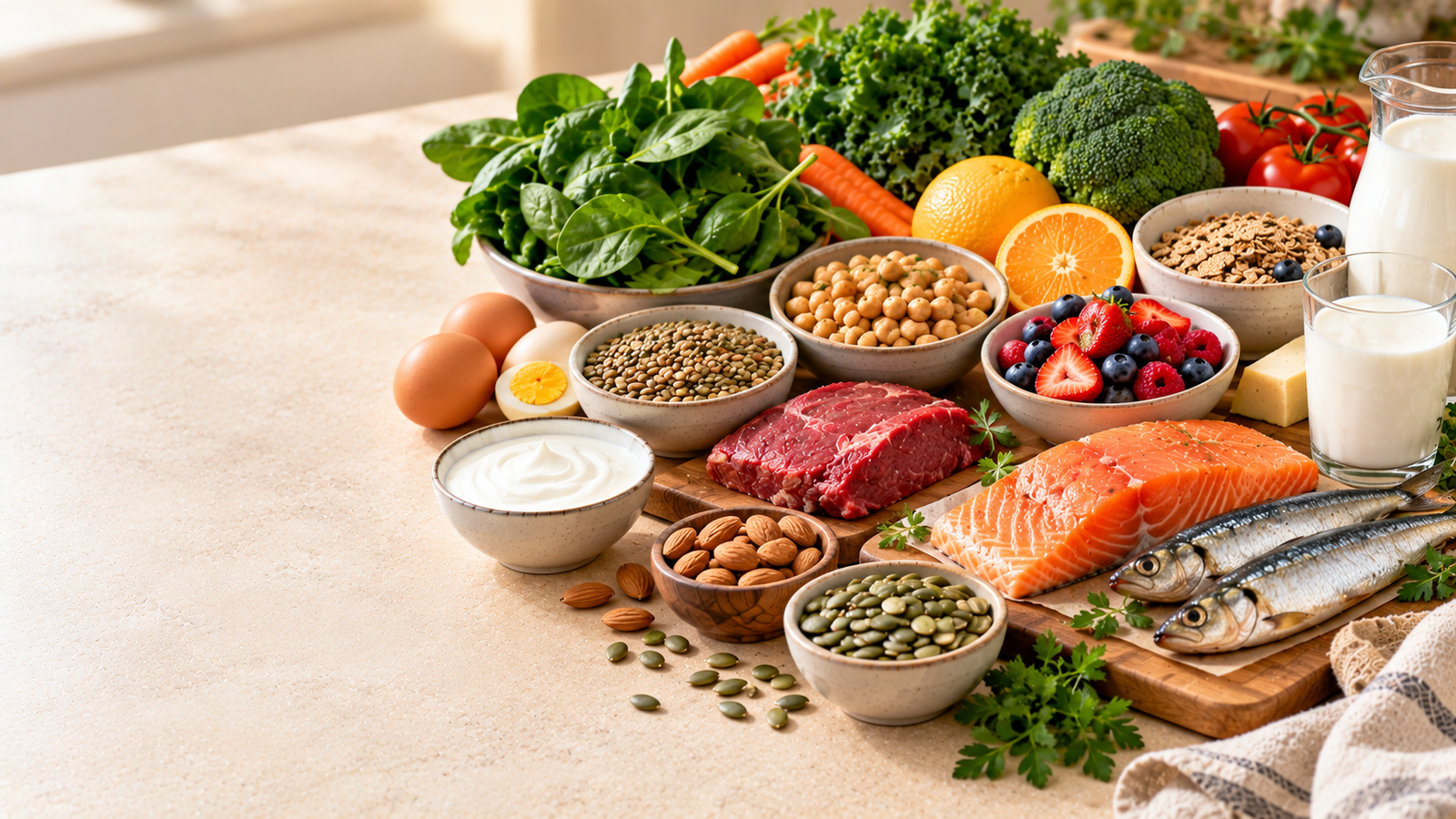
Common nutrient deficiencies and their food sources are important to understand because the body needs a variety of vitamins and minerals to support energy metabolism, healthy bones, immune function, blood production, and normal growth. When the diet does not provide enough of a particular nutrient—or the body cannot absorb or use it properly—a deficiency may develop.
The good news is that a varied diet containing vegetables, fruits, legumes, whole grains, dairy or fortified alternatives, nuts, seeds, eggs, fish, and other protein-rich foods can help prevent many nutritional deficiencies. However, some deficiencies require medical evaluation and may not be corrected through food alone.
Key Takeaways
- Iron deficiency can lead to iron-deficiency anemia and symptoms such as fatigue and weakness.
- Vitamin D and calcium are essential for maintaining healthy bones and teeth.
- Vitamin B12 and folate help support red blood cell production and normal cell function.
- Iodine is needed to produce thyroid hormones, while zinc supports immune function and wound healing.
- Vitamin C helps the body make collagen and absorb non-heme iron from plant foods.
- Magnesium and potassium support normal muscle, nerve, and other body functions.
- Symptoms alone cannot confirm a nutrient deficiency; testing and professional assessment may be needed.
- Food is the foundation of a balanced diet, but some people need supplements or fortified foods under appropriate guidance.
What Is a Nutrient Deficiency?
A nutrient deficiency occurs when the body does not receive, absorb, or use enough of an essential nutrient to meet its needs.
Nutrients include vitamins, minerals, protein, essential fatty acids, and other dietary components. A deficiency may develop because of an unbalanced diet, restricted food choices, increased nutritional needs, certain medications, digestive conditions, or problems with nutrient absorption.
Common causes of nutritional deficiencies
Some common causes include:
- Eating a limited variety of foods.
- Consuming too few nutrient-rich foods over time.
- Following a restrictive diet without suitable alternatives.
- Having increased nutritional requirements during pregnancy, growth, or certain illnesses.
- Experiencing chronic diarrhea or other digestive problems that affect absorption.
- Taking medications that interfere with the absorption or metabolism of particular nutrients.
- Having heavy menstrual bleeding, which can increase iron loss.
- Avoiding animal foods without planning reliable sources of vitamin B12.
Important: A nutrient deficiency is not always caused by poor eating habits. Some people develop deficiencies even when their diets appear balanced, especially when a medical condition affects absorption or increases nutrient loss.
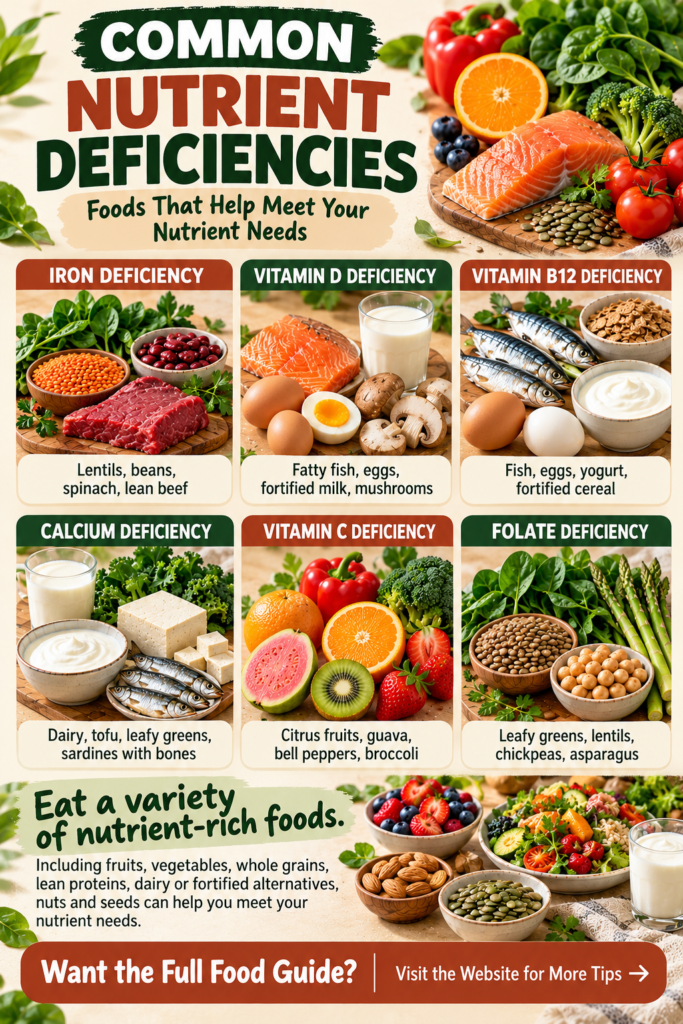
Common Nutrient Deficiencies and Their Food Sources: Quick Reference Chart
The following table summarizes common nutritional deficiencies, possible symptoms, and foods that can help supply the nutrients.
| Nutrient | Possible signs of deficiency | Food sources |
|---|---|---|
| Iron | Fatigue, weakness, pale skin | Meat, lentils, beans, tofu, fortified cereals |
| Vitamin D | Bone or muscle discomfort, muscle weakness | Oily fish, egg yolks, fortified milk or alternatives |
| Vitamin B12 | Fatigue, numbness or tingling, anemia | Fish, meat, eggs, dairy, fortified foods |
| Folate (B9) | Anemia, fatigue | Leafy greens, legumes, asparagus, fortified grains |
| Calcium | Long-term inadequate intake may weaken bones | Milk, yogurt, calcium-set tofu, fortified plant drinks |
| Vitamin C | Bleeding gums, poor wound healing | Guava, citrus fruits, peppers, tomatoes |
| Iodine | Thyroid enlargement or impaired thyroid function | Iodized salt, seafood, dairy |
| Zinc | Poor wound healing, changes in taste | Meat, shellfish, dairy, legumes, seeds |
| Magnesium | Weakness, cramps, severe cases may cause abnormal heart rhythms | Nuts, seeds, legumes, whole grains |
| Potassium | Muscle weakness, severe cases may cause abnormal heart rhythms | Potatoes, beans, lentils, bananas, leafy greens |
| Vitamin A | Night blindness, dry eyes | Carrots, sweet potatoes, spinach, eggs, dairy |
| Vitamin B1 (thiamin) | Weakness, nerve or heart problems in severe deficiency | Whole grains, legumes, pork, seeds |
| Vitamin B2 (riboflavin) | Cracks at the corners of the mouth, sore tongue | Dairy, eggs, meat, fortified cereals |
| Vitamin B6 | Skin changes, anemia, neurological symptoms in some cases | Fish, poultry, potatoes, chickpeas |
| Vitamin E | Rarely, nerve or muscle problems | Nuts, seeds, vegetable oils |
| Vitamin K | Easy bruising or excessive bleeding | Leafy greens, broccoli, vegetable oils |
These symptoms are not specific to nutrient deficiencies. Their presence does not establish a diagnosis, and the table is not a substitute for medical assessment.
1. Iron Deficiency: Best Food Sources
Iron is an essential mineral used to make hemoglobin, the protein in red blood cells that carries oxygen throughout the body. When iron stores become too low, iron-deficiency anemia may develop.
Possible signs of iron deficiency
- Persistent tiredness or low energy.
- Weakness or reduced exercise tolerance.
- Pale skin.
- Headaches or dizziness.
- Shortness of breath during activity.
- Difficulty concentrating.
Some people have low iron stores before anemia develops and may have few noticeable symptoms.
Foods high in iron

Plant sources
- Lentils and beans
- Chickpeas
- Tofu
- Pumpkin seeds
- Spinach
- Iron-fortified cereals

Animal sources
- Lean beef
- Sardines
- Other meats
- Shellfish
Iron from animal foods is generally more readily absorbed than non-heme iron from plant foods.
How to improve iron absorption
Pair plant sources of iron with foods rich in vitamin C. For example, add tomatoes or bell peppers to lentils, or serve citrus fruit with a bean-based meal.
Tea and coffee can reduce the absorption of non-heme iron when consumed with a meal. If iron deficiency is a concern, having them between meals may help.
When to seek advice: Iron deficiency can result from heavy periods, gastrointestinal bleeding, pregnancy, or other conditions. Do not assume that tiredness means you need iron supplements; excessive iron can be harmful, and the cause of a deficiency should be investigated.
2. Vitamin D Deficiency: Food Sources for Bone Health
Vitamin D helps the body absorb calcium and supports bone and muscle health. The body can produce vitamin D in the skin in response to UVB sunlight, but the amount produced varies with season, location, skin pigmentation, clothing, age, and other factors.
Possible signs of vitamin D deficiency
Vitamin D deficiency may have no obvious symptoms. When it is significant, it can contribute to:
- Bone discomfort.
- Muscle weakness.
- Reduced bone mineralization.
- Rickets in children or osteomalacia in adults.
These symptoms have other possible causes, so testing may be appropriate when deficiency is suspected.
Foods that provide vitamin D
- Salmon, trout, and other oily fish.
- Egg yolks, in modest amounts.
- Fortified milk.
- Fortified plant-based drinks.
- Fortified breakfast cereals, where available.
- Some UV-exposed mushrooms.
Natural food sources are relatively limited, so fortified foods can be particularly helpful.
Practical tips
Check product labels because vitamin D fortification varies by brand and country. People with limited sun exposure, certain medical conditions, or other risk factors may need a clinician to assess whether supplementation is appropriate.
Vitamin D Rich Foods: Best Natural and Fortified Sources
3. Vitamin B12 Deficiency: Foods That Support Red Blood Cells and Nerves
Vitamin B12 is required for normal red blood cell formation, DNA synthesis, and nervous system function. A deficiency can develop gradually, and neurological symptoms may occur even before anemia becomes obvious.
Possible signs of vitamin B12 deficiency
- Fatigue and weakness.
- A sore or smooth tongue.
- Anemia.
- Numbness or tingling in the hands and feet.
- Balance difficulties.
- Memory or concentration changes.
Untreated deficiency can cause lasting neurological problems.
Best food sources of vitamin B12
- Fish and shellfish.
- Meat and poultry.
- Eggs.
- Milk, yogurt, and cheese.
- Vitamin B12-fortified breakfast cereals.
- Fortified nutritional yeast or other fortified foods.
Most unfortified plant foods do not provide a reliable source of active vitamin B12.
Who may be at higher risk?
People following vegan diets, older adults, and individuals with certain digestive disorders or a history of gastrointestinal surgery may be at increased risk. Some medicines, including metformin and certain acid-reducing drugs, can also affect B12 status in some people.
People who avoid animal products should plan reliable fortified foods or an appropriate supplement. Suspected deficiency requires assessment because diet changes alone may not be enough.
4. Folate Deficiency: Foods Rich in Vitamin B9
Folate, also called vitamin B9, is needed for DNA synthesis, cell division, and red blood cell formation. Folate deficiency can cause megaloblastic anemia.
Possible signs of folate deficiency
- Tiredness and weakness.
- Anemia.
- A sore tongue or mouth ulcers.
- Difficulty concentrating in some cases.
Foods high in folate
- Spinach and other leafy greens.
- Lentils, chickpeas, and beans.
- Asparagus.
- Broccoli.
- Avocado.
- Oranges and other fruits.
- Fortified grain products.
Why folate matters during pregnancy
Adequate folic acid intake before conception and during early pregnancy helps reduce the risk of neural tube defects. People who could become pregnant should follow current public-health guidance on folic acid; food sources alone may not provide the recommended preventive amount.
Caution: High-dose folic acid can correct some blood abnormalities while leaving vitamin B12-related nerve damage untreated. Do not self-treat suspected anemia with high-dose folic acid without appropriate advice.
5. Calcium Deficiency and Low Calcium Intake
Calcium is essential for bones and teeth. It also plays a role in muscle contraction, nerve signaling, and blood clotting. The body maintains blood calcium within a narrow range, partly by drawing on bone stores when needed.
Possible effects of inadequate calcium intake
Low calcium intake over time can contribute to reduced bone strength and increased risk of osteoporosis. Actual low blood calcium, or hypocalcemia, is a different condition that may be caused by medical problems and can produce tingling, muscle spasms, or more serious symptoms.
Best calcium-rich foods
- Milk, yogurt, and cheese.
- Calcium-fortified plant-based drinks.
- Calcium-set tofu.
- Sardines or canned salmon with edible bones.
- Kale, bok choy, and some other leafy greens.
- Selected fortified foods.
Spinach contains calcium, but its oxalates reduce how much the body absorbs. It is therefore not as reliable a calcium source as some lower-oxalate vegetables or fortified foods.
How to get enough calcium
Include calcium-rich foods regularly rather than relying on one food. If you avoid dairy, compare fortified plant drinks and choose products with calcium levels similar to dairy milk. Shake fortified drinks before pouring if the label indicates that added minerals may settle.
6. Vitamin C Deficiency: Foods for Immune and Tissue Health
Vitamin C supports collagen production, wound healing, and iron absorption. It also acts as an antioxidant. Severe, prolonged deficiency causes scurvy, although this is uncommon where a varied diet is available.
Possible signs of vitamin C deficiency
- Bleeding or swollen gums.
- Easy bruising.
- Slow wound healing.
- Joint or muscle pain.
- Fatigue.
- Small reddish or purple skin spots in more severe cases.
Foods rich in vitamin C
- Guava.
- Oranges and other citrus fruits.
- Kiwi.
- Strawberries.
- Bell peppers.
- Broccoli.
- Tomatoes.
- Cabbage.
Guava, peppers, and many other fruits and vegetables can provide substantial vitamin C. Eat a variety rather than relying on citrus fruit alone.
How to preserve vitamin C in food
Vitamin C can be reduced by prolonged storage and cooking. Wash produce before cutting, avoid overcooking vegetables, and use steaming or brief cooking when practical. Include some raw fruits and vegetables if suitable for your needs.
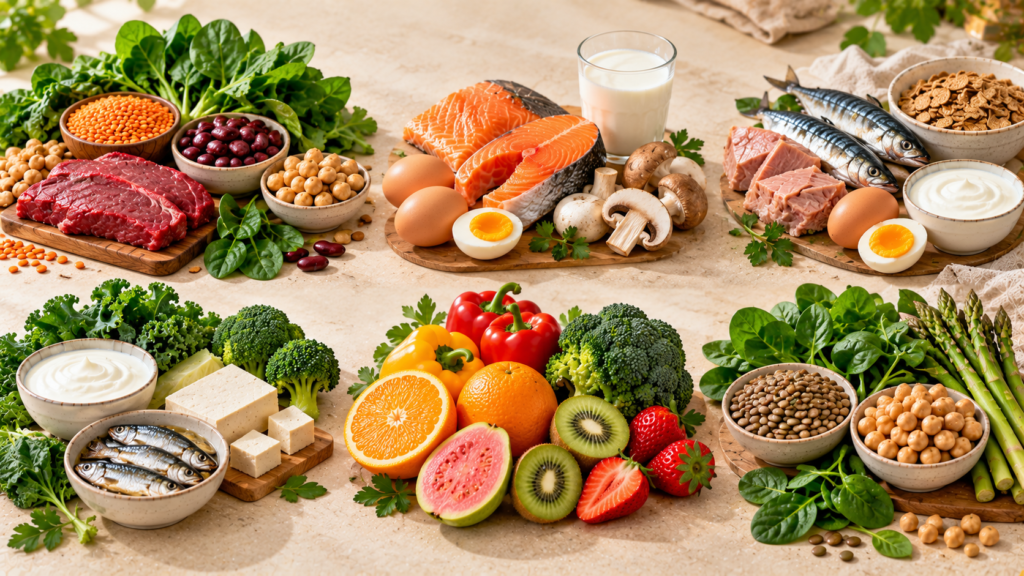
7. Iodine Deficiency: Foods That Support Thyroid Function
Iodine is needed to make thyroid hormones, which help regulate metabolism, growth, and development. Both too little and too much iodine can cause thyroid problems.
Possible signs of iodine deficiency
- Enlargement of the thyroid gland, known as a goiter.
- Impaired thyroid function.
- Developmental problems in a fetus or young child when deficiency is significant.
Symptoms vary, and thyroid problems should not automatically be attributed to iodine deficiency.
Foods that provide iodine
- Iodized salt.
- Fish and seafood.
- Milk and some other dairy products.
- Eggs.
- Certain fortified foods.
Iodine levels in dairy products and seafood vary. Seaweed can contain very high and unpredictable amounts of iodine, so it is not always a safe or consistent way to meet daily needs.
Practical advice
Where iodized salt is available, it can help prevent iodine deficiency. Use salt in moderation, however, because excess sodium increases blood pressure risk. Do not increase salt intake solely to obtain iodine, and avoid high-dose iodine supplements unless recommended by a qualified clinician.
8. Zinc Deficiency: Food Sources for Immune Function
Zinc is involved in immune function, wound healing, cell division, and normal growth. The body does not store large amounts of zinc, so a consistent dietary supply matters.
Possible signs of zinc deficiency
- Slow wound healing.
- Reduced appetite.
- Changes in taste or smell.
- Hair loss.
- Skin changes.
- Impaired growth in children.
These signs can have many causes and are not enough to diagnose a deficiency.
Best food sources of zinc
- Meat and shellfish.
- Dairy products.
- Eggs.
- Beans and lentils.
- Chickpeas.
- Pumpkin seeds.
- Nuts and whole grains.
Zinc from animal foods is generally more bioavailable. Phytates in some grains and legumes can reduce zinc absorption, but soaking, sprouting, fermenting, and eating a varied diet can help improve overall nutrient availability.
Supplement warning: Excessive zinc supplementation can interfere with copper absorption and may cause copper deficiency. Avoid prolonged high-dose use without professional guidance.
9. Magnesium Deficiency: Foods for Muscles and Nerves
Magnesium helps regulate muscle and nerve function, blood glucose, blood pressure, and many enzyme reactions. Severe magnesium deficiency can cause serious complications, including abnormal heart rhythms.
Possible signs of magnesium deficiency
- Loss of appetite.
- Nausea or fatigue.
- Muscle cramps or weakness.
- Tingling or numbness.
- In severe cases, muscle spasms, seizures, or abnormal heart rhythms.
Mild dietary inadequacy may cause no clear symptoms. Severe deficiency is more likely with certain illnesses, prolonged diarrhea, heavy alcohol use, or some medicines.
Magnesium-rich foods
- Pumpkin seeds.
- Almonds and other nuts.
- Beans and lentils.
- Whole grains.
- Spinach and other leafy greens.
- Some dairy products.
Simple ways to increase magnesium intake
Choose oats or whole-grain bread more often, add beans to soups and salads, and use nuts or seeds as a snack or topping. People with kidney disease should consult a clinician before taking magnesium supplements because the body may not clear excess magnesium effectively.
10. Potassium Deficiency: Foods That Support Muscle and Nerve Function
Potassium is an electrolyte that supports muscle contraction, nerve signaling, and normal fluid balance. Low blood potassium is called hypokalemia and can be caused by vomiting, diarrhea, some medicines, or medical conditions—not just a low-potassium diet.
Possible signs of low potassium
- Muscle weakness.
- Cramps.
- Constipation.
- Fatigue.
- In more serious cases, irregular heart rhythms.
Significant hypokalemia can be dangerous and needs medical treatment.
Foods rich in potassium
- Potatoes and sweet potatoes.
- Beans and lentils.
- Tomatoes.
- Spinach and other leafy greens.
- Bananas.
- Yogurt.
- Avocados.
- Dried fruits, in appropriate portions.
Eating potassium-rich foods is beneficial for many people, but those with kidney disease or taking certain medicines may need to limit potassium. Do not use potassium supplements or potassium-based salt substitutes without medical advice if you have these risk factors.
11. Vitamin A Deficiency: Foods for Vision and Immune Health
Vitamin A supports vision, normal immune function, growth, and the health of skin and other tissues. Severe deficiency can impair vision, particularly in low light.
Possible signs of vitamin A deficiency
- Difficulty seeing in dim light, sometimes called night blindness.
- Dry eyes.
- Increased vulnerability to some infections.
Vitamin A deficiency is more likely in certain populations with limited food access or conditions that impair fat absorption.
Foods that provide vitamin A
- Sweet potatoes.
- Carrots.
- Pumpkin.
- Spinach.
- Other dark-green leafy vegetables.
- Eggs.
- Dairy products.
- Liver, which contains very high amounts.
Orange and dark-green vegetables provide beta-carotene, which the body can convert into vitamin A. Conversion varies between individuals.
Important: Avoid high-dose vitamin A supplements unless medically indicated. Excess preformed vitamin A can be toxic, and high intakes during pregnancy can harm fetal development. Liver is also very high in preformed vitamin A and may need to be avoided during pregnancy according to local guidance.
12. Other B-Vitamin Deficiencies
Several B vitamins help the body release energy from food, support cell function, and maintain the nervous system. They are found in a variety of foods, so eating a diverse diet is generally more useful than focusing on a single B vitamin.
Vitamin B1 (thiamin)
Thiamin supports energy metabolism and normal nerve function.
Food sources: Whole grains, pork, legumes, seeds, and fortified cereals.
Severe deficiency can cause beriberi or neurological complications, particularly in people with significant malnutrition or chronic heavy alcohol use.
Vitamin B2 (riboflavin)
Riboflavin helps enzymes carry out energy-related processes.
Food sources: Milk, yogurt, eggs, meat, almonds, and fortified cereals.
Possible deficiency signs include cracks at the corners of the mouth, a sore tongue, and certain skin changes.
Vitamin B6
Vitamin B6 supports protein metabolism, neurotransmitter production, and red blood cell formation.
Food sources: Poultry, fish, chickpeas, potatoes, bananas, and fortified cereals.
Deficiency can contribute to anemia, skin changes, or neurological symptoms, although isolated deficiency is relatively uncommon.
How to support B-vitamin intake
Eat a mixture of whole grains, legumes, vegetables, fruit, eggs, dairy or fortified alternatives, and suitable protein sources. Vitamin B12 needs particular attention in vegan diets because ordinary plant foods are not reliable sources unless fortified.
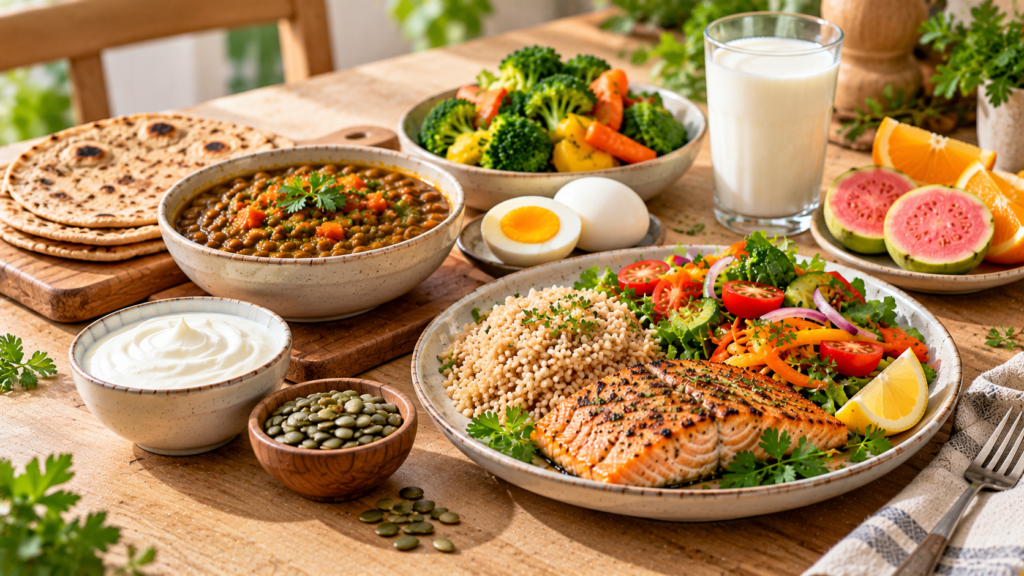
13. How to Recognize a Possible Nutrient Deficiency
Nutrient deficiency symptoms can be subtle. Tiredness, hair loss, muscle cramps, poor concentration, and skin changes can occur with nutritional problems, but they can also result from sleep issues, stress, infections, hormonal changes, medication effects, or other medical conditions.
Signs that deserve attention
Consider seeking professional advice if you experience:
- Persistent fatigue or weakness without an obvious explanation.
- Unusual shortness of breath or reduced exercise tolerance.
- Numbness, tingling, or balance problems.
- Recurrent mouth sores or a sore tongue.
- Slow wound healing.
- Unexplained changes in vision.
- Persistent digestive symptoms or unexplained weight loss.
- Heavy menstrual bleeding or signs of blood loss.
Sudden severe weakness, chest pain, fainting, significant shortness of breath, or a new neurological problem requires urgent medical assessment.
How nutrient deficiencies are diagnosed
A healthcare professional may review your diet, symptoms, medications, health history, and risk factors. Depending on the situation, they may recommend tests such as:
- A complete blood count (CBC).
- Ferritin and other iron studies.
- Vitamin B12 and folate tests.
- A blood test for 25-hydroxyvitamin D.
- Electrolyte measurements, including potassium or magnesium, when indicated.
- Thyroid testing or other investigations based on symptoms.
Not everyone needs every test. The appropriate evaluation depends on the suspected deficiency and the individual’s health.
NIH Office of Dietary Supplements: Vitamin and Mineral Fact Sheets
14. How to Prevent Common Nutrient Deficiencies Through Food
A balanced diet is one of the most practical ways to lower the risk of nutrient deficiencies. You do not need to eat every nutrient-rich food every day; aim for variety across meals and over time.
Build meals around a variety of food groups
A useful starting point is to fill about half your plate with vegetables and fruit, one quarter with protein-rich foods, and one quarter with whole grains or other starchy foods. Adjust the proportions to your energy needs, culture, age, and medical circumstances.
Include:
- Vegetables and fruit: Different colors provide different vitamins, minerals, and other beneficial compounds.
- Whole grains: Oats, brown rice, whole-wheat bread, and similar foods provide fiber and several B vitamins and minerals.
- Protein foods: Beans, lentils, eggs, fish, poultry, tofu, nuts, seeds, and meat can contribute different nutrients.
- Calcium-rich foods: Dairy products or appropriately fortified alternatives can support calcium intake.
- Healthy fats: Nuts, seeds, olive or other unsaturated oils, and oily fish help provide essential fats and support absorption of fat-soluble vitamins.
- Water: Maintain regular fluid intake according to your needs and circumstances.
Choose fortified foods strategically
Fortified foods can help fill nutritional gaps, especially when certain foods are limited or unavailable.
Examples include:
- Vitamin D-fortified milk or plant-based drinks.
- Vitamin B12-fortified breakfast cereals or nutritional yeast.
- Iron-fortified cereals and other grain products.
- Folic-acid-fortified grain products.
- Calcium-fortified plant-based drinks.
Read the nutrition label because fortification varies widely. A product marketed as healthy is not necessarily a meaningful source of the nutrient you need.
Improve the nutritional value of everyday meals
Small changes can make meals more nutrient-dense:
- Add lentils or beans to soups, stews, and rice dishes.
- Pair iron-rich plant foods with tomatoes, peppers, or fruit rich in vitamin C.
- Add seeds or nuts to oatmeal, yogurt, or salads.
- Include leafy greens in curries, omelets, or sandwiches.
- Choose whole grains more often.
- Include reliable sources of vitamin B12 if you avoid animal foods.
- Use iodized salt in moderation where appropriate and available.
How to Get More Nutrients From Your Everyday Diet
15. A Simple One-Day Menu Featuring Nutrient-Rich Foods
This sample menu shows how to include a range of nutrients using everyday foods. It is an example, not a personalized diet plan; portion sizes and food choices should be adapted to individual needs, preferences, allergies, budget, and medical advice.
| Meal | Example | Nutrients it can contribute |
|---|---|---|
| Breakfast | Oatmeal with milk or fortified plant drink, nuts, and fruit | Fiber, magnesium, calcium if fortified, and B vitamins |
| Morning snack | Guava, orange, or another fruit | Vitamin C and other micronutrients |
| Lunch | Lentil curry, brown rice or whole-wheat roti, and tomato-pepper salad | Iron, folate, magnesium, fiber, and vitamin C |
| Afternoon snack | Plain yogurt or a fortified alternative | Calcium and protein; B12 if the product provides it |
| Dinner | Grilled fish, tofu, or beans with potatoes and vegetables | Protein, potassium, and several vitamins and minerals; vitamin D and B12 depend on the chosen food |
| Optional snack | Pumpkin seeds or a small handful of nuts | Magnesium, zinc, and healthy fats |
A menu can provide many important nutrients without guaranteeing that every individual need is met. Total intake depends on portions, product fortification, food choices, and personal requirements.
16. Should You Take Supplements for Nutrient Deficiencies?
Supplements can be helpful when a deficiency is confirmed or when a person has a recognized risk that makes additional intake necessary. However, supplements should not automatically replace a balanced diet or be taken in high doses without a clear reason.
When supplements may be appropriate
A clinician may recommend supplementation for situations such as:
- Confirmed iron deficiency.
- Vitamin B12 needs in people following vegan diets or with absorption problems.
- Vitamin D deficiency or certain established risk factors.
- Folic acid before and during early pregnancy, according to public-health guidance.
- Other deficiencies linked to specific medical conditions.
The type, dose, and duration depend on the nutrient, the severity of the deficiency, and the underlying cause.
Why self-prescribing can be risky
- Too much iron can be harmful.
- Excess vitamin A can cause toxicity.
- Excess zinc can cause copper deficiency.
- High doses of vitamin D can raise blood calcium to dangerous levels.
- Potassium or magnesium supplements can be risky for people with certain kidney problems or medications.
- Supplements can interact with prescription medicines.
Best practice: If you suspect a deficiency, seek appropriate assessment before starting high-dose supplements. Treatment may require both replacing the nutrient and addressing the reason it became low.
Frequently Asked Questions
1. What are the most common nutrient deficiencies?
Commonly encountered deficiencies include iron, vitamin D, vitamin B12, and folate deficiencies. Inadequate calcium, iodine, zinc, and other nutrients can also be a concern, depending on a person’s diet, health, and location.
2. What foods help with multiple nutrient deficiencies?
Beans, lentils, eggs, leafy greens, nuts, seeds, whole grains, dairy or fortified alternatives, fish, and a variety of fruits and vegetables provide different combinations of vitamins and minerals. No single food supplies every essential nutrient in sufficient amounts.
3. What are the signs of vitamin or mineral deficiency?
Possible signs include fatigue, weakness, pale skin, mouth changes, poor wound healing, or numbness and tingling. These symptoms have many potential causes, so medical evaluation may be needed to identify the underlying problem.
4. Can a balanced diet correct nutrient deficiencies?
A balanced diet can prevent many deficiencies and may improve some cases of inadequate intake. However, a diagnosed deficiency may require targeted supplementation, treatment of an underlying condition, or other medical care.
5. Which foods are best for iron deficiency?
Iron-rich foods include meat, shellfish, lentils, beans, tofu, pumpkin seeds, and iron-fortified cereals. Pair plant-based iron sources with vitamin C-rich foods to improve absorption. Confirmed iron-deficiency anemia should be evaluated and treated with professional guidance.
6. How can vegetarians and vegans prevent nutrient deficiencies?
Plan meals around legumes, whole grains, nuts, seeds, vegetables, fruits, and fortified foods. Pay particular attention to vitamin B12, and assess iron, calcium, vitamin D, iodine, zinc, and omega-3 intake according to individual needs. Vegan diets generally require a reliable fortified source of B12 or an appropriate supplement.
7. How long does it take to correct a nutrient deficiency?
It depends on the nutrient, the severity of the deficiency, the treatment, and whether the underlying cause is addressed. Some measures improve nutrient intake quickly, but restoring body stores or recovering from complications can take weeks or months. Follow-up testing may be recommended.
8. Can you have a nutrient deficiency while eating a healthy diet?
Yes. Conditions that affect absorption, certain medications, blood loss, increased nutritional needs, or other medical issues can lead to deficiencies even when a person’s diet seems balanced.
9. Are supplements better than food for correcting deficiencies?
Not necessarily. Food provides a range of nutrients and other beneficial components, while supplements can deliver specific nutrients in measured amounts when needed. The right approach depends on the deficiency and should be guided by reliable clinical advice.
10. When should you get tested for a nutrient deficiency?
Consider speaking with a healthcare professional if symptoms persist, you have a restricted diet or a condition affecting absorption, or you have risk factors such as heavy menstrual bleeding. Testing should be selected according to symptoms and medical history rather than ordering every nutrient test routinely.
Conclusion: Make Nutrient-Rich Foods Part of Your Everyday Diet
Understanding common nutrient deficiencies and their food sources can help you make informed choices about everyday meals. Iron-rich legumes and meats, vitamin D sources such as oily fish and fortified foods, vitamin B12-rich animal or fortified foods, calcium-rich options, and a variety of vegetables and fruits all contribute to a balanced eating pattern.
The most practical strategy is to eat a diverse range of foods, choose fortified products when useful, and plan carefully if you avoid entire food groups. Pay attention to persistent symptoms, but do not rely on symptoms alone to diagnose a deficiency or begin high-dose supplements without guidance.
A varied diet is a strong foundation for good nutrition—but suspected deficiencies deserve the right assessment and treatment.
1 thought on “Common Nutrient Deficiencies and Their Food Sources”