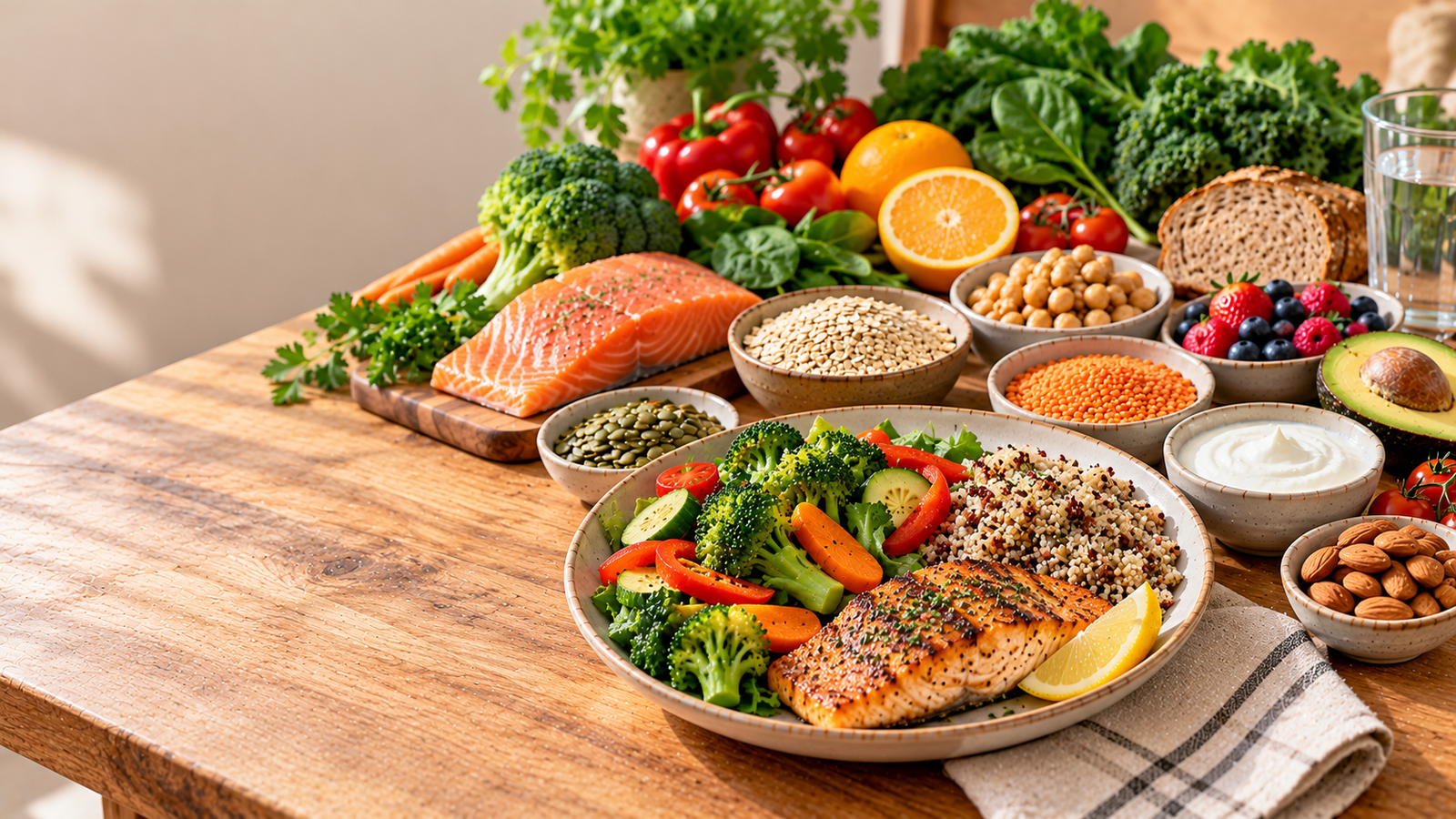
The best nutrient-dense foods for everyday meals provide a useful combination of vitamins, minerals, protein, fiber, healthy fats, and other essential nutrients. Including these foods regularly can help you build a balanced eating pattern without depending on expensive ingredients, complicated recipes, or restrictive diets.
Many everyday foods are naturally nutrient-dense. Lentils, beans, eggs, leafy greens, seasonal fruit, oats, plain yogurt, nuts, seeds, and whole grains can all contribute valuable nutrients. Fish, tofu, and fortified foods offer additional options for people with different preferences and dietary needs.
The key is to combine foods from different groups. No single food supplies everything your body needs, and the healthiest everyday meal is one that fits your nutritional requirements, budget, culture, and routine.
Key Takeaways
- Nutrient-dense foods provide valuable nutrients relative to their energy content.
- Vegetables, fruits, beans, lentils, eggs, fish, dairy or fortified alternatives, nuts, seeds, and whole grains all offer different benefits.
- Affordable staples can be just as useful as expensive specialty foods.
- Combining food groups makes it easier to create balanced, satisfying meals.
- Fresh, frozen, and canned ingredients can all fit into a nutritious eating pattern.
- Consistency and variety matter more than eating one particular “superfood.”
What Are Nutrient-Dense Foods?
Nutrient-dense foods provide meaningful amounts of nutrients compared with the energy they contain. Depending on the food, these nutrients may include protein, fiber, vitamins, minerals, and unsaturated fats.
For example, leafy greens provide folate and vitamin K, lentils provide fiber and plant protein, eggs supply protein and choline, and oily fish provides protein and omega-3 fatty acids.
Nutrient density does not mean a food must be low in calories. Nuts, seeds, avocado, and oily fish can be energy-rich while still supplying important nutrients.
A nutritious eating pattern generally includes a variety of:
- Vegetables and fruits for fiber, vitamins, minerals, and beneficial plant compounds.
- Protein foods such as beans, lentils, eggs, fish, poultry, tofu, and yogurt.
- Whole grains for carbohydrates, fiber, and B vitamins.
- Dairy or suitable fortified alternatives for nutrients such as calcium and, in some products, vitamin D and vitamin B12.
- Nuts and seeds for unsaturated fats, fiber, and minerals.
The best foods for you depend on your individual needs, preferences, and availability.
Explore the Harvard T.H. Chan School of Public Health’s Healthy Eating Plate guide
20 Best Nutrient-Dense Foods for Everyday Meals
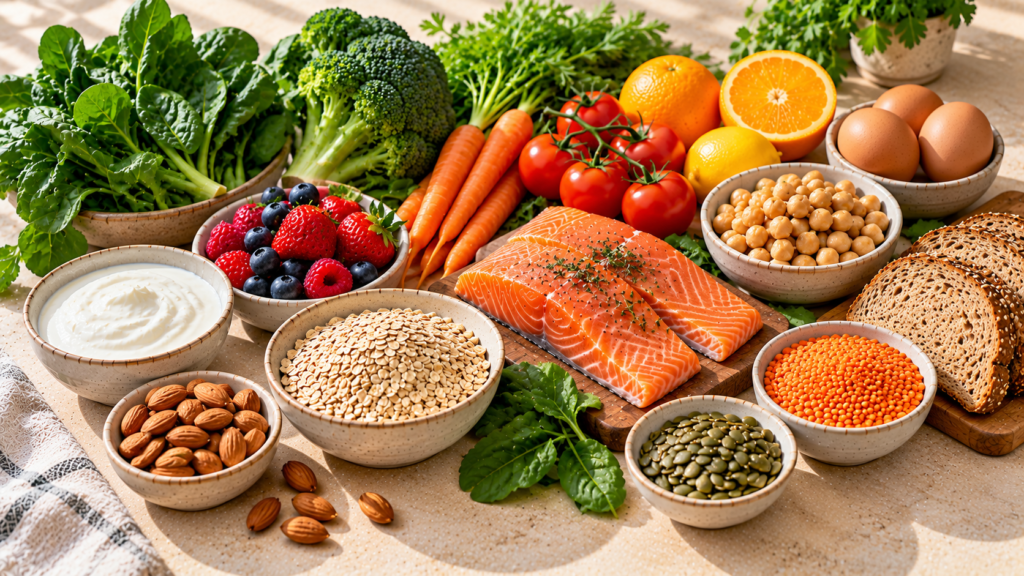
These foods offer a practical mix of nutrients and can be included in breakfast, lunch, dinner, or snacks. You do not need to eat every food daily; rotating options throughout the week is a sensible way to increase variety.
1. Leafy Green Vegetables
Spinach, kale, and other leafy greens provide folate, vitamin K, carotenoids, and other nutrients. Depending on the variety, they may also contribute vitamin C, calcium, and fiber.
Easy ways to eat them:
- Stir chopped greens into lentils, soups, or curries.
- Add leafy greens to omelets and sandwiches.
- Serve cooked greens alongside beans, fish, or whole grains.
Spinach contains oxalates that reduce calcium absorption, so include a variety of vegetables rather than relying on spinach as your main calcium source.
2. Eggs
Eggs provide high-quality protein, choline, vitamin B12, and other nutrients. Both the yolk and white contribute protein, while the yolk supplies most of the egg’s choline.
Try boiled eggs with whole-wheat toast, an omelet with vegetables, or chopped eggs in a salad.
3. Oats
Oats supply carbohydrates, fiber, and several B vitamins and minerals. Their beta-glucan, a type of soluble fiber, can help lower LDL cholesterol when eaten regularly as part of an appropriate diet.
Use oats for porridge, overnight oats, or homemade savory dishes. Pair them with yogurt, fruit, nuts, or seeds for a more varied meal.
4. Lentils
Lentils are an affordable source of plant protein, fiber, folate, and iron. They are especially useful because they can be stored dry and used in many recipes.
Enjoy lentils as dal, soup, stew, or salad. Pairing them with vitamin C-rich foods, such as tomatoes, citrus fruit, or bell peppers, helps the body absorb non-heme iron from plant foods.
5. Beans and Chickpeas
Beans and chickpeas supply protein, fiber, folate, and minerals such as iron and magnesium.
Add chickpeas to salads, prepare hummus, or use kidney beans and other beans in soups and curries. Canned varieties are convenient; draining and rinsing them can reduce some of their sodium.
6. Berries
Strawberries, blueberries, raspberries, and other berries provide fiber, vitamin C, and a range of plant compounds.
Add berries to oats, plain yogurt, or smoothies, or eat them as a snack. Frozen unsweetened berries are useful when fresh fruit is expensive or unavailable.
7. Citrus Fruits
Oranges, mandarins, and other citrus fruits are useful sources of vitamin C. This vitamin supports collagen formation and helps the body absorb iron from plant foods.
Whole fruit is generally a better everyday choice than juice because it provides more fiber and is usually more filling.
8. Broccoli and Other Cruciferous Vegetables
Broccoli, cauliflower, and cabbage provide fiber, vitamin C, folate, and other nutrients.
Steam, roast, or stir-fry these vegetables, or add them to soups and rice dishes. Choose preparation methods that preserve a texture and flavor you enjoy.
9. Carrots and Sweet Potatoes
Carrots and orange-fleshed sweet potatoes provide beta-carotene, which the body can convert into vitamin A. Vitamin A is important for normal vision, immune function, and cell growth.
Roast sweet potatoes, add carrots to soups, or serve them as part of a mixed vegetable dish. Eating these vegetables with a little fat can help the body absorb carotenoids.
10. Oily Fish
Salmon, sardines, and trout provide protein and varying amounts of omega-3 fatty acids. Some fish also supply vitamin D and vitamin B12.
Bake or grill fish and serve it with vegetables and whole grains. Canned sardines are a convenient option, and sardines with edible bones also provide calcium.
11. Plain Yogurt
Plain yogurt provides protein, calcium, and vitamin B12. Some varieties contain live cultures, depending on how they are made and processed.
Enjoy yogurt with fruit, oats, or seeds. If you avoid dairy, check whether your chosen plant-based alternative is fortified with calcium and vitamin B12.
12. Nuts
Almonds, walnuts, pistachios, and other nuts supply unsaturated fats, fiber, protein, and different vitamins and minerals.
Add a small handful to breakfast, salads, or snacks. Nuts are energy-dense, so serving size can matter if you are monitoring your overall energy intake. Choose unsalted options when practical.
13. Seeds
Chia seeds, pumpkin seeds, sesame seeds, and flaxseeds provide different combinations of fiber, healthy fats, protein, and minerals.
- Chia seeds provide fiber and the plant omega-3 fat alpha-linolenic acid.
- Pumpkin seeds contribute magnesium and zinc.
- Sesame seeds provide minerals, including calcium.
- Ground flaxseed provides fiber and alpha-linolenic acid.
Sprinkle seeds on oats, yogurt, salads, or cooked vegetables.
14. Whole Grains
Oats, brown rice, barley, whole-wheat bread, and whole-wheat roti can provide fiber, carbohydrates, B vitamins, and minerals.
Whole grains generally retain more of the grain’s natural components than refined grains. You can start by replacing some refined grains with whole-grain alternatives rather than changing every staple at once.
15. Tomatoes
Tomatoes supply vitamin C, potassium, and the carotenoid lycopene. Both fresh and cooked tomatoes can contribute to a nutritious eating pattern.
Use tomatoes in salads, curries, soups, sauces, and egg dishes. Cooking can increase the availability of lycopene in some preparations.
16. Bell Peppers
Red, yellow, and green bell peppers supply vitamin C and other plant compounds. Red peppers are often particularly rich in vitamin C.
Add sliced peppers to salads, omelets, sandwiches, or stir-fries. They can also add color and flavor to everyday meals without complicated preparation.
17. Avocado
Avocado provides monounsaturated fats, fiber, and potassium. It can add a creamy texture to meals while contributing unsaturated fats.
Use avocado in sandwiches, salads, and grain bowls. It is optional; nuts, seeds, and suitable cooking oils can also supply unsaturated fats.
18. Lean Poultry
Chicken and turkey provide protein and several B vitamins. The amount of iron and zinc varies by cut, with dark meat generally containing more than breast meat.
Bake, grill, or stew poultry, and pair it with vegetables and a carbohydrate source such as brown rice, potatoes, or whole-wheat roti.
19. Tofu and Other Soy Foods
Tofu provides plant protein and may supply iron and other minerals. Calcium-set tofu can also be a substantial source of calcium, although the amount depends on how it is made.
Add tofu to stir-fries, soups, and curries. Soy milk can be another useful option, particularly when fortified with calcium and vitamins B12 and D.
20. Milk or Fortified Alternatives
Milk provides protein, calcium, and vitamin B12, and some products are fortified with vitamin D. Fortified soy milk can provide a similar amount of protein to cow’s milk, while other plant drinks may contain substantially less protein.
Check labels for protein, calcium, vitamin B12, vitamin D, and added sugar when comparing products.
Nutrient-Dense Foods Chart: What Each Food Offers
| Food | Key nutrients commonly provided | Easy meal idea |
|---|---|---|
| Leafy greens | Folate, vitamin K, carotenoids | Add to dal or soups |
| Eggs | Protein, choline, vitamin B12 | Vegetable omelet |
| Oats | Fiber, beta-glucan, B vitamins | Porridge with fruit |
| Lentils | Protein, fiber, folate, iron | Dal or lentil soup |
| Chickpeas | Protein, fiber, folate | Chickpea salad |
| Berries | Fiber, vitamin C, plant compounds | Add to yogurt |
| Citrus fruit | Vitamin C | Whole-fruit snack |
| Broccoli | Fiber, vitamin C, folate | Vegetable side dish |
| Sweet potatoes | Carbohydrates, beta-carotene | Roasted sweet potato |
| Oily fish | Protein, omega-3 fats | Baked fish with vegetables |
| Plain yogurt | Protein, calcium, vitamin B12 | Yogurt and fruit bowl |
| Nuts | Unsaturated fats, fiber, minerals | Small handful as a snack |
| Seeds | Fiber, healthy fats, minerals | Sprinkle over oats |
| Whole grains | Fiber, carbohydrates, B vitamins | Whole-wheat roti or brown rice |
| Tomatoes | Vitamin C, potassium, lycopene | Salad or curry |
| Bell peppers | Vitamin C, plant compounds | Add to stir-fries |
| Avocado | Unsaturated fats, fiber, potassium | Grain bowl |
| Poultry | Protein, B vitamins | Chicken and vegetable meal |
| Tofu | Protein, iron; calcium in some types | Tofu and vegetable stir-fry |
| Milk or fortified alternatives | Calcium, protein; other nutrients vary | Breakfast or snack |
Nutrient amounts depend on the specific food, serving size, preparation, and fortification. This table shows common nutrient contributions rather than guaranteed quantities.
How to Build Balanced Everyday Meals
Knowing which foods are nutritious is useful, but combining them into practical meals makes healthy eating easier to maintain.
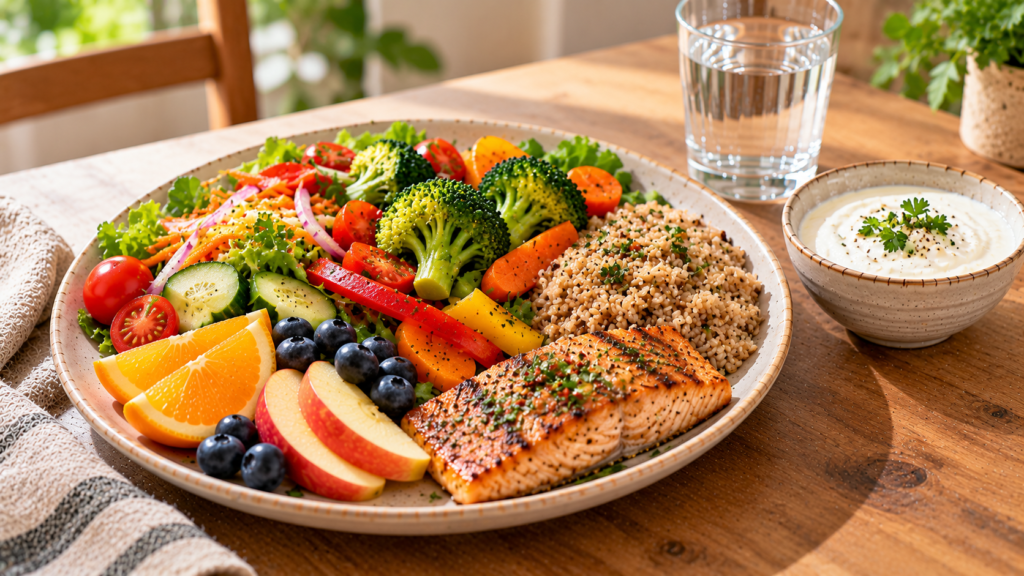
A simple approach is to include vegetables and fruits, a protein source, and a grain or other carbohydrate. Add appropriate amounts of healthy fats and water. The exact portions should suit your appetite, activity, age, and health needs.
Breakfast Ideas
- Oats with plain yogurt, fruit, and chia seeds
- Eggs with whole-wheat toast and tomatoes
- Whole-wheat roti with an omelet and vegetables
- Fortified soy milk with oats and fruit
Lunch Ideas
- Dal with whole-wheat roti and seasonal vegetables
- Chickpea salad with tomatoes, peppers, and whole-grain bread
- Brown rice with beans and mixed vegetables
- Tofu stir-fry with broccoli and rice
Dinner Ideas
- Grilled fish with vegetables and potatoes
- Chicken with brown rice and a mixed salad
- Lentil curry with vegetables and whole-wheat roti
- Tofu with stir-fried vegetables and whole grains
Snack Ideas
- Fruit with a small handful of nuts
- Plain yogurt with seeds
- Cucumber and carrot sticks with hummus
- A boiled egg with fruit
These are flexible examples, not a strict meal plan. Choose portions that suit your needs and preferences.
How to Build a Balanced Plate for Healthy Eating
Affordable Nutrient-Dense Foods for Everyday Eating
Eating nutritious meals does not require expensive imported foods or specialty powders. Many affordable staples provide useful nutrients and can be prepared in different ways.
- Lentils and chickpeas: Provide plant protein, fiber, folate, and minerals.
- Eggs: Supply protein, choline, and vitamin B12.
- Seasonal vegetables: Offer different vitamins, minerals, and fiber.
- Oats and whole-wheat roti: Provide energy and, depending on the grain, useful amounts of fiber.
- Beans: Supply protein, fiber, and minerals.
- Plain yogurt: Contributes protein and calcium.
- Peanuts and seeds: Provide unsaturated fats, protein, and selected minerals.
- Frozen vegetables: Offer a convenient way to include vegetables while reducing waste.
In Pakistan, meals built around dal, seasonal sabzi, chickpeas, eggs, whole-wheat roti, yogurt, and seasonal fruit can provide a varied range of nutrients. The nutritional value of each meal depends on its ingredients, portions, and preparation.
Fresh, Frozen, or Canned: Which Should You Choose?
Fresh produce is excellent, but frozen and canned foods can also be nutritious. Frozen vegetables often retain many nutrients, while canned beans and fish can be convenient sources of protein and minerals.
When shopping:
- Compare sodium levels and choose lower-sodium products when practical.
- Choose fruit packed in water or juice rather than heavy syrup when possible.
- Check whether plant-based drinks and breakfast cereals are fortified.
- Consider price, storage, convenience, and how likely you are to use the food.
- Reduce waste by planning several meals around overlapping ingredients.

How to Choose Nutrient-Dense Foods for Your Specific Needs
Different people have different nutritional requirements. Instead of copying another person’s diet, use these principles to choose foods that fit your circumstances.
If You Want More Fiber
Choose beans, lentils, oats, whole grains, vegetables, fruits, nuts, and seeds. Increase fiber gradually and drink enough fluid unless you have been given specific fluid restrictions.
If You Want More Protein
Include eggs, fish, poultry, yogurt, tofu, beans, lentils, and other suitable protein sources. People following vegetarian or vegan diets can meet protein needs through varied plant foods, with appropriate planning.
If You Want More Iron
Lentils, beans, tofu, meat, and some fortified cereals can contribute iron. Vitamin C-rich foods such as citrus fruit, tomatoes, and bell peppers help the body absorb non-heme iron from plant foods.
If you have diagnosed iron deficiency, dietary changes may support your intake but may not be sufficient treatment on their own.
If You Want More Calcium
Dairy products, calcium-fortified plant drinks, calcium-set tofu, and selected leafy greens can help. Calcium content varies considerably, so check product labels.
If You Follow a Vegetarian or Vegan Diet
Build meals around beans, lentils, chickpeas, tofu, whole grains, vegetables, fruits, nuts, and seeds. If you are vegan, pay particular attention to vitamin B12 and obtain it through reliable fortified foods or supplements as appropriate. Iron, calcium, iodine, vitamin D, and omega-3 intake may also deserve attention.
Common Mistakes When Choosing Nutrient-Dense Foods
Avoid these common mistakes when improving your everyday meals:
- Relying on a single superfood. Variety is more useful than expecting one ingredient to supply every nutrient.
- Assuming expensive foods are always healthier. Lentils, eggs, oats, beans, and seasonal vegetables can be highly nutritious.
- Ignoring preparation methods. Added salt, sugar, or excessive amounts of some ingredients can change the overall nutritional profile.
- Avoiding food groups without a plan. Restrictive diets may create nutritional gaps if suitable alternatives are not included.
- Assuming natural always means healthier. The overall nutrient profile and role of a food in your diet matter more than marketing claims.
- Using supplements as a replacement for meals. Supplements may be useful in specific circumstances, but they do not replace the full range of nutrients provided by a varied diet.
- Expecting immediate results. The benefits of healthy eating come from an overall pattern maintained over time.
Frequently Asked Questions
1. What are the best nutrient-dense foods for everyday meals?
Leafy greens, lentils, beans, eggs, oily fish, plain yogurt, oats, whole grains, fruits, nuts, and seeds are useful choices. Combining different food groups helps provide a wider range of nutrients.
2. What is the most nutrient-dense food?
There is no single best food for everyone. Leafy greens, oily fish, eggs, legumes, and seeds offer different nutritional benefits. A varied diet is more useful than relying on one food.
3. Which nutrient-dense foods are best on a budget?
Lentils, chickpeas, beans, eggs, oats, seasonal vegetables, whole-wheat roti, peanuts, and frozen vegetables are practical choices. Select foods that fit your budget and can be included consistently.
4. Can I get enough nutrients from food without supplements?
Many people can meet their nutritional needs through a varied diet. However, some people may need supplements because of a diagnosed deficiency, dietary restrictions, medical conditions, or other individual factors.
5. Are frozen vegetables as nutritious as fresh vegetables?
Frozen vegetables can retain many of their nutrients and are a useful option. Nutrient content varies with the vegetable, storage, and preparation, but frozen produce can absolutely be part of a healthy diet.
6. Which nutrient-dense foods are good sources of protein?
Eggs, fish, poultry, yogurt, tofu, beans, chickpeas, and lentils provide protein. Nuts and seeds also contribute protein, alongside healthy fats and other nutrients.
7. What are the best nutrient-dense foods for vegetarians?
Lentils, chickpeas, beans, tofu, nuts, seeds, whole grains, vegetables, and fruits can form a nutritious vegetarian diet. People who eat eggs and dairy can include those foods as well. Vegans need a reliable source of vitamin B12.
8. How can I add more nutrient-dense foods to my daily meals?
Start with one or two manageable changes, such as adding vegetables to lunch, including beans or eggs in a meal, choosing whole grains more often, or adding fruit and nuts to breakfast. Gradual changes are easier to sustain.
Conclusion
The best nutrient-dense foods for everyday meals are not necessarily expensive or complicated. Leafy greens, fruits, lentils, beans, eggs, fish, yogurt, whole grains, nuts, and seeds each contribute different nutrients that support normal body functions.
Start with familiar foods, combine different food groups, and vary your choices throughout the week. You do not need to eat every food on this list or follow a perfect meal plan. A practical, varied eating pattern that fits your needs and budget is a more sustainable approach to healthy eating.
3 thoughts on “Best Nutrient-Dense Foods for Everyday Meals”