
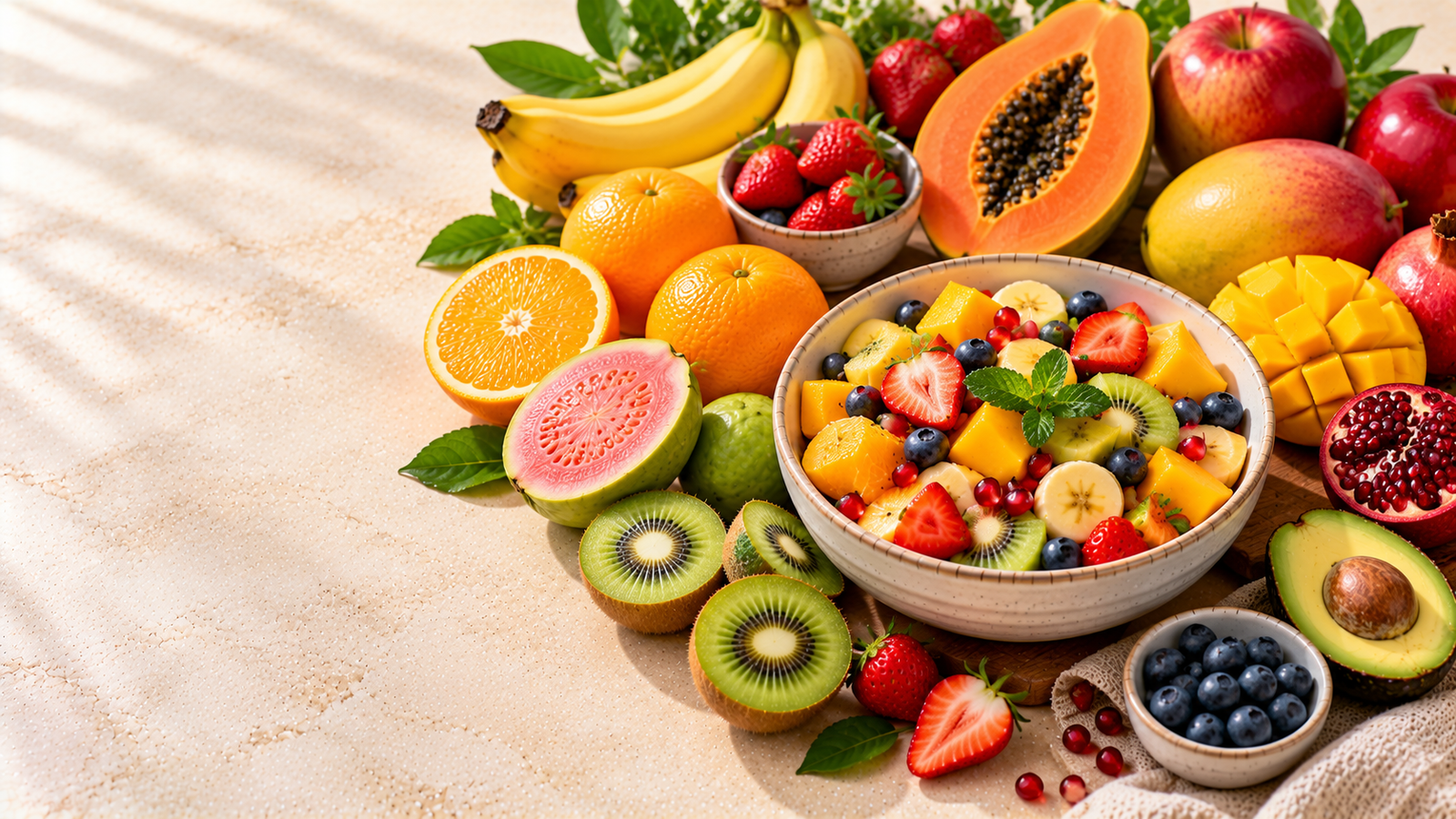
Adding more vitamin rich fruits to your diet is a simple way to increase your intake of essential nutrients, fiber, water, and beneficial plant compounds. Fruits provide different combinations of vitamins, so eating a variety is more useful than relying on just one type.
Oranges and guava are well-known sources of vitamin C, while mango and papaya provide carotenoids that the body can convert to vitamin A. Bananas contribute vitamin B6, and avocados provide folate and vitamin E. These nutrients support normal body functions, including immune function, vision, cell growth, and energy metabolism.
You do not need expensive produce or complicated recipes to enjoy the benefits of fruit. Seasonal and locally available options can be nutritious, affordable additions to breakfast, snacks, and main meals.
Key Takeaways
- Eat a variety of fruits because different types provide different vitamins.
- Guava, oranges, kiwi, and strawberries are useful sources of vitamin C.
- Mango and papaya provide provitamin A carotenoids.
- Bananas contribute vitamin B6, while avocados provide folate and vitamin E.
- Whole fruits generally provide more fiber than fruit juice.
- Fresh, frozen, and unsweetened canned fruits can all fit into a balanced diet.
Why Are Vitamin-Rich Fruits Important?
Vitamins are essential nutrients that the body needs for normal growth, maintenance, and function. Fruits can supply several vitamins alongside fiber, water, and naturally occurring plant compounds.
Here are some examples of how fruit vitamins support the body:
- Vitamin C: Supports collagen formation, normal immune function, and the absorption of non-heme iron from plant foods.
- Provitamin A carotenoids: The body can convert certain carotenoids into vitamin A, which supports vision and immune function.
- Folate (vitamin B9): Helps the body make DNA and supports normal cell division.
- Vitamin B6: Contributes to protein metabolism and normal nervous system function.
- Vitamin E: Helps protect cells from oxidative damage.
- Vitamin K: Plays a role in normal blood clotting and bone metabolism.
Fruit is not the only source of these nutrients. Vegetables, legumes, whole grains, nuts, seeds, and protein foods also contribute to vitamin intake.
For reliable nutrient information, consult the NIH Office of Dietary Supplements fact sheets.
15 Vitamin Rich Fruits You Should Add to Your Diet
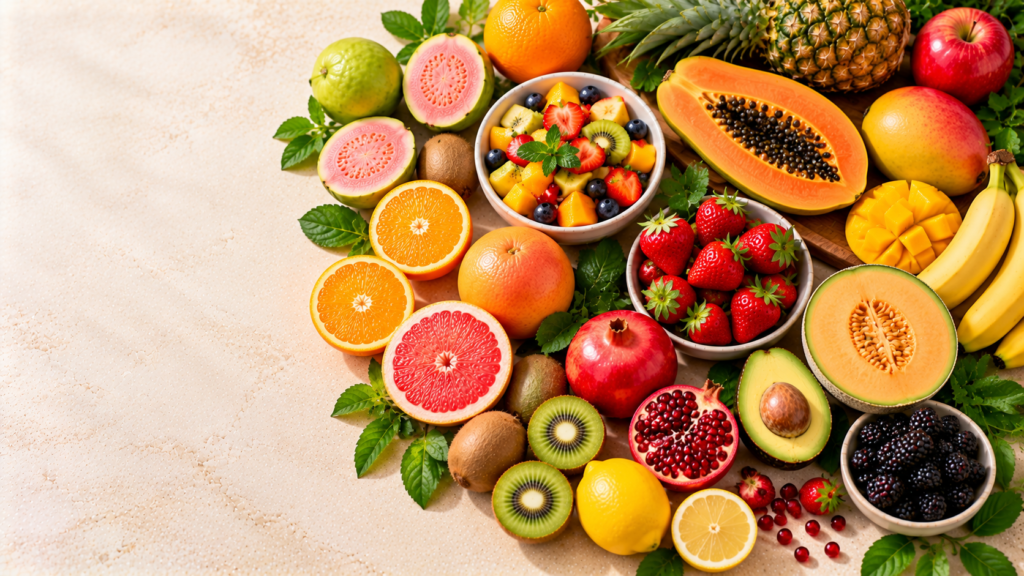
The following fruits offer a range of vitamins and can be included in a balanced eating pattern. The amounts of nutrients vary with fruit variety, ripeness, serving size, storage, and preparation.
1. Guava

Key vitamins: Vitamin C and folate.
Guava is a particularly useful vitamin C source. It also provides fiber and other plant compounds. Enjoy washed, fresh guava as a snack or combine it with other seasonal fruits.
2. Oranges

Key vitamins: Vitamin C and folate.
Oranges are a convenient way to add vitamin C to your day. Eat them whole to benefit from their fiber, or add segments to salads and fruit bowls.
3. Kiwi

Key vitamins: Vitamin C and vitamin K.
Kiwi contributes vitamin C and fiber. Add sliced kiwi to oatmeal, plain yogurt, or a mixed fruit bowl.
4. Strawberries

Key vitamins: Vitamin C and folate.
Strawberries provide vitamin C and naturally occurring plant compounds. Enjoy them fresh, add them to breakfast, or use unsweetened frozen strawberries in smoothies.
5. Papaya

Key vitamins: Vitamin C and provitamin A carotenoids.
Papaya provides vitamin C and carotenoids that the body can convert to vitamin A. Serve ripe papaya as a snack or alongside breakfast.
6. Mango

Key vitamins: Vitamin C, folate, and provitamin A carotenoids.
Mango offers a combination of vitamins and fiber. Enjoy it fresh in season, in fruit salads, or with plain yogurt. Dried mango can be more concentrated in sugar per serving, so check portions and added ingredients.
7. Banana

Key vitamins: Vitamin B6 and small amounts of folate.
Bananas also provide potassium and carbohydrates. They are a convenient snack and pair well with oats, yogurt, or nut butter.
8. Avocado

Key vitamins: Folate, vitamin K, and vitamin E.
Avocado differs from most fruits because it contains more fat, much of it unsaturated. Add slices to salads, sandwiches, or whole-grain toast.
9. Papaya’s Seasonal Alternative: Cantaloupe

Key vitamins: Vitamin C and provitamin A carotenoids.
Cantaloupe can provide both vitamin C and carotenoids. Serve chilled cubes as a refreshing snack or combine them with other melon varieties.
10. Pineapple

Key vitamins: Vitamin C and small amounts of thiamin (vitamin B1).
Pineapple adds vitamin C, water, and natural sweetness. Enjoy fresh pieces or choose canned pineapple packed in water or juice without excessive added sugar.
11. Grapefruit

Key vitamins: Vitamin C and provitamin A carotenoids, particularly in pink or red varieties.
Grapefruit can add variety to breakfast and fruit salads. Important: grapefruit and its juice interact with certain medications, so check with a pharmacist or healthcare professional if you take prescription medicines.
12. Pomegranate

Key vitamins: Vitamin K and folate in modest amounts.
Pomegranate also supplies fiber when you eat the seeds and contains plant compounds. Sprinkle the seeds over plain yogurt, salads, or grain bowls.
13. Apples

Key vitamins: Small amounts of vitamin C and other micronutrients.
Apples are not among the richest sources of most vitamins, but they provide fiber and are convenient everyday fruit. Eat the skin after washing when appropriate.
14. Blackberries

Key vitamins: Vitamin C and vitamin K.
Blackberries contribute fiber and naturally occurring plant compounds. Fresh or unsweetened frozen berries can be added to oats, yogurt, or smoothies.
15. Lemons

Key vitamins: Vitamin C.
Lemon juice can add flavor and vitamin C to water, dressings, and cooked meals. The amount you obtain depends on how much juice you use, so a squeeze of lemon is a useful addition rather than a complete fruit serving.
Quick Comparison: Which Fruits Provide Which Vitamins?
| Vitamin | Fruit examples |
|---|---|
| Vitamin C | Guava, oranges, kiwi, strawberries, papaya, pineapple, lemons |
| Provitamin A carotenoids | Mango, papaya, cantaloupe |
| Folate (B9) | Avocado, oranges, mango, papaya, strawberries |
| Vitamin B6 | Bananas |
| Vitamin E | Avocado |
| Vitamin K | Kiwi, avocado, blackberries, pomegranate |
This is a practical guide, not a ranking. A fruit may contain several vitamins even if only one or two are listed here, and the amount varies by serving.
How Many Servings of Fruit Should You Eat Daily?
The amount of fruit you need depends on your age, energy needs, overall diet, and local dietary guidance. Many healthy eating recommendations encourage adults to eat fruit daily as part of a broader pattern that includes vegetables, whole grains, and varied protein foods.
Rather than focusing on a single ideal fruit count, consider these practical habits:
- Include fruit at breakfast or as a snack.
- Choose whole fruit more often than juice.
- Vary fruit types across the week.
- Select seasonal fruit to make healthy choices more affordable.
- Adjust portions to your appetite and nutritional needs.
Whole fruit provides fiber and water, while juice can deliver sugar more quickly and is less filling. Dried fruit can also contribute nutrients, but it is more concentrated and portions are usually smaller.
How to Eat More Vitamin-Rich Fruits Every Day
You do not need to eat all 15 fruits every day. A better strategy is to rotate different fruits through meals and snacks so that your diet includes a range of nutrients.
1. Add Fruit to Breakfast
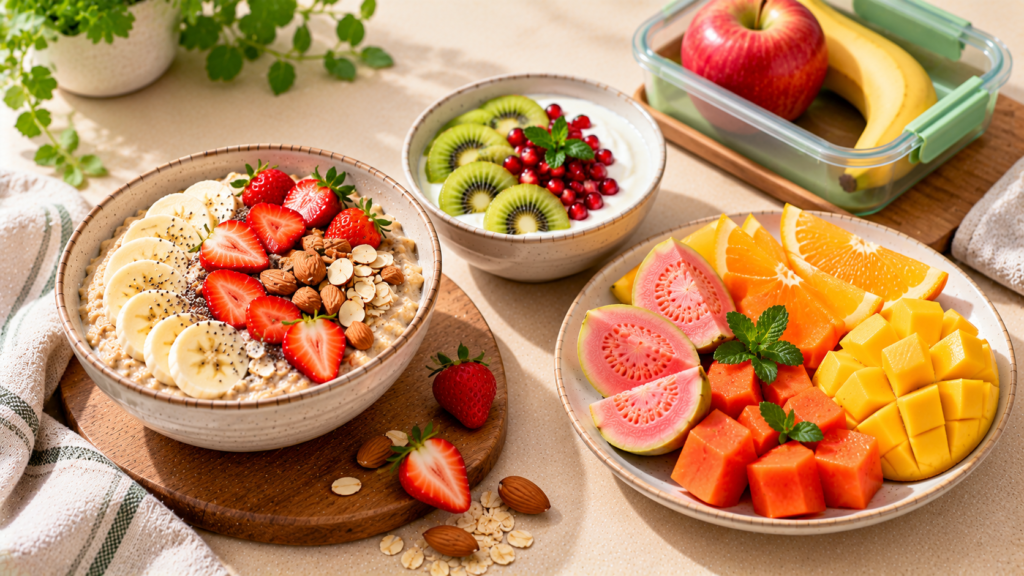
Try sliced banana with oats, kiwi with plain yogurt, or orange segments alongside eggs and whole-grain toast. Fruit can add flavor, fiber, and vitamins to a familiar breakfast.
2. Keep Easy Snacks Available
Wash fruit when appropriate and keep it ready to eat. Apples, bananas, oranges, and guava can be convenient options at home, school, or work. Store cut fruit safely and refrigerate it when needed.
3. Mix Fruits for Variety
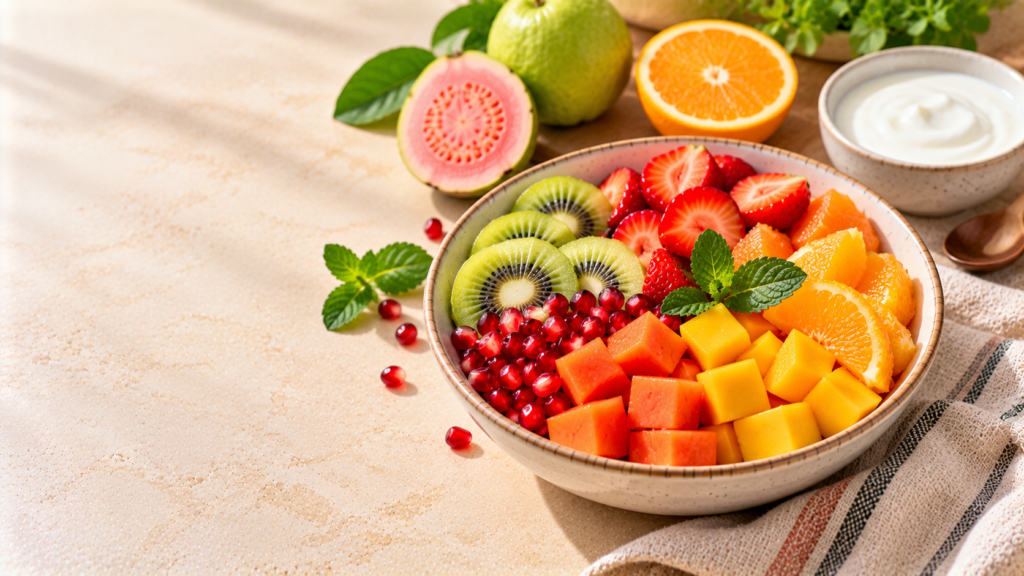
Combine different fruits in a bowl rather than relying on only one type. For example, mix strawberries, kiwi, and orange segments, or combine mango and papaya when they are in season.
4. Choose Seasonal and Affordable Options
Fruit prices and availability vary by region and season. In Pakistan, guava, citrus fruits, bananas, mangoes, and papaya may be useful choices at different times of the year. Choose what is fresh, affordable, and appealing to you.
5. Use Frozen Fruit When Convenient
Unsweetened frozen fruit can be a useful alternative when fresh berries or other fruit are costly or unavailable. Add frozen fruit to oatmeal, yogurt, or smoothies.
Fresh, Frozen, Canned, or Dried: Which Fruit Is Best?
Different forms of fruit can all fit into a balanced diet. The best choice depends on convenience, availability, cost, and added ingredients.
| Fruit form | Advantages | What to consider |
|---|---|---|
| Fresh | Variety, water, fiber, and vitamins | Choose ripe fruit and store it properly |
| Frozen | Convenient and often available year-round | Prefer options without added sugar |
| Canned | Convenient and long-lasting | Choose fruit packed in water or juice when possible |
| Dried | Portable and shelf-stable | Smaller portions are appropriate because nutrients and natural sugars are concentrated |
| Juice | Can provide some vitamins, depending on the fruit and processing | Usually contains less fiber than whole fruit; watch serving size and added sugar |
No single form is always superior. Whole fruit is a useful default, while frozen and canned options can make it easier to eat fruit consistently.
How to Preserve Vitamins in Fruit
Some vitamins, particularly vitamin C, can be affected by prolonged storage, heat, air, and processing. You can take a few simple steps to reduce unnecessary losses.
- Buy quantities you can use before fruit spoils.
- Store fruit according to its ripeness and storage needs.
- Wash fruit before cutting or eating it.
- Cut fruit shortly before serving when practical.
- Refrigerate prepared fruit promptly.
- Prefer whole fruit over frequent straining or juicing when you want to retain fiber.
There is no need to avoid smoothies. Blending whole fruit can retain its fiber, although large portions can be easy to consume quickly. Keep the ingredients simple and avoid adding excessive sugar.
For broader guidance on balanced eating, see the Harvard Healthy Eating Plate.
Are Vitamin-Rich Fruits Enough to Meet All Your Vitamin Needs?
Fruit is an important part of a healthy diet, but it does not provide every essential nutrient in adequate amounts. For example, most fruits are not reliable sources of vitamin B12, and they generally provide little vitamin D.
To build a more complete diet, combine fruit with:
- Vegetables: For additional vitamins, minerals, and fiber.
- Legumes: For folate, iron, protein, and other nutrients.
- Whole grains: For fiber and several B vitamins.
- Nuts and seeds: For vitamin E, magnesium, and other nutrients.
- Eggs, fish, dairy foods, or suitable alternatives: For nutrients that may be less abundant in a fruit-heavy diet.
If you have a restricted diet, a diagnosed deficiency, or specific medical needs, a qualified healthcare professional can help you determine whether fortified foods or supplements are appropriate.
Best Foods Rich in Vitamins and Minerals
30 Vitamin Rich Foods for a Nutrient-Dense Diet
Common Mistakes to Avoid When Eating Vitamin-Rich Fruits
- Eating only one type of fruit: Different fruits provide different nutrient combinations, so variety matters.
- Assuming fruit replaces vegetables: Both food groups contribute useful nutrients and should feature in a varied diet.
- Choosing juice instead of whole fruit every time: Whole fruit generally provides more fiber.
- Adding unnecessary sugar: Fruit is naturally sweet; most fruit bowls do not need extra sugar or syrup.
- Ignoring medication interactions: Grapefruit can interact with certain prescription medicines. Check with a pharmacist if you take medication.
- Expecting fruit to treat a deficiency: Food can support nutrient intake, but a diagnosed deficiency may require individualized treatment.
Frequently Asked Questions
1. What are the best vitamin-rich fruits to eat daily?
Guava, oranges, kiwi, strawberries, papaya, and mango are useful choices for vitamin C or provitamin A carotenoids. Bananas contribute vitamin B6, while avocado provides folate and vitamin E. Rotate fruits to get a variety of nutrients.
2. Which fruit is highest in vitamin C?
Guava is an especially rich source of vitamin C, while oranges, kiwi, strawberries, and papaya also contribute substantial amounts. Exact values depend on fruit variety and serving size.
3. Which fruits are rich in vitamin A?
Mango, papaya, and cantaloupe provide carotenoids that the body can convert to vitamin A. Orange and dark green vegetables are also important sources of provitamin A carotenoids.
4. Are bananas rich in vitamins?
Bananas provide vitamin B6 and small amounts of other vitamins. They also supply potassium and carbohydrates, making them a convenient part of a balanced diet.
5. Can I eat vitamin-rich fruits every day?
Yes, whole fruit can be part of everyday eating for most people. Choose a variety, adjust portions to your needs, and consider individual medical advice if you have a condition requiring specific dietary changes.
6. Are frozen fruits as nutritious as fresh fruits?
Frozen fruits can retain many vitamins and are a convenient alternative to fresh fruit. Choose unsweetened options when possible and follow storage instructions.
7. Which vitamin-rich fruits are affordable in Pakistan?
Guava, oranges, bananas, papaya, and mangoes can be useful choices depending on the season and local prices. Seasonal fruit is often a practical way to add variety without overspending.
8. Is fruit juice as healthy as whole fruit?
Juice can provide some vitamins, but it usually contains less fiber than whole fruit and is less filling. Whole fruit is generally the better everyday choice when you want both nutrients and fiber.
Conclusion: Make Vitamin-Rich Fruits Part of Your Everyday Diet
Adding more vitamin rich fruits to your diet is a simple, practical way to increase your intake of vitamins, fiber, water, and beneficial plant compounds. Guava, oranges, kiwi, strawberries, papaya, mango, bananas, and avocados each offer different nutritional benefits.
You do not need to eat every fruit on this list daily. Choose seasonal options, enjoy whole fruit regularly, and combine different varieties throughout the week. Pair fruit with vegetables, legumes, whole grains, nuts, seeds, and suitable protein foods to build a more balanced diet.
Start with one easy change: add fruit to breakfast, keep a convenient snack available, or try a fruit you do not usually eat. Consistent variety matters more than finding one supposedly perfect fruit.
1 thought on “Vitamin Rich Fruits You Should Add to Your Diet”