
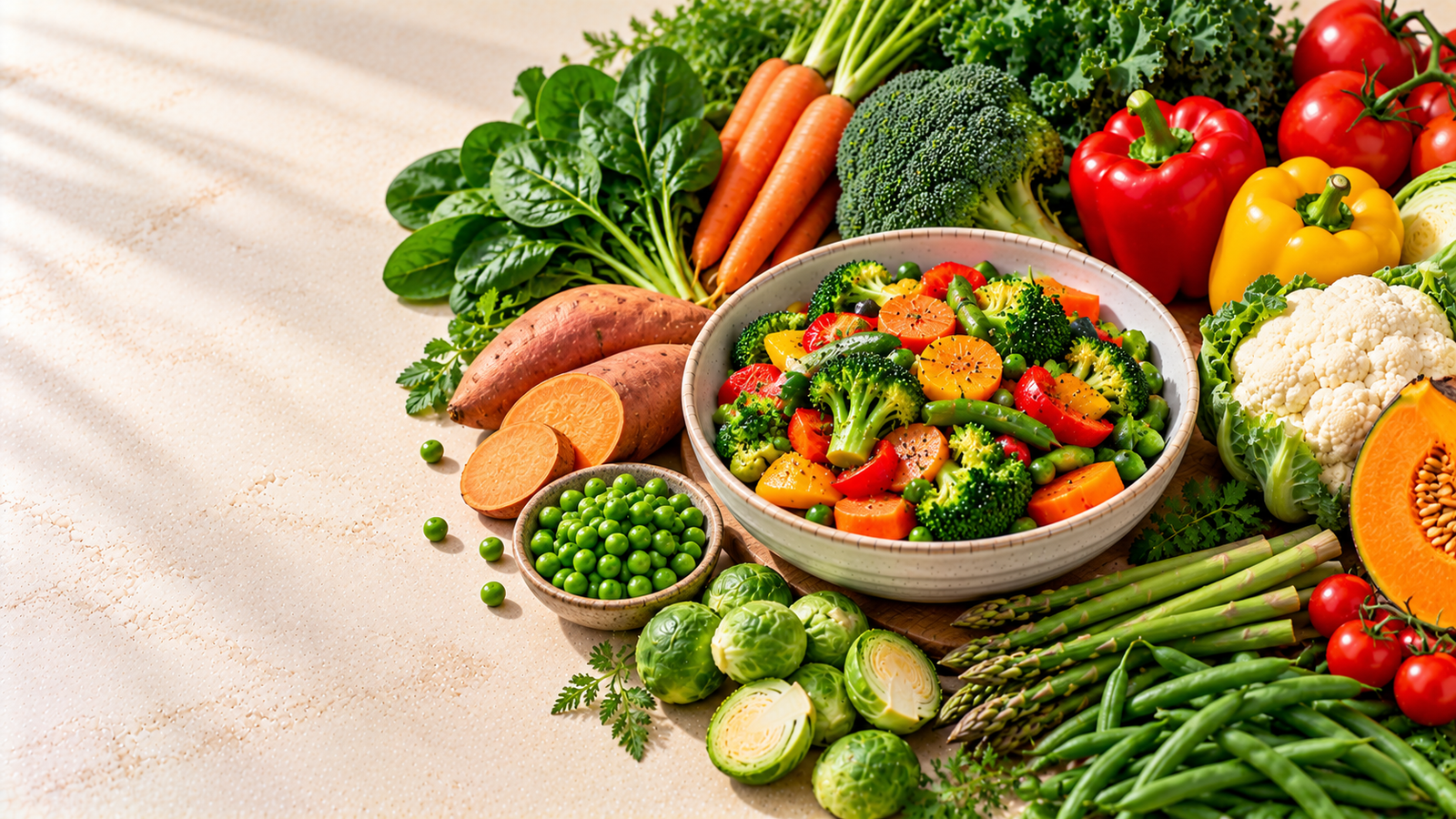
Adding more vitamin rich vegetables to your meals is a practical way to increase your intake of essential nutrients, fiber, and beneficial plant compounds. Different vegetables supply different vitamins: leafy greens are known for vitamin K and folate, while carrots and sweet potatoes provide carotenoids that the body can convert to vitamin A. Broccoli and bell peppers are useful sources of vitamin C.
You do not need expensive ingredients or complicated recipes to eat more vegetables. Everyday options such as spinach, cabbage, carrots, tomatoes, peas, and cauliflower can fit into familiar home-cooked meals.
The key is variety. No single vegetable provides every vitamin your body needs, so choosing different colors and types throughout the week is a sensible way to build a more nutrient-dense diet.
Key Takeaways
- Eat a variety of colorful vegetables because each type has a different nutrient profile.
- Spinach, kale, and broccoli provide vitamin K and other important nutrients.
- Red bell peppers and broccoli are useful sources of vitamin C.
- Carrots, pumpkin, and sweet potatoes provide provitamin A carotenoids.
- Fresh, frozen, and appropriately stored canned vegetables can all be nutritious options.
- Cooking methods affect different nutrients in different ways; raw vegetables are not always nutritionally superior.
Why Are Vitamin-Rich Vegetables Important?
Vegetables provide vitamins, minerals, fiber, and other plant compounds that support normal body functions. Their nutrient content varies by variety, serving size, growing conditions, storage, and preparation.
Some important vitamins found in vegetables include:
- Vitamin A precursors: Carotenoids in carrots, pumpkin, sweet potatoes, and dark green leafy vegetables can be converted to vitamin A.
- Vitamin C: Found in vegetables such as bell peppers, broccoli, and cabbage.
- Vitamin K: Abundant in many leafy green vegetables and also found in broccoli.
- Folate (vitamin B9): Present in spinach, asparagus, peas, and other green vegetables.
- Vitamin B6: Found in some vegetables, including potatoes and sweet potatoes.
- Vitamin E: Present in smaller amounts in some vegetables, including spinach and broccoli.
Vegetables also contribute minerals such as potassium and magnesium. However, they are only one part of a balanced diet, which also benefits from fruits, whole grains, legumes, nuts, seeds, and appropriate protein sources.
For detailed information about individual nutrients, consult the NIH Office of Dietary Supplements fact sheets.
20 Vitamin Rich Vegetables to Add to Your Diet
The following vegetables offer a variety of vitamins and can be used in everyday meals. The nutrients listed are notable contributions rather than a complete nutrient analysis; actual amounts depend on serving size, variety, and cooking method.
1. Leafy Green Vegetables
Leafy greens are among the most useful vegetables for adding variety to your vitamin intake. They can be used in salads, soups, curries, omelets, and side dishes.
| No. | Vegetable | Notable vitamins | Easy way to eat it |
|---|---|---|---|
| 1 | Spinach | Vitamins K and folate; provitamin A carotenoids | Add to dal, eggs, or soups |
| 2 | Kale | Vitamins K, C, and provitamin A carotenoids | Sauté or add to soups |
| 3 | Swiss chard | Vitamins K and A precursors; vitamin C | Cook with garlic or add to stews |
| 4 | Romaine lettuce | Vitamins K and A precursors; folate | Use in salads and wraps |
| 5 | Mustard greens | Vitamins K and C; provitamin A carotenoids | Cook into a leafy-green curry |
Why Leafy Greens Are Worth Eating
Leafy green vegetables provide a range of micronutrients and can contribute folate, which supports normal cell division and red blood cell formation. Many are also rich in vitamin K, which is important for normal blood clotting and bone metabolism.
Spinach contains iron, but the iron is non-heme iron, which is not absorbed as readily as heme iron from some animal foods. Pairing spinach with vitamin C-rich foods such as tomatoes or bell peppers can help improve non-heme iron absorption.
Important note: People taking warfarin or certain related anticoagulants should keep their vitamin K intake consistent and follow their healthcare professional’s advice rather than suddenly increasing or eliminating leafy greens.
2. Orange, Red, and Yellow Vegetables
Brightly colored vegetables often contain carotenoids, including beta-carotene, which the body can convert to vitamin A. Red and yellow vegetables can also supply vitamin C and other beneficial plant compounds.
| No. | Vegetable | Notable vitamins | Easy way to eat it |
|---|---|---|---|
| 6 | Carrots | Provitamin A carotenoids | Roast, steam, or grate into salads |
| 7 | Sweet potatoes | Provitamin A carotenoids and vitamin B6 | Bake or roast |
| 8 | Red bell peppers | Vitamin C and provitamin A carotenoids | Add to salads or stir-fries |
| 9 | Pumpkin | Provitamin A carotenoids | Use in soups, curries, or roasted dishes |
| 10 | Tomatoes | Vitamin C and provitamin A carotenoids | Add to salads, sauces, and curries |
How These Vegetables Support a Balanced Diet
Carrots, sweet potatoes, and pumpkin provide carotenoids that contribute to vitamin A intake. Vitamin A supports normal vision, immune function, and the maintenance of healthy tissues.
Red bell peppers are particularly useful for vitamin C. Tomatoes also contribute vitamin C and carotenoids, including lycopene, a plant compound that gives tomatoes their red color.
You can enjoy these vegetables raw or cooked. Cooking carrots and tomatoes with a little oil may improve the availability of some carotenoids. The best preparation method is one that helps you eat a variety of vegetables regularly.
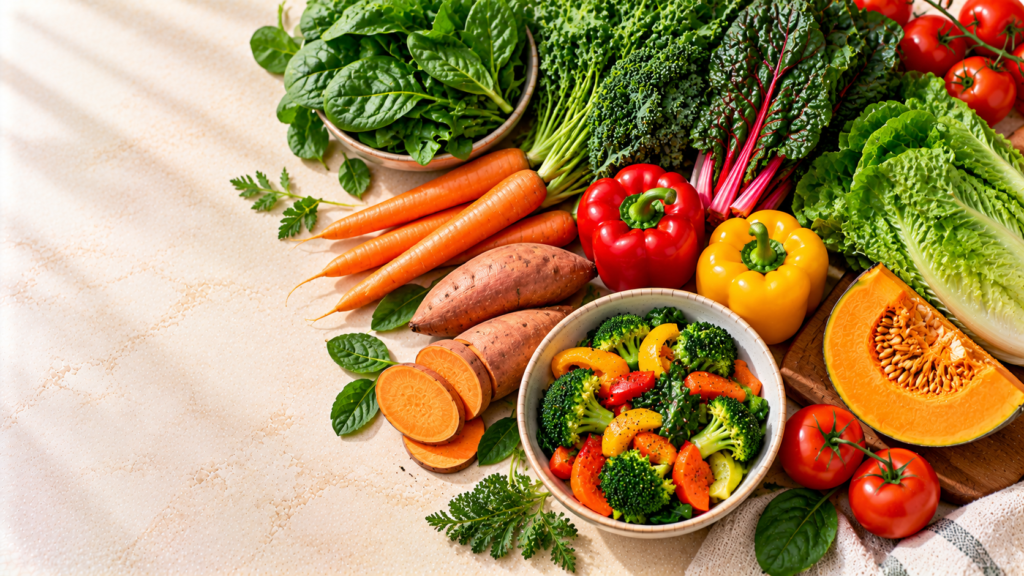
3. Cruciferous Vegetables
Cruciferous vegetables include broccoli, cauliflower, cabbage, and Brussels sprouts. They contribute vitamins and fiber and can be prepared in many different ways.
| No. | Vegetable | Notable vitamins | Easy way to eat it |
|---|---|---|---|
| 11 | Broccoli | Vitamins C and K; folate | Steam, roast, or stir-fry |
| 12 | Cauliflower | Vitamin C and folate | Roast or add to curry |
| 13 | Green cabbage | Vitamin C and vitamin K | Add to salads, soups, or stir-fries |
| 14 | Brussels sprouts | Vitamins C and K; folate | Roast or sauté |
| 15 | Bok choy | Vitamins K and C; provitamin A carotenoids | Add to soups or stir-fries |
Why Cruciferous Vegetables Are Useful
Broccoli provides vitamin C, vitamin K, and folate. Cabbage and cauliflower also contribute vitamin C, while bok choy supplies a variety of vitamins and minerals.
These vegetables are versatile, and you do not need to eat them raw to benefit from their nutrients. Light steaming, roasting, and quick stir-frying can make them appealing additions to meals.
If you do not enjoy one cruciferous vegetable, try another. The goal is to find options you like and prepare them in ways that suit your taste.
4. Other Nutrient-Dense Vegetables
The following vegetables round out the list with additional vitamins and practical meal options.
| No. | Vegetable | Notable vitamins | Easy way to eat it |
|---|---|---|---|
| 16 | Green peas | Vitamins C and K; folate and other B vitamins | Add to rice, soups, or mixed vegetables |
| 17 | Asparagus | Folate, vitamin K, and vitamin C | Steam or roast |
| 18 | Green beans | Vitamins C and K; some folate | Steam or sauté |
| 19 | Beetroot | Folate and small amounts of vitamin C | Roast, boil, or grate into salads |
| 20 | Potatoes | Vitamin C and vitamin B6 | Bake, boil, or roast |
How to Use These Vegetables in Everyday Meals
- Add peas to rice, lentils, or vegetable curry.
- Serve asparagus or green beans with eggs, fish, tofu, or chicken.
- Add beetroot to salads or serve it as a cooked side dish.
- Bake or boil potatoes and serve them with protein and other vegetables.
- Use frozen peas and green beans when fresh produce is unavailable or expensive.
Potatoes provide carbohydrates as well as vitamins, so they can be part of a balanced meal. Pair them with protein-rich foods and other vegetables rather than relying on potatoes alone.
Quick Comparison: Which Vegetables Provide Which Vitamins?
| Vitamin | Vegetable examples |
|---|---|
| Vitamin A precursors | Carrots, sweet potatoes, pumpkin, spinach, kale |
| Vitamin C | Red bell peppers, broccoli, cauliflower, cabbage, tomatoes |
| Vitamin K | Spinach, kale, Swiss chard, broccoli, cabbage |
| Folate (B9) | Spinach, asparagus, peas, broccoli, Brussels sprouts |
| Vitamin B6 | Potatoes and sweet potatoes |
| Vitamin E | Spinach and broccoli contribute modest amounts |
This is a quick reference, not a ranking. Vegetables often contain several nutrients, even when only the most notable examples are listed.
How to Get More Vitamins From Vegetables
Choosing vitamin-rich vegetables is a useful first step, but how you prepare and combine them also matters.
1. Eat a Variety of Colors
Different colors often indicate different plant compounds and nutrient profiles. Combine dark leafy greens, orange vegetables, red peppers, and cruciferous vegetables throughout the week.
2. Pair Plant-Based Iron With Vitamin C
Vitamin C can improve the absorption of non-heme iron found in plant foods.
Try these combinations:
- Spinach cooked with tomatoes.
- Lentil dal served with red bell peppers.
- Beans with cabbage or tomato salad.
- Chickpeas with lemon juice and vegetables.
These pairings are especially useful for people who obtain much of their iron from plant-based foods.
3. Include a Little Fat With Some Vegetables
Vitamins A, D, E, and K are fat-soluble. Including a source of dietary fat in a mixed meal can help the body absorb fat-soluble vitamins and related compounds.
For example, add a modest amount of oil to cooked carrots or dress a leafy salad with olive oil. You do not need a large quantity; ordinary mixed meals can provide suitable amounts.
4. Use Fresh, Frozen, or Canned Options
Fresh vegetables are excellent, but frozen vegetables can retain many nutrients and are often convenient. Canned vegetables can also be useful; compare labels and choose lower-sodium options when practical.
Best Foods Rich in Vitamins and Minerals
For general guidance on balanced meal composition, see the Harvard Healthy Eating Plate.
A Simple Daily Meal Plan With Vitamin-Rich Vegetables
You do not need to eat all 20 vegetables every day. Choose a few familiar options and rotate them across meals to increase variety.
| Meal | Example | Nutritional highlights |
|---|---|---|
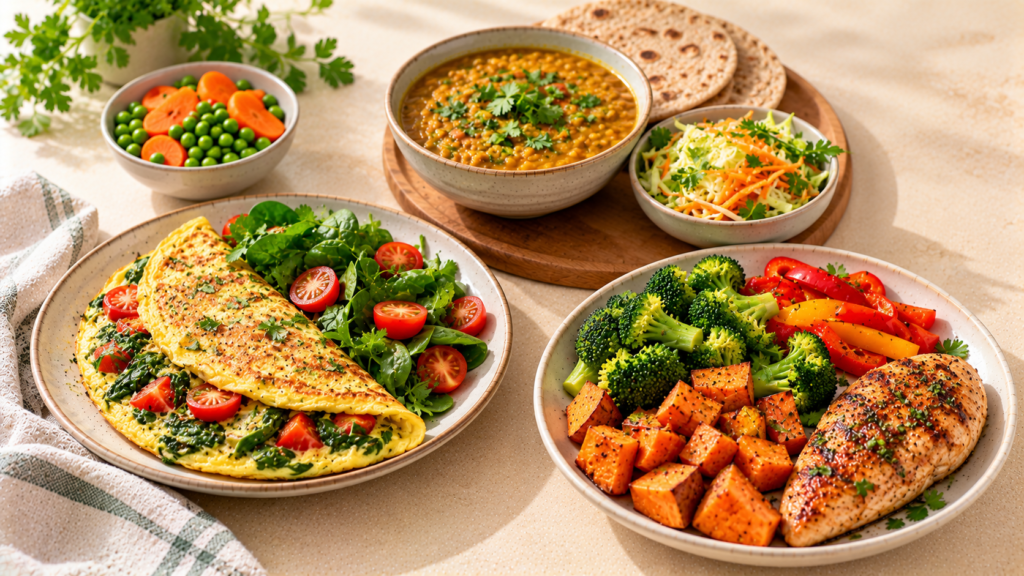
| Breakfast | Vegetable omelet with spinach and tomatoes | Folate, vitamin K, and vitamin C |
| Lunch | Lentil dal with whole-wheat roti and cabbage salad | Folate, fiber, and a variety of micronutrients |
| Afternoon snack | Carrot sticks with hummus | Provitamin A carotenoids and plant-based nutrients |
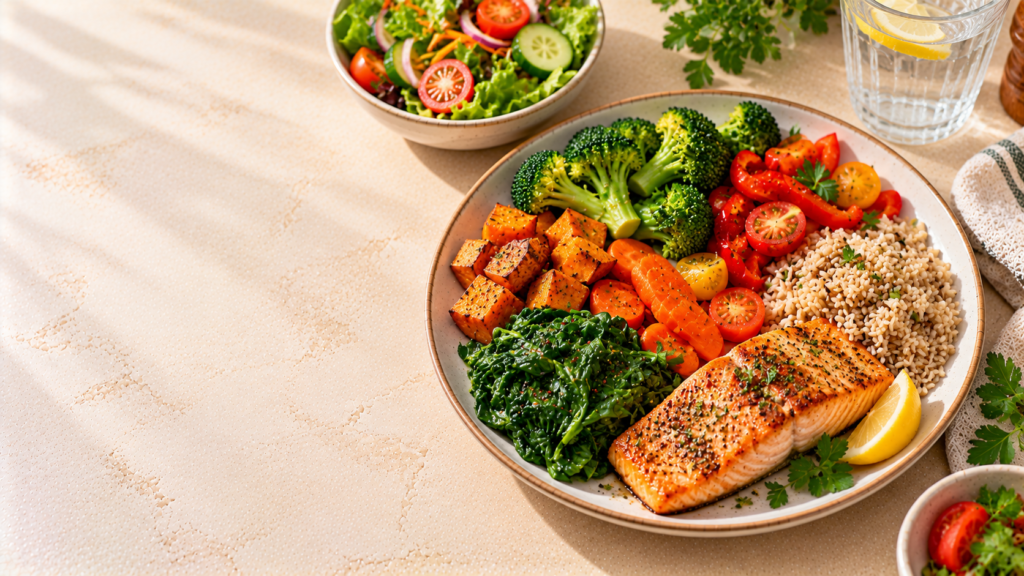
| Dinner | Chicken, fish, or chickpeas with broccoli and sweet potato | Vitamins C and K, provitamin A carotenoids, and protein from the chosen main food |
Nutrient amounts depend on serving sizes and preparation. This is an example of food variety, not a personalized meal plan.
Affordable Vegetable Choices in Pakistan
You can build nutritious meals with vegetables commonly used in South Asian cooking:
- Spinach: Add to dal, eggs, or curries.
- Carrots: Serve raw, cook with rice, or roast.
- Tomatoes: Use in salads, lentils, and vegetable curries.
- Cabbage: Add to stir-fries or serve as a salad.
- Cauliflower: Cook into a curry or roast with spices.
- Peas: Add to rice, potatoes, or mixed vegetables.
- Pumpkin: Use in soups and curries.
- Potatoes: Boil, bake, or roast and serve with protein and other vegetables.
Seasonal produce is often a practical choice, and frozen vegetables can be useful when fresh options are expensive or unavailable.
How Cooking and Storage Affect Vitamins
Cooking can change vitamin levels, but the effect depends on the nutrient, vegetable, temperature, cooking time, and amount of water used.
Practical Tips for Preserving Nutrients
- Wash vegetables before cutting them when practical.
- Avoid soaking cut vegetables for long periods.
- Steam or quickly sauté vegetables when suitable.
- Use cooking liquid in soups, curries, or stews when appropriate because some water-soluble vitamins can move into the liquid.
- Refrigerate fresh-cut vegetables and cooked leftovers promptly.
- Store frozen vegetables according to package instructions.
Vitamin C and some B vitamins are sensitive to heat and water. On the other hand, cooking can improve the availability of certain carotenoids, including those in carrots and tomatoes. Raw vegetables are not always more nutritious than cooked vegetables, so a mixture of preparation methods is a sensible approach.
Are Vitamin-Rich Vegetables Enough to Meet All Your Nutritional Needs?
Vegetables provide many valuable nutrients, but they are only one part of a balanced diet. To obtain a broader range of vitamins, minerals, protein, and essential fats, combine vegetables with other food groups.
- Fruits: Provide vitamin C, folate, and other nutrients.
- Legumes: Supply plant protein, fiber, folate, and minerals.
- Whole grains: Contribute fiber and several B vitamins.
- Nuts and seeds: Provide minerals and unsaturated fats.
- Eggs, fish, dairy foods, or suitable fortified alternatives: Can provide nutrients that are less abundant in some plant-based diets.
If you follow a vegan diet, pay particular attention to vitamin B12 because unfortified vegetables are not a reliable source. Fortified foods or supplements may be needed.
Supplements should not replace a varied diet. If you suspect a deficiency or have a medical condition that affects your nutritional needs, consult a qualified healthcare professional.
For additional information on specific nutrients, visit the NIH Office of Dietary Supplements.
Common Mistakes to Avoid When Eating Vitamin-Rich Vegetables
- Eating only one type: Rotate leafy greens, colorful vegetables, and other varieties throughout the week.
- Assuming raw is always better: Cooking can improve the availability of some nutrients.
- Overcooking every vegetable: Prolonged cooking in large amounts of water can reduce some water-soluble vitamins.
- Ignoring frozen options: Frozen vegetables can be nutritious and convenient.
- Relying on vegetables alone for every nutrient: Include fruits, protein foods, grains, and suitable sources of fats.
- Taking high-dose supplements without guidance: Excessive vitamin or mineral intake can be harmful.
Related reading:
- Best Foods Rich in Vitamins and Minerals
- Vitamin Rich Fruits You Should Add to Your Diet
- Simple Ways to Add More Vitamins and Minerals to Your Diet
Frequently Asked Questions
1. What are the best vitamin-rich vegetables to eat daily?
Spinach, broccoli, carrots, red bell peppers, tomatoes, cabbage, and sweet potatoes are useful choices. Each offers a different mix of vitamins, so eating a variety is more helpful than relying on one vegetable.
2. Which vegetables are highest in vitamin C?
Red bell peppers and broccoli are particularly useful sources of vitamin C. Cauliflower and cabbage also contribute vitamin C, although amounts vary by serving and preparation.
3. Which vegetables are rich in vitamin A?
Carrots, sweet potatoes, pumpkin, spinach, and kale contain carotenoids that the body can convert to vitamin A.
4. Which vegetables contain vitamin K?
Leafy greens such as spinach, kale, and Swiss chard are rich in vitamin K. Broccoli and cabbage also contribute vitamin K.
5. Are frozen vegetables as nutritious as fresh vegetables?
Frozen vegetables can retain many nutrients and are a convenient alternative to fresh produce. Their nutrient content depends on the vegetable, processing, storage, and cooking method.
6. What are affordable vitamin-rich vegetables in Pakistan?
Spinach, carrots, tomatoes, cabbage, cauliflower, peas, pumpkin, and potatoes can be practical choices, depending on season and local prices. Choosing seasonal produce can help keep costs manageable.
7. Should I eat vegetables raw or cooked?
Both can be nutritious. Some vitamins are sensitive to heat and water, while cooking can improve the availability of certain carotenoids. Choose a mix of raw and cooked vegetables that you enjoy and can prepare safely.
8. Can vitamin-rich vegetables prevent vitamin deficiencies?
A varied diet can help meet vitamin needs, but it cannot prevent every deficiency. Absorption problems, medical conditions, certain medications, and dietary restrictions can affect nutrient status. Seek professional advice if you suspect a deficiency.
Conclusion: Make Vitamin-Rich Vegetables Part of Your Daily Diet
Adding more vitamin rich vegetables to your meals is a simple way to improve dietary variety and increase your intake of essential nutrients. Spinach, broccoli, carrots, red bell peppers, sweet potatoes, cabbage, peas, and tomatoes each provide different vitamins and other beneficial nutrients.
You do not need to buy all 20 vegetables or change your diet overnight. Start with vegetables you already enjoy, choose seasonal options when practical, and try a different color or variety each week. Pair vegetables with protein foods, whole grains, and suitable sources of healthy fats to build balanced meals.
The most important habit is consistency. Add spinach to dal, include carrots in lunch, or serve broccoli with dinner. Small, realistic changes can help you develop a more varied and nutrient-dense eating pattern.