
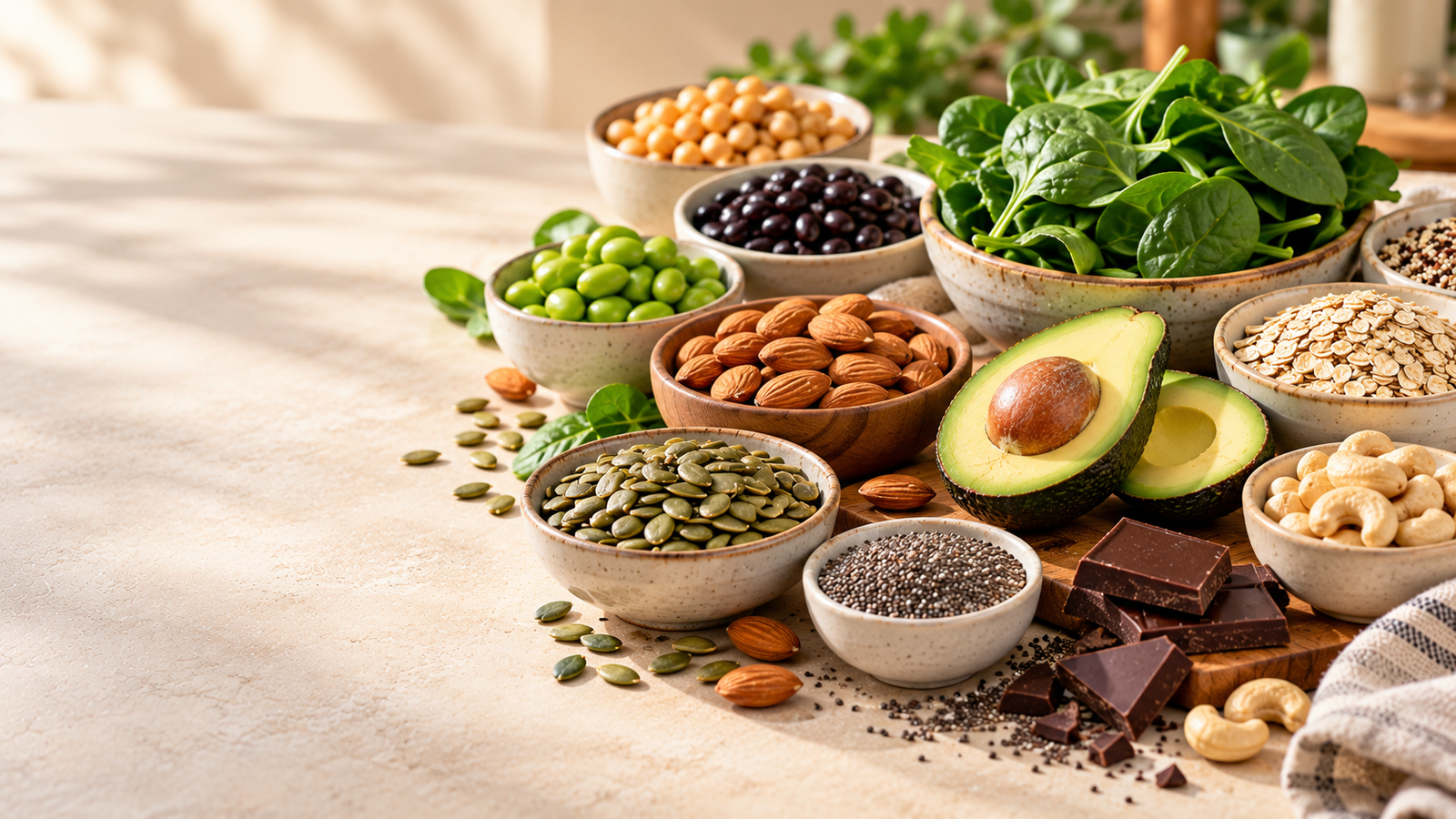
Magnesium deficiency foods high in magnesium are an important topic for anyone who wants to support normal muscle function, nerve signaling, energy production, and bone health through everyday meals. Magnesium is an essential mineral involved in hundreds of biochemical reactions in the human body, yet many people do not consistently consume enough magnesium-rich foods.
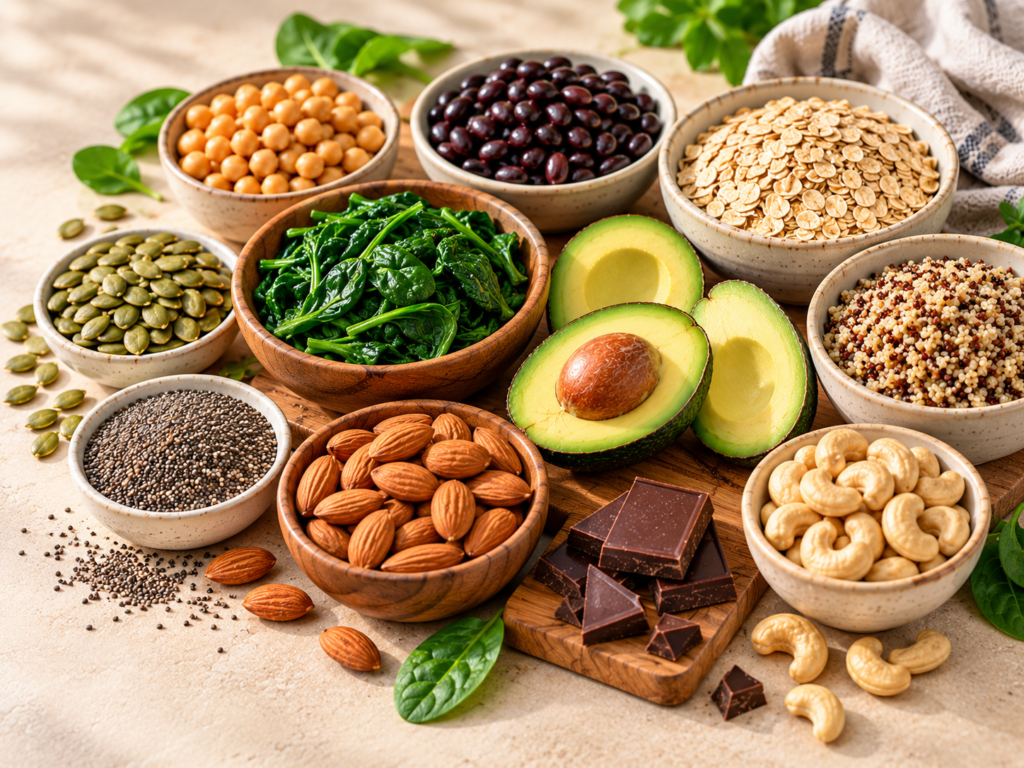
Good sources include pumpkin seeds, chia seeds, almonds, spinach, black beans, edamame, oats, and whole grains. Including a variety of these foods in a balanced diet can help you meet your daily magnesium needs.
However, low magnesium intake does not automatically mean you have a clinical magnesium deficiency. Certain medical conditions, medications, and problems with absorption can also contribute to low magnesium levels. Understanding the best food sources, deficiency symptoms, daily requirements, and when to seek medical advice can help you make informed decisions.
Key Takeaways
- Magnesium supports normal muscle and nerve function, energy metabolism, protein synthesis, and bone health.
- Pumpkin seeds, chia seeds, nuts, legumes, leafy greens, and whole grains are among the best magnesium-rich foods.
- Adult magnesium requirements generally range from 310 to 420 mg per day, depending on age, sex, and life stage.
- Symptoms of significant magnesium deficiency can include fatigue, weakness, muscle cramps, tingling, and abnormal heart rhythms.
- Food-first strategies can help improve magnesium intake, but diagnosed deficiency may require medical treatment.
- Persistent symptoms should not be self-diagnosed or treated with high-dose supplements without professional advice.
What Is Magnesium Deficiency?
Magnesium deficiency occurs when the body does not have enough magnesium to maintain normal physiological functions. In clinical practice, significant deficiency is called hypomagnesemia when magnesium levels in the blood are below the laboratory’s reference range.
Magnesium is involved in:
- Normal muscle contraction and relaxation.
- Nerve transmission.
- Energy production from food.
- Protein and DNA synthesis.
- Bone development and maintenance.
- Regulation of calcium and potassium balance.
- Normal heart rhythm.
Eating too few magnesium-rich foods over time may contribute to inadequate intake. However, a clinical deficiency can also result from gastrointestinal disorders, excessive alcohol use, certain medications, or other medical conditions.
National Institutes of Health — Magnesium Fact Sheet for Consumers
20 Foods High in Magnesium to Add to Your Diet
One of the most practical ways to support adequate magnesium intake is to include different magnesium-rich foods throughout the day. The amounts below are approximate and vary by variety, preparation, brand, and serving size.
Magnesium-rich food chart
| Food | Typical serving | Approximate magnesium |
|---|---|---|
| Pumpkin seeds | 1 oz (28 g) | 156 mg |
| Chia seeds | 1 oz (28 g) | 111 mg |
| Almonds | 1 oz (28 g) | 80 mg |
| Cashews | 1 oz (28 g) | 74 mg |
| Peanuts | 1 oz (28 g) | 48 mg |
| Cooked spinach | ½ cup | 78 mg |
| Cooked Swiss chard | ½ cup | 75 mg |
| Cooked black beans | ½ cup | 60 mg |
| Cooked edamame | ½ cup | 50 mg |
| Cooked lima beans | ½ cup | 40 mg |
| Cooked chickpeas | ½ cup | 39 mg |
| Cooked kidney beans | ½ cup | 35 mg |
| Cooked quinoa | 1 cup | 118 mg |
| Cooked brown rice | 1 cup | 84 mg |
| Cooked oatmeal | 1 cup | 63 mg |
| Whole-wheat bread | 2 slices | 46 mg |
| Avocado | 1 medium | 58 mg |
| Plain yogurt | 1 cup | 42 mg |
| Banana | 1 medium | 32 mg |
| Dark chocolate, 70–85% cocoa | 1 oz (28 g) | 65 mg |
Values are approximate estimates for common food portions, not laboratory guarantees. Use USDA FoodData Central to check specific foods and preparations. Some products, particularly bread and yogurt, vary considerably by brand.
USDA FoodData Central — Nutrient Database
1. Pumpkin Seeds
Pumpkin seeds are among the most concentrated food sources of magnesium. A one-ounce serving can provide around 156 mg, making them a convenient addition to breakfast, snacks, and salads.
Easy ways to eat them:
- Sprinkle them over oatmeal or yogurt.
- Add them to salads and homemade trail mix.
- Blend them into seed butter or sauces.
Choose unsalted varieties more often if you are watching sodium intake.
2. Chia Seeds
Chia seeds supply magnesium alongside fiber, plant-based omega-3 fatty acids, and other minerals. Their ability to absorb liquid makes them easy to use in several meals.
Try adding them to overnight oats, smoothies, or chia pudding. Allow chia seeds to absorb liquid before eating them, particularly when consuming larger amounts.
3. Almonds and Cashews
Almonds and cashews provide magnesium, unsaturated fats, and protein. Almonds are especially useful as a portable snack, while cashews work well in stir-fries, sauces, and grain bowls.
A small handful can contribute meaningfully to your daily magnesium intake. If you have a nut allergy, choose suitable alternatives such as seeds or legumes.
4. Spinach and Swiss Chard
Leafy green vegetables contain magnesium because the mineral is part of chlorophyll, the pigment involved in photosynthesis.
Cooked spinach and Swiss chard can be easier to eat in substantial portions than raw leaves. Add them to lentils, omelets, soups, or vegetable curries.
5. Black Beans, Chickpeas, and Other Legumes
Beans and chickpeas offer magnesium along with fiber, protein, folate, and complex carbohydrates. They are useful, affordable options for plant-based diets.
Use them in soups, stews, salads, wraps, and rice dishes. Canned beans are also convenient; draining and rinsing them can reduce some of their sodium.
6. Quinoa, Brown Rice, and Oats
Whole grains generally contain more magnesium than refined grains because processing can remove mineral-rich parts of the grain.
- Choose oatmeal for breakfast.
- Use brown rice or quinoa as a base for lunch and dinner.
- Replace some refined-grain foods with whole-grain options.
Whole grains also supply fiber, which supports digestive health.
7. Avocado and Banana
Avocado and banana can contribute magnesium while providing other nutrients. Avocado supplies unsaturated fat and fiber, whereas bananas provide carbohydrates, potassium, and vitamin B6.
Neither fruit is an exceptionally concentrated source of magnesium, but both can help add variety to an overall magnesium-rich eating pattern.
8. Dark Chocolate
Dark chocolate contains magnesium and can fit into a balanced diet in modest portions. The amount varies with cocoa content and processing.
Choose a portion you can enjoy without relying on chocolate as your primary magnesium source. Nuts, seeds, beans, and leafy vegetables generally provide a more useful everyday foundation.
IN-CONTENT IMAGE PLACEHOLDER 1 OF 3
Magnesium Deficiency Symptoms: What Should You Know?
Symptoms of magnesium deficiency vary depending on how low magnesium levels become and how quickly they decline. Early deficiency may cause no obvious symptoms, which makes it difficult to identify from how you feel alone.
Common symptoms of low magnesium
Possible symptoms include:
- Fatigue or unusual tiredness.
- Muscle weakness.
- Muscle cramps or spasms.
- Numbness or tingling.
- Reduced appetite.
- Nausea or vomiting.
- Tremors in more significant deficiency.
Severe hypomagnesemia can cause seizures, dangerous changes in heart rhythm, and abnormalities in calcium or potassium levels.
These symptoms are not specific to magnesium deficiency. Dehydration, medication effects, other nutrient deficiencies, and numerous medical conditions can cause similar problems.
Seek urgent medical care for seizures, fainting, severe weakness, or a fast or irregular heartbeat, especially when accompanied by other concerning symptoms.
MedlinePlus — Magnesium Blood Test
What Causes Magnesium Deficiency?
Eating too little magnesium is one possible contributor, but it is not the only cause.
1. Low intake of magnesium-rich foods
Diets with limited nuts, seeds, legumes, whole grains, and vegetables may provide less magnesium than recommended. Highly restrictive eating patterns can also make it difficult to meet nutrient needs.
2. Gastrointestinal conditions
Certain digestive disorders, chronic diarrhea, and conditions affecting nutrient absorption can reduce magnesium absorption or increase losses.
3. Excessive alcohol use
Heavy alcohol use can contribute to inadequate dietary intake, gastrointestinal problems, and increased magnesium loss through the kidneys.
4. Certain medications
Some medications can lower magnesium levels, including certain diuretics and long-term use of proton pump inhibitors. The effect depends on the medication and the individual.
Do not stop a prescribed medication without discussing it with your healthcare professional.
5. Increased magnesium loss
Some kidney disorders and other medical conditions can increase magnesium loss. People with relevant medical conditions may need blood tests and individualized dietary advice.
How Much Magnesium Do You Need Per Day?
Magnesium requirements depend on age, sex, and life stage. The following US National Institutes of Health recommendations are useful reference points.
| Age or life stage | Recommended daily intake |
|---|---|
| Children 1–3 years | 80 mg |
| Children 4–8 years | 130 mg |
| Children 9–13 years | 240 mg |
| Boys 14–18 years | 410 mg |
| Girls 14–18 years | 360 mg |
| Adult men 19–30 years | 400 mg |
| Adult women 19–30 years | 310 mg |
| Adult men 31 years and older | 420 mg |
| Adult women 31 years and older | 320 mg |
| Pregnancy, ages 19–30 | 350 mg |
| Pregnancy, ages 31–50 | 360 mg |
| Breastfeeding, ages 19–30 | 310 mg |
| Breastfeeding, ages 31–50 | 320 mg |
These are US recommended dietary allowances (RDAs), not universal requirements for every country. Children under one year have separate adequate-intake values. Individual needs may differ with medical circumstances.
NIH Office of Dietary Supplements — Magnesium Consumer Fact Sheet
Food magnesium versus supplement magnesium
The recommended daily intake includes magnesium from food, beverages, and supplements. However, the US adult upper limit of 350 mg per day applies to magnesium from supplements and medications, not naturally occurring magnesium in food. This limit is based primarily on the risk of diarrhea and other gastrointestinal effects.
People with kidney disease may be particularly vulnerable to magnesium accumulating from supplements or magnesium-containing medications. Consult a healthcare professional before taking high-dose magnesium supplements.
How to Add More Magnesium to Your Daily Diet
A practical approach is to spread magnesium-rich foods across meals instead of trying to obtain the mineral from one food alone.
| Meal | Magnesium-rich food idea | Why it helps |
|---|---|---|
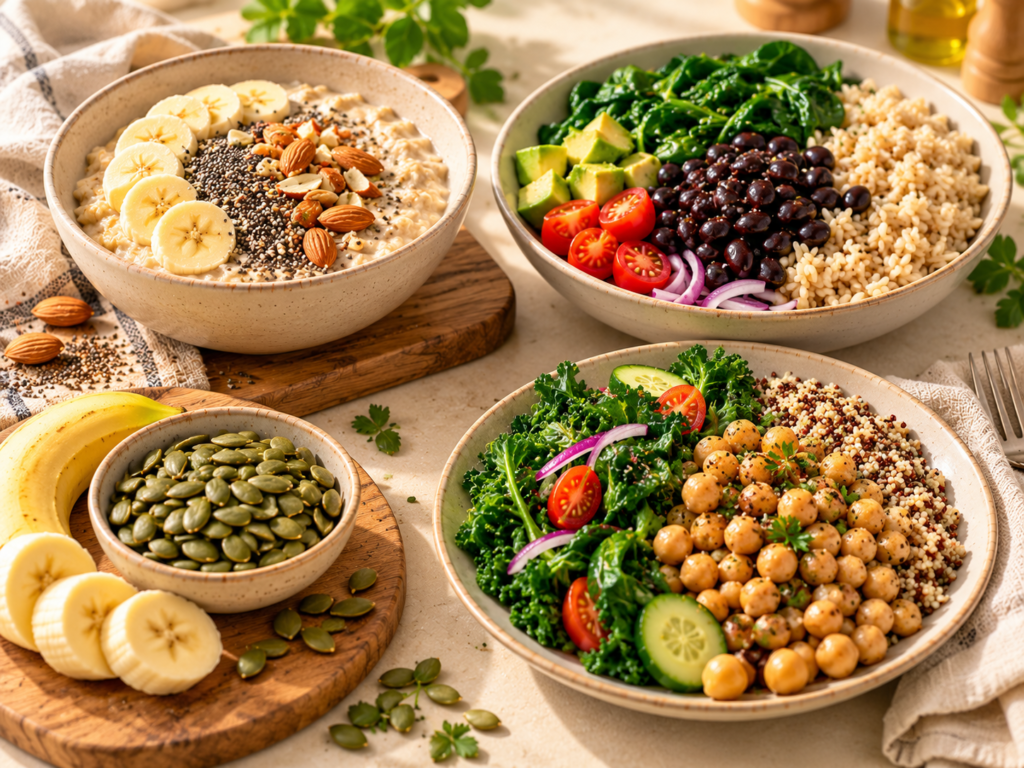
| Breakfast | Oatmeal with chia seeds and almonds | Combines whole grains, seeds, and nuts |
| Morning snack | A small handful of pumpkin seeds | Adds a concentrated magnesium source |
| Lunch | Brown rice, black beans, and spinach | Combines grains, legumes, and greens |
| Afternoon snack | Plain yogurt with banana | Adds variety and other essential nutrients |
| Dinner | Chickpea and vegetable curry with quinoa | Provides legumes, vegetables, and whole grains |
| Optional treat | A small piece of dark chocolate | Adds some magnesium in a moderate portion |
You do not need to eat every food listed. Choose foods that suit your budget, dietary preferences, allergies, and medical needs.
Affordable magnesium-rich foods in Pakistan
For a practical food-first approach, consider commonly available options such as:
- Daal and beans: lentils, chickpeas, kidney beans, and black-eyed peas.
- Seeds: pumpkin seeds and other edible seeds, where affordable.
- Nuts: peanuts and almonds in suitable portions.
- Whole grains: oats, whole-wheat roti, and brown rice.
- Vegetables: spinach, saag, and other leafy greens.
- Other foods: bananas and locally available vegetables as part of a varied diet.
Food composition varies, and affordability changes by season and location. You do not need expensive imported superfoods to build a magnesium-supportive diet.
best iron-rich foods” or “essential vitamins and minerals guide.
Can Food Alone Correct Magnesium Deficiency?
For many people, choosing more magnesium-rich foods can help improve inadequate dietary intake. However, a confirmed magnesium deficiency may not be corrected by diet alone, particularly if a medical condition or medication is causing substantial magnesium loss.
Your healthcare professional may recommend:
- Reviewing your symptoms, dietary intake, medications, and medical history.
- Checking magnesium and other relevant blood measurements when indicated.
- Treating an underlying cause, if identified.
- Adjusting your diet to include more magnesium-rich foods.
- Using magnesium supplements or prescribed treatment when clinically appropriate.
A blood magnesium test is useful, but most magnesium is stored in bones and tissues rather than circulating in blood. Results therefore need to be interpreted alongside symptoms, medical history, and other relevant findings.
Do not use muscle cramps or fatigue alone to diagnose magnesium deficiency, and do not assume that increasing magnesium will resolve symptoms caused by another condition.
Magnesium-Rich Foods for Different Dietary Needs
For vegetarians
Vegetarians can obtain magnesium from legumes, whole grains, nuts, seeds, leafy vegetables, and soy foods. Combining several of these food groups throughout the day supports a varied nutrient intake.
For vegans
Plant-based magnesium sources include pumpkin seeds, chia seeds, almonds, beans, lentils, oats, quinoa, spinach, and edamame. A well-planned vegan diet can provide magnesium without animal products.
For adults with busy schedules
Keep convenient options available, such as unsalted nuts, pumpkin seeds, oatmeal, canned beans, and frozen vegetables. These can make nutritious meals easier when time is limited.
For older adults
Older adults should prioritize varied meals containing magnesium-rich foods. Because kidney function, medication use, and medical conditions can affect magnesium balance, supplements should be discussed with a healthcare professional when needed.
For people managing blood sugar
Legumes, whole grains, nuts, and seeds provide magnesium alongside fiber and other nutrients. These foods can fit into a balanced eating pattern, but they should not be presented as a replacement for diabetes treatment or as a guaranteed way to control blood glucose.
Frequently Asked Questions About Magnesium Deficiency and Foods High in Magnesium
1. What are the best foods to eat for magnesium deficiency?
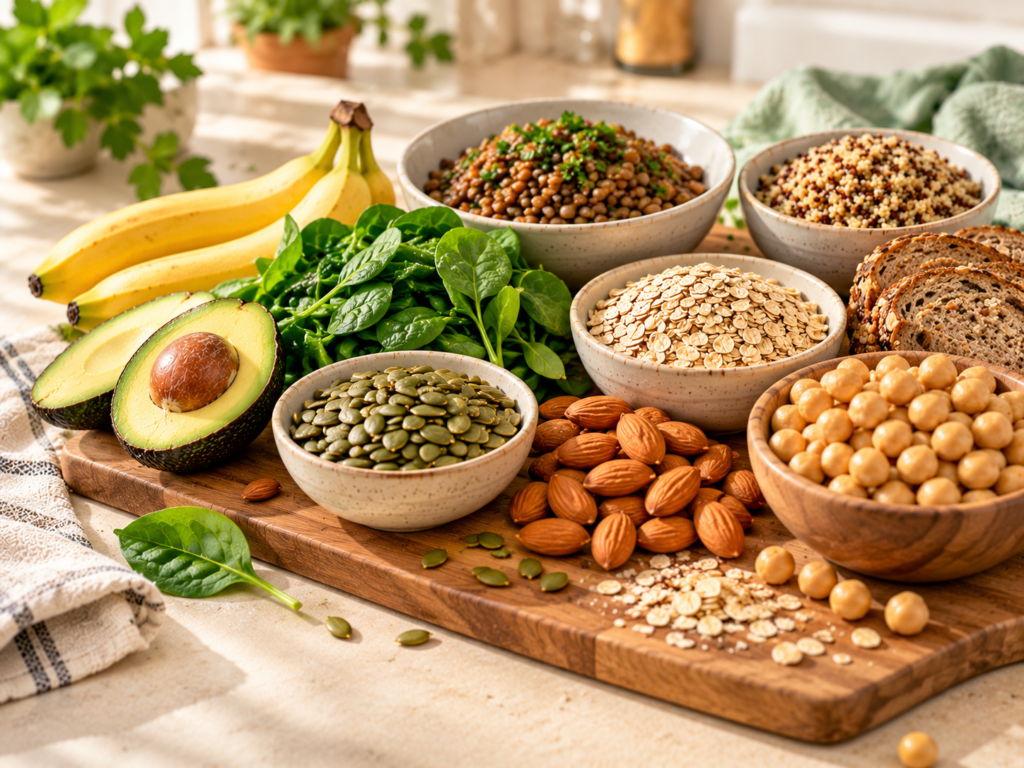
Pumpkin seeds, chia seeds, almonds, cashews, spinach, black beans, chickpeas, oats, quinoa, and brown rice are useful sources. If a deficiency has been diagnosed, ask your healthcare professional whether dietary changes are sufficient.
2. Which food contains the most magnesium?
Among common foods, pumpkin seeds are particularly concentrated in magnesium, providing approximately 156 mg per ounce. Exact values vary by food variety and preparation.
3. What are the early signs of magnesium deficiency?
Early deficiency may cause no noticeable symptoms. When symptoms occur, they may include fatigue, weakness, reduced appetite, nausea, or muscle cramps. These symptoms have many possible causes and cannot confirm deficiency on their own.
4. Can bananas help with magnesium deficiency?
Bananas contribute magnesium, but a medium banana provides only around 32 mg. They are best included alongside more concentrated sources such as seeds, nuts, legumes, and whole grains.
5. How can I increase magnesium naturally without supplements?
Include magnesium-rich foods at multiple meals. Try oatmeal with seeds for breakfast, beans and whole grains for lunch, and leafy greens with chickpeas or lentils at dinner. Consistency and dietary variety are more useful than relying on one food.
6. How long does it take to correct magnesium deficiency with food?
There is no single timeline. It depends on the severity of the deficiency, the amount of magnesium consumed, absorption, ongoing losses, and underlying health conditions. A clinically significant deficiency may need medical treatment rather than dietary changes alone.
7. Is magnesium deficiency responsible for muscle cramps?
Low magnesium can contribute to muscle cramps in some circumstances, but cramps are not specific to magnesium deficiency. Dehydration, strenuous activity, medication effects, and other conditions can also cause them.
8. Are magnesium supplements better than magnesium-rich foods?
Not necessarily. Foods provide magnesium along with other useful nutrients, and they are an appropriate starting point for improving low dietary intake. Supplements may be appropriate when recommended for a specific need, but excessive supplemental magnesium can cause diarrhea and, in susceptible people, more serious complications.
9. Can I get enough magnesium from a vegetarian diet?
Yes. Nuts, seeds, legumes, whole grains, leafy vegetables, and soy foods can all contribute substantial magnesium. Eating a variety of these foods helps support adequate intake.
10. Can too much magnesium be harmful?
Excess magnesium from supplements or magnesium-containing medications can cause diarrhea, nausea, and abdominal discomfort. Very high levels can be dangerous, particularly for people with impaired kidney function. The US adult upper limit for magnesium from supplements and medications is 350 mg daily unless a healthcare professional advises otherwise; magnesium naturally present in food does not count toward this limit.
Conclusion
Magnesium deficiency foods high in magnesium deserve a place in a practical, balanced nutrition plan. Pumpkin seeds, chia seeds, almonds, beans, leafy greens, oats, quinoa, and other whole foods can help you increase magnesium intake without depending on a single ingredient or expensive product.
Start with small, sustainable changes: add seeds to breakfast, choose legumes more often, replace some refined grains with whole grains, and include leafy vegetables in your meals. These habits can help you work toward your daily magnesium requirements while improving the overall quality of your diet.
If you experience persistent fatigue, muscle weakness, cramps, tingling, or other concerning symptoms, do not assume magnesium deficiency is the cause. Seek appropriate medical advice, particularly if you take medications or have a condition that affects nutrient absorption or kidney function. A balanced diet is an excellent foundation, while a confirmed deficiency may require individualized treatment.