
Zinc is an essential mineral involved in hundreds of processes in the human body. It helps support normal immune function, wound healing, cell division, DNA production, and growth. Your body also needs zinc for healthy skin and the normal senses of taste and smell.
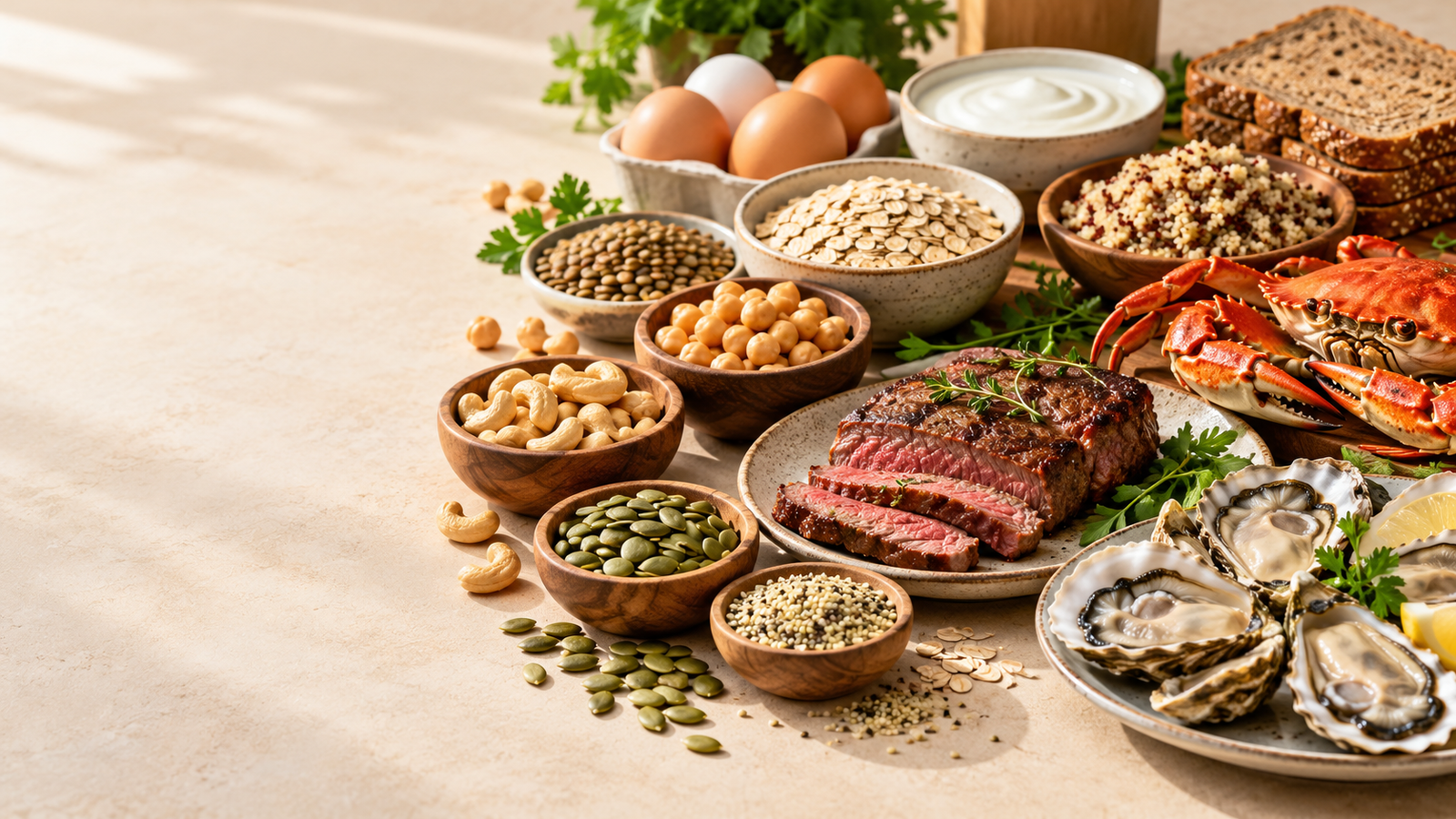
Because the body does not store large amounts of zinc for long-term use, getting enough through food is important. Fortunately, zinc is found in many everyday foods, including seafood, meat, seeds, nuts, legumes, dairy products, and whole grains.
Understanding the main zinc benefits can help you make informed decisions about your diet and recognize why this mineral matters at every stage of life. This guide explains eight important functions of zinc, the best food sources, daily requirements, signs of deficiency, and what to know about supplements.
Key Takeaways
- Zinc supports normal immune function and helps the body maintain its defenses.
- It contributes to wound healing, DNA synthesis, protein production, and cell division.
- Adequate zinc is important for normal growth and development.
- Zinc helps maintain healthy skin and the senses of taste and smell.
- Oysters, beef, seafood, seeds, beans, nuts, and fortified foods can supply zinc.
- Zinc deficiency can cause health problems, but symptoms alone cannot confirm a deficiency.
- High-dose zinc supplements can cause side effects and interfere with copper absorption.
What Does Zinc Do for the Body?
Zinc is a trace mineral, which means your body needs it in relatively small amounts. Despite this, it plays important roles in immune activity, gene expression, enzyme function, tissue maintenance, and normal development.
Zinc is involved in the activity of many enzymes and proteins. It also helps cells grow, divide, and carry out their normal functions.
Your body gets zinc from food and absorbs it mainly in the small intestine. The amount absorbed depends on the food source, your overall diet, and individual health factors.
8 Important Zinc Benefits
1. Supports Normal Immune Function
One of the best-known zinc benefits is its role in the immune system. Zinc is required for the normal development and function of immune cells that help the body respond to infections and other challenges.
Getting enough zinc helps maintain normal immune defenses. However, taking extra zinc does not automatically make your immune system stronger, and supplements are not a guaranteed way to prevent illness.
How to support adequate zinc intake:
- Eat a varied diet that includes zinc-rich foods.
- Include beans, nuts, seeds, seafood, or meat according to your preferences.
- Ask a healthcare professional about possible deficiency if you have persistent concerns or risk factors.
2. Helps With Wound Healing
Zinc contributes to the processes involved in tissue repair. It supports cell division, protein synthesis, and other functions needed for normal skin maintenance and wound healing.
People with zinc deficiency may experience impaired wound healing. However, extra zinc does not necessarily speed healing in people who already get enough.
Practical tip: Include zinc-containing foods as part of a balanced diet. Seek medical advice for wounds that are deep, infected, unusually painful, or slow to heal.
3. Maintains Healthy Skin
Zinc plays a role in normal skin structure, cell growth, and tissue maintenance. Adequate intake helps support the body’s natural processes for maintaining healthy skin.
Zinc is sometimes discussed in relation to acne and other skin concerns, but results from studies vary. It should not be presented as a guaranteed acne treatment or a replacement for appropriate skincare or medical care.
Food sources to consider: Beef, oysters, pumpkin seeds, chickpeas, lentils, and dairy products can contribute to daily zinc intake.
4. Supports Normal Growth and Development
Zinc is essential for cell division, protein production, and DNA synthesis. These processes are especially important during childhood, adolescence, pregnancy, and other periods of rapid growth.
Children and teenagers need enough zinc to support normal development. Pregnant people also need adequate zinc as part of a balanced diet, although individual needs should be discussed with a qualified healthcare professional when necessary.
Practical tip: Include a variety of nutrient-rich foods in family meals, such as eggs, dairy products, legumes, whole grains, and suitable protein sources.
5. Helps Maintain Taste and Smell
Zinc is involved in the normal functioning of the senses of taste and smell. Inadequate zinc can contribute to changes in these senses, although other medical conditions and medications can also cause them.
Persistent changes in taste or smell should not automatically be attributed to zinc deficiency.
What to do: If you notice unexplained or ongoing changes, seek medical advice rather than starting high-dose zinc supplements on your own.
6. Supports DNA Synthesis and Cell Division
Zinc is needed for normal DNA synthesis, gene expression, and cell division. These functions allow cells to grow, repair themselves, and maintain normal tissues.
Because these processes occur throughout the body, adequate zinc is important for overall health, not just one organ or system.
7. Contributes to Protein Synthesis
Your body uses protein to build and maintain muscles, skin, enzymes, and many other structures. Zinc supports the biological processes involved in protein synthesis.
Zinc is not a substitute for dietary protein, but it helps your body use nutrients as part of normal cellular function.
Meal idea: Combine eggs or yogurt with whole grains at breakfast, or include beans, lentils, fish, or lean meat in lunch and dinner.
8. Supports Reproductive Health
Zinc is involved in normal reproductive development and function in both males and females. Severe deficiency can interfere with reproductive processes, while adequate zinc helps maintain normal physiological function.
However, zinc supplements should not be promoted as a guaranteed fertility treatment or a way to increase testosterone in people who already have sufficient zinc.
If you have concerns about fertility, hormonal symptoms, or reproductive health, speak with a qualified healthcare professional for an appropriate assessment.
Best Food Sources of Zinc
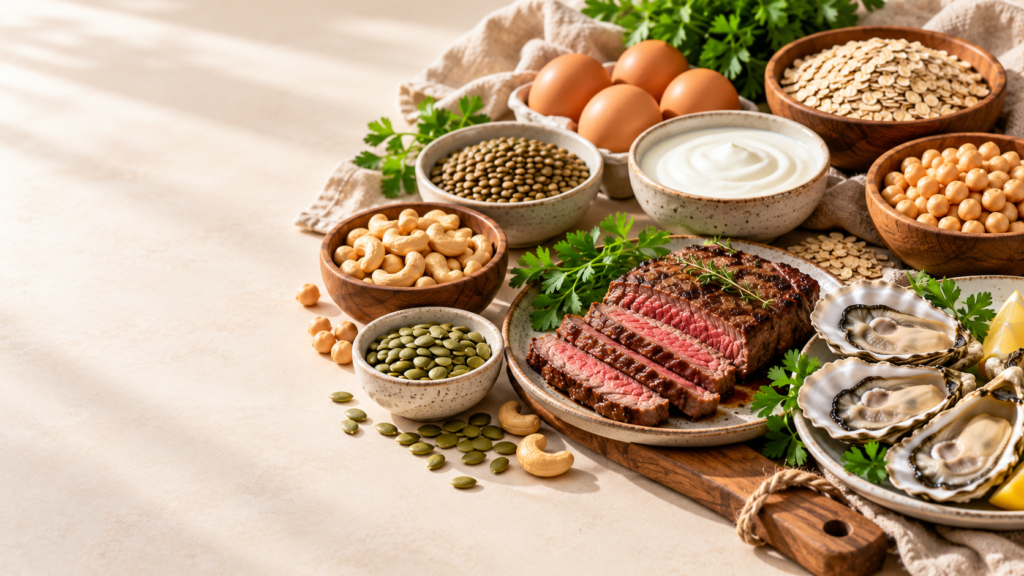
Food is a useful starting point for meeting daily zinc requirements. Both animal-based and plant-based foods can contribute to your intake, although zinc absorption differs between sources.
The following table gives approximate amounts for common serving sizes.
| Food | Typical serving | Approx. zinc |
|---|---|---|
| Oysters, cooked | 3 oz (85 g) | 20–50+ mg |
| Beef, cooked | 3 oz (85 g) | 4–8 mg |
| Crab, cooked | 3 oz (85 g) | 3–7 mg |
| Pork, cooked | 3 oz (85 g) | 2–4 mg |
| Pumpkin seeds | 1 oz (28 g) | 2–3 mg |
| Hemp seeds | 1 oz (28 g) | 2–3 mg |
| Chickpeas, cooked | 1 cup | 2–3 mg |
| Lentils, cooked | 1 cup | 2–3 mg |
| Cashews | 1 oz (28 g) | 1.5–2 mg |
| Oats, dry | ½ cup | 1–2 mg |
| Plain yogurt | 1 cup | 1–2 mg |
| Eggs | 2 large | About 1–1.5 mg |
| Milk | 1 cup | About 1 mg |
These figures are approximate and can vary by species, product, serving size, and preparation. Oysters can contain exceptionally high amounts of zinc. Consult food labels or a reliable food-composition database for more precise values.
Animal-Based Sources
Oysters, beef, crab, and pork are useful sources of zinc. Zinc from many animal foods is generally more readily absorbed than zinc from plant foods containing phytates.
Choose a variety of protein sources, including seafood, poultry, eggs, and suitable plant foods, rather than relying on a single food.
Plant-Based Sources
Pumpkin seeds, hemp seeds, chickpeas, lentils, cashews, oats, and whole grains can help supply zinc.
Many plant foods contain phytates, which can reduce zinc absorption. Soaking, sprouting, or fermenting certain grains and legumes may reduce phytate levels, depending on the food and preparation method.
People following vegetarian or vegan diets can obtain zinc from plant foods and appropriately fortified products. Planning a varied diet is particularly helpful.
How Much Zinc Do You Need Each Day?
Recommended intake varies with age, sex, and life stage. The following are U.S. recommended dietary allowance (RDA) values.
| Life stage | Recommended zinc per day |
|---|---|
| Children 1–3 years | 3 mg |
| Children 4–8 years | 5 mg |
| Children 9–13 years | 8 mg |
| Boys 14–18 years | 11 mg |
| Girls 14–18 years | 9 mg |
| Adult men | 11 mg |
| Adult women | 8 mg |
| Pregnant adults | 11 mg |
| Breastfeeding adults | 12 mg |
These are general reference values and may differ from recommendations used in other countries. Individual needs can vary depending on health and nutritional circumstances.
For more information, consult the NIH Office of Dietary Supplements — Zinc Fact Sheet.
Signs of Zinc Deficiency
Zinc deficiency can affect several body functions. Possible signs include:
- Reduced appetite.
- Changes in taste or smell.
- Slow wound healing.
- Hair loss.
- Skin changes.
- Impaired growth in children.
- Increased susceptibility to infections in some cases.
These symptoms are not specific to zinc deficiency and may have other causes. A healthcare professional can assess your diet, symptoms, medical history, and whether testing or treatment is appropriate.
Who May Be at Greater Risk?
People who may have a higher risk of inadequate zinc intake or absorption include those who:
- Follow restrictive diets without careful planning.
- Have certain gastrointestinal conditions that impair nutrient absorption.
- Have limited access to a varied diet.
- Have increased nutritional requirements during particular life stages.
A healthcare professional or registered dietitian can help assess individual needs and identify suitable food choices.
Zinc Supplements: Benefits and Safety
Zinc supplements may be useful for people with a diagnosed deficiency or a specific medical need. However, they are not automatically necessary for people who already meet their requirements through food.
Can You Take Too Much Zinc?
Yes. Excessive zinc intake can cause nausea, vomiting, stomach discomfort, and reduced appetite. Long-term high intake can interfere with copper absorption and lead to copper deficiency.
For adults in the United States, the tolerable upper intake level is 40 mg per day from all sources, including food and supplements. This is a safety limit, not a recommended target. Children have lower upper limits, and medical treatment may require different doses under professional supervision.
Zinc supplements can interact with certain antibiotics and other medications. Ask a healthcare professional or pharmacist about safe use, especially if you take regular medication or use multiple supplements.
Should You Take Zinc Every Day?
Not everyone needs a zinc supplement. If you eat a varied diet and meet your nutritional requirements, additional zinc may offer no benefit and could cause harm if the dose is too high.
Before starting a supplement, review your diet and discuss persistent symptoms or specific health concerns with a qualified healthcare professional.
Easy Ways to Get Enough Zinc Through Food
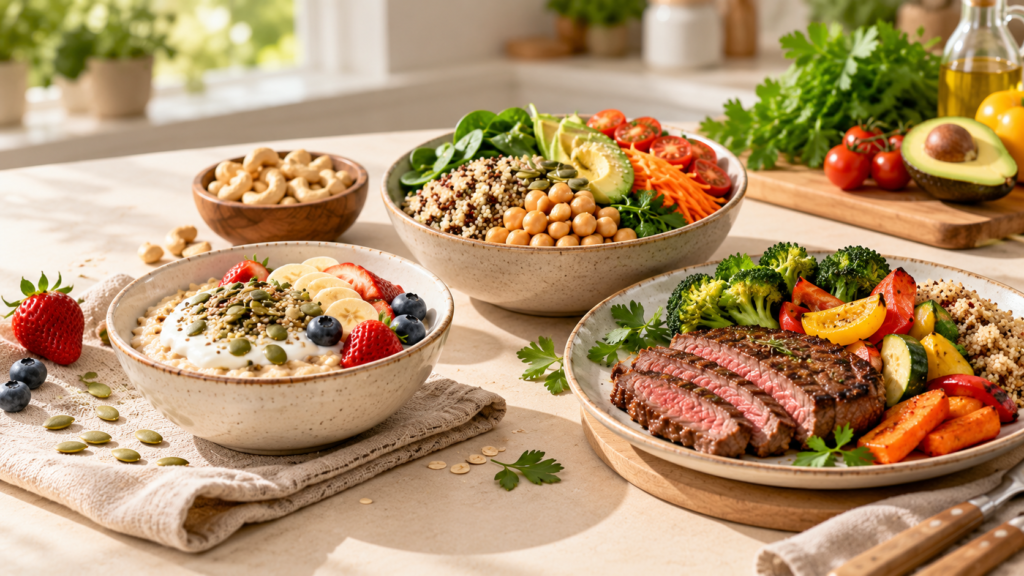
Small changes can help you include more zinc-containing foods in your routine.
At breakfast
- Add pumpkin seeds to oatmeal.
- Serve eggs with whole-wheat toast.
- Choose a zinc-fortified cereal after checking the label.
At lunch
- Prepare chickpea or lentil salad.
- Add chicken or lean beef to a whole-grain wrap.
- Include beans in soup or a grain bowl.
At dinner
- Serve cooked seafood or lean meat with vegetables.
- Prepare lentil dal, bean chili, or a quinoa bowl.
- Sprinkle seeds over roasted vegetables.
For snacks
- Enjoy a small portion of cashews.
- Pair plain yogurt with seeds.
- Try roasted chickpeas.
The goal is to meet your nutritional needs through a varied, sustainable eating pattern rather than relying on one “superfood.”
Frequently Asked Questions About Zinc Benefits
1. What are the main benefits of zinc?
Zinc supports normal immune function, wound healing, growth, DNA synthesis, protein production, and the senses of taste and smell. Adequate intake is important for maintaining normal body functions.
2. What does zinc do for the immune system?
Zinc supports the development and function of immune cells. Getting enough zinc helps maintain normal immune defenses, but extra zinc does not guarantee protection against infections.
3. Does zinc help with skin health?
Zinc contributes to normal skin maintenance and tissue repair. Research on zinc supplements for specific skin conditions, including acne, varies, so supplementation should not be treated as a guaranteed solution.
4. What are the best foods for zinc benefits?
Oysters, beef, crab, pumpkin seeds, hemp seeds, chickpeas, lentils, cashews, and some fortified cereals are useful sources. The best choices depend on your dietary preferences and nutritional needs.
5. How much zinc should adults get daily?
The U.S. RDA is 11 mg per day for adult men and 8 mg per day for adult women. Requirements increase during pregnancy and breastfeeding.
6. What are the symptoms of zinc deficiency?
Possible signs include reduced appetite, changes in taste or smell, slow wound healing, hair loss, and skin changes. These symptoms can have many causes, so professional assessment is important.
7. Is zinc from food better than zinc supplements?
Food is generally the best starting point because it provides zinc alongside other nutrients. Supplements can help when medically indicated, but excessive doses can be harmful.
8. Can zinc supplements improve immunity if I am not deficient?
Extra zinc is not guaranteed to improve immune function in people who already get enough. High doses can cause side effects and interfere with copper absorption.
Conclusion
The main zinc benefits come from its essential role in normal immune function, wound healing, growth, cell division, protein production, and the senses of taste and smell. Getting enough zinc is important, but more is not always better.
A varied diet that includes seafood, meat, seeds, beans, nuts, dairy products, whole grains, and suitable fortified foods can help you meet your needs. If you follow a restrictive diet or have concerns about deficiency, seek advice from a qualified healthcare professional before using high-dose supplements.
Start with one practical step today: add pumpkin seeds to breakfast, include legumes at lunch, or choose a zinc-rich protein at dinner.