
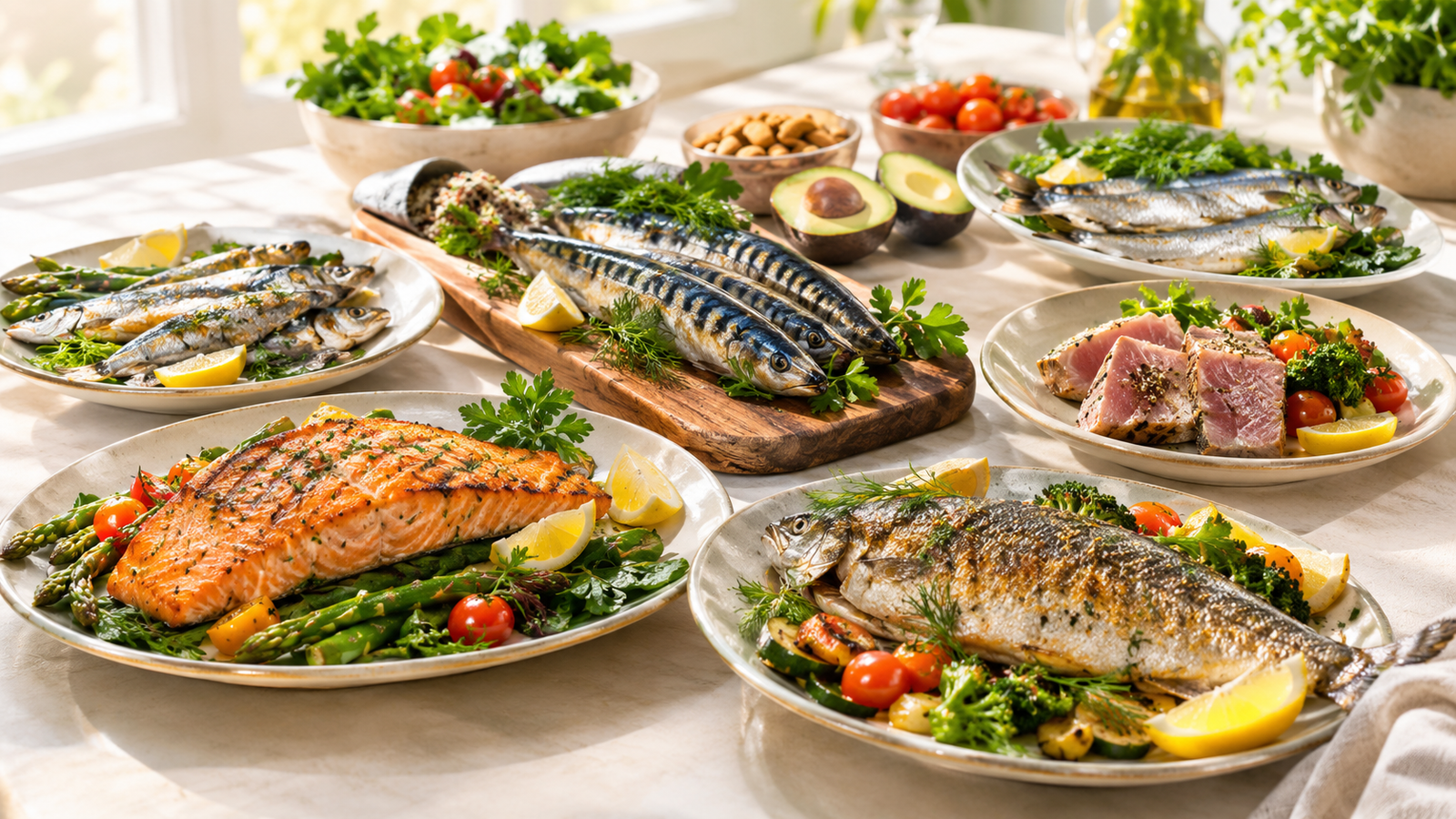
If you’re looking for natural foods that can help increase your vitamin D intake, fish high in vitamin D are among the most useful options to include in a balanced diet. Fatty fish in particular can provide meaningful amounts of vitamin D while also supplying high-quality protein and beneficial omega-3 fatty acids.
Some of the best fish high in vitamin D include salmon, trout, mackerel, sardines, tuna, and herring. However, the amount of vitamin D can vary considerably depending on the species, whether the fish is wild or farmed, and how it is prepared.
Key Takeaways
- Fatty fish are some of the best natural dietary sources of vitamin D.
- Salmon, trout, mackerel, sardines, tuna, and herring are excellent choices.
- Vitamin D content varies by fish species and product.
- Fish can provide vitamin D alongside protein and omega-3 fatty acids.
- Eating a variety of seafood can make it easier to build a nutrient-dense diet.
- Preparation methods such as grilling, baking, or broiling can help create nutritious meals without relying on heavy sauces.
- Fish is only one part of a healthy vitamin D strategy; fortified foods, sunlight exposure, and supplements may also be relevant depending on individual circumstances.
Why Is Vitamin D Important?
Vitamin D plays several important roles in the body. It helps the body absorb calcium and supports normal bone health. Vitamin D is also involved in normal muscle and immune function.
Because relatively few foods naturally contain substantial amounts of vitamin D, choosing foods that provide this nutrient can be useful for people trying to build a more nutrient-dense diet.
Learn more about vitamin D and its health role
Fish is particularly interesting because many varieties provide more than one nutritional benefit. Along with vitamin D, many fish provide protein, selenium, vitamin B12, and, in fatty varieties, omega-3 fatty acids.
7 Best Fish High in Vitamin D
1. Salmon
Salmon is one of the most popular fish high in vitamin D and an easy choice for regular meals.
Different types of salmon can contain different amounts of vitamin D, but salmon is generally considered a valuable dietary source. Fatty salmon also provides omega-3 fatty acids such as EPA and DHA, along with high-quality protein.
Try salmon:
- Baked with lemon and herbs
- Grilled with vegetables
- Added to salads
- Served with brown rice or quinoa
- Flaked into whole-grain wraps
When choosing salmon, compare nutrition labels when available because vitamin D levels can vary between products.
2. Rainbow Trout
Rainbow trout is another excellent choice when you’re looking for the best fish for vitamin D.
Trout provides high-quality protein and beneficial fats while offering vitamin D. Its mild flavor also makes it versatile for people who don’t particularly enjoy strongly flavored seafood.
A simple preparation is to bake trout with lemon, garlic, black pepper, and fresh herbs. Serve it alongside roasted vegetables for a balanced meal.
3. Mackerel
Mackerel is a nutrient-dense oily fish that can contribute a significant amount of vitamin D to the diet.
It is also known for its omega-3 content and rich flavor. Because mackerel can have a stronger taste than salmon or trout, it works particularly well with acidic ingredients such as lemon or vinegar-based dressings.
Important: Not every type of mackerel has the same nutritional profile. When purchasing mackerel, check the species and nutrition information, and follow local seafood guidance regarding species-specific mercury exposure.
4. Sardines
Sardines are small oily fish that can be an affordable and convenient source of several nutrients.
Depending on the product, sardines can provide vitamin D along with protein, omega-3 fatty acids, vitamin B12, and minerals. Canned sardines are particularly convenient because they require little preparation.
You can add sardines to:
- Whole-grain toast
- Salads
- Pasta
- Grain bowls
- Tomato-based dishes
Choose products with lower sodium if you’re trying to limit your salt intake.
5. Tuna
Tuna can contribute vitamin D to the diet, particularly certain types and preparations.
Canned tuna is especially convenient because it can be stored for long periods and used in quick meals. However, tuna varieties differ in mercury content, so seafood choices should be varied rather than relying on one fish every day.
For an easy lunch, combine tuna with plain yogurt or a small amount of olive-oil-based dressing, vegetables, herbs, and whole grains.
6. Herring
Herring is another oily fish that deserves attention when discussing vitamin D rich fish.
It has traditionally been eaten in many parts of the world and can provide vitamin D, omega-3 fatty acids, protein, and other nutrients.
Fresh, smoked, pickled, and canned herring have different nutritional characteristics. If choosing processed versions, check the sodium and added-sugar content on the label.
7. Other Fatty Fish
The list doesn’t end with the six varieties above. Other seafood can also contribute vitamin D, although amounts vary.
Depending on availability, you may also encounter:
- Halibut
- Swordfish
- Eel
- Certain types of whitefish
- Other oily fish
The exact vitamin D content depends on the species and product, so nutrition labels and reputable food-composition databases are useful when you want precise values.
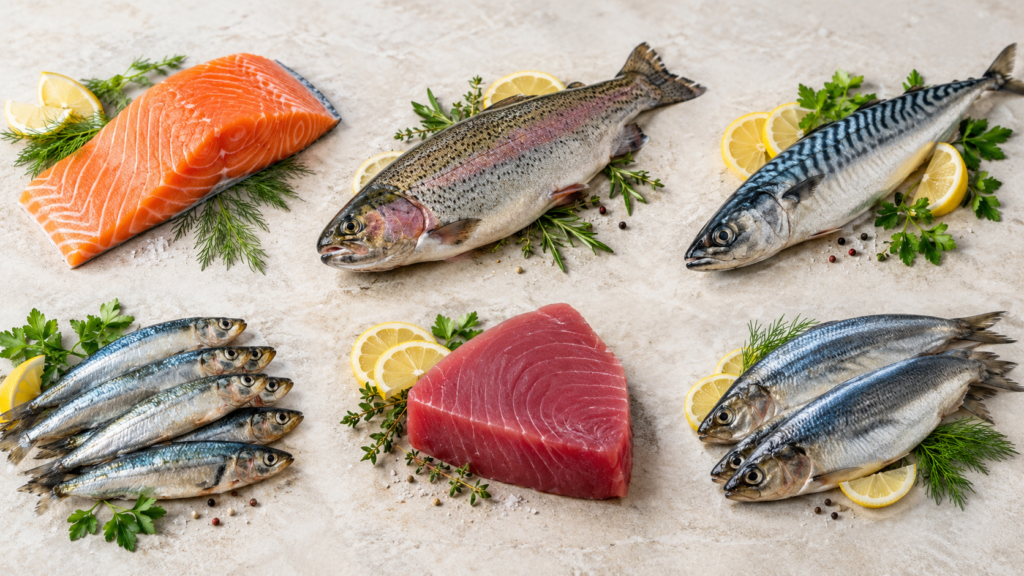
Vitamin D Content in Fish: What You Should Know
It’s tempting to rank fish solely by their vitamin D content, but there is an important complication: vitamin D levels are not identical in every serving of a particular fish.
The amount can vary because of:
- Fish species
- Wild versus farmed fish
- Where the fish was raised or caught
- Season
- Portion size
- Processing
- Cooking method
- The specific product or brand
For that reason, nutrition databases may report different values for what appears to be the same type of fish.
If you’re specifically tracking vitamin D intake, use the nutrition information for the exact product you’re eating whenever possible.
Fatty Fish vs. Lean Fish for Vitamin D
In general, fatty fish tend to be more useful sources of vitamin D than many lean fish.
Fatty fish include varieties such as:
- Salmon
- Mackerel
- Sardines
- Herring
- Trout
Their nutritional value isn’t limited to vitamin D. Many also provide omega-3 fatty acids, which makes them particularly useful components of a balanced eating pattern.
Lean fish can still be nutritious and excellent sources of protein, but they may not provide the same combination of vitamin D and healthy fats.
How to Eat More Fish High in Vitamin D
Adding nutrient-rich fish to your diet doesn’t need to involve complicated recipes.
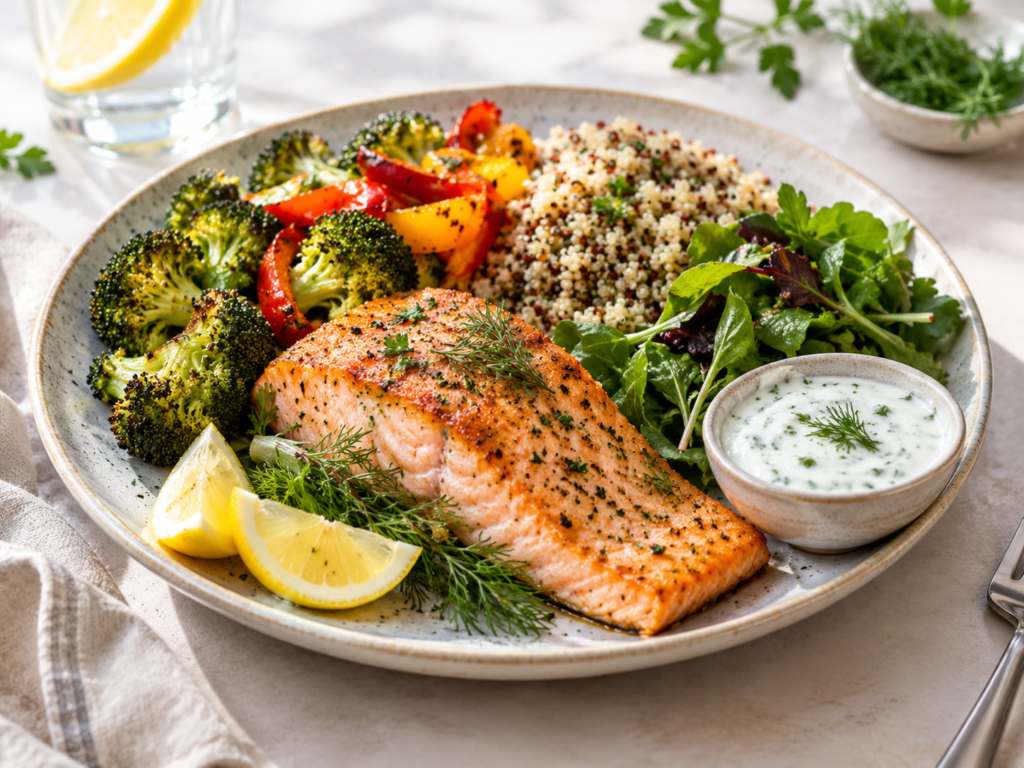
Make a Simple Salmon Bowl
Combine baked salmon with brown rice, cucumber, leafy greens, avocado, and lemon.
Prepare Herb-Roasted Trout
Season trout with garlic, dill, black pepper, and lemon before baking it until cooked through.
Add Sardines to Toast
Top whole-grain toast with sardines, tomato, fresh herbs, and lemon juice for a quick meal.
Make a Tuna Salad
Mix tuna with crunchy vegetables and a lighter dressing, then serve it over greens or in a whole-grain wrap.
Try Mackerel With Roasted Vegetables
Pair grilled or baked mackerel with broccoli, carrots, and a whole grain for a simple nutrient-dense dinner.
Healthy fish recipes for easy weeknight meals
How Much Fish Should You Eat?
The healthiest approach is usually to focus on variety rather than eating the same fish repeatedly.
Seafood can fit into a balanced dietary pattern, but recommended amounts depend on factors such as age, overall diet, pregnancy status, and individual health considerations.
When selecting seafood regularly, consider both nutritional value and mercury exposure. Larger predatory fish can accumulate more mercury, so varying the types of seafood you eat can be a sensible strategy.
For specific recommendations, consult authoritative dietary guidance relevant to your age and circumstances.
Fish, Vitamin D, and Mercury
The nutritional benefits of fish need to be considered alongside food-safety guidance.
Mercury exposure varies considerably among different seafood species. Some fish are generally lower in mercury, while certain large predatory species can contain higher levels.
This doesn’t mean you should avoid fish altogether. Instead, choose a variety of seafood and follow recommendations from reputable health and food-safety authorities.
Check current seafood and mercury guidance
Can Cooking Affect Vitamin D in Fish?
Cooking can change the nutritional composition of food, but the effect on vitamin D depends on the food and cooking method.
Rather than focusing on one “perfect” cooking method, prioritize preparations that help you enjoy fish regularly without excessive amounts of added salt, sugar, or saturated fat.
Good everyday options include:
- Baking
- Broiling
- Grilling
- Steaming
- Pan-searing with a modest amount of healthy oil
Avoid assuming that raw, grilled, baked, or canned fish will all have identical vitamin D values. The nutritional profile can vary from one product to another.
How to Choose the Best Fish for Vitamin D
When shopping for fish with vitamin D, use these practical tips:
1. Prioritize Fatty Fish
Salmon, trout, sardines, mackerel, and herring are good varieties to consider.
2. Check the Nutrition Label
If vitamin D is listed, compare products rather than relying on a generic value for the fish species.
3. Vary Your Seafood
Rotating several types of fish can help you benefit from different nutrients while reducing repeated exposure to contaminants associated with particular species.
4. Keep Preparation Simple
Lemon, herbs, garlic, olive oil, and vegetables can turn fish into a flavorful meal without requiring heavy sauces.
5. Consider Sustainability and Quality
Where possible, choose responsibly sourced seafood and products from reputable suppliers.
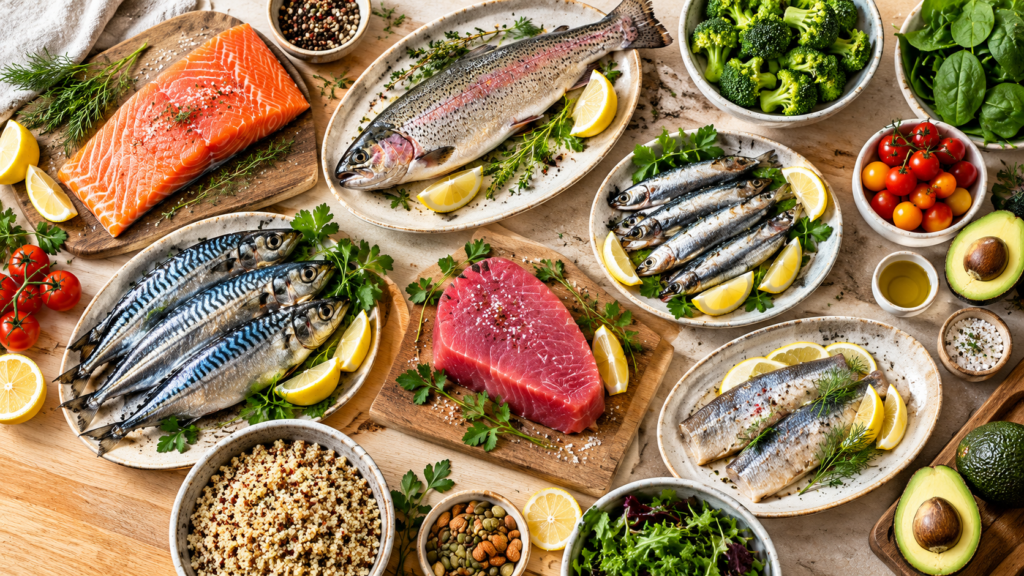
Are Fish the Only Foods That Provide Vitamin D?
No. Fish are among the most useful natural food sources of vitamin D, but they aren’t the only dietary option.
Some foods are fortified with vitamin D, including certain:
- Milk products
- Plant-based milk alternatives
- Breakfast cereals
- Other fortified foods
Egg yolks and some mushrooms can also contribute vitamin D, although the amounts and forms can vary.
For people who have difficulty obtaining enough vitamin D through food and sunlight, a healthcare professional may recommend a supplement based on individual needs.
Frequently Asked Questions
What are the best fish high in vitamin D?
Some of the best choices include salmon, rainbow trout, mackerel, sardines, tuna, and herring. Vitamin D levels vary by species, product, and preparation.
Which fish has the most vitamin D?
There isn’t one universal winner because vitamin D concentrations vary among species and even between individual products. Fatty fish such as salmon, trout, mackerel, sardines, and herring are among the most useful choices.
Is salmon high in vitamin D?
Yes. Salmon is a recognized dietary source of vitamin D and also provides protein and omega-3 fatty acids.
Are sardines a good source of vitamin D?
Yes. Sardines can provide vitamin D along with protein, omega-3 fatty acids, and other nutrients. Canned sardines can be a convenient option.
Is canned tuna high in vitamin D?
Canned tuna can contribute vitamin D, although the amount varies by tuna species and product. Check the nutrition label when precise intake matters.
What fish is high in vitamin D and omega-3?
Fatty fish such as salmon, mackerel, sardines, herring, and trout can provide both vitamin D and omega-3 fatty acids.
Can eating fish help increase vitamin D intake?
Yes. Including vitamin D-rich fish as part of a balanced diet can increase dietary vitamin D intake. However, total vitamin D status depends on dietary intake, sunlight exposure, absorption, and other individual factors.
How often should I eat fish for vitamin D?
Rather than relying on one fish every day, aim for a varied seafood pattern consistent with current dietary and food-safety guidance. Individual needs can differ.
Conclusion
The best fish high in vitamin D include salmon, rainbow trout, mackerel, sardines, tuna, and herring. These fish can make valuable additions to a balanced diet because they provide vitamin D alongside other important nutrients such as protein and, in many cases, omega-3 fatty acids.
The key is variety. Choose different types of seafood, pay attention to serving sizes and nutrition labels, and consider mercury guidance when making regular seafood choices. Simple preparations such as baking, grilling, and broiling can make vitamin D-rich fish an easy part of everyday meals.
If you’re trying to improve your vitamin D intake, fish can be an excellent place to start—but a balanced overall diet and individualized health guidance matter just as much.
2 thoughts on “Best fish high in vitamin D”