

Zinc is an essential mineral that supports immune function, wound healing, normal growth, DNA synthesis, and many important processes in the body. Because the body does not store large amounts of zinc for long-term use, getting enough through a balanced diet is important.
The good news is that you can find zinc in a variety of everyday foods, from seafood and meat to beans, seeds, nuts, dairy products, and whole grains. The amount varies considerably by food and serving size, so knowing which options provide the most zinc can help you make more informed choices.
This guide to zinc rich foods covers 20 natural food sources, approximate zinc amounts, vegetarian options, daily requirements, and practical meal ideas.
Key Takeaways
- Oysters are among the richest dietary sources of zinc, although their zinc content varies by species and serving.
- Beef, crab, poultry, dairy products, beans, lentils, nuts, and seeds can all contribute zinc.
- Pumpkin seeds, chickpeas, oats, and cashews are useful plant-based choices.
- Zinc from animal foods is generally more readily absorbed than zinc from many plant foods.
- A varied diet is usually the best starting point for meeting your daily zinc needs.
- Zinc supplements are not automatically necessary if you already get enough from food.
What Are Zinc Rich Foods?
Zinc-rich foods are foods that provide meaningful amounts of zinc per serving. Zinc is involved in immune-system activity, cell division, protein synthesis, wound healing, and normal taste and smell.
The best dietary sources include shellfish, meat, poultry, dairy products, legumes, nuts, seeds, and whole grains. However, a food’s zinc content alone does not tell the whole story. Serving size, overall dietary pattern, and zinc absorption also matter.
20 Zinc Rich Foods to Add to Your Diet
The following table gives approximate zinc amounts for common serving sizes. Values are estimates based on typical food-composition data; the exact amount depends on the variety, brand, preparation method, and serving size.
| Food | Typical serving | Approx. zinc |
|---|---|---|
| 1. Oysters, cooked | 3 oz (85 g) | 20–50+ mg |
| 2. Beef, cooked | 3 oz (85 g) | 4–8 mg |
| 3. Crab, cooked | 3 oz (85 g) | 3–7 mg |
| 4. Pork, cooked | 3 oz (85 g) | 2–4 mg |
| 5. Lobster, cooked | 3 oz (85 g) | 2–4 mg |
| 6. Pumpkin seeds | 1 oz (28 g) | 2–3 mg |
| 7. Hemp seeds | 1 oz (28 g) | 2–3 mg |
| 8. Chickpeas, cooked | 1 cup | 2–3 mg |
| 9. Lentils, cooked | 1 cup | 2–3 mg |
| 10. Cashews | 1 oz (28 g) | 1.5–2 mg |
| 11. Oats, dry | ½ cup | 1–2 mg |
| 12. Fortified breakfast cereal | 1 serving | Varies; check label |
| 13. Yogurt, plain | 1 cup | 1–2 mg |
| 14. Milk | 1 cup | About 1 mg |
| 15. Cheddar cheese | 1 oz (28 g) | About 1 mg |
| 16. Chicken, cooked | 3 oz (85 g) | 1–3 mg |
| 17. Eggs | 2 large | About 1–1.5 mg |
| 18. Kidney beans, cooked | 1 cup | 1–2 mg |
| 19. Quinoa, cooked | 1 cup | 1–2 mg |
| 20. Whole-wheat bread | 2 slices | About 1 mg |
Important: Oysters can contain exceptionally high amounts of zinc, and values vary widely. The table is a practical guide, not a laboratory analysis of every food product.
1. Oysters
Oysters are one of the most concentrated dietary sources of zinc. They also provide protein and other nutrients, including vitamin B12 and selenium.
Because their zinc content can be extremely high, an ordinary serving may provide well above the daily requirement. Choose properly cooked oysters from reputable sources, especially if you are pregnant, immunocompromised, or otherwise at increased risk from foodborne illness.
2. Beef
Beef is a practical source of highly bioavailable zinc. A serving of lean cooked beef can contribute a substantial portion of an adult’s daily requirement.
Try grilled lean beef, beef and vegetable stir-fry, or a bean-and-beef bowl. Choose lean cuts more often and balance red meat with fish, poultry, legumes, and other protein sources.
3. Crab
Crab provides zinc along with protein and vitamin B12. It can be added to salads, soups, rice dishes, or whole-grain wraps.
Fresh, frozen, or canned crab may all contribute zinc, but nutritional values depend on the product. Check the label when comparing packaged options.
4. Pork
Pork, particularly lean cooked cuts, supplies zinc and protein. Tenderloin and other lean cuts can be used in balanced meals with vegetables and whole grains.
Avoid relying on processed meats as your main zinc source because they may contain substantial amounts of sodium and saturated fat.
5. Lobster
Lobster is another seafood source of zinc. It also provides protein and several other minerals.
Serve cooked lobster with vegetables, a salad, or a whole-grain side for a balanced meal. Seafood intake should fit your budget, preferences, and any relevant dietary guidance.
6. Pumpkin Seeds
Pumpkin seeds are among the most convenient plant-based zinc sources. They are easy to store and can be sprinkled over oatmeal, yogurt, soups, and salads.
A small handful offers zinc, healthy fats, protein, and other minerals. Unsalted pumpkin seeds are a useful everyday option if you are monitoring sodium intake.
7. Hemp Seeds
Hemp seeds provide zinc, protein, and unsaturated fats. Add them to smoothies, porridge, salads, or homemade energy bites.
They are especially useful for people who want to increase the variety of plant foods in their diet. Use the serving size on the package to estimate the amount of zinc you receive.
8. Chickpeas
Chickpeas contain zinc, fiber, protein, and folate. They are affordable, versatile, and suitable for many vegetarian and vegan meals.
Add chickpeas to curries, salads, soups, or roasted vegetable bowls. Canned chickpeas are convenient; draining and rinsing them can reduce some of their sodium.
9. Lentils
Lentils provide zinc alongside plant protein, fiber, iron, and folate. They work well in soups, dals, stews, and salads.
Soaking, sprouting, fermenting, and thorough cooking can reduce some compounds that interfere with mineral absorption. These methods can be useful additions to an overall varied diet.
10. Cashews
Cashews are a convenient source of zinc and unsaturated fats. Enjoy a small handful as a snack or add them to vegetable stir-fries, oatmeal, and homemade trail mix.
Choose plain or lightly salted varieties more often. People with nut allergies should avoid cashews and use suitable alternatives.
11. Oats
Oats contribute zinc as well as fiber, particularly beta-glucan, which can help support healthy cholesterol levels when eaten as part of an appropriate diet.
Prepare oatmeal with milk or a fortified alternative, then top it with pumpkin seeds, cashews, or yogurt. This combination can provide several sources of zinc in one meal.
12. Fortified Breakfast Cereal
Some breakfast cereals contain added zinc, and the amount can differ greatly between products. Check the nutrition label for zinc per serving and the percentage of the daily value.
Choose cereals that also provide fiber and contain less added sugar where possible. Fortification makes cereal a potentially useful option, but not every cereal is zinc-fortified.
13. Yogurt
Plain yogurt provides zinc, protein, and calcium. It can be eaten at breakfast, used in sauces, or paired with fruit and seeds for a snack.
Zinc content varies by type and serving size. Greek yogurt may offer more protein, but that does not necessarily mean it always contains more zinc than other yogurt varieties.
14. Milk
Milk contains zinc alongside calcium, protein, and vitamin B12. It can contribute to daily intake when consumed as part of a balanced diet.
If you use plant-based milk, check whether it is fortified with zinc; many alternatives do not contain the same amounts as dairy milk unless nutrients are added.
15. Cheddar Cheese
Cheddar and some other cheeses contribute zinc and protein. Small portions can be added to sandwiches, eggs, whole-grain toast, or vegetable dishes.
Cheese can also be high in sodium and saturated fat, so portion size and the overall dietary pattern matter.
16. Chicken
Chicken provides zinc and protein. Although it generally contains less zinc per serving than oysters or beef, it can still help meet daily needs.
Use grilled, roasted, or baked chicken in salads, soups, wraps, and rice dishes. Pair it with legumes or seeds for additional zinc.
17. Eggs
Eggs contain modest amounts of zinc as well as protein, choline, and vitamin B12. They are easy to prepare and can fit into many meal patterns.
Try boiled eggs with whole-grain toast, a vegetable omelet, or eggs served with beans and avocado. Eggs can contribute zinc, but they are not among the highest-zinc foods per serving.
18. Kidney Beans
Kidney beans provide zinc, plant protein, fiber, and folate. They can be used in bean chili, soups, salads, and rice dishes.
Always cook dried kidney beans properly according to food-safety guidance; raw or inadequately cooked kidney beans can cause illness. Canned beans are a convenient alternative.
19. Quinoa
Quinoa provides zinc, plant protein, fiber, and other minerals. It works well as a base for grain bowls or as a side dish in place of rice.
Rinse quinoa before cooking if recommended by the product instructions. Pair it with beans, vegetables, and pumpkin seeds for a meal containing several zinc sources.
20. Whole-Wheat Bread
Whole-wheat bread contributes zinc and fiber. Its zinc content varies by flour, recipe, and serving size.
Use whole-wheat bread for sandwiches, toast, or meals with eggs and beans. Whole grains contain phytates, which can reduce the absorption of zinc, but they can still contribute meaningfully to a varied diet.

How Much Zinc Do You Need Per Day?
Your daily zinc requirement depends on your age, sex, and life stage. The following U.S. recommended dietary allowances are useful reference values for generally healthy people.
| Life stage | Recommended zinc per day |
|---|---|
| Children 1–3 years | 3 mg |
| Children 4–8 years | 5 mg |
| Children 9–13 years | 8 mg |
| Boys 14–18 years | 11 mg |
| Girls 14–18 years | 9 mg |
| Adult men | 11 mg |
| Adult women | 8 mg |
| Pregnancy, adults | 11 mg |
| Breastfeeding, adults | 12 mg |
These are general U.S. reference values, not individualized medical recommendations. Needs may differ according to age, health, dietary pattern, and local nutrition guidance.
For detailed guidance, see NIH Office of Dietary Supplements — Zinc Fact Sheet.
Best Zinc Rich Foods for Vegetarians and Vegans
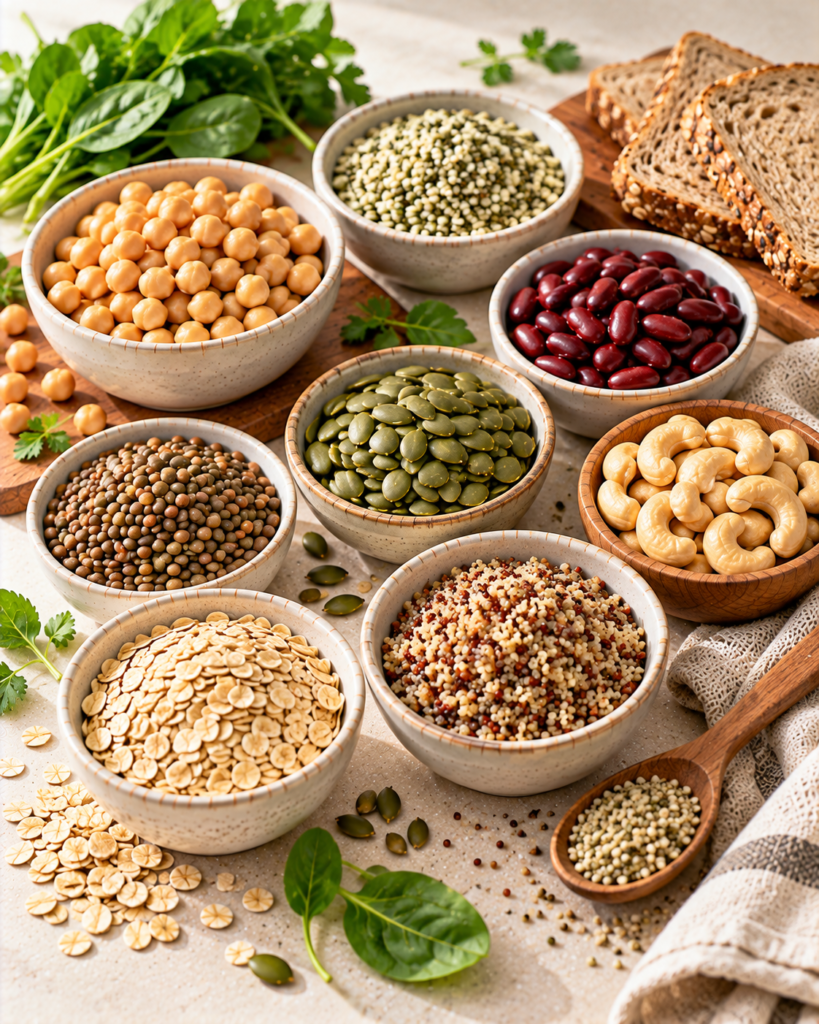
People following vegetarian or vegan diets can obtain zinc from legumes, nuts, seeds, whole grains, and appropriately fortified foods. However, many plant foods contain phytates, which can reduce zinc absorption.
Useful plant-based options include:
- Pumpkin seeds and hemp seeds
- Chickpeas, lentils, and kidney beans
- Cashews and other nuts
- Oats and whole grains
- Quinoa
- Zinc-fortified breakfast cereals
How to Get More Zinc from Plant Foods
- Eat a varied diet. Combine legumes, whole grains, seeds, nuts, and vegetables instead of depending on one food.
- Soak or sprout legumes when practical. These methods may reduce phytate content.
- Use fermented foods where appropriate. Fermentation can improve the availability of some minerals in certain foods.
- Check fortification labels. Fortified cereals and other foods may provide useful amounts of zinc.
- Plan regular sources across the day. Include seeds at breakfast, beans at lunch, and lentils or whole grains at dinner.
Best Plant-Based Sources of Essential Minerals
Zinc from Food vs. Zinc Supplements
For most people, food is a sensible starting point for meeting zinc needs. Food sources provide zinc alongside other nutrients, and a varied diet helps maintain overall nutritional balance.
Supplements may be useful in certain situations, including a diagnosed deficiency or a specific medical recommendation. However, taking extra zinc without a clear need is not necessarily beneficial.
Why Too Much Zinc Can Be a Problem
Excessive zinc intake can cause nausea, vomiting, abdominal discomfort, and loss of appetite. Long-term high intake can interfere with copper absorption and may contribute to copper deficiency.
For adults in the United States, the tolerable upper intake level is 40 mg per day from all sources, including food and supplements. This is a safety limit, not a target, and clinicians may recommend different amounts for specific circumstances.
Zinc supplements can also interact with certain antibiotics and other medicines. Ask a healthcare professional or pharmacist about timing and dosage if you take medication or are considering a supplement.
For evidence-based information, consult the External Link: NIH Office of Dietary Supplements — Zinc.
Easy Ways to Add More Zinc to Your Diet
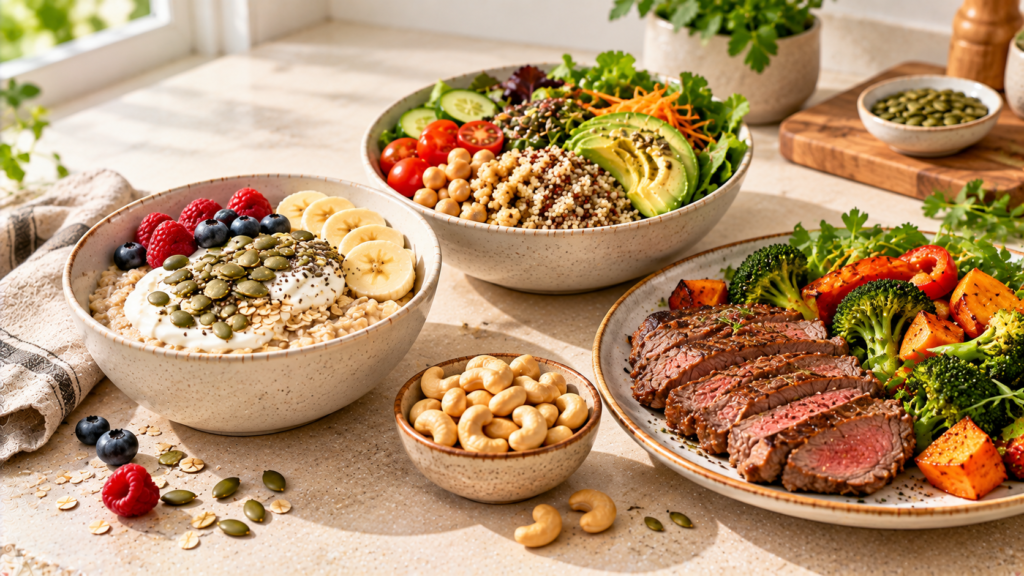
You do not need to redesign your entire diet to eat more zinc-rich foods. Small, repeatable changes can help.
Breakfast
- Add pumpkin seeds or cashews to oatmeal.
- Pair eggs with whole-wheat toast.
- Choose a fortified cereal after checking the nutrition label.
Lunch
- Make a chickpea or lentil salad.
- Add cooked chicken or lean beef to a whole-grain wrap.
- Use beans in soups, stews, or grain bowls.
Dinner
- Serve seafood or lean meat with vegetables and whole grains.
- Prepare lentil dal or bean chili.
- Add quinoa and pumpkin seeds to a vegetable bowl.
Snacks
- Enjoy a small handful of cashews.
- Pair plain yogurt with seeds.
- Keep roasted chickpeas available for a convenient snack.
Who May Need to Pay Extra Attention to Zinc Intake?
Some people may have a higher risk of inadequate zinc intake, including those who eat highly restrictive diets, follow vegetarian or vegan diets without careful planning, or have certain digestive conditions that affect nutrient absorption.
Pregnancy and breastfeeding also change nutritional needs. Children require adequate zinc for normal growth, but their requirements differ from adults’.
If you are concerned about deficiency, have persistent symptoms, or have a condition that affects nutrient absorption, speak with a healthcare professional. Symptoms such as poor wound healing or changes in taste can have many causes and cannot diagnose zinc deficiency on their own.
Frequently Asked Questions About Zinc Rich Foods
1. What foods are highest in zinc?
Oysters are among the highest-zinc foods, although their content varies widely. Beef, crab, lobster, pork, pumpkin seeds, and some fortified cereals are also useful sources.
2. What are the best zinc-rich foods for everyday meals?
Beef, chicken, yogurt, beans, lentils, pumpkin seeds, oats, and cashews are practical options. Choose a variety that fits your preferences, budget, and dietary requirements.
3. Which vegetarian foods are rich in zinc?
Pumpkin seeds, hemp seeds, chickpeas, lentils, cashews, kidney beans, oats, quinoa, and whole grains provide zinc. Fortified cereals may also help.
4. Are pumpkin seeds a good source of zinc?
Yes. Pumpkin seeds provide zinc, protein, and unsaturated fats. A typical one-ounce serving contains roughly 2–3 mg, depending on the product and preparation.
5. Can I get enough zinc without eating meat?
Yes, it is possible to meet zinc needs with a well-planned vegetarian or vegan diet. Include legumes, seeds, nuts, whole grains, and fortified foods, and consider that zinc absorption from plant foods may be lower because of phytates.
6. How much zinc should adults get daily?
The U.S. recommended dietary allowance is 11 mg daily for adult men and 8 mg for adult women. Requirements differ during pregnancy and breastfeeding.
7. What are common signs of zinc deficiency?
Possible signs include impaired wound healing, changes in taste or smell, hair loss, and reduced immune function. These symptoms are not specific to zinc deficiency, so professional assessment is important.
8. Is it better to get zinc from food or supplements?
Food is generally the best starting point because it supplies other nutrients as well. Supplements may be appropriate when a healthcare professional identifies a need or recommends them for a specific reason.
Conclusion
Adding zinc rich foods to your diet can be straightforward when you know which foods to choose. Oysters and beef provide substantial amounts of zinc, while pumpkin seeds, chickpeas, lentils, cashews, oats, dairy products, and whole grains offer practical options for everyday meals.
The most useful approach is variety: include several zinc sources across the week, prepare plant foods thoughtfully, and consider your individual nutritional needs. If you suspect a deficiency or are thinking about taking high-dose zinc supplements, seek advice from a qualified healthcare professional rather than relying on symptoms alone.