

Vitamin A deficiency occurs when your body does not have enough vitamin A to support normal vision, immune function, healthy skin, and growth. It can develop when the diet lacks sufficient vitamin A or when a health condition prevents the body from absorbing or using it properly.
One of the earliest and most important warning signs is difficulty seeing in dim light, often called night blindness. Severe deficiency can damage the eyes and, if left untreated, cause permanent vision loss. Vitamin A deficiency is a particular concern for young children and pregnant people in communities where undernutrition is common.
The good news is that many cases can be prevented through a balanced diet, appropriate food fortification, and medically guided supplementation when needed.
Key Takeaways
- Night blindness can be an early sign of vitamin A deficiency.
- Dry eyes, changes in the surface of the eyes, and impaired vision need prompt medical assessment.
- Sweet potatoes, carrots, spinach, pumpkin, eggs, dairy products, and fish are useful vitamin A sources.
- Digestive disorders that interfere with fat absorption can increase the risk of deficiency.
- A healthcare professional can assess suspected deficiency and recommend appropriate treatment.
- Avoid high-dose vitamin A supplements without medical advice because excessive preformed vitamin A can be harmful.
What Are the Signs and Symptoms of Vitamin A Deficiency?
The symptoms of vitamin A deficiency depend on how severe and how long the deficiency has been present. Eye-related changes are especially important because they can progress from difficulty seeing at night to serious damage if treatment is delayed.
1. Difficulty Seeing at Night
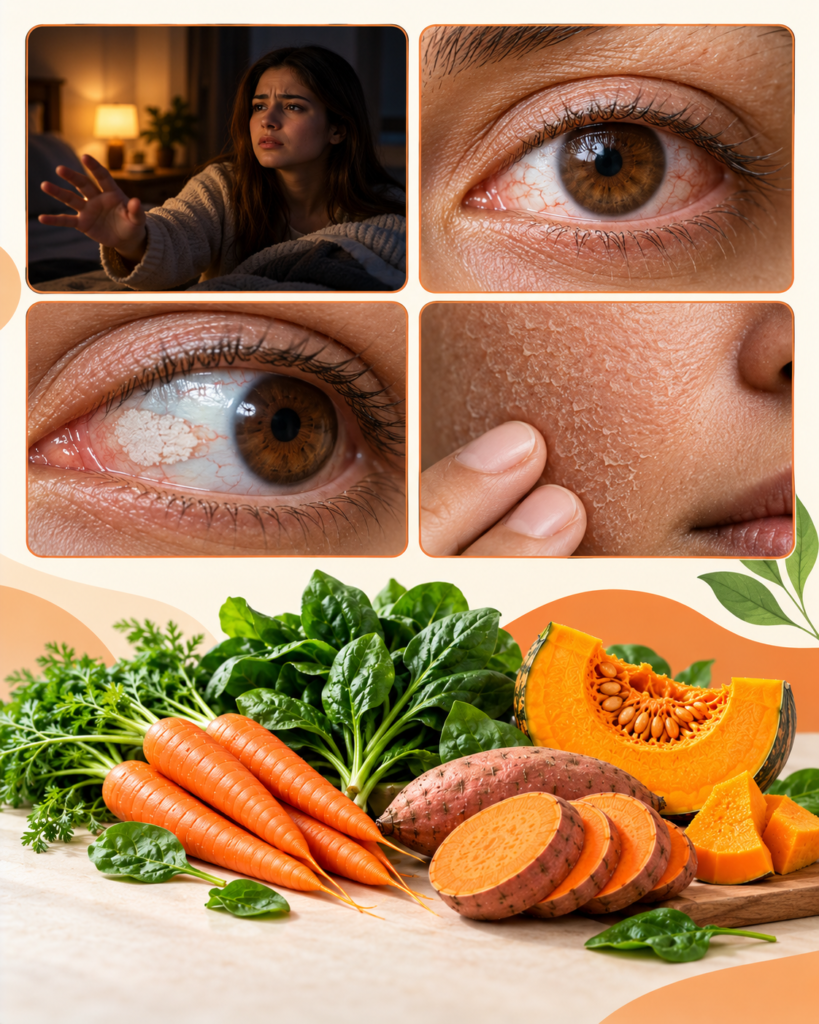
Night blindness, or difficulty seeing in low light, is a well-recognized early sign of vitamin A deficiency. Vitamin A helps the retina produce rhodopsin, a light-sensitive pigment needed for vision in dim conditions.
You might notice that it takes longer than usual for your eyes to adjust when entering a dark room or that you struggle to see when driving at night.
What to do: If you develop new or worsening night-vision problems, arrange an eye examination and medical assessment. Do not assume that vitamin A deficiency is the cause, because other eye conditions can produce similar symptoms.
2. Dry Eyes and Eye Irritation
Vitamin A supports the normal surface of the eye. A deficiency can cause dryness and changes in the tissues that protect the eyes.
Possible symptoms include:
- A dry or gritty feeling in the eyes
- Eye irritation or discomfort
- Reduced moisture on the eye surface
- Increasing sensitivity or other changes in vision
Persistent dry eyes can have many causes. A healthcare professional can determine whether a nutritional deficiency or another condition is responsible.
3. Changes to the Surface of the Eyes
In more advanced cases, vitamin A deficiency can cause xerophthalmia, a group of eye conditions associated with vitamin A deficiency.
Possible findings include Bitot spots, which are foamy-looking patches on the white of the eye, and damage to the cornea. Severe corneal damage can lead to scarring and permanent blindness.
Important: Eye pain, marked vision changes, or suspected corneal damage require urgent medical care. Do not try to treat these problems with food alone.
4. Dry, Rough, or Scaly Skin
Vitamin A plays a role in normal cell growth and the maintenance of skin and other epithelial tissues. Low vitamin A status may be associated with dry, rough, or scaly skin.
However, dry skin is not specific to vitamin A deficiency. Dehydration, eczema, environmental conditions, and other nutritional or medical problems can also cause skin changes.
5. More Frequent or Severe Infections
Vitamin A contributes to normal immune function and helps maintain protective barriers in the body. Deficiency can weaken these defenses and is associated with a greater risk of certain infections, particularly in vulnerable children.
Repeated infections alone do not prove that someone has vitamin A deficiency. A clinician should assess the overall diet, symptoms, medical history, and other possible causes.
6. Poor Growth in Children
Children need vitamin A for normal growth and development. Inadequate intake can contribute to poor health and may interfere with normal growth, especially when accompanied by other nutrient deficiencies or repeated infections.
Parents should seek advice from a pediatric healthcare professional if a child has persistent growth concerns, difficulty seeing in dim light, or signs of undernutrition.
7. Delayed Recovery From Illness
Vitamin A deficiency and infections can reinforce one another. Illness may reduce appetite and nutrient absorption, while poor vitamin A status can affect immune defenses.
A slow recovery does not automatically mean a person lacks vitamin A. Persistent symptoms or repeated illness deserve a broader medical assessment.
What Causes Vitamin A Deficiency?
Vitamin A deficiency can result from inadequate intake, impaired absorption, or health conditions that increase nutritional needs or interfere with nutrient use.
1. Not Eating Enough Vitamin A-Rich Foods
A diet with little variety may not provide enough vitamin A. Risk can increase when a person has limited access to animal-source foods, colorful vegetables, fruits, or fortified foods.
Eating a wide range of nutrient-rich foods is a practical first step toward preventing deficiency.
2. Problems With Fat Absorption
Vitamin A is fat-soluble, meaning the body absorbs it along with dietary fat. Conditions that interfere with fat digestion or absorption may therefore reduce vitamin A absorption.
Examples include certain cases of:
- Celiac disease
- Crohn’s disease
- Cystic fibrosis
- Chronic pancreatic disorders
- Other conditions affecting the intestines or bile flow
People with these conditions may need individualized nutrition guidance and monitoring.
3. Increased Nutritional Vulnerability in Children
Infants and young children can be particularly vulnerable when their diets are inadequate and infections are common. Premature infants may also have lower vitamin A stores.
In some regions, public health programs provide vitamin A supplementation to eligible children. These programs use specific age groups, doses, and schedules, so parents should follow local health guidance rather than administering high-dose supplements themselves.
4. Restricted Diets and Food Insecurity
A highly restricted diet, limited food availability, or inadequate intake over time can increase deficiency risk. Plant-based diets can provide vitamin A through carotenoid-rich foods, but food variety, preparation, overall nutrition, and individual absorption all matter.
People following restrictive diets should plan meals carefully and seek advice from a qualified dietitian if they have concerns about nutrient adequacy.
Best Food Sources to Help Prevent Vitamin A Deficiency
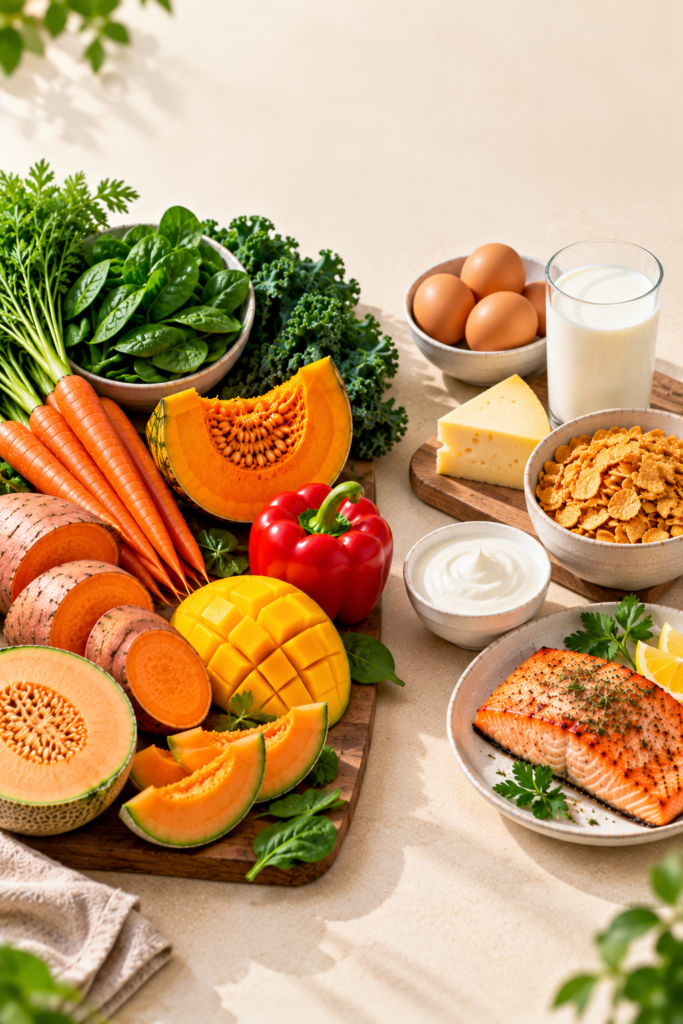
Eating vitamin A-rich foods regularly can help meet your body’s needs. Vitamin A comes in two main dietary forms: preformed vitamin A, found in animal-source foods, and provitamin A carotenoids, found in many colorful plant foods.
Your body can convert some carotenoids, including beta-carotene, into vitamin A. The amount converted varies from person to person and by food source.
| Food | Type of vitamin A source | Easy ways to eat it |
|---|---|---|
| Sweet potatoes | Beta-carotene | Roast, bake, or mash |
| Carrots | Beta-carotene | Add to salads, soups, or stews |
| Spinach | Provitamin A carotenoids | Cook as a side dish or add to curries |
| Pumpkin | Beta-carotene | Use in soups, stews, or roasted dishes |
| Kale and other leafy greens | Provitamin A carotenoids | Add to cooked meals or salads |
| Mango | Beta-carotene | Enjoy fresh or add to yogurt |
| Cantaloupe | Beta-carotene | Eat as a snack or breakfast fruit |
| Eggs | Preformed vitamin A | Boil, scramble, or cook with vegetables |
| Milk and cheese | Preformed vitamin A; amounts vary | Include in balanced meals |
| Salmon and some other fish | Preformed vitamin A; amounts vary | Bake, grill, or steam |
| Fortified breakfast cereal | Added vitamin A; amounts vary | Check the nutrition label |
Which Plant Foods Are Rich in Beta-Carotene?
Orange and dark-green produce are particularly useful choices. Sweet potatoes, carrots, pumpkin, spinach, and kale can contribute provitamin A carotenoids to your diet.
To make these foods part of your routine:
- Add carrots or spinach to soups, lentils, and vegetable curries.
- Serve roasted sweet potato or pumpkin alongside your main meal.
- Include mango or cantaloupe as part of breakfast or a snack.
- Add a small amount of healthy fat, such as olive oil, to vegetable dishes to support carotenoid absorption.
Which Animal Foods Provide Vitamin A?
Eggs, dairy products, fish, and liver contain preformed vitamin A, although the amount varies considerably by food.
Liver is exceptionally rich in vitamin A, so it should not be treated as an everyday solution for suspected deficiency. People who are pregnant or may become pregnant should avoid liver and liver products because their high preformed vitamin A content can be harmful to a developing baby. Seek professional advice before using supplements.
How Is Vitamin A Deficiency Diagnosed?
Symptoms alone cannot reliably confirm vitamin A deficiency. A healthcare professional may review your diet, medical history, digestive conditions, and eye symptoms, then decide whether testing is appropriate.
Evaluation may include:
- Medical history: Reviewing food intake, illnesses, digestive problems, and supplement use.
- Eye examination: Checking for night-vision problems and signs of eye-surface damage.
- Blood testing: Measuring serum retinol when appropriate, while recognizing that results can be affected by inflammation and other factors.
- Additional assessment: Investigating possible malabsorption or other nutritional deficiencies if indicated.
If you are experiencing night blindness or new vision changes, do not delay assessment while trying to improve your diet.
How Can Vitamin A Deficiency Be Treated?
Treatment depends on the severity of the deficiency, the person’s age, and the underlying cause. It may involve dietary changes, medically supervised vitamin A supplementation, and treatment of conditions that interfere with absorption.
1. Improve Dietary Intake
For people whose intake is inadequate, a varied diet containing vitamin A-rich foods can help meet normal nutritional needs. Include colorful vegetables, fruits, eggs, dairy products, fish, and suitable fortified foods.
Food alone may not be sufficient to treat a clinically significant deficiency, especially when eye damage or malabsorption is present.
2. Use Supplements Only When Appropriate
A clinician may prescribe vitamin A for confirmed deficiency or recommend supplementation in certain public health settings. The dose and duration depend on the circumstances.
Do not self-prescribe high-dose vitamin A. Excess preformed vitamin A can cause toxicity and may harm a developing baby during pregnancy. People taking retinoid medications or other medicines that affect vitamin A should consult their healthcare professional.
3. Address the Underlying Cause
If the deficiency is related to celiac disease, inflammatory bowel disease, pancreatic problems, or another absorption disorder, treating the underlying condition is an important part of care.
NIH Office of Dietary Supplements — Vitamin A and Carotenoids
This authoritative resource explains recommended intake, food sources, deficiency, supplements, and safety considerations.

How to Prevent Vitamin A Deficiency
A few consistent habits can help reduce the risk of inadequate vitamin A intake.
- Eat a variety of colorful foods. Rotate orange vegetables, dark-green leafy vegetables, fruits, eggs, fish, and dairy products as appropriate for your diet.
- Choose fortified foods when useful. Check labels to see whether milk alternatives, cereals, or other products provide added vitamin A.
- Maintain a balanced diet. Avoid unnecessarily restrictive eating patterns that make it difficult to meet nutritional needs.
- Address digestive problems. Seek medical advice if you have a condition that may interfere with nutrient absorption.
- Follow local child-health guidance. In communities where vitamin A deficiency is a public health concern, eligible children may benefit from supplementation programs.
- Avoid unnecessary high-dose supplements. More vitamin A is not always better, and excess preformed vitamin A can be harmful.
For additional information, read the World Health Organization’s guidance on vitamin A supplementation for children.
Who Is at Higher Risk of Vitamin A Deficiency?
Vitamin A deficiency does not affect everyone equally. Risk depends on dietary intake, overall health, access to nutritious food, and the body’s ability to absorb nutrients.
Groups that may need particular attention include:
- Young children in communities where undernutrition is common
- Premature infants
- People with digestive or pancreatic conditions that impair fat absorption
- People with highly restricted diets or limited access to diverse foods
- Pregnant and breastfeeding people in settings where vitamin A deficiency is prevalent
Having one of these risk factors does not necessarily mean you have a deficiency. A healthcare professional can determine whether dietary changes, testing, or treatment are appropriate.
Conclusion
Vitamin A deficiency can affect vision, immune function, and normal growth and development. Difficulty seeing in dim light is an especially important warning sign, while dry eyes, changes to the eye surface, and other symptoms also deserve attention.
Eating a varied diet that includes sweet potatoes, carrots, spinach, pumpkin, mango, eggs, dairy products, and suitable fortified foods can help you meet your vitamin A needs. However, suspected deficiency should not be treated with food alone without appropriate assessment, particularly when vision is affected.
Focus on balanced nutrition, seek medical advice for persistent symptoms, and use vitamin A supplements only when appropriate. Early assessment and suitable treatment can help prevent serious complications.
Suggested internal links for your website: