

What are vitamins and minerals? They are essential nutrients your body needs in small amounts to support normal growth, energy metabolism, immunity, bone health, nerve function, and many other processes. Most must come from food, although the body can produce some vitamins under certain conditions.
Vitamins and minerals are often grouped together because both are micronutrients. However, they are different substances, perform different functions, and come from a variety of food sources. Understanding how they work can help you make better food choices without relying on complicated diets or unnecessary supplements.
In this guide, you’ll learn the difference between vitamins and minerals, the main types, their benefits, common food sources, and practical ways to include them in your everyday meals.
Key Takeaways
- Vitamins are organic compounds needed for normal body functions, growth, and maintenance.
- Minerals are inorganic elements that support bones, fluid balance, muscles, nerves, and other processes.
- Vitamins are classified as fat-soluble or water-soluble.
- Important minerals include calcium, iron, potassium, magnesium, zinc, and iodine.
- A varied, balanced diet is the best starting point for meeting most nutrient needs.
- Supplements can help in certain circumstances, but taking more than you need is not always beneficial and can sometimes be harmful.
What Are Vitamins?
Vitamins are organic micronutrients that the body needs in relatively small amounts to function properly. They help regulate biological processes, support normal development, and enable the body to use energy from food.
Unlike carbohydrates, fats, and protein, vitamins do not provide calories. Instead, they help the body carry out the processes needed to maintain health.
For example, vitamin C supports collagen formation and helps the body absorb iron from plant foods. Vitamin D helps the body absorb calcium, while vitamin B12 supports normal nerve function and red blood cell formation.
Types of Vitamins
There are 13 recognized essential vitamins. They are divided into two groups according to how they dissolve and are absorbed.
1. Fat-Soluble Vitamins
Fat-soluble vitamins can be stored in the body’s fatty tissues and liver. They include:
- Vitamin A: Supports vision, immune function, and normal cell growth.
- Vitamin D: Helps regulate calcium absorption and supports bone health.
- Vitamin E: Helps protect cells from oxidative damage.
- Vitamin K: Supports normal blood clotting and contributes to bone metabolism.
Because fat-soluble vitamins can accumulate in the body, excessive intake of certain forms—particularly from high-dose supplements—can cause harm.
2. Water-Soluble Vitamins
Water-soluble vitamins include vitamin C and the eight B vitamins. The body generally stores fewer of these vitamins than fat-soluble vitamins, although vitamin B12 can be stored for years.
The B vitamins include:
- Vitamin B1 (thiamin): Helps the body use energy from food and supports nerve function.
- Vitamin B2 (riboflavin): Supports energy metabolism and normal cell function.
- Vitamin B3 (niacin): Helps enzymes carry out energy-producing reactions.
- Vitamin B5 (pantothenic acid): Helps the body make and break down fats.
- Vitamin B6 (pyridoxine): Supports protein metabolism and normal nervous system function.
- Vitamin B7 (biotin): Helps enzymes process carbohydrates, fats, and proteins.
- Vitamin B9 (folate): Supports DNA production and cell division.
- Vitamin B12 (cobalamin): Supports red blood cell formation and normal nerve function.
Vitamin C is another water-soluble vitamin. It supports collagen production, wound healing, antioxidant defenses, and the absorption of non-heme iron from plant foods.
Complete Guide to Essential Vitamins and Their Benefits
What Are Minerals?
Minerals are naturally occurring inorganic elements that the body needs for normal growth, development, and daily functioning. Unlike vitamins, minerals are not organic compounds. They are found in soil and water and enter the food chain through plants and animals.
Minerals help build strong bones and teeth, maintain fluid balance, transmit nerve signals, support muscle contraction, and enable enzymes to perform important chemical reactions.
Types of Minerals
Minerals are commonly divided into two groups based on the amounts the body typically needs.
1. Major Minerals
The body needs major minerals in relatively larger amounts. They include:
- Calcium: Helps build and maintain bones and teeth and supports muscle contraction.
- Phosphorus: Works with calcium to support bones and teeth and helps cells produce energy.
- Magnesium: Supports muscle and nerve function, energy metabolism, and normal protein synthesis.
- Sodium: Helps regulate fluid balance and supports nerve and muscle function.
- Potassium: Supports normal muscle contraction, nerve signaling, and fluid balance.
- Chloride: Helps maintain fluid balance and is used to produce stomach acid.
- Sulfur: Forms part of certain amino acids and other compounds found in the body.
2. Trace Minerals
Trace minerals are required in smaller amounts, but they remain essential for health.
- Iron: Helps hemoglobin carry oxygen through the blood.
- Zinc: Supports immune function, wound healing, and DNA synthesis.
- Iodine: Helps the thyroid gland produce hormones that regulate metabolism.
- Selenium: Supports antioxidant enzymes and normal thyroid function.
- Copper: Helps with iron metabolism and connective tissue formation.
- Manganese: Supports enzyme activity and bone formation.
- Fluoride: Helps strengthen tooth enamel and reduce the risk of tooth decay.
- Chromium: Has been studied for its role in nutrient metabolism, although its essential status in humans remains debated by some researchers.
- Molybdenum: Helps enzymes process certain substances in the body.
The body needs different amounts of each mineral. For example, calcium requirements are measured in hundreds or thousands of milligrams per day, while the requirement for some trace minerals is measured in micrograms.
Vitamins vs. Minerals: What’s the Difference?
Although vitamins and minerals work together, they differ in their chemical structure, sources, and behavior in the body.
| Feature | Vitamins | Minerals |
|---|---|---|
| What they are | Organic compounds | Inorganic elements |
| Main role | Help regulate body processes | Support structural, fluid, nerve, muscle, and enzyme functions |
| Examples | Vitamins A, C, D, B12, and K | Calcium, iron, zinc, potassium, and iodine |
| Food sources | Fruits, vegetables, grains, eggs, dairy, and other foods | Vegetables, legumes, dairy, seafood, meat, nuts, and other foods |
| Classification | Fat-soluble and water-soluble | Major minerals and trace minerals |
| Effect of cooking | Some vitamins are sensitive to heat, light, or water | Minerals are not destroyed by heat, although some can leach into cooking water |
The main point: Vitamins and minerals are different types of micronutrients, but both are needed for normal body function. Neither group can replace the other.
What Are the Benefits of Vitamins and Minerals?
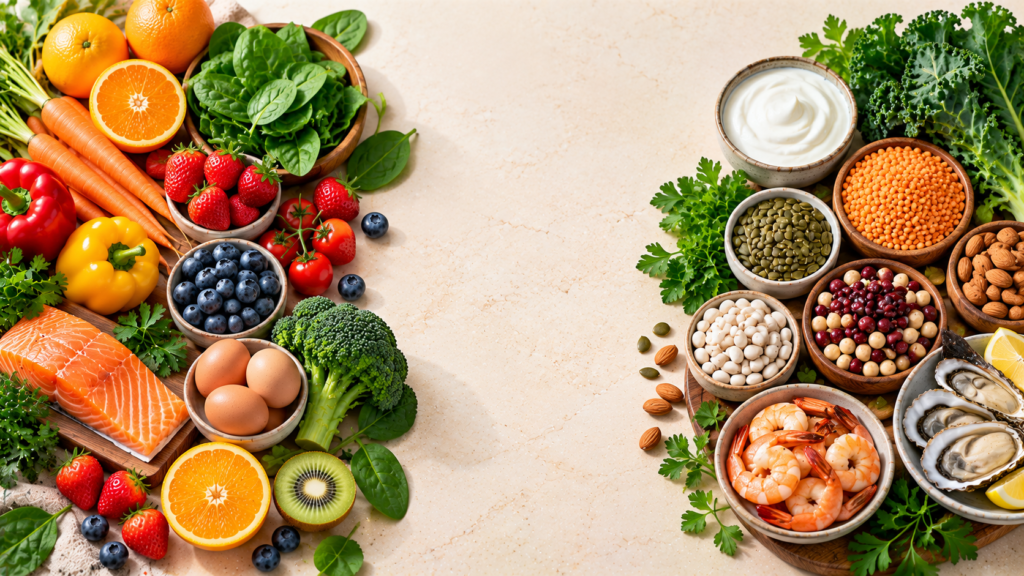
Vitamins and minerals participate in hundreds of processes throughout the body. Their benefits depend on the nutrient, the amount consumed, and whether a person’s needs are being met.
1. Support Normal Immune Function
Vitamin A, vitamin C, vitamin D, zinc, and several other nutrients contribute to normal immune function. Adequate intake helps the immune system operate as it should, but taking extra nutrients does not automatically prevent infections.
2. Help Maintain Strong Bones and Teeth
Calcium and phosphorus are major structural components of bones and teeth. Vitamin D helps the body absorb calcium, while vitamin K supports proteins involved in bone metabolism.
Magnesium also contributes to normal bone structure and function.
3. Support Energy Metabolism
B vitamins help enzymes convert carbohydrates, fats, and proteins into usable energy. Minerals such as magnesium also participate in energy-producing reactions.
These nutrients support the body’s ability to use energy from food; they do not provide calories themselves.
4. Help Form Red Blood Cells
Iron is required to make hemoglobin, which carries oxygen in the blood. Vitamin B12 and folate are needed for normal red blood cell formation and cell division.
Low intake or poor absorption of these nutrients can contribute to certain types of anemia.
5. Support the Brain and Nervous System
Vitamin B12 supports nerve function, while minerals such as potassium, calcium, and magnesium help regulate electrical signaling and muscle activity.
Adequate nutrition supports normal nervous system function, but no single vitamin or mineral can guarantee better memory or concentration.
6. Help Maintain Healthy Skin and Tissue
Vitamin C supports collagen formation, while zinc contributes to wound healing and normal cell function. Vitamin A also plays a role in maintaining healthy skin and the lining of various body tissues.
7. Maintain Fluid and Muscle Function
Sodium, potassium, calcium, and magnesium contribute to fluid regulation, nerve signaling, and muscle contraction. These functions are especially important for everyday movement and normal physiological balance.
Best Food Sources of Vitamins and Minerals
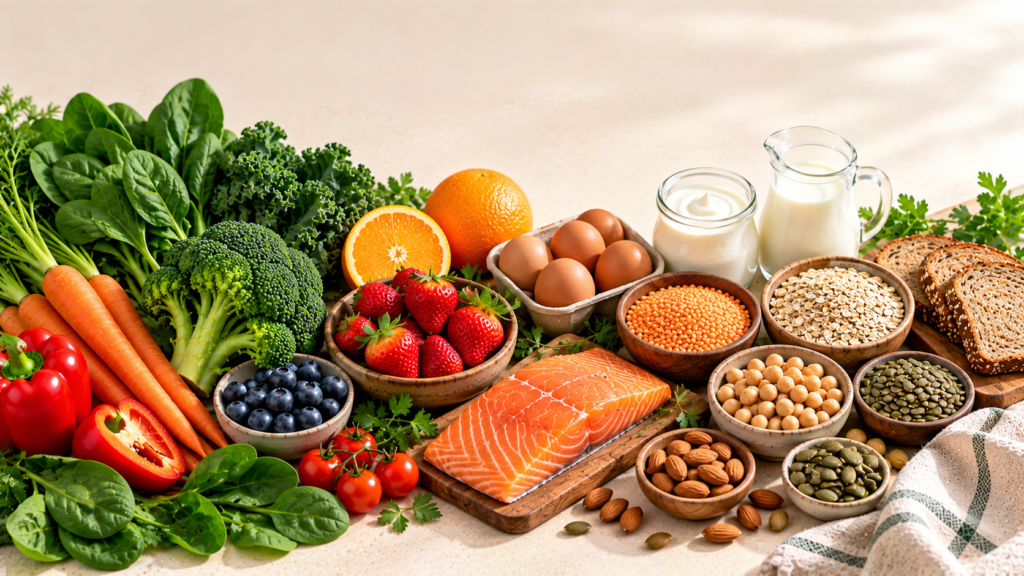
Eating a variety of foods is a practical way to obtain a broad range of essential micronutrients. No single food supplies every vitamin and mineral in the amounts your body needs.
| Food group | Important nutrients | Examples |
|---|---|---|
| Leafy green vegetables | Folate, vitamin K, beta-carotene, magnesium | Spinach, kale, Swiss chard |
| Citrus fruits and berries | Vitamin C, folate in some fruits | Oranges, guava, strawberries |
| Orange and yellow vegetables | Beta-carotene, potassium | Carrots, pumpkin, sweet potatoes |
| Dairy foods or suitable fortified alternatives | Calcium, vitamin B12; vitamin D when fortified | Milk, yogurt, fortified soy milk |
| Eggs and fish | Vitamin B12, selenium; vitamin D in selected foods | Eggs, salmon, sardines |
| Beans and lentils | Folate, iron, magnesium, potassium | Chickpeas, kidney beans, lentils |
| Nuts and seeds | Magnesium, vitamin E, zinc | Almonds, sunflower seeds, pumpkin seeds |
| Whole grains | B vitamins, magnesium, manganese | Oats, whole-wheat bread, brown rice |
| Meat and poultry | Vitamin B12, iron, zinc | Beef, chicken, turkey |
| Iodized salt | Iodine | Iodized table salt |
Nutrient levels vary with food variety, growing conditions, processing, and preparation. Fortified foods can also be useful, particularly when a nutrient is difficult to obtain in sufficient amounts from the foods a person usually eats.
How to Get Enough Vitamins and Minerals Every Day
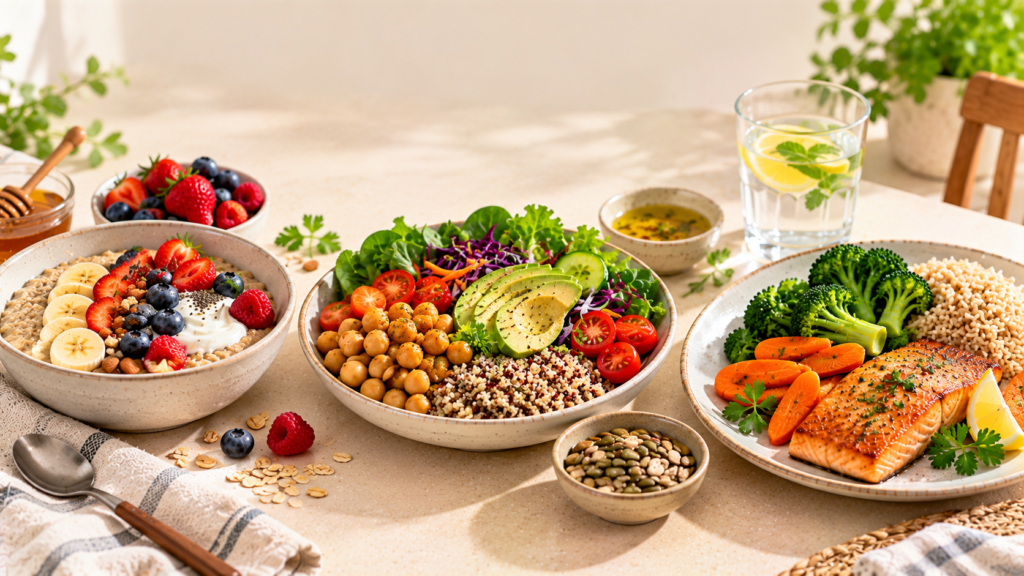
You do not need an expensive meal plan to improve the variety of nutrients in your diet. A few practical habits can help you build balanced meals around familiar foods.
1. Eat Different Colors of Fruits and Vegetables
Include green, orange, red, and other colorful produce throughout the week. Different foods provide different combinations of vitamins, minerals, fiber, and other beneficial compounds.
For example, spinach provides folate and vitamin K, carrots provide beta-carotene, and oranges provide vitamin C.
2. Include Protein-Rich Foods
Eggs, fish, poultry, meat, beans, lentils, nuts, and seeds provide various vitamins and minerals. Legumes are particularly useful plant sources of folate, iron, magnesium, and potassium.
If you follow a vegetarian or vegan diet, pay particular attention to vitamin B12, iron, calcium, iodine, zinc, and vitamin D.
3. Choose Whole Grains Regularly
Oats, brown rice, and whole-wheat bread provide B vitamins and minerals such as magnesium. Whole grains also contribute fiber, which supports digestive health.
4. Include Calcium-Rich Foods
Milk, yogurt, cheese, and calcium-fortified alternatives can help meet calcium needs. Check food labels because the nutrient content of plant-based drinks varies, and not all are fortified with calcium or vitamin D.
5. Use Iodized Salt Appropriately
Iodine is essential for thyroid hormone production. Iodized salt can help provide it, but it is still important to limit total salt intake. Sea salt and specialty salts are not necessarily iodized, so check the label.
6. Store and Cook Food Thoughtfully
Some vitamins, particularly vitamin C and folate, can be lost through prolonged heating or contact with water. Washing produce before cutting it, using appropriate cooking times, and steaming vegetables can help preserve nutrients.
Minerals are not destroyed by normal cooking, although some may be lost when cooking water is discarded.
Can You Get All Your Vitamins and Minerals From Food?
Many people can meet most of their vitamin and mineral needs through a varied, balanced diet. However, individual requirements differ, and some people benefit from supplements or fortified foods.
Supplementation may be appropriate in situations such as:
- Pregnancy planning and pregnancy: Folic acid supplementation is recommended in many guidelines to reduce the risk of neural tube defects.
- Vitamin B12 intake in vegan diets: Reliable fortified foods or a suitable B12 supplement are important because unfortified plant foods are not reliable sources of naturally occurring vitamin B12.
- Vitamin D needs: Supplementation may be recommended depending on age, diet, sun exposure, health circumstances, and local guidance.
- Diagnosed nutrient deficiencies: A healthcare professional may recommend a specific nutrient and dose.
- Conditions affecting absorption: Certain gastrointestinal conditions or surgeries can increase the risk of nutrient deficiencies.
Supplements are not automatically necessary for everyone. High doses of certain vitamins and minerals can be harmful, and some supplements interact with prescription medicines.
If you are concerned about a possible deficiency, discuss your symptoms, diet, and risk factors with a qualified healthcare professional rather than starting multiple supplements on your own.
Vitamin Supplements vs. Food: What You Need to Know
NIH Office of Dietary Supplements: Nutrient Recommendations
Signs You May Not Be Getting Enough Vitamins and Minerals
Inadequate intake or poor absorption of certain nutrients can lead to deficiencies. However, symptoms alone cannot reliably identify which nutrient is low.
Possible signs can include:
- Persistent fatigue or weakness
- Pale skin in some cases of anemia
- Mouth sores or a sore tongue
- Poor wound healing
- Tingling or numbness associated with certain deficiencies
- Bone pain or muscle weakness in some cases
- Changes in vision or night vision in severe vitamin A deficiency
These symptoms can have many different causes, including conditions unrelated to nutrition. Some deficiencies develop without obvious early symptoms.
If symptoms persist, seek medical advice. A clinician can assess your history, diet, and symptoms and determine whether testing or treatment is appropriate.
Frequently Asked Questions About Vitamins and Minerals
1. What are vitamins and minerals in simple words?
Vitamins and minerals are micronutrients that the body needs in small amounts to function normally. Vitamins are organic compounds, while minerals are inorganic elements. Both support growth, maintenance, and essential body processes.
2. What is the difference between vitamins and minerals?
Vitamins are organic compounds that help regulate bodily processes, while minerals are inorganic elements involved in structures and functions such as bone formation, fluid balance, nerve signaling, and enzyme activity.
3. What are the 13 essential vitamins?
The 13 essential vitamins are A, C, D, E, and K, along with the eight B vitamins: B1, B2, B3, B5, B6, B7, B9, and B12.
4. What are the most important minerals for the body?
Important minerals include calcium, phosphorus, magnesium, sodium, potassium, chloride, iron, zinc, iodine, selenium, and copper. Each has distinct functions, and the amounts needed vary.
5. Which foods contain both vitamins and minerals?
Many foods provide both. Leafy green vegetables, beans, lentils, nuts, seeds, eggs, fish, dairy foods, and whole grains contain varying combinations of vitamins and minerals.
6. Can I take vitamins and minerals together?
Some multivitamin and mineral products combine them in one supplement. Whether a supplement is appropriate depends on your diet, health, nutrient requirements, and medications. High doses and certain nutrient combinations can cause problems, so follow professional guidance when needed.
7. Are vitamins and minerals the same as calories?
No. Vitamins and minerals are micronutrients and do not provide energy in the form of calories. Carbohydrates, fats, protein, and alcohol provide dietary energy.
8. Do I need supplements if I eat a healthy diet?
Not necessarily. Many people meet their needs through food, but some require supplements because of life stage, dietary restrictions, medical conditions, or diagnosed deficiencies. Individual needs should guide the decision.
Conclusion: Why Vitamins and Minerals Matter
Understanding what vitamins and minerals are is an important first step toward making better nutrition choices. These essential micronutrients help your body maintain strong bones, support normal immune and nervous system function, produce red blood cells, and carry out countless everyday processes.
The most practical approach is to eat a variety of nutrient-rich foods, including vegetables, fruits, whole grains, legumes, nuts, seeds, and suitable protein sources. Pay attention to nutrients that may be harder to obtain through your usual diet, and use fortified foods or supplements when appropriate.
You do not need to make every meal perfect. Focus on consistent, balanced food choices that suit your needs, preferences, and budget. If you suspect a nutrient deficiency or are considering high-dose supplements, seek advice from a qualified healthcare professional.
1 thought on “What Are Vitamins and Minerals? A Simple Guide”