Zinc deficiency foods high in zinc are important to understand if you want to support normal immune function, wound healing, growth, and many other essential processes through your diet. Zinc is an essential trace mineral, meaning the body needs it in small amounts but cannot produce it on its own.
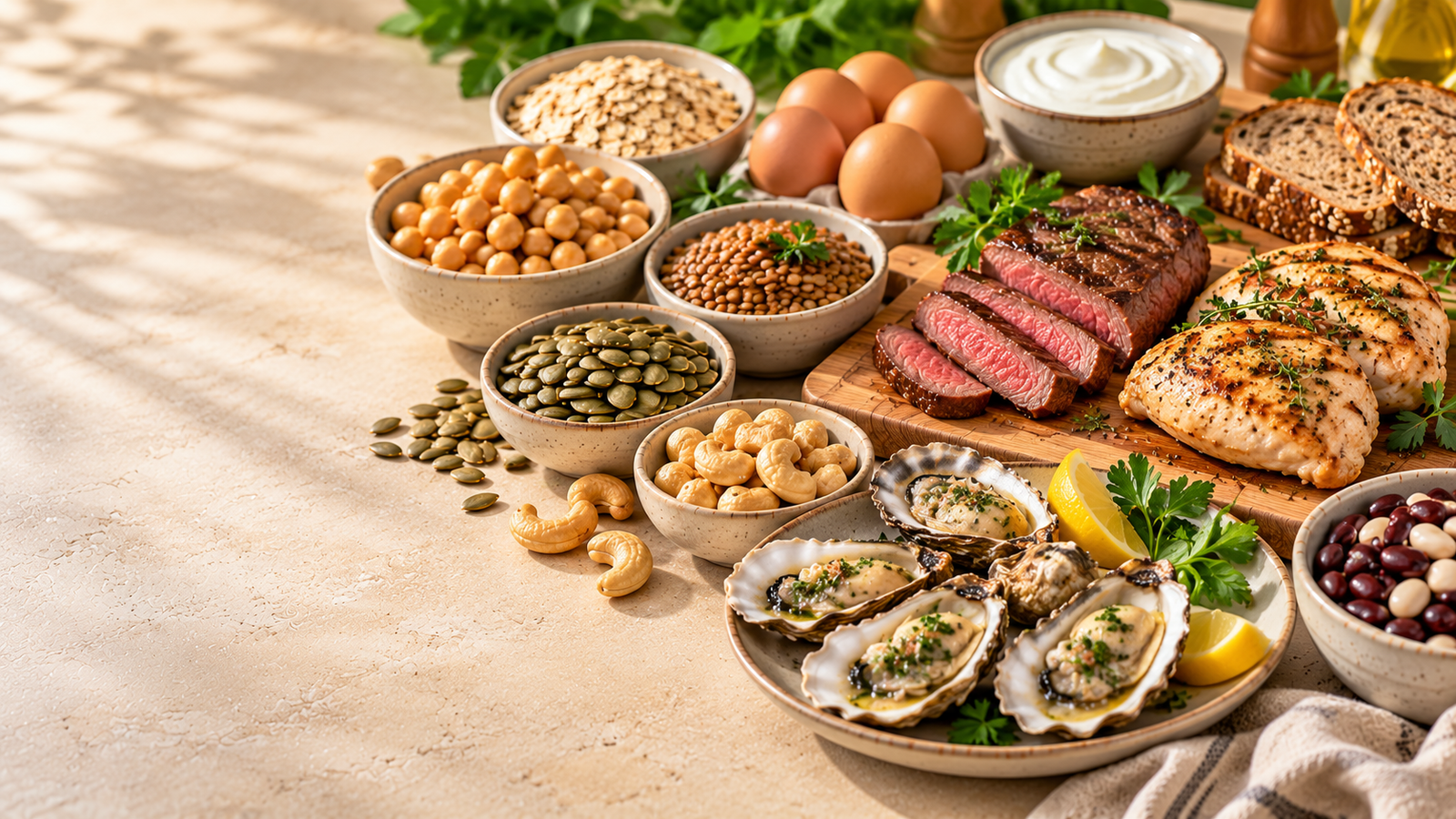
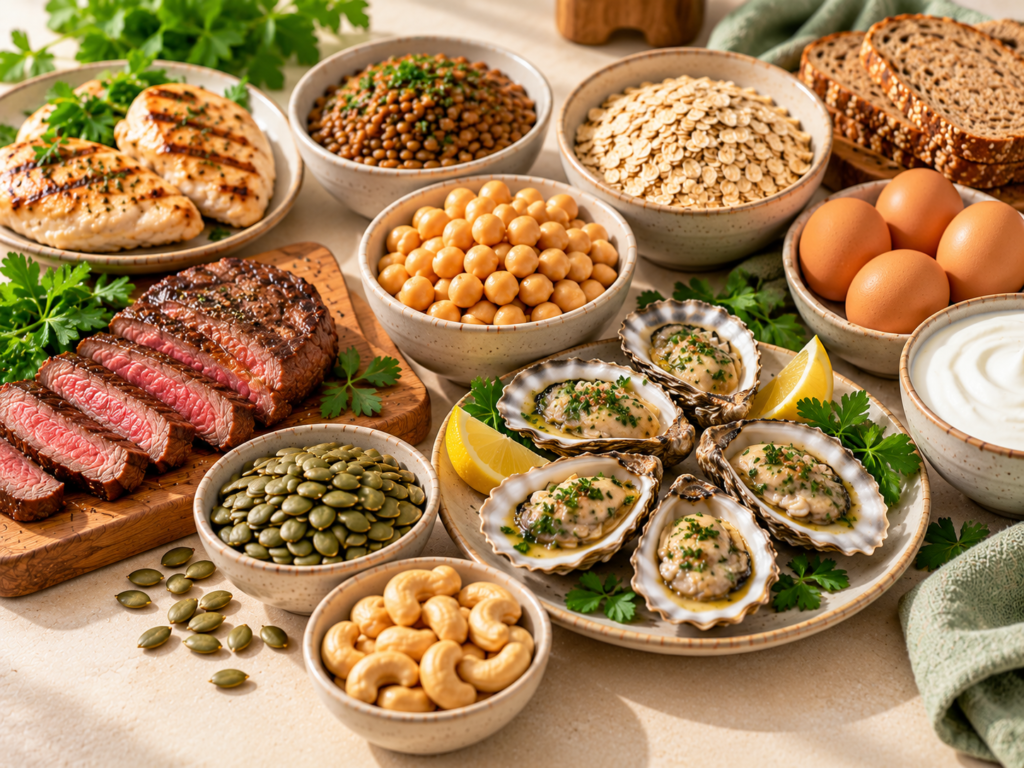
Foods high in zinc include oysters, meat, poultry, seafood, dairy products, beans, lentils, nuts, seeds, and whole grains. Including a variety of these foods can help you meet your daily zinc requirements.
However, not every symptom associated with low zinc intake means you have a zinc deficiency. Symptoms can overlap with other nutritional deficiencies and health conditions. Understanding zinc-rich foods, daily requirements, risk factors, and when to seek medical advice can help you make informed choices.
Key Takeaways
- Zinc supports immune function, DNA and protein synthesis, wound healing, growth, and normal taste and smell.
- Oysters are exceptionally rich in zinc; meat, poultry, dairy, legumes, and seeds also contribute.
- Adult zinc requirements are generally 11 mg daily for men and 8 mg daily for women under US recommendations.
- Zinc deficiency may contribute to hair loss, impaired wound healing, skin changes, diarrhea, and changes in taste or smell, but these symptoms are not diagnostic.
- Plant-based diets can provide zinc, although zinc from beans and whole grains may be less readily absorbed because of phytates.
- Excessive zinc supplementation can cause copper deficiency and other adverse effects. More is not always better.
What Is Zinc Deficiency?
Zinc deficiency occurs when the body does not receive or absorb enough zinc to meet its needs. It can affect multiple systems because zinc participates in hundreds of enzymes and is needed for cell growth, tissue repair, and normal immune responses.
Zinc plays important roles in:
- Supporting normal immune function.
- Making DNA and proteins.
- Healing wounds and maintaining healthy skin.
- Normal growth and development.
- Maintaining the senses of taste and smell.
- Supporting reproductive health.
- Normal cell division and function.
A low intake over time may increase the risk of deficiency, but absorption problems, certain digestive disorders, and other medical circumstances can also contribute.
NIH Office of Dietary Supplements — Zinc Fact Sheet for Consumers
20 Foods High in Zinc to Add to Your Diet
The following chart highlights common foods that contribute zinc. Values are approximate and can vary by species, brand, growing conditions, preparation, and serving size.
Zinc-rich food chart
| Food | Typical serving | Approximate zinc |
|---|---|---|
| Cooked oysters | 3 oz (85 g) | 25–50+ mg, highly variable |
| Cooked beef | 3 oz (85 g) | 5–7 mg |
| Cooked crab | 3 oz (85 g) | 3–6 mg |
| Cooked lobster | 3 oz (85 g) | 3–4 mg |
| Cooked pork | 3 oz (85 g) | 2–3 mg |
| Cooked dark-meat chicken | 3 oz (85 g) | 2–3 mg |
| Cooked turkey | 3 oz (85 g) | 2 mg |
| Pumpkin seeds | 1 oz (28 g) | 2–3 mg |
| Hemp seeds | 1 oz (28 g) | 3 mg |
| Cashews | 1 oz (28 g) | 1.5–2 mg |
| Cooked lentils | 1 cup | 2–3 mg |
| Cooked chickpeas | 1 cup | 2–3 mg |
| Cooked black beans | 1 cup | 1–2 mg |
| Tofu | ½ cup | 1–2 mg |
| Oatmeal, cooked | 1 cup | 1–2 mg |
| Whole-wheat bread | 2 slices | 1–2 mg |
| Plain yogurt | 1 cup | 1–2 mg |
| Milk | 1 cup | About 1 mg |
| Egg | 1 large | About 0.6 mg |
| Fortified breakfast cereal | 1 serving | Varies widely by brand |
These are broad estimates for common servings, not guaranteed values. Oysters vary especially widely in zinc content. Check food labels and reliable nutrient databases for specific products.
USDA FoodData Central — Nutrient Database
1. Oysters and Other Shellfish
Oysters are among the richest dietary sources of zinc. Even a modest serving can provide much more than the daily requirement, depending on the type and preparation.
Crab and lobster also provide zinc, along with protein and other nutrients. Shellfish can be useful sources for people who eat seafood, but allergies and food safety must be considered. Cook shellfish thoroughly and avoid raw oysters, which can carry dangerous pathogens.
2. Beef and Other Red Meat
Beef provides zinc in a form that is generally more readily absorbed than zinc from many plant foods. It also supplies protein, iron, and vitamin B12.
Lean beef can be included in a balanced diet in moderate portions. Pork also contributes zinc. Choose cooking methods and portion sizes that fit your overall health needs.
3. Chicken and Turkey
Poultry supplies zinc along with protein and other essential nutrients. Although it generally contains less zinc per serving than oysters or beef, it can contribute to daily intake when eaten regularly.
Try grilled chicken, baked turkey, or poultry added to soups, wraps, and grain bowls.
4. Pumpkin Seeds and Hemp Seeds
Seeds are useful plant-based sources of zinc. Pumpkin seeds are easy to add to oatmeal, salads, yogurt, and homemade snack mixes. Hemp seeds can be sprinkled over soups, vegetables, or grain bowls.
Seeds also provide unsaturated fats and other minerals. Their zinc content is useful, although absorption can be affected by the overall composition of a plant-based diet.
5. Chickpeas, Lentils, and Beans
Legumes provide zinc, plant protein, fiber, folate, and other nutrients. They are affordable staples in many cuisines and can help people who eat little or no meat increase their zinc intake.
Use lentils in daal and soups, chickpeas in curries and salads, and beans in rice dishes or wraps.
6. Dairy Products
Milk and yogurt contribute smaller amounts of zinc alongside protein and calcium. They can help round out a balanced diet, especially when paired with other zinc-rich foods.
Choose unsweetened yogurt and dairy options that suit your nutritional needs and tolerance.
7. Eggs and Whole Grains
Eggs provide some zinc, although they are not among the most concentrated sources. Whole grains such as oats and whole-wheat bread can contribute additional zinc.
A meal combining eggs, whole-grain bread, and yogurt can provide a range of nutrients, but its zinc content depends on the portions and products used.
Zinc Deficiency Symptoms: Common Warning Signs
Zinc deficiency can affect the skin, immune system, digestive system, and senses of taste and smell. Symptoms vary with the severity and duration of deficiency, and mild deficiency may be difficult to recognize.
Possible symptoms of zinc deficiency
- Hair loss: Hair may thin or shed more than usual.
- Skin changes: Rashes or slow-healing skin lesions may occur.
- Delayed wound healing: Cuts and injuries may take longer to heal.
- Changes in taste or smell: Some people notice reduced ability to taste or smell.
- Frequent infections: Zinc deficiency can impair normal immune function.
- Diarrhea: Persistent diarrhea can occur in some cases.
- Reduced appetite: Appetite may decline.
- Growth problems: Children with significant deficiency may experience impaired growth.
- Reproductive concerns: Severe deficiency can affect reproductive function.
These symptoms are not unique to zinc deficiency. Hair loss, for example, can also be related to iron deficiency, thyroid conditions, stress, or other causes.
If symptoms persist, consult a healthcare professional rather than trying to diagnose a deficiency from symptoms alone.
What Causes Zinc Deficiency?
1. Low zinc intake
A diet with limited zinc-rich foods may not provide enough zinc over time. This can be a concern when meals lack variety or when food intake is restricted.
2. Plant-based diets without careful planning
Legumes, whole grains, nuts, and seeds contain zinc, but they also contain phytates, natural compounds that can reduce zinc absorption. People following vegetarian or vegan diets may need to pay closer attention to their overall intake.
This does not mean plant-based diets are inadequate. A varied diet with appropriate portions and food preparation can help support zinc needs.
3. Digestive disorders and malabsorption
Certain gastrointestinal conditions, including inflammatory bowel disease and disorders affecting nutrient absorption, can increase the risk of zinc deficiency.
4. Increased nutritional needs
Infancy, childhood, adolescence, and pregnancy are periods when zinc is important for growth and development. Requirements vary by life stage.
5. Excessive alcohol use
Heavy alcohol use may contribute to inadequate dietary intake and problems with nutrient absorption or metabolism.
6. Other medical circumstances
Some chronic conditions can affect zinc status. A healthcare professional can help determine whether testing, dietary changes, or treatment is appropriate.
How Much Zinc Do You Need Per Day?
Zinc requirements depend on age, sex, and life stage. The following figures are US recommended dietary allowances (RDAs).
| Age or life stage | Recommended daily intake |
|---|---|
| Children 1–3 years | 3 mg |
| Children 4–8 years | 5 mg |
| Children 9–13 years | 8 mg |
| Boys 14–18 years | 11 mg |
| Girls 14–18 years | 9 mg |
| Adult men 19 years and older | 11 mg |
| Adult women 19 years and older | 8 mg |
| Pregnancy, ages 19 and older | 11–12 mg |
| Breastfeeding, ages 19 and older | 12–13 mg |
These are US reference values. Requirements may differ by country, age, and individual circumstances. Children under one year have separate adequate-intake values.
What is the upper limit for zinc?
For adults, the US tolerable upper intake level is 40 mg per day from all sources, including food, beverages, and supplements. This is a safety limit, not a target.
Taking high doses of zinc supplements for extended periods can interfere with copper absorption and cause copper deficiency. It can also lead to nausea, vomiting, stomach discomfort, and other adverse effects.
Do not take high-dose zinc supplements for a suspected deficiency without medical guidance.
NIH Office of Dietary Supplements — Zinc Consumer Fact Sheet
How to Increase Zinc Intake Through Everyday Meals
The easiest approach is to include a variety of zinc-containing foods throughout the day. You do not need to rely on oysters or expensive foods to improve your overall intake.
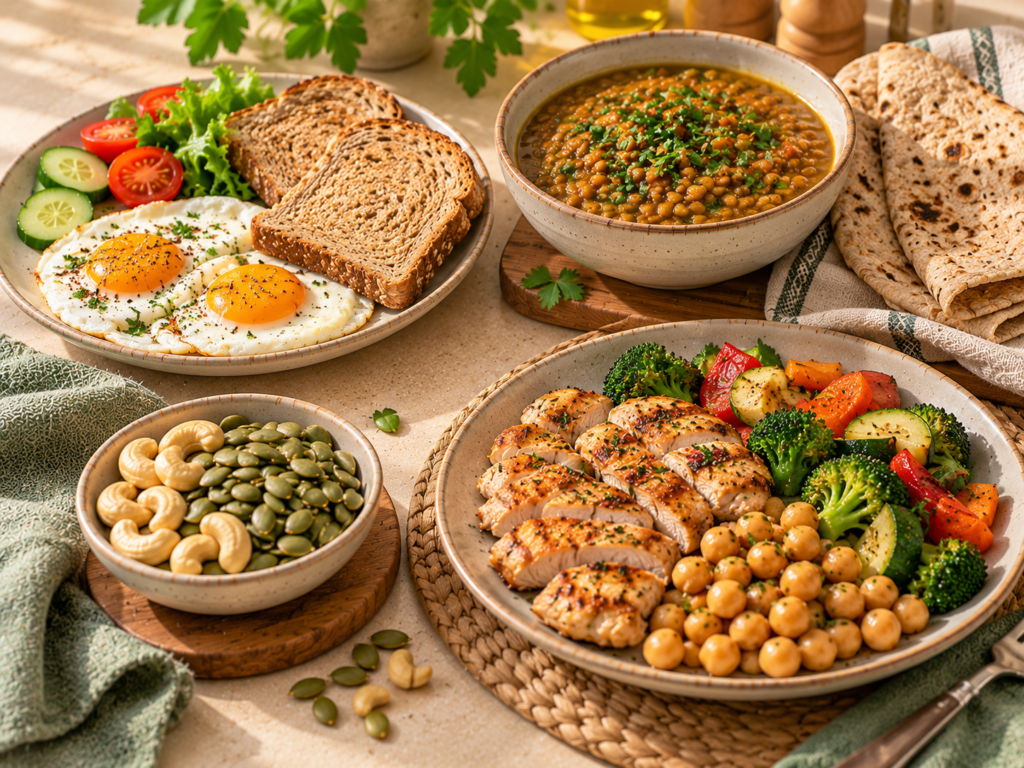
| Meal | Practical food idea | Zinc contribution |
|---|---|---|
| Breakfast | Eggs with whole-wheat bread and yogurt | Provides several modest sources |
| Morning snack | Pumpkin seeds or cashews | Adds zinc from seeds or nuts |
| Lunch | Lentil daal with whole-wheat roti | Combines legumes and whole grains |
| Afternoon snack | Plain yogurt | Adds a modest amount of zinc |
| Dinner | Chicken or beef with beans and vegetables | Provides zinc from animal and plant foods |
| Vegetarian dinner | Chickpea curry with whole grains | Combines legumes and grains |
The amounts you obtain will depend on serving sizes and preparation. Use this plan as a flexible guide, not a prescribed treatment for confirmed deficiency.
Affordable zinc-rich foods in Pakistan
For everyday meals, consider these accessible options where available and affordable:
- Lentils and daal: Useful plant-based sources of zinc.
- Chickpeas and beans: Convenient for curries, salads, and snacks.
- Eggs: Provide some zinc as well as protein.
- Chicken and meat: Concentrated sources compared with many plant foods.
- Pumpkin seeds and peanuts: Practical additions to snacks and meals.
- Whole-wheat roti and oats: Contribute zinc as part of a varied diet.
- Milk and yogurt: Provide modest amounts alongside other nutrients.
A balanced diet does not need costly imported superfoods. Choose a combination of foods that fits your budget, preferences, and health needs.
iron-rich foods” or “vitamin and mineral deficiency guide.
Best Zinc Sources for Vegetarians and Vegans
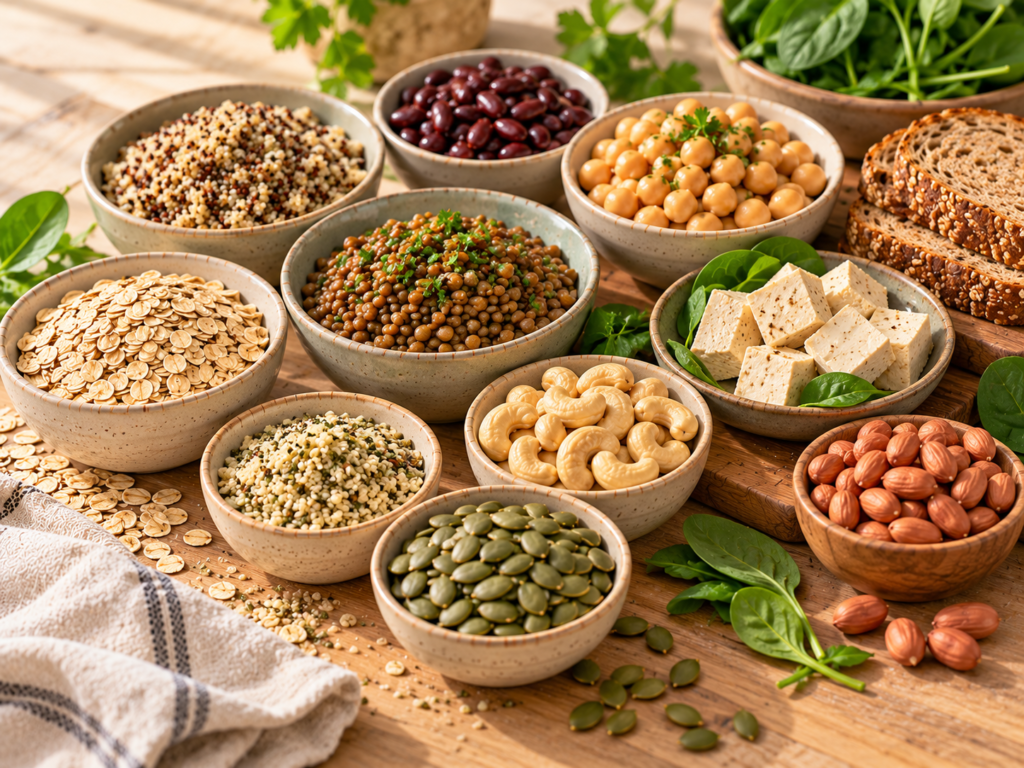
People who do not eat meat can still obtain zinc from a variety of plant foods. The key is to eat a diverse diet and be aware that zinc from some plant sources may be less readily absorbed.
Useful plant-based zinc sources
- Pumpkin and hemp seeds.
- Cashews and peanuts.
- Lentils, chickpeas, and beans.
- Tofu and other soy foods.
- Oats and whole-wheat bread.
- Quinoa and other whole grains.
How food preparation can help
Traditional food preparation methods can make plant-based meals easier to digest and may help reduce phytate levels in some foods.
- Soak beans and legumes before cooking when appropriate.
- Cook legumes thoroughly.
- Use fermented foods or grain products when available.
- Eat a varied diet rather than depending on one plant source.
These techniques do not guarantee a specific amount of zinc absorption, but they can form part of a practical dietary strategy.
Can Food Alone Correct Zinc Deficiency?
Increasing zinc-rich foods can help people whose intake is inadequate. However, food changes alone may not be enough when a deficiency is significant or caused by an underlying medical condition.
A healthcare professional may:
- Review your symptoms, diet, medications, and medical history.
- Assess whether testing is appropriate.
- Investigate potential absorption problems or other causes.
- Recommend dietary adjustments or a suitable supplement when needed.
- Monitor progress if treatment is required.
Zinc status is not always straightforward to assess with a single blood test, because results can be affected by factors such as inflammation and the timing of the test. Your healthcare professional will interpret results in context.
Avoid taking high-dose zinc supplements simply because you experience hair loss, poor wound healing, or frequent infections. These symptoms can have many causes, and unnecessary supplementation can create additional problems.
Zinc and Immune Health: What Does It Really Do?
Zinc is essential for the normal development and function of immune cells. Inadequate zinc can impair immune responses, while correcting a true deficiency helps restore normal physiological function.
However, consuming extra zinc does not automatically make your immune system stronger. High-dose supplements are not a substitute for a balanced diet, appropriate medical care, sleep, or recommended vaccinations.
For most people, the practical goal is to meet daily zinc needs through a varied diet and use supplements only when there is a clear reason to do so.
Frequently Asked Questions About Zinc Deficiency and Foods High in Zinc
1. What are the best foods to eat for zinc deficiency?
Oysters, beef, crab, chicken, pumpkin seeds, chickpeas, lentils, cashews, dairy products, and whole grains can contribute zinc. The best choices depend on your dietary preferences and nutritional needs.
2. Which food contains the most zinc?
Oysters are exceptionally rich in zinc, although the amount varies greatly by species and serving. Beef and other meats are also concentrated sources.
3. What are the first signs of zinc deficiency?
Possible signs include changes in taste or smell, hair loss, slow wound healing, skin problems, reduced appetite, and diarrhea. These symptoms can have other causes and do not establish a diagnosis.
4. Are pumpkin seeds good for zinc deficiency?
Yes. Pumpkin seeds contain zinc and can be added to oatmeal, salads, or snacks. They are helpful as part of a varied diet, but they may not provide enough zinc by themselves to correct a diagnosed deficiency.
5. Can vegetarians get enough zinc without meat?
Yes. Lentils, chickpeas, beans, tofu, nuts, seeds, and whole grains provide zinc. Because phytates can reduce absorption from some plant foods, vegetarians and vegans should pay attention to overall intake and dietary variety.
6. How long does it take to correct zinc deficiency?
The timeline depends on the severity of deficiency, its cause, absorption, and whether treatment is needed. A healthcare professional can help determine an appropriate plan and whether follow-up is necessary.
7. Does zinc help with hair loss?
Zinc is important for normal cell growth and tissue maintenance, and significant deficiency can contribute to hair loss. However, taking zinc when levels are adequate is not a proven universal treatment for hair loss. Seek medical advice to identify the cause.
8. Is it safe to take zinc every day?
Zinc is an essential nutrient, but supplements are not necessary for everyone. Long-term high-dose use can cause copper deficiency and other side effects. The US adult upper limit is 40 mg per day from all sources, unless a healthcare professional is directing treatment.
9. What are the best affordable zinc-rich foods in Pakistan?
Lentils, chickpeas, beans, eggs, whole-wheat foods, peanuts, pumpkin seeds, chicken, and yogurt can all contribute zinc. Combine different sources to build a varied diet.
10. Can zinc-rich foods prevent zinc deficiency?
Eating a varied diet with regular sources of zinc can help reduce the risk of inadequate intake. However, dietary changes may not prevent deficiency caused by malabsorption, certain medical conditions, or other factors.
Conclusion
Zinc deficiency foods high in zinc can help you make practical changes to support your daily nutrient intake. Oysters and beef are concentrated sources, while chicken, eggs, dairy products, legumes, pumpkin seeds, and whole grains offer useful alternatives for different diets and budgets.
Start by including zinc-containing foods in regular meals, choose a variety of plant and animal sources according to your preferences, and avoid unnecessary high-dose supplements. If you notice persistent hair loss, slow wound healing, changes in taste or smell, or other concerning symptoms, seek professional advice rather than assuming zinc deficiency is the cause.
A balanced diet is the foundation of good nutrition, and a confirmed deficiency deserves an individualized plan based on its cause and severity.