
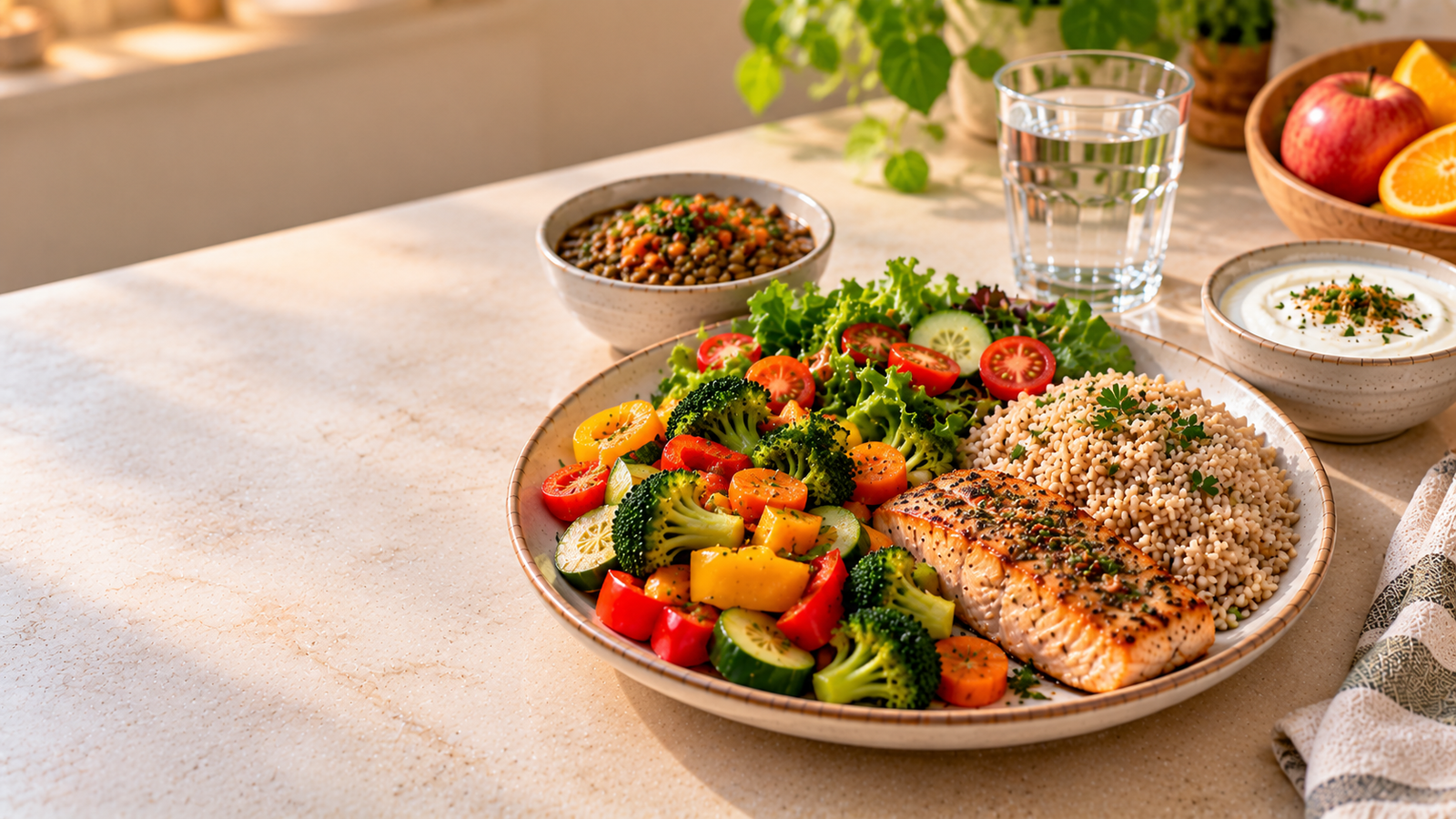
Learning how to build a healthy dinner can make everyday eating easier without requiring expensive ingredients, complicated recipes, or strict food rules. A nutritious evening meal combines foods that provide protein, carbohydrates, healthy fats, fiber, vitamins, and minerals in a way that suits your appetite and lifestyle.
Dinner is an opportunity to include vegetables, replenish energy, and enjoy a satisfying meal with family or friends. Whether you prefer traditional home-cooked food, vegetarian meals, or quick recipes after work, the same basic principles can help you create a balanced plate.
The goal is not to make every dinner perfect. It is to build a flexible eating pattern that provides variety, supports your nutritional needs, and remains realistic over time.
Key Takeaways
- Build dinner around vegetables, a protein source, and a suitable carbohydrate food.
- Choose whole grains and legumes regularly for fiber and other nutrients.
- Include healthy fats from foods such as nuts, seeds, and olive oil.
- Use fresh, frozen, or appropriately stored canned vegetables according to availability.
- Plan simple meals ahead to save money, time, and food waste.
- Adjust portions to your appetite, activity level, and individual health needs.
What Does a Healthy Dinner Include?
A healthy dinner provides a variety of nutrients from different food groups. There is no single meal that everyone must eat, but a balanced combination can help you meet your nutritional needs over time.
A practical starting point is the plate method: fill about half your plate with vegetables and fruit, one-quarter with protein-rich foods, and one-quarter with whole grains or other suitable carbohydrate foods. This is a visual guide rather than a rigid rule, and individual needs may differ.
For more guidance, read the Harvard Healthy Eating Plate.
The Main Components of a Healthy Dinner
| Food group | Examples | Nutritional contribution |
|---|---|---|
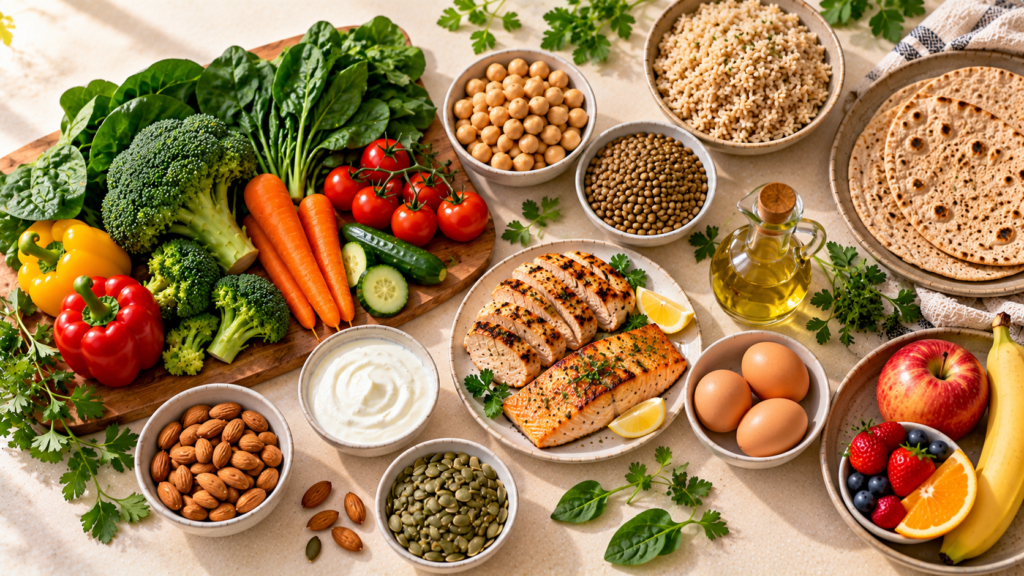
| Vegetables | Spinach, broccoli, carrots, tomatoes, cauliflower, peppers | Fiber, vitamins, minerals, and beneficial plant compounds |
| Protein foods | Fish, chicken, eggs, lentils, beans, chickpeas, tofu | Protein for tissue maintenance and repair |
| Whole grains and other carbohydrates | Brown rice, whole-wheat roti, whole-grain pasta, potatoes, barley | Energy, with whole grains also supplying fiber |
| Healthy fats | Nuts, seeds, olive oil, avocado | Essential fatty acids and support for fat-soluble vitamin absorption |
| Dairy or fortified alternatives | Plain yogurt, milk, calcium-fortified soy milk | Protein and calcium, depending on the product |
| Fruit | Oranges, apples, bananas, guava, seasonal fruit | Fiber, vitamins, and other nutrients |
| Water | Plain drinking water | Supports normal hydration |
You do not need to include every category in identical proportions at every meal. Think about the overall variety of foods you eat throughout the day.
How to Build a Healthy Dinner Step by Step
1. Fill a Large Part of Your Plate With Vegetables
Vegetables add color, fiber, vitamins, minerals, and variety to dinner. Eating different types throughout the week helps you obtain a broader range of nutrients.
Good choices include:
- Leafy greens such as spinach and kale
- Broccoli, cauliflower, and cabbage
- Carrots, tomatoes, and bell peppers
- Green beans, peas, and zucchini
- Seasonal vegetables available locally
You can steam, roast, grill, sauté, or lightly cook vegetables in soups and curries. Fresh vegetables are useful, but frozen vegetables can be equally practical. Canned vegetables may also fit, particularly when you compare sodium content and choose lower-sodium options when available.
Easy tip: Add vegetables to foods you already cook. Mix spinach into lentils, add carrots to rice, or serve cucumber and tomato salad alongside roti and chicken.
2. Include a Protein-Rich Food
Protein contributes to muscle maintenance, tissue repair, and many other normal body functions. Including a suitable protein source can also help make dinner satisfying.
| Protein source | Easy dinner idea |
|---|---|
| Lentils (dal) | Dal with whole-wheat roti and salad |
| Chickpeas | Chickpea curry with vegetables |
| Eggs | Vegetable omelet with whole-grain toast |
| Chicken | Grilled chicken with rice and broccoli |
| Fish | Baked fish with potatoes and greens |
| Beans | Bean and vegetable stew |
| Tofu | Tofu and vegetable stir-fry |
| Plain yogurt | Yogurt alongside a balanced vegetarian meal |
You do not need meat every night. Lentils, chickpeas, beans, eggs, and tofu can all contribute to a nutritious dinner. If you eat fish, choosing a variety of fish can help diversify your protein sources.
3. Choose a Suitable Source of Carbohydrates
Carbohydrates provide energy, including energy for the brain and muscles. A healthy dinner does not need to eliminate rice, bread, potatoes, or roti.
Instead, vary your choices and include whole grains regularly when practical.
Examples include:
- Whole-wheat roti or chapati
- Brown rice
- Whole-grain bread
- Whole-wheat pasta
- Barley
- Oats in savory dishes
- Potatoes or sweet potatoes
Whole grains generally contain more fiber than their refined counterparts. Potatoes can also contribute useful nutrients, especially when prepared with moderate amounts of added fat and served with vegetables and protein.
Practical example: Instead of eating a large serving of rice alone, pair rice with lentils or chicken and a generous serving of vegetables.
4. Add Healthy Fats
Dietary fats are necessary for normal body functions and help the body absorb vitamins A, D, E, and K.
Useful sources include olive oil, nuts, seeds, and avocado. Other oils rich in unsaturated fats can also be appropriate choices.
Try these simple additions:
- Use a modest amount of oil when cooking vegetables.
- Sprinkle sesame or pumpkin seeds over a salad.
- Add a few nuts to a side dish.
- Use a small amount of olive oil in a homemade dressing.
Healthy fats are energy-dense, so portions can be adjusted to your appetite and overall dietary needs. You do not need to add a separate fat source if your meal already contains enough from its ingredients.
5. Include Fruit or a Suitable Calcium-Rich Food
Fruit can round out a meal with fiber, vitamins, and natural sweetness. Choose whole fruit more often than juice because whole fruit generally provides more fiber.
Good options include apples, oranges, bananas, guava, pears, and seasonal fruit.
Plain yogurt or milk can contribute protein and calcium. If you use plant-based alternatives, check whether they are fortified with calcium and vitamin B12, as nutrient content varies between products.
Fruit and dairy are not mandatory additions to every dinner. Choose them according to your preferences, nutritional needs, and the rest of your day’s meals.
How to Build a Healthy Dinner Plate
The plate method makes meal planning easier because you can estimate proportions without weighing every ingredient.

Half the plate: Vegetables and fruit
Prioritize vegetables, using a mix of colors and cooking styles. Include fruit as appropriate to your appetite and meal plan.

One-quarter: Protein-rich foods
Choose fish, chicken, eggs, lentils, beans, chickpeas, tofu, or another suitable protein source.

One-quarter: Grains or other carbohydrate foods
Choose brown rice, whole-wheat roti, whole-grain pasta, potatoes, or another carbohydrate you enjoy.
Add water as your everyday drink and use appropriate amounts of oils, nuts, or seeds. A small serving of yogurt or another calcium-rich food may also complement the meal.
These proportions are a flexible starting point, not a strict prescription. Your needs may vary with age, activity level, appetite, health conditions, and other factors.
10 Easy and Healthy Dinner Ideas
Knowing how to build a healthy dinner is easier when you have a list of meals that use familiar ingredients. These combinations can be adapted to your budget, dietary preferences, and available produce.
| Dinner idea | Protein | Vegetables | Carbohydrate |
|---|---|---|---|
| 1. Dal dinner | Lentils | Cucumber and tomato salad | Whole-wheat roti |
| 2. Chicken plate | Chicken | Broccoli and carrots | Brown rice |
| 3. Fish dinner | Fish | Spinach and green beans | Potatoes |
| 4. Chickpea curry | Chickpeas | Tomatoes, onions, and spinach | Roti or brown rice |
| 5. Vegetable omelet | Eggs | Peppers, onions, and spinach | Whole-grain toast |
| 6. Bean bowl | Kidney beans or black beans | Tomatoes, peppers, and corn | Brown rice |
| 7. Tofu stir-fry | Tofu | Mixed vegetables | Whole-grain noodles |
| 8. Lentil soup | Lentils | Carrots, celery, and leafy greens | Whole-grain bread |
| 9. Chicken wrap | Chicken | Lettuce, tomatoes, and cucumber | Whole-wheat wrap |
| 10. Baked potato meal | Beans, cottage cheese, or another protein | Broccoli and side salad | Baked potato |
Three Simple Dinner Combinations
For a traditional home-cooked meal: Dal, whole-wheat roti, seasonal vegetables, and plain yogurt.
For a quick weeknight dinner: Eggs or chickpeas, sautéed vegetables, and whole-grain toast or roti.
For a higher-protein dinner: Grilled chicken or fish, brown rice, and a large serving of cooked vegetables.
These are meal ideas, not fixed nutritional prescriptions. Adjust serving sizes and ingredients to your needs.
How to Build a Healthy Dinner on a Budget
A nutritious evening meal does not have to rely on costly specialty products. Everyday staples can provide a wide range of nutrients.
Affordable Foods to Keep at Home
- Lentils and beans: Versatile sources of plant protein, fiber, and minerals.
- Eggs: Useful for quick meals and easy to combine with vegetables.
- Seasonal vegetables: Help add variety without requiring expensive produce.
- Rice and whole-wheat flour: Convenient staples for everyday meals.
- Frozen vegetables: Useful when fresh produce is costly or difficult to store.
- Chickpeas: Work in curries, salads, and grain bowls.
- Plain yogurt: Can provide protein and calcium, depending on the product.
- Peanuts and seeds: Provide unsaturated fats and other nutrients in small portions.
Ways to Reduce Dinner Costs
- Plan several dinners before making your grocery list.
- Cook a batch of lentils or beans and use them in different meals.
- Buy seasonal produce and use it before it spoils.
- Repurpose leftovers into wraps, soups, or rice bowls.
- Freeze suitable portions for future meals.
- Compare prices and choose affordable ingredients that meet your needs.
For safe storage and preparation of meat, eggs, leftovers, and other perishable foods, consult the USDA Food Safety and Inspection Service.

How to Build a Healthy Dinner When You Have Little Time
A healthy dinner can be simple. You do not need to cook several separate dishes every evening.
Use a 15–30 Minute Dinner Formula
Choose one ingredient from each group:
- Protein: Eggs, canned beans, cooked lentils, tofu, or leftover chicken.
- Vegetables: Frozen mixed vegetables, spinach, tomatoes, or prewashed salad.
- Carbohydrate: Whole-wheat roti, quick-cooking rice, whole-grain bread, or potatoes.
- Flavor: Garlic, lemon, herbs, spices, or a simple homemade sauce.
For example, scramble eggs with spinach and tomatoes, then serve with whole-wheat roti. Alternatively, heat cooked chickpeas with vegetables and spices and serve with rice.
Cooking times depend on the ingredients and equipment, but these combinations can reduce preparation and cleanup.
Prepare Ingredients Ahead of Time
Meal preparation can make healthy dinners easier during busy weeks.
- Cook a batch of lentils, beans, or grains.
- Wash and cut vegetables that store well.
- Portion suitable leftovers into containers.
- Keep frozen vegetables and convenient protein options available.
- Plan one or two meals that use the same ingredients in different ways.
Food-safety reminder: Refrigerate perishable cooked foods promptly in suitable containers. Keep cold foods cold during storage and transport, and reheat leftovers thoroughly. Follow local food-safety recommendations.
How to Build a Healthy Dinner for Different Needs
A balanced dinner should fit your lifestyle, preferences, and nutritional requirements.
For Vegetarians
Use lentils, chickpeas, beans, tofu, eggs, or dairy products if you consume them. Combine these foods with vegetables and grains to create satisfying meals.
If you follow a vegan diet, plan reliable sources of vitamin B12 through fortified foods or an appropriate supplement, with professional guidance when needed.
For Families and Children
Serve a variety of familiar foods and offer age-appropriate portions. Children may prefer vegetables prepared separately or served with a familiar dip or sauce. Avoid forcing children to finish a predetermined portion; appetite changes with growth and activity.
For Physically Active Adults
You may need a larger overall meal or additional carbohydrates and protein, depending on your activity and goals. Rice, potatoes, roti, whole grains, and protein-rich foods can all fit into an active person’s diet.
For People Managing a Health Condition
Diabetes, kidney disease, food allergies, and other medical conditions may require individualized meal planning. If you have a prescribed diet or medication-related food restrictions, consult a qualified healthcare professional or registered dietitian rather than relying on a generic plate guide.
For evidence-based information about individual nutrients, see the NIH Office of Dietary Supplements fact sheets.
Common Healthy Dinner Mistakes to Avoid
You can improve dinner without making your eating routine complicated. Avoid these common pitfalls:
- Skipping vegetables: Add fresh, frozen, or cooked vegetables to your usual meals.
- Eating only carbohydrates: Pair rice, roti, bread, or potatoes with protein and vegetables.
- Avoiding all fats: Include suitable sources of unsaturated fats in practical amounts.
- Relying on expensive health foods: Ordinary staples such as lentils, eggs, beans, and seasonal produce can be nutritious.
- Using too much salt or salty sauces: Try garlic, lemon, herbs, and spices for extra flavor.
- Following rigid portion rules: Adjust meal sizes to your hunger and individual needs.
- Preparing meals without considering food safety: Store leftovers and perishable ingredients properly.
Frequently Asked Questions
1. How do you build a healthy dinner every day?
Include vegetables, a protein source, and a carbohydrate food such as whole grains, rice, roti, or potatoes. Add healthy fats and other foods according to your preferences and nutritional needs. Vary your ingredients throughout the week.
2. What should a healthy dinner plate look like?
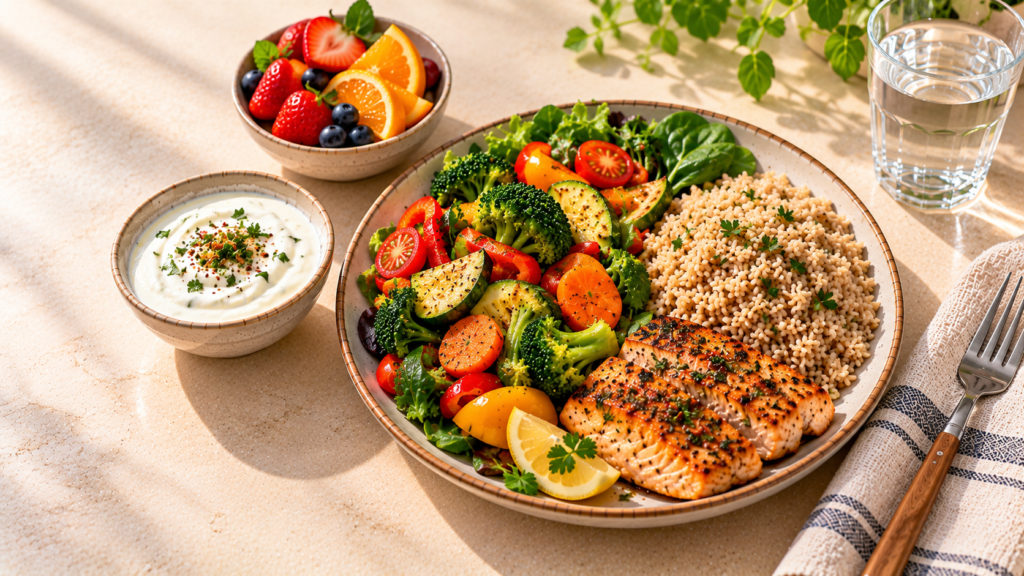
A useful starting point is half vegetables and fruit, one-quarter protein-rich foods, and one-quarter whole grains or other carbohydrate foods. These proportions are flexible and may need adjusting for individual requirements.
3. What are the best foods for a healthy dinner?
Vegetables, lentils, beans, chickpeas, eggs, fish, chicken, tofu, whole grains, and suitable sources of healthy fats can all contribute to a nutritious dinner. The best combination is one that meets your needs and that you can enjoy regularly.
4. How can I make a healthy dinner on a tight budget?
Use lentils, beans, eggs, seasonal vegetables, rice, and whole-wheat roti. Plan meals before shopping, cook ingredients in batches, and use leftovers safely to reduce waste.
5. What is a healthy dinner for weight management?
A meal containing vegetables, protein, fiber-rich carbohydrates, and appropriate amounts of fat can support a balanced eating pattern. Weight management depends on overall dietary intake, activity, health, and other factors—not on one particular dinner.
6. Can I eat rice at dinner and still eat healthily?
Yes. Rice can be part of a healthy dinner. Pair it with protein and vegetables, consider whole-grain options when practical, and choose a portion that suits your appetite and nutritional needs.
7. Is it healthy to eat dinner late at night?
Meal timing can depend on your schedule, sleep routine, medical needs, and personal comfort. If eating late causes discomfort or disrupts your sleep, try eating earlier when possible or choosing a meal size that feels comfortable.
8. What is the easiest healthy dinner to make?
Eggs with vegetables and whole-wheat roti, lentil dal with salad, or chickpeas with rice and vegetables are practical options. Using frozen vegetables and pre-cooked legumes can make preparation even easier.
Conclusion: Make Healthy Dinners a Daily Habit
Learning how to build a healthy dinner does not require strict rules, costly ingredients, or complicated recipes. Start with vegetables, include a protein source, choose a suitable carbohydrate, and add healthy fats or other foods according to your needs.
Simple meals such as dal with roti and vegetables, chickpeas with rice, or chicken with broccoli can provide variety and useful nutrients. Planning a few reliable combinations can also make grocery shopping, cooking, and portion decisions easier.
Focus on consistency rather than perfection. Make one practical improvement at your next dinner, then build on it as your routine develops.
2 thoughts on “How to Build a Healthy Dinner”