
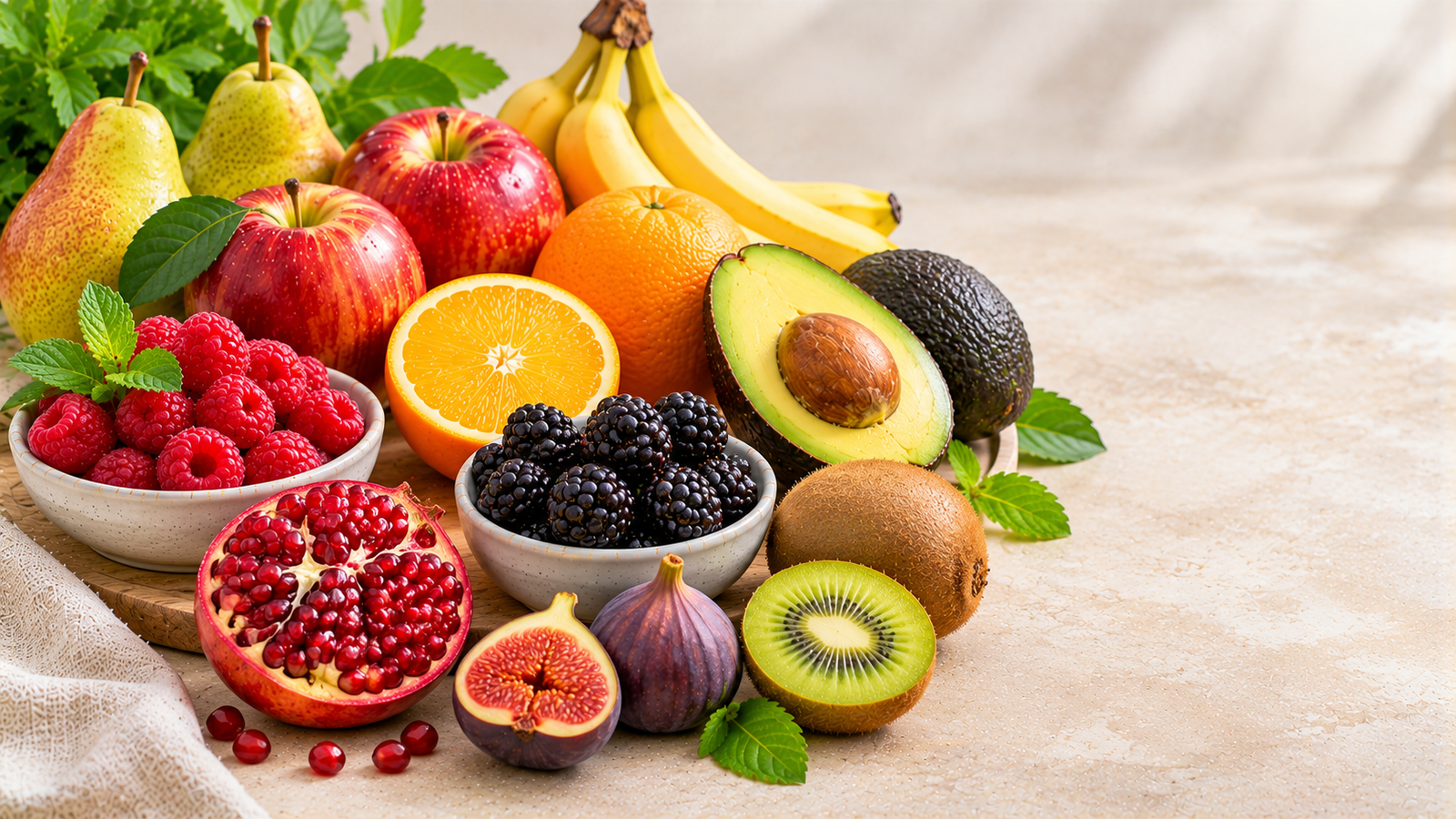
The best high fiber fruits are a delicious way to support digestive health, improve meal quality, and increase your daily fiber intake naturally. From raspberries and blackberries to pears, avocados, and figs, many everyday fruits provide dietary fiber along with vitamins, minerals, antioxidants, and water.
Fiber is an important part of a balanced diet. It supports regular bowel movements, helps you feel satisfied after meals, and can contribute to healthy cholesterol and blood glucose levels. However, many people do not eat enough fiber-rich foods each day.
Adding more whole fruits to breakfast, snacks, smoothies, and meals is a simple way to improve your fiber intake without relying on supplements.
This guide covers 20 of the best high fiber fruits, approximate fiber amounts, their nutritional benefits, and practical ways to enjoy them.
Key Takeaways
- Raspberries and blackberries are among the most fiber-rich commonly available fruits.
- Pears, apples, and kiwis are convenient everyday sources of dietary fiber.
- Eating whole fruit generally provides more fiber than drinking fruit juice.
- Fruit skin is often an important source of fiber, so eat edible skins when appropriate.
- A variety of fruits provides different types of fiber and valuable nutrients.
- Increase fiber gradually and drink enough fluids to help your digestive system adjust.
What Makes a Fruit High in Fiber?
Dietary fiber is a type of carbohydrate found naturally in plant foods. Unlike most carbohydrates, it is not fully broken down and absorbed in the small intestine.
Fruits contain different amounts and types of fiber. Some provide soluble fiber, which dissolves in water and can form a gel-like substance. Others contain insoluble fiber, which adds bulk to stool and supports regular bowel movements.
Soluble Fiber in Fruits
Soluble fiber absorbs water and forms a gel-like material during digestion. It can help:
- Support healthy cholesterol levels.
- Slow the absorption of carbohydrates.
- Promote feelings of fullness.
- Support a healthy gut environment.
Apples, pears, citrus fruits, and some berries provide soluble fiber.
Insoluble Fiber in Fruits
Insoluble fiber does not dissolve in water. It helps add bulk to stool and supports normal bowel movements.
Fruit skins, seeds, and the fibrous parts of many fruits contribute insoluble fiber.
Important: Most whole fruits contain a mixture of soluble and insoluble fiber, so eating different kinds is a practical way to get both.
20 Best High Fiber Fruits to Add to Your Diet
The following table compares approximate fiber amounts in common fruit servings. Actual values vary according to fruit size, variety, ripeness, and preparation.
High Fiber Fruits Chart
| No. | Fruit | Approximate Fiber |
|---|---|---|
| 1 | Raspberries | 8 g per cup |
| 2 | Blackberries | 7.6 g per cup |
| 3 | Avocado | 6.7 g per half |
| 4 | Pear with skin | 5.5 g per medium fruit |
| 5 | Guava | 3–5 g per 100 g |
| 6 | Pomegranate seeds | 3.5–4 g per 100 g |
| 7 | Kiwi | 2–3 g per medium fruit |
| 8 | Apple with skin | 4.4 g per medium fruit |
| 9 | Orange | 3.1 g per medium fruit |
| 10 | Banana | 3.1 g per medium fruit |
| 11 | Figs, fresh | About 1.5 g per medium fig |
| 12 | Figs, dried | About 3.7 g per 40 g |
| 13 | Prunes | About 3 g per 40 g |
| 14 | Dates | About 1.6 g per 40 g |
| 15 | Passion fruit | About 10 g per cup of pulp and seeds |
| 16 | Persimmon | About 6 g per medium fruit |
| 17 | Grapefruit | About 2 g per half |
| 18 | Strawberries | About 3 g per cup |
| 19 | Mango | About 3 g per cup |
| 20 | Peaches with skin | About 2 g per medium fruit |
Values are approximate food-composition estimates, not guaranteed values for every variety or serving. Dried-fruit values depend on the product and portion size.
1. Raspberries
Raspberries are one of the best high fiber fruits because a cup provides approximately 8 grams of dietary fiber. They also contain vitamin C, manganese, and plant compounds called polyphenols.
Their small seeds and naturally fibrous structure contribute to their fiber content.
Why eat raspberries?
- Provide a substantial amount of fiber per serving.
- Contain vitamin C, which supports normal immune function.
- Supply antioxidant plant compounds.
- Add natural sweetness to meals.
Easy ways to eat them:
- Add fresh raspberries to oatmeal.
- Mix them into plain yogurt.
- Blend them into a smoothie.
- Enjoy them as a snack with nuts.
2. Blackberries
Blackberries provide approximately 7.6 grams of fiber per cup, making them another excellent choice for people looking to increase their daily fiber intake.
They contain vitamin C, vitamin K, and colorful antioxidant compounds. Their seeds also contribute to their fiber content.
Easy ways to eat blackberries:
- Add them to breakfast cereal.
- Mix them into Greek yogurt.
- Combine them with other berries.
- Use them as a topping for whole-grain pancakes.
3. Avocado
Avocado is technically a fruit and is especially rich in fiber. Half a medium avocado provides approximately 6.7 grams.
It also supplies monounsaturated fats, potassium, and folate. Its combination of fiber and healthy fats makes it a satisfying addition to meals.
Why include avocado in your diet?
- Provides fiber to support digestive health.
- Contains unsaturated fats.
- Supplies potassium and folate.
- Adds a creamy texture to meals without needing a sugary sauce.
Easy ways to eat avocado:
- Spread it on whole-grain toast.
- Add slices to sandwiches.
- Mix it into salads.
- Serve it with eggs or beans.
4. Pears
A medium pear with its skin provides approximately 5.5 grams of fiber. Pears are an easy everyday fruit and provide both soluble and insoluble fiber.
The skin contributes a meaningful amount of the fruit’s fiber, so washing the pear and eating it unpeeled can help you get more.
Easy ways to eat pears:
- Eat a fresh pear as a snack.
- Slice it over oatmeal.
- Add it to a leafy green salad.
- Pair it with unsalted nuts.
5. Guava
Guava is a nutrient-rich tropical fruit and a useful source of dietary fiber. Depending on its size and variety, 100 grams can provide roughly 3–5 grams of fiber.
It is also well known for its vitamin C content.
Benefits of guava:
- Provides dietary fiber.
- Supplies vitamin C.
- Contains beneficial plant compounds.
- Adds natural sweetness and freshness to snacks.
Enjoy washed guava whole or sliced. If you eat the seeds, chew them comfortably rather than swallowing large pieces without chewing.
6. Pomegranate
Pomegranate seeds, also called arils, provide fiber along with potassium and antioxidant plant compounds.
Approximately 100 grams of pomegranate arils provides around 3.5–4 grams of fiber.
Easy ways to eat pomegranate:
- Sprinkle the seeds over yogurt.
- Add them to fruit salads.
- Mix them into oatmeal.
- Use them as a colorful salad topping.
7. Kiwi
Kiwi is a refreshing fruit that provides approximately 2–3 grams of fiber per medium fruit, depending on its size.
It also contains vitamin C, vitamin K, and potassium. Its combination of fiber and water makes it a useful fruit to include in a varied diet.
Easy ways to eat kiwi:
- Slice it into breakfast bowls.
- Add it to smoothies.
- Combine it with berries.
- Eat it fresh as an afternoon snack.
8. Apples
A medium apple with its skin provides approximately 4.4 grams of fiber. Apples contain pectin, a type of soluble fiber, as well as insoluble fiber.
Eating an apple whole is generally a better way to retain its fiber than drinking filtered apple juice.
Easy ways to eat apples:
- Enjoy an apple with peanut butter.
- Chop it into oatmeal.
- Add slices to salads.
- Pair it with yogurt and cinnamon.
9. Oranges
A medium orange provides approximately 3.1 grams of fiber. Oranges are also an excellent source of vitamin C and contain water and beneficial plant compounds.
Eating the whole fruit, including its natural pulp, provides more fiber than drinking strained orange juice.
Easy ways to eat oranges:
- Eat one as a snack.
- Add orange segments to salads.
- Combine them with berries.
- Serve them alongside breakfast.
10. Bananas
A medium banana contains approximately 3.1 grams of fiber. Bananas also provide potassium and vitamin B6.
They are convenient, portable, and easy to combine with other fiber-rich foods.
Easy ways to eat bananas:
- Add banana slices to oatmeal.
- Blend them into smoothies.
- Serve them with peanut butter.
- Mix them with plain yogurt and chia seeds.
11. Fresh Figs
Fresh figs provide dietary fiber, natural sweetness, and minerals such as potassium. A medium fresh fig contains approximately 1.5 grams of fiber.
Their soft flesh and edible seeds make them a useful addition to fruit bowls and snacks.
Ways to enjoy fresh figs:
- Slice them over yogurt.
- Add them to salads.
- Pair them with nuts.
- Enjoy them as a naturally sweet snack.
12. Dried Figs
Dried figs contain less water than fresh figs, so their fiber is more concentrated by weight. Around 40 grams may provide approximately 3.7 grams of fiber.
However, dried fruit is also more concentrated in natural sugars and calories, so portion size matters.
Ways to eat dried figs:
- Chop them into oatmeal.
- Mix them with almonds.
- Add them to homemade trail mix.
- Use small portions in whole-grain baking.
13. Prunes
Prunes are dried plums and provide approximately 3 grams of fiber per 40-gram serving.
They also contain sorbitol, a naturally occurring sugar alcohol that can affect bowel movements. This is one reason prunes are commonly included in discussions of digestive health.
Ways to eat prunes:
- Enjoy a small portion as a snack.
- Chop them into oatmeal.
- Mix them with plain yogurt.
- Add them to homemade fruit-and-nut mixtures.
If you are not used to eating prunes, start with a small amount because larger portions may cause gas or loose stools.
14. Dates
Dates are naturally sweet and provide fiber, potassium, and other plant nutrients. A 40-gram portion provides approximately 1.6 grams of fiber, although the amount varies by variety.
Dates are energy-dense, so moderate portions are a practical choice.
Ways to eat dates:
- Pair them with almonds or walnuts.
- Chop them into oatmeal.
- Blend them into homemade energy bites.
- Add small pieces to a fruit-and-nut snack.
15. Passion Fruit
Passion fruit is particularly notable for its fiber content. A cup of pulp and seeds can provide around 10 grams of fiber, although serving size and variety affect the amount.
Its seeds are edible and contribute to the fruit’s fiber.
Ways to eat passion fruit:
- Spoon the pulp over yogurt.
- Add it to smoothies.
- Mix it with fresh fruit.
- Use it as a topping for oatmeal.
16. Persimmons
Persimmons are sweet, soft fruits that can provide approximately 6 grams of fiber in a medium fruit, depending on the variety and size.
They also contain vitamin A-related carotenoids and other plant compounds.
Ways to eat persimmons:
- Enjoy ripe persimmon on its own.
- Add slices to a fruit bowl.
- Mix the flesh into oatmeal.
- Combine it with plain yogurt.
17. Grapefruit
Half a grapefruit provides approximately 2 grams of fiber. It also contains vitamin C and water, making it a refreshing option.
Eat the fruit segments rather than relying on strained juice if you want to retain more of its natural fiber.
Ways to eat grapefruit:
- Serve it with breakfast.
- Add segments to a salad.
- Combine it with berries.
- Enjoy it as a refreshing snack.
Medication caution: Grapefruit can interact with certain prescription medicines. If you take regular medication, check with a pharmacist or healthcare professional before eating it regularly.
18. Strawberries
One cup of strawberries provides approximately 3 grams of fiber. Strawberries also contain vitamin C, manganese, and antioxidant compounds.
Their naturally sweet flavor makes them easy to add to meals without relying on added sugar.
Ways to eat strawberries:
- Add them to overnight oats.
- Mix them with yogurt.
- Blend them into a smoothie.
- Serve them with whole-grain pancakes.
19. Mango
Mango provides approximately 3 grams of fiber per cup of sliced fruit. It also supplies vitamin C, folate, and carotenoids.
Mango is a convenient way to add natural sweetness and variety to a balanced diet.
Ways to eat mango:
- Add fresh mango to yogurt.
- Combine it with chia pudding.
- Mix it into fruit salad.
- Serve it alongside breakfast.
20. Peaches
A medium peach with its skin provides approximately 2 grams of fiber. Peaches also contain water, vitamin C, and plant compounds.
Eating the skin, after washing the fruit, helps retain more of its fiber.
Ways to eat peaches:
- Slice them over oatmeal.
- Add them to yogurt.
- Combine them with berries.
- Enjoy them as a fresh snack.
Which High Fiber Fruits Have the Most Fiber?
If your goal is to increase fiber efficiently, some fruits provide considerably more fiber per serving than others.
Based on the approximate servings in the chart:
| Fruit | Approximate fiber | Serving |
|---|---|---|
| Passion fruit | 10 g | 1 cup pulp and seeds |
| Raspberries | 8 g | 1 cup |
| Blackberries | 7.6 g | 1 cup |
| Avocado | 6.7 g | Half a medium fruit |
| Persimmon | 6 g | 1 medium fruit |
| Pear | 5.5 g | 1 medium fruit |
| Apple | 4.4 g | 1 medium fruit |
| Pomegranate arils | 3.5–4 g | 100 g |
A practical tip: Fiber content per serving is more useful than comparing fruits by weight alone. Choose portions you can comfortably eat and enjoy a variety of fruits throughout the week.
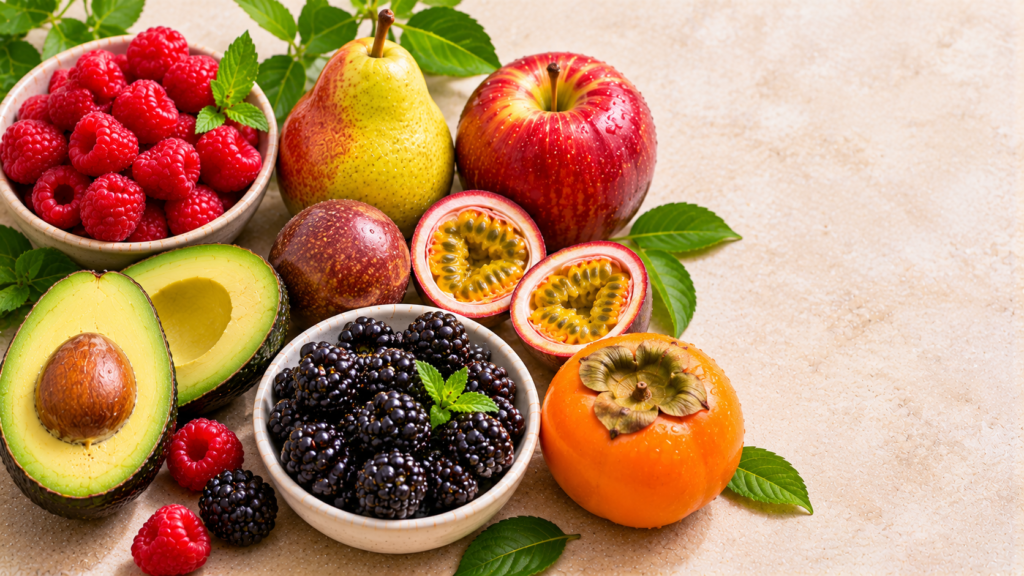
Health Benefits of Eating High Fiber Fruits
Eating a variety of whole fruits can support overall health because fruit provides fiber alongside vitamins, minerals, water, and beneficial plant compounds.
1. Supports Digestive Health
Dietary fiber helps support normal digestion and bowel movements. Insoluble fiber adds bulk to stool, while soluble fiber absorbs water and forms a gel-like substance.
Fruits such as pears, raspberries, apples, blackberries, and prunes can contribute to daily fiber intake.
Eating fruit regularly is not a guaranteed treatment for constipation, but it can be one helpful part of a balanced eating pattern.
2. Helps Support Regular Bowel Movements
Fiber helps maintain stool consistency and supports regularity. Some fruits, including prunes, contain both fiber and naturally occurring sorbitol, which may help stimulate bowel movements.
For better digestive comfort:
- Eat a variety of whole fruits.
- Increase fiber gradually.
- Drink enough fluids.
- Include vegetables, beans, and whole grains in your meals.
- Stay physically active.
3. Supports Heart Health
Certain types of soluble fiber can help reduce the absorption of cholesterol in the digestive tract. Apples, pears, citrus fruits, and other fiber-containing foods can contribute to an overall heart-healthy eating pattern.
Fruit should be combined with other nutritious foods, such as vegetables, legumes, nuts, seeds, and whole grains.
4. Helps You Feel Full After Meals
Fiber adds volume to food and can slow digestion. Whole fruits also contain water, which contributes to their filling quality.
For example, an apple or pear paired with a small serving of nuts can make a satisfying snack.
This can help you build balanced meals and snacks without relying on highly processed foods.
5. Supports Healthy Blood Glucose Management
Fiber can slow the digestion and absorption of carbohydrates, particularly when it is part of a meal containing protein and healthy fats.
Whole fruits are generally a better everyday choice than sugary fruit drinks because they retain their natural fiber.
People managing diabetes can usually include whole fruit in a balanced eating plan, but portion sizes and individual glucose responses matter.
6. Provides Vitamins, Minerals, and Antioxidants
Fiber-rich fruits also offer nutrients that support normal body functions.
| Nutrient | Fruit examples | Role in the body |
|---|---|---|
| Vitamin C | Kiwi, oranges, strawberries, guava | Supports normal immune function and collagen formation |
| Potassium | Bananas, avocados, oranges | Helps regulate fluid balance and normal muscle function |
| Folate | Avocado, oranges | Supports cell division and normal red blood cell formation |
| Vitamin K | Kiwi, some berries | Supports normal blood clotting |
| Plant polyphenols | Berries, apples, pomegranate | Contribute antioxidant activity |
A varied fruit intake is more useful than depending on one fruit for every nutrient.
How Much Fiber Do You Need Every Day?
Your daily fiber needs depend on your age, sex, and life stage. Commonly used recommendations for adults aged 19–50 are approximately 25 grams per day for women and 38 grams per day for men.
| Group | General daily fiber recommendation |
|---|---|
| Women aged 19–50 | 25 g |
| Men aged 19–50 | 38 g |
| Women aged 51 and older | 21 g |
| Men aged 51 and older | 30 g |
| Pregnancy | 28 g |
| Breastfeeding | 29 g |
These are general reference values, not individualized prescriptions. Needs may differ according to age, health conditions, and dietary circumstances.
External resource: External Link: National Academies – Dietary Reference Intakes for Fiber
How to Add More High Fiber Fruits to Your Daily Diet
You do not need to change your entire eating routine to eat more fiber. Small, consistent additions can make a meaningful difference.
At Breakfast
- Add raspberries or blackberries to oatmeal.
- Slice a pear or banana over whole-grain cereal.
- Mix kiwi and strawberries into plain yogurt.
- Add chia seeds to a fruit smoothie.
As Morning or Afternoon Snacks
- Eat an apple with a small handful of almonds.
- Enjoy fresh guava or a pear.
- Combine strawberries and blackberries in a small bowl.
- Pair a few prunes with unsweetened yogurt.
At Lunch
- Add avocado slices to a whole-grain sandwich.
- Include orange segments in a salad.
- Serve fruit alongside a meal containing beans or lentils.
At Dinner
- Add a small fruit salad as a side.
- Enjoy fresh pomegranate seeds over a salad.
- Include fruit as part of a balanced dessert, such as yogurt with berries.
For Evening Snacks
- Try a small serving of fresh fruit.
- Combine sliced apple with peanut butter.
- Add chopped dates or figs to a homemade snack mix.
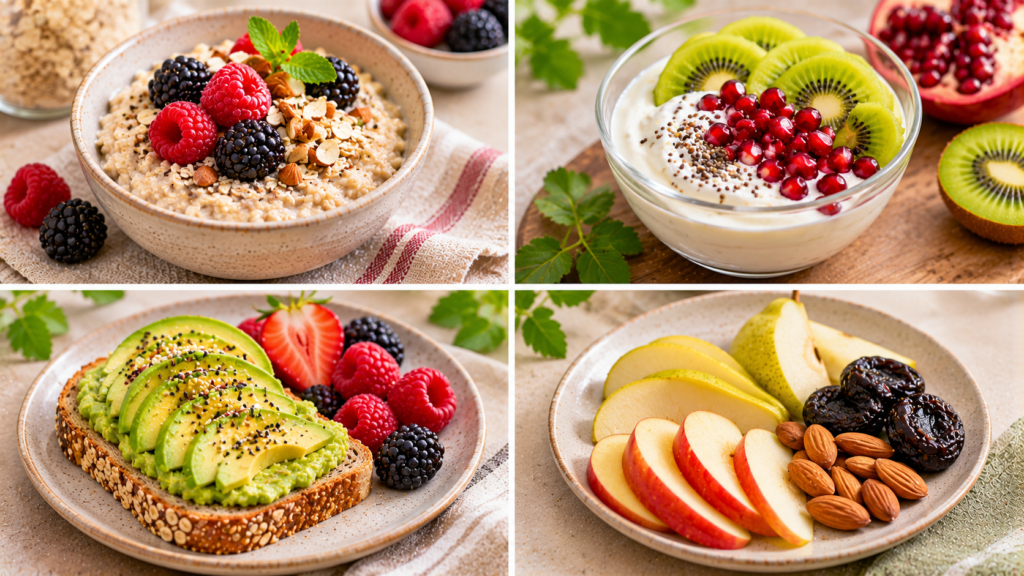
A Simple One-Day High Fiber Fruit Meal Plan
Here is an example of how you can include different fruits throughout the day. The plan is illustrative; adjust portions to your appetite, nutritional needs, and overall diet.
| Meal | Food idea | Approximate fruit fiber |
|---|---|---|
| Breakfast | Oatmeal with ½ cup raspberries | 4 g |
| Morning snack | 1 medium pear with skin | 5.5 g |
| Lunch | Salad with ½ avocado | 6.7 g |
| Afternoon snack | 1 medium orange | 3.1 g |
| Dinner | Balanced meal with vegetables and whole grains, followed by strawberries | About 1.5 g from ½ cup |
| Total from listed fruit portions | About 20.8 g |
This example shows that fruit can contribute a substantial amount of daily fiber. Vegetables, beans, whole grains, nuts, and seeds can help you meet your remaining needs.
Whole Fruits vs. Fruit Juice: Which Is Better for Fiber?
Whole fruits are generally the better choice when your goal is to increase dietary fiber.
| Feature | Whole fruit | Fruit juice |
|---|---|---|
| Natural fiber | Usually retains fiber | Often much lower, especially if strained |
| Chewing | Requires chewing | Usually requires little effort to consume |
| Fullness | Often more filling | May be less filling |
| Portion control | Easier to recognize a whole-fruit serving | Easy to drink several fruit portions quickly |
| Everyday fiber intake | Generally a better choice | Not a reliable replacement for whole fruit |
Why Whole Fruit Is Usually Better
When fruit is juiced and strained, much of its pulp and fiber may be removed. Drinking juice can therefore provide vitamins and natural sugars without the same amount of fiber as the original fruit.
For example, eating a whole orange provides fiber from its pulp and natural structure, while strained orange juice contains much less.
If you enjoy juice, choose an appropriate portion and treat it as a complement rather than a replacement for whole fruit.
Fresh Fruits vs. Dried Fruits: Which Should You Choose?
Both fresh and dried fruits can fit into a balanced diet, but their nutritional characteristics differ.
| Feature | Fresh fruit | Dried fruit |
|---|---|---|
| Water content | Usually high | Low |
| Fiber per weight | Less concentrated | More concentrated |
| Calories per weight | Usually lower | Usually higher |
| Natural sugar per weight | Less concentrated | More concentrated |
| Portion size | Often larger | Usually smaller |
Dried figs, prunes, and dates can provide fiber in a compact serving. However, because they contain less water, it is easier to eat a larger amount of calories and natural sugars in a small portion.
Choose unsweetened dried fruit when possible, check ingredient labels, and enjoy moderate servings.
Tips for Getting More Fiber From Fruits
Use these practical strategies to make fruit a regular part of your diet.
- Choose whole fruits: Eat fruit rather than relying mainly on juice.
- Keep edible skins: Wash apples, pears, and peaches and eat their skins when suitable.
- Choose berries regularly: Raspberries and blackberries are especially useful fiber sources.
- Mix different fruits: Variety provides different nutrients and types of fiber.
- Pair fruit with other foods: Combine fruit with nuts, yogurt, oats, or whole grains.
- Keep convenient options available: Store washed fruit where it is easy to reach.
- Check dried-fruit portions: Dried fruit is concentrated, so a small serving can provide a meaningful amount of fiber.
Common Mistakes to Avoid When Eating High Fiber Fruits
1. Drinking Juice Instead of Eating Whole Fruit
Juice may contain vitamins, but straining often removes much of the fruit’s fiber. Choose whole fruit more often.
2. Peeling Every Fruit
The skin of fruits such as apples and pears contributes fiber. When the skin is edible, wash the fruit thoroughly and consider eating it unpeeled.
3. Increasing Fiber Too Quickly
A sudden increase in fiber may cause bloating, gas, or abdominal discomfort. Increase your intake gradually over several days or weeks.
4. Forgetting to Drink Enough Fluids
Fiber works best as part of an overall diet that includes adequate fluids. Increase water intake as you increase fiber, unless a healthcare professional has advised you to restrict fluids.
5. Eating Only One Type of Fruit
Relying on a single fruit can limit dietary variety. Rotate berries, citrus fruits, pears, apples, tropical fruits, and other options.
6. Assuming Dried Fruit Is Always a Better Choice
Dried fruits are convenient and can be fiber-rich, but they are more concentrated in calories and natural sugars by weight. Choose portions thoughtfully.
High Fiber Foods: Complete Food Guide
This related guide can help readers compare fiber-rich fruits with vegetables, legumes, whole grains, nuts, and seeds.
Frequently Asked Questions About the Best High Fiber Fruits
1. What are the best high fiber fruits?
Raspberries, blackberries, passion fruit, avocado, pears, and persimmons are among the useful high-fiber choices. Their exact fiber amounts depend on serving size and variety.
2. Which fruit has the most fiber?
Passion fruit can provide a particularly high amount of fiber. A cup of pulp and seeds may contain around 10 grams, although the amount varies by serving and preparation.
3. Are bananas high in fiber?
Yes. A medium banana provides approximately 3.1 grams of fiber. It is also a source of potassium and vitamin B6.
4. Are apples good for fiber?
Yes. A medium apple with its skin provides approximately 4.4 grams of fiber. Eating the apple whole helps retain more fiber than drinking filtered apple juice.
5. Which berries are highest in fiber?
Raspberries and blackberries are especially high in fiber. One cup of raspberries provides approximately 8 grams, while one cup of blackberries provides around 7.6 grams.
6. Are dried fruits high in fiber?
Yes. Dried figs and prunes provide fiber in concentrated portions because much of their water has been removed. However, they are also more concentrated in calories and natural sugars.
7. Is avocado a high fiber fruit?
Yes. Half a medium avocado provides approximately 6.7 grams of fiber. It also contains monounsaturated fats and potassium.
8. Is it better to eat fruit with or without the skin?
For fruits with edible skins, such as apples and pears, eating the skin generally provides more fiber. Wash fruit thoroughly before eating it.
9. Can I eat high fiber fruits every day?
Most people can enjoy a variety of whole fruits every day as part of a balanced diet. Choose suitable portions and increase fiber gradually if your current intake is low.
10. Do high fiber fruits help with constipation?
Fiber can help support regular bowel movements, and fruits such as pears, berries, and prunes can contribute to fiber intake. Adequate fluids and overall dietary habits also matter. Persistent or severe constipation should be discussed with a healthcare professional.
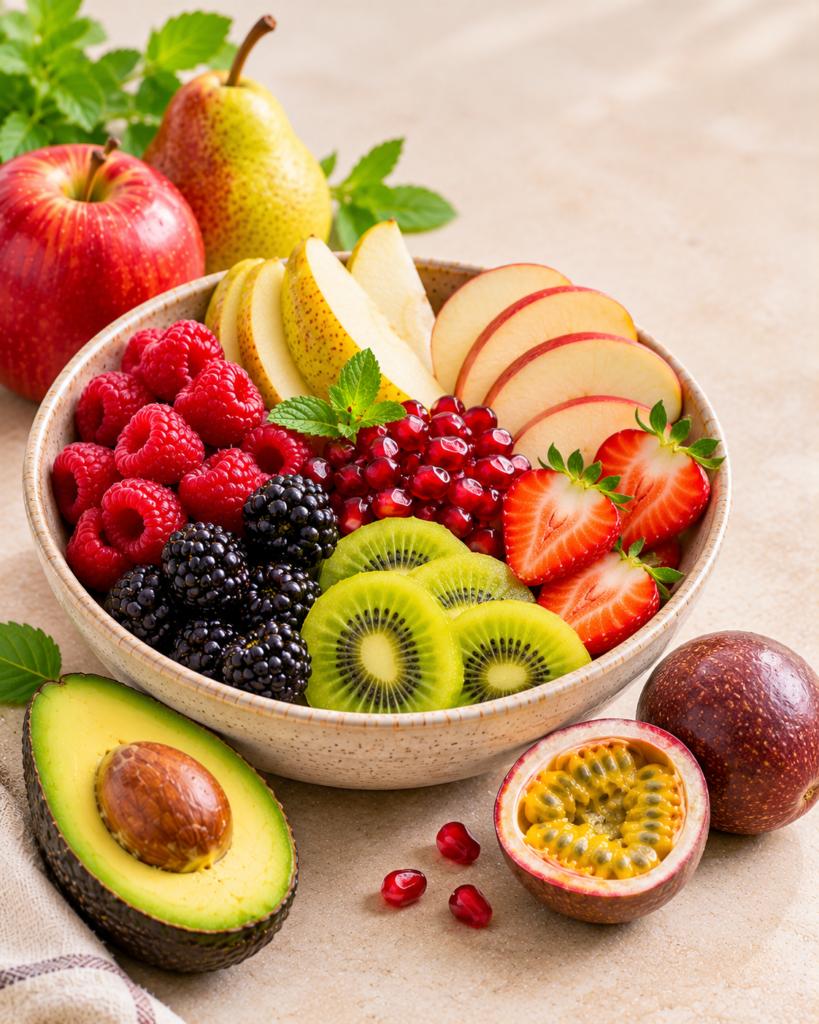
Conclusion: Add the Best High Fiber Fruits to Your Daily Diet
The best high fiber fruits make it easier to improve your daily nutrition while enjoying naturally sweet and delicious foods. Raspberries, blackberries, pears, avocados, passion fruit, apples, and prunes are excellent options to consider.
You do not need to eat every fruit on this list. Start with the fruits you enjoy, include different varieties throughout the week, and combine them with vegetables, legumes, whole grains, nuts, and seeds.
Remember to choose whole fruits more often than strained juices, eat edible skins when appropriate, and increase your fiber intake gradually.
A consistent, varied eating pattern is more important than relying on one particular fruit. Small daily choices can help you build a healthier, more fiber-rich diet.
3 thoughts on “Best High Fiber Fruits”