
Iron deficiency occurs when your body does not have enough iron to maintain its normal functions. Iron is an essential mineral that helps your body produce hemoglobin, a protein in red blood cells responsible for carrying oxygen from your lungs to your tissues.
When iron stores become too low, you may experience fatigue, weakness, dizziness, difficulty concentrating, or other symptoms. If the deficiency becomes severe enough to reduce hemoglobin, it can lead to iron deficiency anemia.
Iron deficiency can develop for several reasons, including inadequate dietary intake, heavy menstrual bleeding, pregnancy, blood loss, or conditions that interfere with iron absorption. Recognizing the signs early and understanding which foods provide iron can help you take appropriate steps toward better nutritional health.
However, symptoms alone cannot confirm iron deficiency. Blood tests and evaluation by a healthcare professional are important for identifying the problem and its underlying cause.
Key Takeaways
- Iron helps produce hemoglobin, which carries oxygen throughout the body.
- Common signs of iron deficiency include tiredness, weakness, pale skin, dizziness, and shortness of breath.
- Heavy menstrual bleeding, pregnancy, blood loss, inadequate iron intake, and absorption problems can contribute to low iron levels.
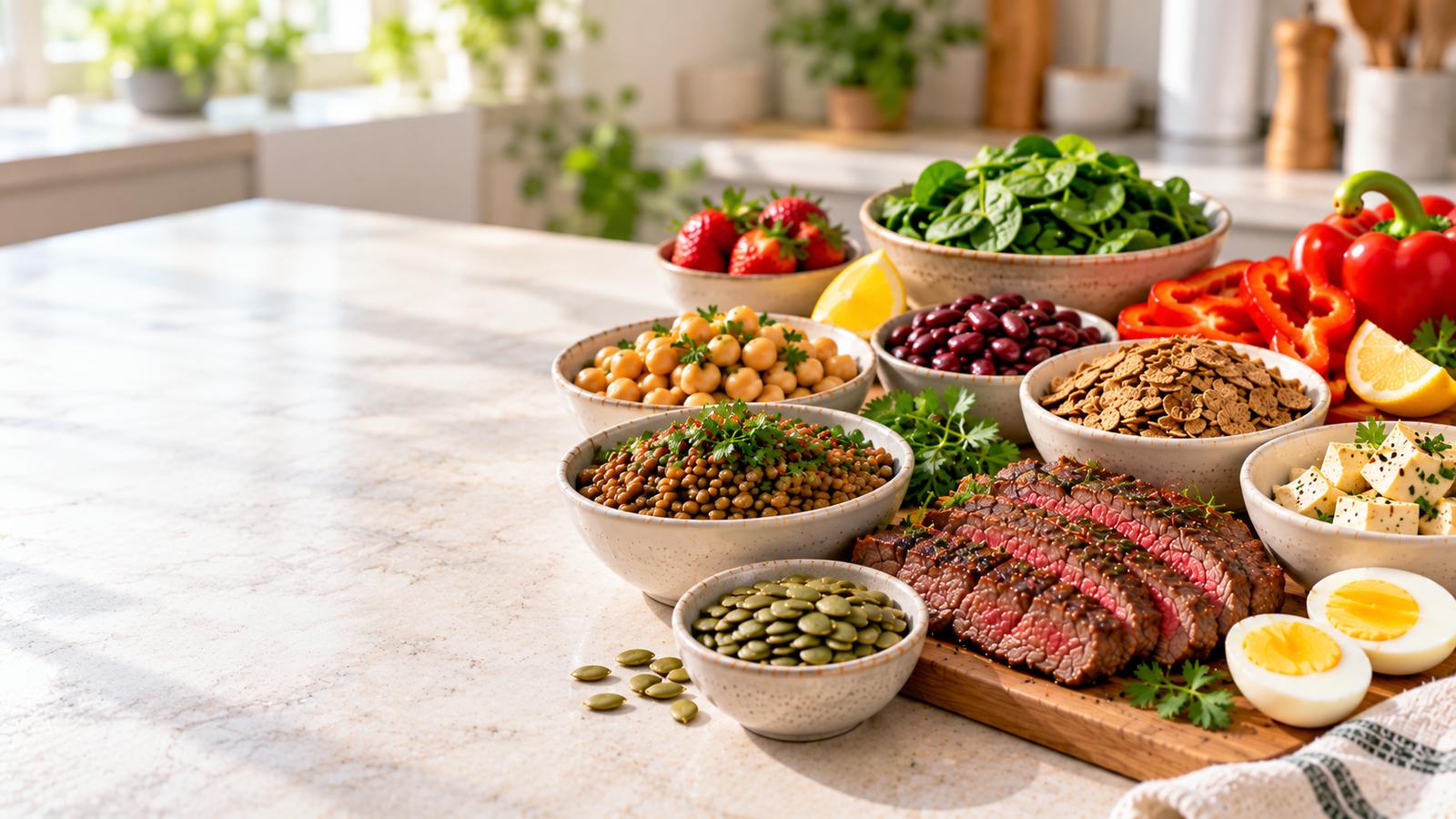
- Iron-rich foods include meat, seafood, lentils, beans, tofu, seeds, and iron-fortified cereals.
- Vitamin C-rich foods can improve the absorption of non-heme iron from plant foods.
- Iron deficiency can occur before anemia develops, so normal hemoglobin does not always rule out low iron stores.
- Persistent symptoms require medical assessment, and iron supplements should not be taken in high doses without appropriate guidance.
What Is Iron Deficiency?
Iron deficiency develops when the body’s iron supply is insufficient for its needs. Your body stores some iron for future use and continually uses iron to produce healthy red blood cells and support other biological processes.
When iron intake or absorption cannot keep up with the body’s needs, stored iron begins to decline. If the problem continues, the body may struggle to produce enough healthy hemoglobin.
There are two related conditions worth understanding.
Iron Deficiency
Iron deficiency means your body’s iron stores are low. It can occur before hemoglobin levels fall below the normal range, which means a person may have depleted iron stores without having anemia.
Iron Deficiency Anemia
Iron deficiency anemia occurs when insufficient iron reduces the body’s ability to produce adequate hemoglobin. As a result, blood carries oxygen less effectively, potentially causing fatigue, weakness, and reduced physical stamina.
Iron deficiency is one possible cause of anemia, but anemia can also develop because of vitamin B12 or folate deficiency, chronic disease, inherited conditions, and other problems.
For more information, visit the NIH Office of Dietary Supplements iron fact sheet.
What Are the Signs and Symptoms of Iron Deficiency?
The symptoms of iron deficiency vary depending on how low your iron stores are and whether anemia has developed. Early deficiency may cause few noticeable symptoms, while more advanced deficiency can affect everyday activities.
1. Persistent Fatigue and Low Energy
Unusual tiredness is one of the most common symptoms of iron deficiency anemia. When hemoglobin levels are low, less oxygen may reach your tissues, making ordinary activities feel more exhausting.
You may feel tired even after sleeping adequately or notice that your usual routine requires more effort.
Fatigue has many possible causes, so it should not automatically be attributed to low iron.
2. Weakness and Reduced Physical Stamina
Iron plays a role in oxygen transport and normal muscle function. When iron deficiency becomes significant, you may notice weakness, reduced exercise tolerance, or difficulty completing activities that were previously manageable.
3. Pale Skin
Some people with iron deficiency anemia develop paler-than-usual skin. Paleness may also be noticeable inside the lower eyelids, on the lips, or in the nail beds.
However, skin color alone is not a reliable way to diagnose iron deficiency.
4. Shortness of Breath
If anemia reduces the blood’s oxygen-carrying capacity, you may become breathless during activities such as climbing stairs or walking quickly.
New, severe, or rapidly worsening shortness of breath needs prompt medical evaluation, especially when accompanied by chest pain or fainting.
5. Dizziness and Headaches
Low iron and anemia may be associated with headaches, lightheadedness, and dizziness. These symptoms can also result from dehydration, low blood pressure, medication effects, and other medical conditions.
Repeated or unexplained episodes should be assessed rather than treated with iron supplements without testing.
6. Cold Hands and Feet
Some people with iron deficiency anemia report feeling unusually cold, particularly in their hands and feet. This symptom is nonspecific and may have other explanations, including circulation or thyroid problems.
7. Brittle or Spoon-Shaped Nails
Low iron can sometimes contribute to fragile nails. In more pronounced cases, nails may become thin and develop a concave, spoon-like shape, a change known as koilonychia.
Nail changes can have several causes, so a clinical assessment is appropriate.
8. Hair Loss
Some people with iron deficiency report increased hair shedding. However, hair loss can also be associated with hormonal changes, stress, thyroid conditions, illness, and other nutritional deficiencies.
Iron supplementation is most appropriate when deficiency has been established or a healthcare professional recommends it.
9. Cravings for Non-Food Items
A condition called pica involves persistent cravings for substances that are not food, such as ice, paper, or clay. It can be associated with iron deficiency and deserves medical assessment.
10. Difficulty Concentrating
Iron deficiency anemia may affect concentration, memory, and mental performance. Children with iron deficiency are particularly important to assess because adequate iron is needed for normal growth and development.
When to seek medical advice: Consult a healthcare professional if you experience persistent fatigue, unexplained weakness, unusual paleness, repeated dizziness, or other possible signs of iron deficiency. Seek urgent care for severe breathing difficulty, chest pain, fainting, or significant bleeding.

What Causes Iron Deficiency?
Understanding the cause of iron deficiency is essential because improving your diet alone may not resolve every case.
1. Not Getting Enough Iron From Food
A diet that consistently provides too little iron can contribute to depleted iron stores. This may happen when meals lack iron-rich foods or when dietary restrictions are not planned carefully.
Plant-based diets can provide sufficient iron, but people following vegetarian or vegan diets should pay attention to food variety, iron intake, and absorption.
2. Heavy Menstrual Bleeding
Menstruation causes iron loss, and heavy menstrual bleeding can substantially increase the amount lost. People with prolonged or unusually heavy periods are at greater risk of iron deficiency.
If menstrual bleeding regularly interferes with daily activities, lasts unusually long, or is accompanied by symptoms of anemia, seek medical advice.
3. Pregnancy
Iron requirements increase during pregnancy because the body produces more blood and supports the growth and development of the baby and placenta.
Pregnant people may need dietary changes, prenatal supplementation, or additional treatment based on their medical assessment and local clinical guidance.
4. Blood Loss From the Digestive Tract
Bleeding from the stomach or intestines can gradually deplete iron stores. Possible causes include ulcers, inflammatory bowel disease, certain medications, and other gastrointestinal conditions.
In adults who do not menstruate, unexplained iron deficiency anemia deserves particular attention because gastrointestinal blood loss may be involved.
Visible blood in the stool or black, tarry stools should not be ignored. Black stools can also occur with some iron supplements, but unexplained or tarry stools require prompt medical advice.
5. Problems With Iron Absorption
Even when a diet contains iron, the body may not absorb enough. Conditions such as celiac disease, inflammatory bowel disease, and certain stomach or intestinal disorders can interfere with nutrient absorption.
Some gastrointestinal surgeries and medications that reduce stomach acid may also affect iron absorption in certain circumstances.
6. Increased Iron Requirements During Growth
Infants, children, and teenagers need iron to support growth and development. Infants born prematurely or with low birth weight may be at increased risk because their iron stores can be lower.
Parents should follow age-appropriate feeding advice and ask a pediatric healthcare professional whether iron testing or supplementation is needed.
7. Frequent Blood Donation
Blood donation removes iron from the body. Frequent donors may develop low iron stores, particularly if their dietary intake does not replace the iron lost.
Donors who experience persistent fatigue or have concerns about repeated donations should discuss appropriate testing and donation intervals with a healthcare professional.
8. Certain Chronic Health Conditions
Chronic inflammation, kidney disease, and other medical conditions can contribute to anemia or alter how the body uses stored iron.
Not every case of anemia associated with chronic disease is caused by iron deficiency. Testing is important because taking extra iron will not correct every type of anemia.
Who Is at Higher Risk of Iron Deficiency?
Some groups have higher iron needs, experience greater iron losses, or are more likely to have problems absorbing iron.
| Group | Why Risk May Be Higher |
|---|---|
| People with heavy periods | Greater monthly blood and iron loss |
| Pregnant people | Increased iron requirements |
| Infants and young children | Rapid growth and changing dietary needs |
| Teenagers | Growth and, for some, menstrual iron loss |
| Vegetarians and vegans | Greater reliance on non-heme iron sources |
| Frequent blood donors | Iron lost through donation |
| People with gastrointestinal disorders | Reduced absorption or ongoing blood loss |
| People with unexplained gastrointestinal bleeding | Possible ongoing iron loss |
Being in one of these groups does not mean you definitely have iron deficiency. It means that your iron intake, symptoms, and health circumstances may deserve closer attention.
How Is Iron Deficiency Diagnosed?
Iron deficiency cannot be confirmed from symptoms alone. A healthcare professional may review your medical history, diet, menstrual history, medications, and symptoms before recommending blood tests.
Complete Blood Count
A complete blood count, often called a CBC, measures hemoglobin and other characteristics of your blood cells. It can help identify anemia and may show changes in red blood cell size.
However, early iron deficiency can occur before anemia becomes apparent.
Serum Ferritin
Ferritin is a protein that stores iron. A serum ferritin blood test is commonly used to assess the body’s iron stores.
Low ferritin generally supports a diagnosis of depleted iron stores. However, ferritin can rise during inflammation or illness, so a result may need to be interpreted alongside other tests and the person’s clinical situation.
Additional Iron Tests
Depending on the circumstances, a healthcare professional may order tests such as transferrin saturation, serum iron, or other investigations.
If iron deficiency is confirmed, finding the cause is just as important as correcting the low iron level. This may involve assessing menstrual bleeding, diet, gastrointestinal symptoms, medication use, or other health conditions.
Best Food Sources of Iron
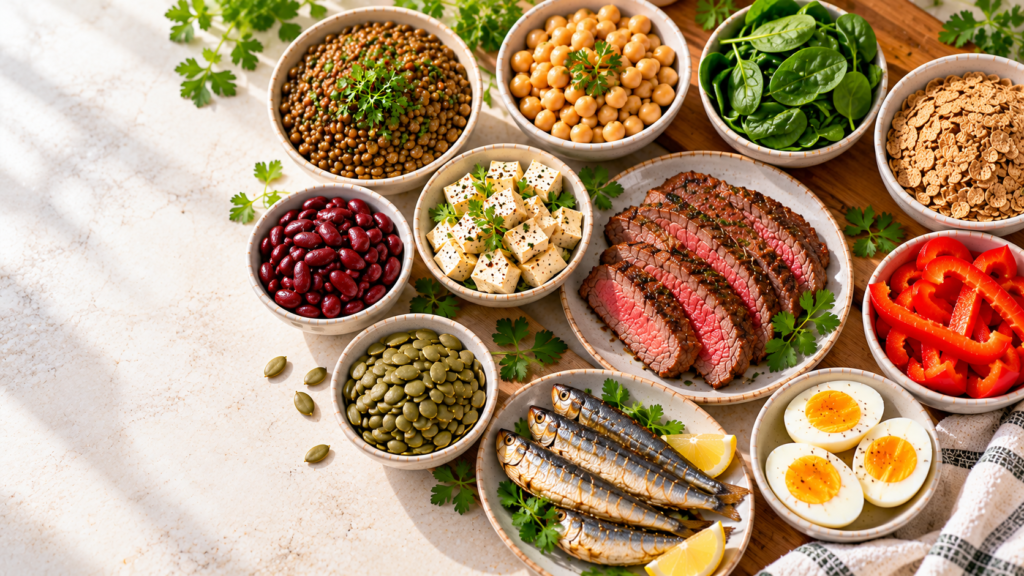
Including a variety of iron-rich foods can help support normal iron intake. There are two main dietary forms of iron: heme iron and non-heme iron.
Heme iron is found in animal foods and is generally more readily absorbed. Non-heme iron occurs in plant foods and fortified products. Both can contribute to a balanced diet.
Iron-Rich Animal Foods
Animal foods that provide iron include:
- Lean beef and other meats
- Sardines and certain other fish
- Shellfish, including clams
- Poultry
- Eggs, which provide smaller amounts than many iron-rich meats or fortified foods
Choose a variety of protein sources and follow appropriate food-safety advice. Liver contains iron but is not recommended during pregnancy because of its high vitamin A content.
Iron-Rich Plant Foods
Plant-based sources of iron include:
- Lentils
- Chickpeas
- Kidney beans and white beans
- Tofu and other soy foods
- Pumpkin seeds and sesame seeds
- Spinach and other dark-green leafy vegetables
- Nuts
- Dried apricots and raisins
- Whole grains and iron-fortified cereals
The amount of iron varies by serving size, preparation method, and brand. Fortified cereal labels are particularly useful because iron content can differ substantially between products.
Iron Sources at a Glance
| Food | Type of Iron | Easy Ways to Include It |
|---|---|---|
| Lean beef | Heme | Add to a balanced main meal |
| Sardines | Heme | Serve with vegetables or whole-grain bread |
| Lentils | Non-heme | Prepare as soup, curry, or salad |
| Chickpeas | Non-heme | Add to curries, salads, or hummus |
| Tofu | Non-heme | Use in stir-fries or rice dishes |
| Pumpkin seeds | Non-heme | Sprinkle over oatmeal or salads |
| Spinach | Non-heme | Add to cooked vegetables or lentil dishes |
| Iron-fortified cereal | Depends on added iron compound | Check the nutrition label |
| Beans | Non-heme | Serve with tomatoes or bell peppers |
| Dried apricots | Non-heme | Enjoy in moderate portions as a snack |
Best Sources of Iron: Heme and Non-Heme Foods
How to Improve Iron Absorption Naturally
Choosing iron-rich foods is a useful starting point, but how you combine foods can also make a difference.
Pair Plant-Based Iron With Vitamin C
Vitamin C can improve the absorption of non-heme iron. Combine beans, lentils, tofu, or fortified grains with foods such as:
- Guava
- Oranges and other citrus fruits
- Strawberries
- Tomatoes
- Red and green bell peppers
- Broccoli
- Kiwi
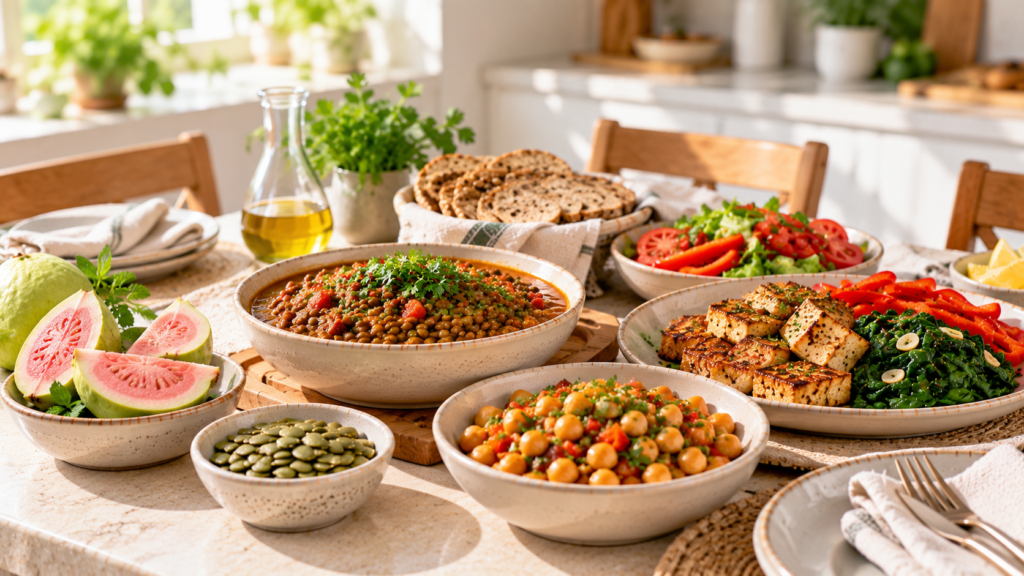
For example, serve lentil curry with tomatoes, add bell peppers to a chickpea salad, or enjoy a vitamin C-rich fruit alongside an iron-containing meal.
Include a Variety of Iron Sources
Relying on just one food can make it harder to obtain a balanced range of nutrients. Rotate legumes, seeds, whole grains, vegetables, fortified foods, and appropriate animal sources according to your dietary preferences.
Be Mindful of Tea and Coffee at Mealtimes
Tea and coffee contain compounds that can reduce non-heme iron absorption when consumed with meals. People with low iron stores may benefit from drinking them between meals rather than alongside iron-rich foods.
Plan Vegetarian Meals Carefully
Vegetarian and vegan diets can provide iron, but planning is important. Include legumes, tofu, seeds, whole grains, and fortified foods regularly. Pair them with vitamin C-rich produce.
People with confirmed deficiency may need more than dietary adjustments, so personalized medical advice is important.
Check Whether Your Diet Meets Your Needs
Iron requirements depend on age, sex, and life stage. For example, menstruating adults generally need more iron than adult men under U.S. dietary reference recommendations, and pregnancy increases requirements further.
Read [Internal Link: Insert relevant internal URL here with anchor text “How Much Iron Do You Need Per Day?”] to learn about recommended daily intake by age and life stage.
Can Iron Supplements Help With Iron Deficiency?
Iron supplements can be an effective treatment when iron deficiency has been confirmed and supplementation is appropriate. The recommended product, dose, and duration depend on the severity of deficiency, the underlying cause, age, pregnancy status, and other medical considerations.
Possible side effects include nausea, abdominal discomfort, constipation, and diarrhea. Some people tolerate a different formulation or schedule better, but changes should be discussed with a healthcare professional.
A few important precautions:
- Do not take high-dose iron supplements simply because you feel tired.
- Follow the dose recommended by your healthcare professional.
- Keep all iron-containing products out of children’s reach; accidental overdose can be life-threatening.
- Do not assume diet changes alone will resolve deficiency caused by ongoing blood loss or impaired absorption.
- Attend recommended follow-up appointments and blood tests to check whether treatment is working.
Treatment should also address the cause of the deficiency. For example, ongoing heavy menstrual bleeding or gastrointestinal blood loss may require separate medical care.
NIH Iron Fact Sheet for Consumers.
A Simple Daily Eating Pattern for Iron Intake
The following example illustrates how iron-containing foods can fit into everyday meals. Actual iron intake will depend on portions and the specific ingredients used.
| Meal | Example | Iron-Related Benefit |
|---|---|---|
| Breakfast | Fortified cereal with strawberries | Fortified iron plus vitamin C |
| Lunch | Lentil curry with tomato salad | Plant-based iron paired with vitamin C |
| Snack | Pumpkin seeds and fresh fruit | Additional iron and other nutrients |
| Dinner | Tofu or lean meat with beans and vegetables | A varied source of dietary iron |
You do not need to eat every food listed here each day. The goal is to build a varied, balanced eating pattern that meets your nutritional needs.
Frequently Asked Questions About Iron Deficiency
What are the first signs of iron deficiency?
Early iron deficiency may cause no noticeable symptoms. As it progresses, you may experience fatigue, reduced stamina, weakness, headaches, or difficulty concentrating. A blood test is needed to assess iron status.
What causes iron deficiency in women?
Common causes include heavy menstrual bleeding, pregnancy, inadequate dietary iron, and problems absorbing nutrients. Persistent or unexplained deficiency should be evaluated to identify the cause.
Which foods are best for iron deficiency?
Iron-containing foods include lentils, beans, chickpeas, tofu, pumpkin seeds, fortified cereals, meat, and seafood. Combining plant sources with vitamin C-rich foods can improve non-heme iron absorption.
Can iron deficiency occur without anemia?
Yes. Iron stores may become depleted before hemoglobin falls enough to meet the definition of anemia. A healthcare professional may use ferritin and other blood tests to evaluate suspected deficiency.
How can I improve low iron levels naturally?
Eating a varied diet containing iron-rich foods and pairing plant-based sources with vitamin C can support iron intake. However, confirmed deficiency may require medical treatment, especially when blood loss or poor absorption is involved.
Does iron deficiency cause hair loss?
Iron deficiency has been associated with hair shedding in some people, but hair loss has many possible causes. Testing and professional assessment can help determine whether low iron is contributing.
How long does it take to recover from iron deficiency?
Recovery time varies according to the severity of deficiency, the treatment used, absorption, and whether the underlying cause has been addressed. Hemoglobin and iron stores may recover at different rates. Follow-up testing can help determine progress.
Should I take iron tablets if I feel tired?
Not necessarily. Tiredness can result from many conditions, including sleep problems, thyroid disorders, infection, and other nutritional deficiencies. Consult a healthcare professional before starting high-dose iron supplements.
Conclusion
Iron deficiency can affect energy, physical stamina, concentration, and overall well-being. Recognizing possible signs, understanding the causes, and including a variety of iron-rich foods are important steps toward maintaining healthy iron levels.
Foods such as lentils, beans, tofu, seeds, fortified cereals, meat, and seafood can contribute to your daily iron intake. Pairing plant-based sources with vitamin C-rich foods may help your body absorb iron more effectively.
However, nutrition alone may not resolve every case of iron deficiency. If you have persistent symptoms or unexplained low iron, seek medical assessment to confirm the diagnosis and identify the cause. With appropriate testing, treatment, and dietary planning, many cases of iron deficiency can be managed effectively.
1 thought on “Iron Deficiency: Signs, Causes and Food Sources”