

Iron is an essential mineral your body needs to produce hemoglobin, the protein in red blood cells that carries oxygen from your lungs to your tissues. It also supports muscle function, normal energy metabolism, growth, and other important cellular processes.
But how much iron do you need per day? The answer depends on your age, sex, and life stage. Children need iron for growth, menstruating adults generally need more than adult men, and iron requirements increase during pregnancy. Your dietary pattern and health circumstances can also affect your iron needs.
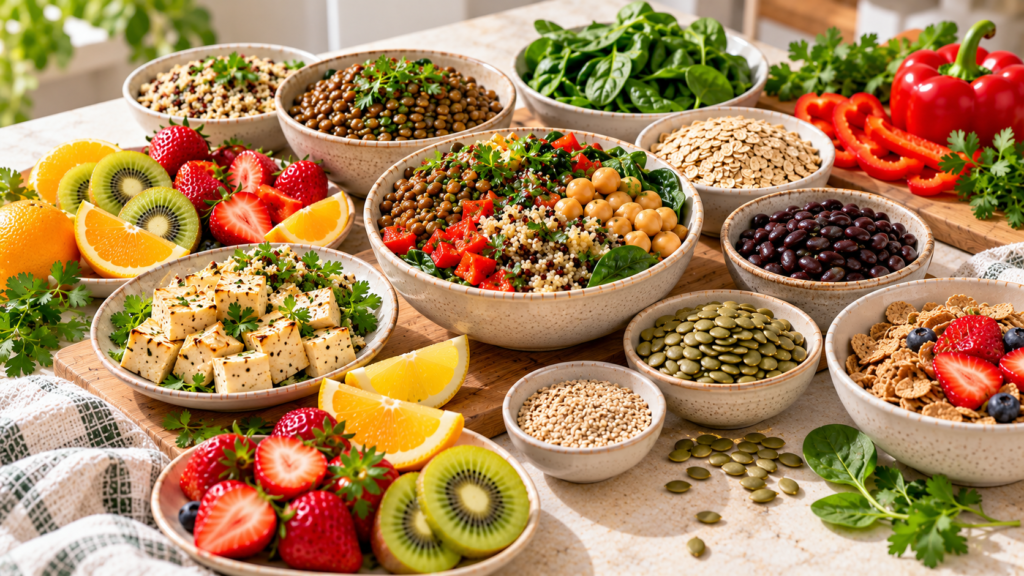
Fortunately, many everyday foods contain iron. Meat and seafood provide heme iron, while lentils, beans, tofu, seeds, whole grains, and fortified cereals provide non-heme iron.
This guide explains recommended daily iron intake, how to meet your needs through food, and when you may need professional advice about iron deficiency or supplements.
Key Takeaways
- Daily iron requirements vary by age, sex, and life stage.
- Most adult men need 8 mg of iron per day under U.S. dietary guidelines.
- Adult women aged 19–50 generally need 18 mg per day.
- Pregnancy increases the recommended intake to 27 mg per day.
- Lentils, beans, tofu, seeds, meat, seafood, and fortified cereals can help you obtain iron.
- Vitamin C can improve the absorption of non-heme iron from plant foods.
- Iron supplements are not necessary for everyone and should not be taken in high doses without appropriate guidance.
- Persistent fatigue or other possible deficiency symptoms may warrant medical evaluation.
How Much Iron Do You Need Per Day?
The recommended dietary allowance (RDA) is the average daily intake considered sufficient to meet the nutritional needs of nearly all healthy people in a particular age and sex group.
The following values are based on U.S. National Institutes of Health guidance. Other countries may use slightly different reference values.
Recommended Daily Iron Intake by Age and Life Stage
| Age or life stage | Recommended daily iron |
|---|---|
| Infants, birth–6 months | 0.27 mg (adequate intake) |
| Infants, 7–12 months | 11 mg |
| Children, 1–3 years | 7 mg |
| Children, 4–8 years | 10 mg |
| Children, 9–13 years | 8 mg |
| Teen boys, 14–18 years | 11 mg |
| Teen girls, 14–18 years | 15 mg |
| Adult men, 19–50 years | 8 mg |
| Adult women, 19–50 years | 18 mg |
| Adults, 51 years and older | 8 mg |
| Pregnant teens, 14–18 years | 27 mg |
| Pregnant adults, 19–50 years | 27 mg |
| Breastfeeding teens, 14–18 years | 10 mg |
| Breastfeeding adults, 19–50 years | 9 mg |
These are general U.S. reference values for healthy people. Individual needs can differ. The infant value for birth to six months is an adequate intake (AI), rather than an RDA.
NIH Office of Dietary Supplements: Iron Fact Sheet for Consumers
How Much Iron Do Men Need Per Day?
Most adult men aged 19–50 need 8 mg of iron per day. The recommended intake remains 8 mg for men aged 51 and older under U.S. guidelines.
Men generally need less dietary iron than menstruating women because they do not regularly lose iron through menstruation. However, requirements can still be affected by health conditions, blood loss, and other individual circumstances.
Best Food Sources for Men’s Daily Iron Needs
Useful options include:
- Lean beef and other meats.
- Sardines and certain other seafood.
- Lentils and beans.
- Tofu and other soy foods.
- Pumpkin seeds.
- Iron-fortified breakfast cereals.
You do not need to eat meat to meet your iron needs. If you follow a vegetarian or vegan diet, include a variety of plant-based sources and consider pairing them with vitamin C-rich foods.
How Much Iron Do Women Need Per Day?
For most women aged 19–50, the recommended intake is 18 mg per day. This is higher than the recommendation for adult men, largely because menstruation causes regular iron loss.
After age 50, the U.S. RDA for women generally falls to 8 mg per day, reflecting the typical change in iron needs after menopause.
However, these values are general guidelines. Heavy menstrual bleeding, certain medical conditions, pregnancy, and other factors can change an individual’s iron status and need for assessment.
Foods That Help Women Meet Daily Iron Requirements
Consider including a mix of:
- Lentils, chickpeas, and beans.
- Lean meat and seafood, if eaten.
- Tofu and fortified soy products.
- Pumpkin and sesame seeds.
- Iron-fortified cereal.
- Leafy greens alongside other iron sources.
Women who experience heavy periods or persistent fatigue should not assume that food intake alone explains their symptoms. A healthcare professional can assess whether testing is appropriate.
How Much Iron Do You Need During Pregnancy?
Pregnancy increases iron requirements because the body needs to support increased maternal blood volume and the development of the fetus and placenta.
The U.S. recommended intake for pregnant teens and adults is 27 mg per day. Meeting iron needs during pregnancy is important for healthy blood production and reducing the risk of iron deficiency.
Iron-Rich Foods During Pregnancy
Depending on your dietary preferences, suitable sources can include:
- Lentils and beans.
- Tofu.
- Iron-fortified cereals.
- Lean meat that is safely cooked.
- Seafood that is appropriate under pregnancy food-safety guidance.
- Foods containing vitamin C, such as oranges, strawberries, and bell peppers, to support non-heme iron absorption.
Some pregnant people may need an iron supplement based on local prenatal guidance, blood tests, or their healthcare professional’s recommendation. Do not start high-dose iron on your own.
Important: Liver and liver products are generally advised against during pregnancy because they contain high levels of preformed vitamin A.

How Much Iron Do Children and Teenagers Need?
Iron is important during childhood and adolescence because it supports blood production, growth, and normal brain development. Requirements change as children grow.
Under U.S. guidelines:
- Children aged 1–3 need 7 mg per day.
- Children aged 4–8 need 10 mg per day.
- Children aged 9–13 need 8 mg per day.
- Teen boys aged 14–18 need 11 mg per day.
- Teen girls aged 14–18 need 15 mg per day.
Infants have distinct needs. From birth to six months, the adequate intake is 0.27 mg per day; from 7–12 months, the RDA is 11 mg per day. Infants’ iron needs depend on factors such as age, feeding, and birth circumstances, so caregivers should seek pediatric guidance rather than give supplements without advice.
Child-Friendly Iron-Rich Foods
Depending on the child’s age and ability to eat different textures safely, options may include:
- Iron-fortified infant cereals, where appropriate.
- Lentils and soft-cooked beans.
- Finely prepared meat.
- Tofu.
- Eggs as part of a varied diet.
- Iron-fortified cereals for older children.
Pair plant-based sources with vitamin C-rich fruits or vegetables when suitable. Children should not be given iron supplements unless advised by a qualified healthcare professional, as accidental iron overdose can be dangerous.
How Much Iron Do Vegetarians and Vegans Need?
People following vegetarian or vegan diets can obtain iron from plant foods, including legumes, tofu, seeds, whole grains, and fortified cereals.
However, plant foods contain non-heme iron, which is generally absorbed less efficiently than heme iron from animal foods. U.S. dietary guidance notes that people following vegetarian diets may need to pay particular attention to iron intake; the National Academies’ dietary reference framework uses a higher planning allowance for vegetarian diets because of differences in absorption.
Best Plant-Based Iron Sources
| Food | Example serving | Approximate iron |
|---|---|---|
| Cooked lentils | 1 cup | 6.6 mg |
| Cooked chickpeas | 1 cup | 4.7 mg |
| Cooked spinach | ½ cup | 3.2 mg |
| Firm tofu | ½ cup | About 3 mg |
| Pumpkin seeds | 1 oz (28 g) | About 2–3 mg |
| Iron-fortified cereal | 1 serving | Varies by product |
Values are approximate and vary by food variety, brand, serving size, and preparation. Fortified cereals can differ substantially, so check the nutrition label.
How to Improve Iron Absorption From Plant Foods
Try these simple combinations:
- Lentils with tomatoes and lemon juice.
- Chickpeas with red bell peppers.
- Tofu with broccoli.
- Fortified cereal with strawberries or kiwi.
- Beans with tomato salsa.
- Spinach with citrus dressing.
Vitamin C helps your body absorb non-heme iron. Tea and coffee can reduce non-heme iron absorption when consumed with meals, so people concerned about iron status may benefit from drinking them between meals.
Best Sources of Iron: Heme and Non-Heme Foods
How to Know If You Are Getting Enough Iron
Meeting a recommended intake is a useful starting point, but the amount of iron you eat does not tell the whole story. Your body’s iron status also depends on absorption, losses, and individual health circumstances.
Common Signs of Iron Deficiency
Possible symptoms include:
- Persistent tiredness.
- Weakness.
- Shortness of breath during activity.
- Dizziness or lightheadedness.
- Headaches.
- Difficulty concentrating.
- Feeling unusually cold.
- Pale skin in some people.
- Brittle nails in some cases.
- Unusual cravings for non-food substances, known as pica.
These symptoms can have many causes, and some people with low iron have few obvious symptoms.
Who May Be at Higher Risk?
Iron deficiency may be more likely in people who:
- Have heavy menstrual bleeding.
- Are pregnant.
- Are in a period of rapid growth.
- Follow a restrictive diet without enough iron-rich foods.
- Donate blood frequently.
- Have a digestive condition that affects absorption.
- Have gastrointestinal bleeding or another source of blood loss.
If you suspect iron deficiency, consult a healthcare professional. Depending on your circumstances, they may recommend a complete blood count, ferritin testing, or other investigations to determine your iron status and identify the cause.
How Much Iron Is Too Much?
More iron is not always better. High doses can cause nausea, abdominal discomfort, constipation, and other side effects. Severe iron overdose can be life-threatening, particularly in children.
For healthy adults, the U.S. tolerable upper intake level is 45 mg per day from all sources, unless a healthcare professional is supervising higher-dose treatment. This is a safety limit, not a recommended target. The upper limits for children are lower and vary by age.
The upper limit does not mean that a person being treated for diagnosed iron deficiency must stay below that amount regardless of medical advice. Clinicians may prescribe higher doses when appropriate and monitor treatment.
Avoid taking iron supplements simply because you feel tired. Unnecessary supplementation can be harmful and may delay diagnosis of the actual cause of symptoms.
Frequently Asked Questions About Daily Iron Intake
1. How much iron do you need per day as an adult?
Under U.S. guidelines, most adult men need 8 mg per day. Adult women aged 19–50 generally need 18 mg per day, while adults aged 51 and older generally need 8 mg per day. Pregnancy increases the recommendation to 27 mg per day.
2. How much iron does a woman need per day?
Most women aged 19–50 need 18 mg of iron daily under U.S. guidelines. Requirements can differ depending on pregnancy, breastfeeding, menstrual blood loss, and health circumstances.
3. How much iron does a man need per day?
Most adult men need 8 mg of iron per day under U.S. dietary guidelines. A healthcare professional may recommend further assessment if symptoms or conditions suggest iron deficiency.
4. How much iron do you need per day during pregnancy?
The U.S. recommended intake during pregnancy is 27 mg per day. Your healthcare professional can advise whether dietary changes, testing, or supplementation are appropriate.
5. Can you get enough iron from food without supplements?
Many people can meet their needs through a varied diet that includes iron-rich foods. However, some people with diagnosed deficiency, increased requirements, or certain health conditions may need supplements under professional guidance.
6. What is the best time to take iron supplements?
If a supplement is recommended, follow the instructions from your healthcare professional or product label. Iron is often absorbed better on an empty stomach, but it may cause digestive discomfort; taking it with food may be advised in some cases. Iron can also interact with certain medicines, so ask a pharmacist or clinician about timing.
7. Does vitamin C help your body absorb iron?
Yes. Vitamin C can improve the absorption of non-heme iron from plant foods. Pairing lentils, beans, tofu, or fortified cereal with foods such as citrus fruits, strawberries, tomatoes, or bell peppers is a practical approach.
8. What happens if you do not get enough iron?
Low iron can eventually lead to iron-deficiency anemia, which may cause fatigue, weakness, dizziness, and shortness of breath during activity. If you suspect a deficiency, seek medical advice instead of relying on symptoms alone.
How Much Iron Do You Need Per Day Based on Your Diet?
The amount of iron you need per day depends on your age, sex, life stage, and eating habits. While the recommended daily allowance provides a useful guideline, your body’s ability to absorb iron also matters.
People who follow vegetarian or vegan diets may need to pay particular attention to their iron intake because plant foods contain non-heme iron, which is generally less readily absorbed than heme iron from meat and seafood.
Daily Iron Requirements at a Glance
| Age or Life Stage | Recommended Daily Iron |
|---|---|
| Infants, birth–6 months | 0.27 mg |
| Infants, 7–12 months | 11 mg |
| Children, 1–3 years | 7 mg |
| Children, 4–8 years | 10 mg |
| Children, 9–13 years | 8 mg |
| Teen boys, 14–18 years | 11 mg |
| Teen girls, 14–18 years | 15 mg |
| Adult men, 19–50 years | 8 mg |
| Adult women, 19–50 years | 18 mg |
| Adults aged 51 and older | 8 mg |
| Pregnancy | 27 mg |
| Breastfeeding adults | 9 mg |
These are U.S. National Institutes of Health reference values. Individual needs may vary, especially for people with diagnosed iron deficiency or certain medical conditions. Source: NIH Office of Dietary Supplements.
How Can You Get Enough Iron From Everyday Foods?
You can meet your daily iron needs by including a variety of iron-rich foods throughout the day. The amount of iron varies by food, serving size, and preparation method.
Some useful sources include:
- Lean beef: Provides heme iron that the body can absorb relatively efficiently.
- Lentils and beans: Supply non-heme iron, plant protein, and fiber.
- Iron-fortified cereals: Can provide substantial iron, depending on the product and serving size.
- Tofu: Offers plant-based iron and protein.
- Pumpkin seeds: Add iron to snacks, oatmeal, and salads.
- Spinach: Contributes non-heme iron along with other nutrients.
- Seafood: Some fish and shellfish provide heme iron.
- Chickpeas: Can be added to curries, soups, salads, and hummus.
Check nutrition labels when available, especially for fortified foods, because iron content differs considerably between products.
A Simple One-Day Iron-Rich Meal Plan
Here is an example of how to include iron-containing foods across the day:
| Meal | Food Ideas | Helpful Tip |
|---|---|---|
| Breakfast | Iron-fortified cereal with strawberries | Vitamin C can improve non-heme iron absorption |
| Lunch | Lentil curry with tomatoes and bell peppers | Pair plant iron with vitamin C-rich vegetables |
| Snack | Pumpkin seeds and an orange | Combine seeds with a vitamin C source |
| Dinner | Lean beef or tofu with beans and vegetables | Choose a balanced combination of iron sources |
This is an illustrative meal plan, not a guarantee that you will meet a particular iron target. Actual intake depends on portions and the specific foods you choose.
What Helps Your Body Absorb Iron?
Getting enough iron is not only about the quantity you eat. The type of iron and the foods you combine it with can influence absorption.
Eat Vitamin C With Plant-Based Iron
Vitamin C helps your body absorb non-heme iron from foods such as beans, lentils, tofu, and fortified grains. Try pairing these foods with oranges, guava, kiwi, tomatoes, or bell peppers.
Understand Heme and Non-Heme Iron
Heme iron occurs in animal foods such as meat and seafood. Non-heme iron occurs in plant foods and fortified products. Both forms can contribute to your daily iron intake, but their absorption differs.
Be Mindful of Tea and Coffee
Tea and coffee contain compounds that can reduce the absorption of non-heme iron when consumed with meals. If you are at risk of iron deficiency, consider drinking them between meals rather than alongside iron-rich foods.
For more details, read our guide to Best Sources of Iron: Heme and Non-Heme Foods.
Can You Get Too Much Iron Per Day?
Yes. More iron is not always better. For most healthy adults, the U.S. tolerable upper intake level is 45 mg per day from food and supplements combined. This limit does not replace medical guidance: healthcare professionals may prescribe higher doses to treat iron deficiency.
Taking iron supplements unnecessarily can cause side effects, including nausea, abdominal discomfort, and constipation. High doses can be dangerous, particularly for children. Keep supplements out of children’s reach and use them only as directed.
If you experience persistent fatigue, weakness, shortness of breath, or other possible signs of iron deficiency, consult a healthcare professional. A blood test can help determine whether you need treatment.
Frequently Asked Questions About Daily Iron Intake
How much iron do you need per day as an adult?
In the U.S. guidelines, adult men aged 19–50 generally need 8 mg daily, while adult women aged 19–50 generally need 18 mg. Requirements change with age, pregnancy, and breastfeeding.
How much iron do women need per day?
Women aged 19–50 generally need 18 mg daily under U.S. guidelines because of menstrual iron losses. After age 50, the recommended amount is generally 8 mg daily. Individual needs can differ.
How much iron do you need per day during pregnancy?
The recommended amount for pregnant teens and adults is 27 mg daily under U.S. guidelines. A prenatal supplement may be recommended by a healthcare professional, depending on individual circumstances.
Can vegetarians get enough iron without meat?
Yes. Lentils, beans, chickpeas, tofu, seeds, and iron-fortified cereals can all contribute iron. Pairing these foods with vitamin C-rich foods can help improve non-heme iron absorption.
Should you take an iron supplement every day?
Not everyone needs an iron supplement. Whether daily supplementation is appropriate depends on your diet, health status, blood test results, and healthcare professional’s advice. Avoid starting high-dose iron without medical guidance.
Conclusion
Knowing how much iron you need per day can help you make informed food choices and support healthy blood production, oxygen transport, and normal body functions. Your recommended intake depends on your age, sex, and life stage, with higher requirements for many menstruating women and during pregnancy.
You can obtain iron from a variety of foods, including meat, seafood, lentils, beans, tofu, seeds, and fortified cereals. If you rely on plant-based sources, pairing them with vitamin C-rich foods can help improve iron absorption.
Remember that recommended daily intake is a general guide, not a diagnosis or personalized treatment plan. If you experience persistent fatigue, heavy menstrual bleeding, or other possible signs of iron deficiency, consult a healthcare professional. Appropriate testing can help determine whether your iron levels are low and what steps are suitable for you.
NIH Iron Health Professional Fact Sheet
NIH Iron Fact Sheet
2 thoughts on “How Much Iron Do You Need Per Day?”