

Vitamin C deficiency is uncommon among people who regularly eat a varied diet, but it can still occur when vitamin C intake remains very low for an extended period.
Vitamin C, also called ascorbic acid, is an essential water-soluble vitamin. Your body needs it to make collagen, support wound healing, help absorb iron from plant foods, and maintain normal immune function. It also acts as an antioxidant. (ods.od.nih.gov)
When vitamin C intake becomes severely inadequate, the body can eventually develop scurvy, the clinical disease caused by vitamin C deficiency. Symptoms can include fatigue, weakness, swollen or bleeding gums, easy bruising, joint pain, poor wound healing, skin changes, and eventually loose or lost teeth. (ods.od.nih.gov)
The important point is that vitamin C deficiency is not diagnosed simply because someone feels tired or notices a bruise. These symptoms can have many causes.
This guide explains the signs of vitamin C deficiency, why it happens, who may be at higher risk, which foods provide vitamin C, how deficiency is diagnosed and treated, and when medical advice is important.
Key Takeaways
- Vitamin C deficiency happens when the body does not receive enough vitamin C for an extended period.
- Severe deficiency causes scurvy.
- Early symptoms can include fatigue, weakness, irritability, and muscle or joint discomfort.
- More advanced deficiency can cause bleeding or swollen gums, easy bruising, poor wound healing, skin changes, and loose teeth.
- A diet very low in fruits and vegetables is a major risk factor.
- Smoking, limited food variety, malabsorption, certain chronic conditions, and some medical treatments can increase risk.
- Fruits and vegetables are the best natural sources of vitamin C.
- Severe deficiency requires medical evaluation and appropriate treatment rather than relying only on dietary changes.
- Symptoms alone cannot confirm a vitamin C deficiency.
What Is Vitamin C Deficiency?
Vitamin C deficiency occurs when the body does not have enough vitamin C over time.
Because humans cannot produce vitamin C on their own, it must come from food or supplements.
Vitamin C is important for several biological processes, particularly collagen formation. Collagen helps provide structure to skin, blood vessels, connective tissues, bones, cartilage, and other tissues. Vitamin C also contributes to normal wound healing and improves absorption of non-heme iron from plant foods. (ods.od.nih.gov)
When vitamin C intake becomes extremely low, collagen formation is impaired. This helps explain why severe deficiency can lead to bleeding gums, fragile tissues, bruising, and poor wound healing.
Vitamin C deficiency vs. low vitamin C intake
These terms are not always interchangeable.
A person may have an intake below the recommended amount without developing severe deficiency or scurvy.
The NIH notes that people consuming very little or no vitamin C—around 10 mg per day or less for many weeks—can develop scurvy. The timeline varies depending on the person’s vitamin C stores and other factors. (ods.od.nih.gov)
What Is Scurvy?
Scurvy is severe vitamin C deficiency.
Historically, scurvy was associated with long periods without access to fresh fruits and vegetables. Today, it is uncommon in many countries, but cases can still occur in people with severely restricted diets or certain medical and social circumstances. (merckmanuals.com)
Scurvy can affect connective tissue, blood vessels, gums, skin, bones, and wound healing.
Without treatment, severe deficiency can become serious and potentially life-threatening. (ods.od.nih.gov)
Signs and Symptoms of Vitamin C Deficiency
The symptoms of vitamin C deficiency generally develop gradually rather than appearing immediately after a few days of low intake.
Early symptoms can be nonspecific, which means they may resemble symptoms caused by many other conditions.
1. Fatigue and Weakness
Persistent tiredness, weakness, or low energy can occur with vitamin C deficiency.
However, fatigue is extremely common and can also be associated with inadequate sleep, anemia, infections, stress, thyroid disorders, nutritional deficiencies, and many other conditions.
Fatigue by itself is therefore not enough to diagnose vitamin C deficiency.
2. Irritability or Mood Changes
People with significant deficiency may experience irritability or changes in mood.
The NIH lists depression among the possible manifestations of scurvy, while clinical references also describe irritability and malaise. (ods.od.nih.gov; merckmanuals.com)
Again, these symptoms have many possible causes and should not be interpreted as proof of deficiency.
3. Muscle and Joint Pain
Vitamin C deficiency can cause muscle aches and joint discomfort.
As deficiency progresses, connective tissues can become affected because collagen production is impaired.
Joint pain is particularly important when it occurs alongside other classic deficiency signs such as bruising, gum problems, and poor wound healing. (merckmanuals.com)
4. Easy Bruising
One of the more recognizable signs of significant vitamin C deficiency is increased bruising.
Weakening of connective tissues and blood vessels can contribute to bleeding beneath the skin.
Bruising may appear as:
- Small red or purple spots
- Larger areas of discoloration
- Bruises that appear unusually easily
However, unexplained bruising can have many other causes and deserves medical assessment, especially when it is new or widespread.
5. Bleeding or Swollen Gums
As vitamin C deficiency becomes more severe, the gums can become:
- Swollen
- Inflamed
- Tender
- Fragile
- Prone to bleeding
The gums may become particularly affected because healthy connective tissue and blood vessels depend on adequate vitamin C. (ods.od.nih.gov)
Bleeding gums can also result from periodontal disease, poor oral hygiene, medications, and other health problems, so they should not automatically be attributed to vitamin C deficiency.
6. Poor Wound Healing
Vitamin C is required for collagen production, which plays an important role in wound healing.
When vitamin C is severely deficient, wounds may heal poorly or more slowly. (ods.od.nih.gov)
A wound that repeatedly fails to heal should be evaluated by a healthcare professional rather than treated with vitamin C alone.
7. Skin Changes
Advanced vitamin C deficiency can cause several skin-related changes.
These may include:
- Small red or purple spots
- Easy bruising
- Rough or dry skin
- Changes around hair follicles
- Perifollicular bleeding
Some people can also develop follicular hyperkeratosis, in which the skin around hair follicles becomes rough or raised. (merckmanuals.com)
8. Corkscrew-Shaped Hair
One classic sign of scurvy is hair that becomes unusually curled or twisted, sometimes described as corkscrew-shaped hair.
This occurs because impaired collagen-related processes affect hair follicles.
It is a more specific clue when it appears together with other signs of severe vitamin C deficiency, such as bleeding gums, bruising, and poor wound healing. (ods.od.nih.gov)
9. Loose or Damaged Teeth
Severe, prolonged vitamin C deficiency can affect the gums and supporting tissues around the teeth.
The gums may become swollen and fragile, and teeth can eventually become loose or even fall out. (ods.od.nih.gov)
This is a sign of advanced deficiency rather than an early symptom.
10. Anemia
Anemia can occur with severe vitamin C deficiency.
One reason is that vitamin C helps improve the absorption of non-heme iron from plant foods. Severe deficiency may also occur alongside broader nutritional problems. (ods.od.nih.gov)
However, anemia has many possible causes, including iron, vitamin B12, and folate deficiencies, blood loss, and chronic disease.

Causes of Vitamin C Deficiency
Understanding the causes of vitamin C deficiency is important because inadequate intake is often preventable.
1. A Diet Low in Fruits and Vegetables
The most straightforward cause is simply not consuming enough vitamin C-containing foods.
People who eat very few fruits and vegetables may have difficulty meeting their vitamin C needs.
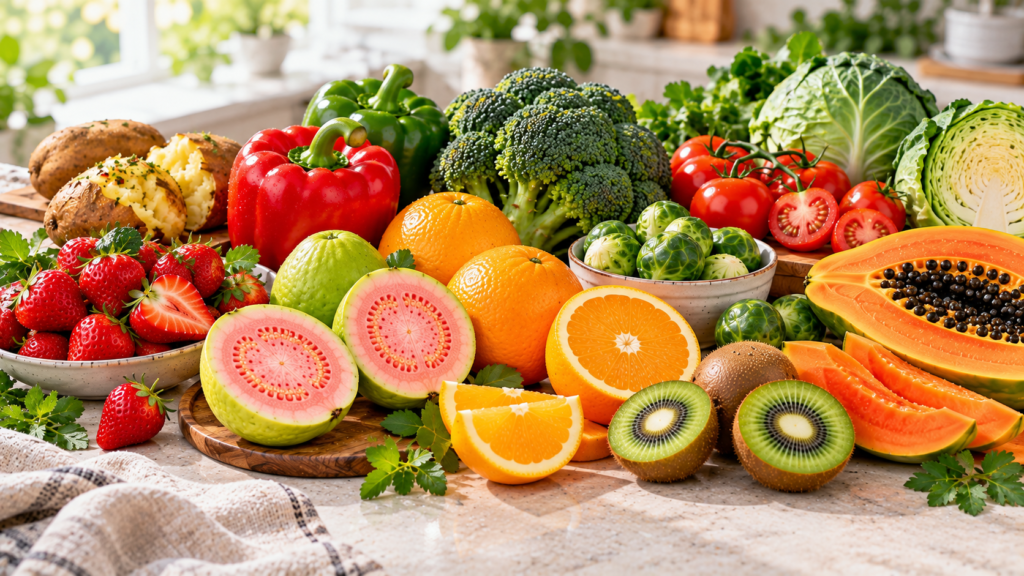
Good sources include:
- Citrus fruits
- Guava
- Kiwi
- Strawberries
- Sweet peppers
- Broccoli
- Brussels sprouts
- Tomatoes
- Cabbage
- Potatoes
The NIH identifies fruits and vegetables as the best sources of vitamin C. (ods.od.nih.gov)
2. A Very Limited Diet
Some people consume an unusually narrow range of foods.
This can happen because of:
- Severe food restrictions
- Food insecurity
- Appetite problems
- Certain eating patterns
- Difficulty shopping or preparing food
- Alcohol or substance use disorders
- Mental health conditions
- Limited access to fresh produce
A highly restricted diet can increase the risk of multiple nutrient deficiencies, not just vitamin C deficiency. (ods.od.nih.gov)
3. Smoking
Smoking increases vitamin C requirements.
The NIH recommends that people who smoke consume 35 mg more vitamin C per day than nonsmokers. (ods.od.nih.gov)
Smoking should therefore be considered a risk factor when evaluating inadequate vitamin C status.
However, taking vitamin C does not cancel the health risks of smoking.
4. Malabsorption
Some medical conditions can interfere with nutrient absorption.
People with severe intestinal malabsorption or certain gastrointestinal disorders may have a higher risk of vitamin C inadequacy or deficiency. (ods.od.nih.gov)
If someone is eating a reasonable diet but repeatedly develops nutrient deficiencies, an underlying absorption problem may need to be investigated.
5. Certain Chronic Health Conditions
Some chronic diseases or medical circumstances can increase vitamin C needs or contribute to low vitamin C status.
Examples discussed in clinical references include:
- Severe malabsorption
- Some cancers
- Kidney disease requiring hemodialysis
- Conditions associated with significant inflammation
- Severe illness
The appropriate response depends on the underlying condition, so medical guidance is important.
6. Increased Physiological or Metabolic Needs
Vitamin C requirements can increase under certain circumstances.
Clinical references identify factors such as:
- Smoking
- Fever
- Inflammation
- Prolonged diarrhea
- Surgery
- Burns
- Hyperthyroidism
- Certain periods of physiological stress
These situations don’t automatically cause deficiency, but they can increase the body’s need for vitamin C. (merckmanuals.com)
Who Is Most at Risk of Vitamin C Deficiency?
Vitamin C deficiency is not equally likely in everyone.
People who may have a higher risk include:
People who smoke
Smoking increases vitamin C requirements.
People with highly restricted diets
A diet with little or no fruit and vegetables can make adequate intake difficult.
People with malabsorption
Certain gastrointestinal disorders can interfere with nutrient absorption.
People undergoing hemodialysis
Kidney disease requiring chronic hemodialysis is associated with lower vitamin C status in some patients. (ods.od.nih.gov)
People with severe nutritional problems
Vitamin C deficiency may occur alongside broader undernutrition.
People with certain chronic illnesses
Some illnesses can increase nutritional requirements or affect dietary intake.
How Much Vitamin C Do You Need Per Day?
Can Cooking Cause Vitamin C Deficiency?
Cooking alone does not normally cause vitamin C deficiency in someone eating a varied diet.
However, vitamin C is sensitive to heat and prolonged storage.
Cooking and storage can reduce the vitamin C content of foods, while methods such as steaming or microwaving may reduce some cooking losses compared with longer cooking methods. (ods.od.nih.gov)
Better ways to preserve vitamin C
- Eat some fruits fresh.
- Avoid unnecessarily long cooking times.
- Steam vegetables when appropriate.
- Store produce properly.
- Use a mixture of raw and cooked vegetables.
- Eat fruits and vegetables regularly rather than storing them for very long periods.
Best Foods for Preventing Vitamin C Deficiency
The simplest way to reduce the risk of vitamin C deficiency is to regularly consume foods containing vitamin C.
Fruits High in Vitamin C
Good choices include:
- Guava
- Kiwi
- Oranges
- Grapefruit
- Strawberries
- Papaya
- Cantaloupe
- Mango
- Pineapple
Easy fruit combinations
Try:
Kiwi + strawberries
Orange + papaya
Guava + pineapple
Strawberries + yogurt
Vegetables High in Vitamin C
Vegetables can be just as useful as fruit.
Good choices include:
- Red bell peppers
- Green bell peppers
- Broccoli
- Brussels sprouts
- Tomatoes
- Cabbage
- Cauliflower
- Potatoes
- Kale
For example, half a cup of raw red sweet pepper provides about 95 mg of vitamin C, while one medium orange provides about 70 mg, according to NIH food-source data. (ods.od.nih.gov)
How Much Vitamin C Do You Need Per Day?
Knowing the recommended amount can help you understand whether your diet provides enough vitamin C.
For adults:
| Group | Recommended vitamin C |
|---|---|
| Adult men | 90 mg/day |
| Adult women | 75 mg/day |
| Pregnant women | 85 mg/day |
| Breastfeeding women | 120 mg/day |
| Smokers | Add 35 mg/day |
Children and teenagers have different recommendations based on age and sex. (ods.od.nih.gov)
NIH Vitamin C recommended daily amounts
Meeting the recommended amount does not require consuming one enormous serving of fruit.
A varied diet can provide vitamin C across several meals.
Example daily pattern
Breakfast: Kiwi + strawberries
Lunch: Chickpea salad with tomatoes and red peppers
Snack: Orange
Dinner: Steamed broccoli + baked potato
This approach also creates opportunities to combine vitamin C with plant-based iron sources.
Vitamin C and Iron Absorption
Vitamin C has another important nutritional role: it improves the absorption of non-heme iron from plant foods. (ods.od.nih.gov)
This makes food pairing especially useful.
Try these combinations:
- Lentils + tomatoes
- Chickpeas + red bell peppers
- Beans + lemon
- Tofu + broccoli
- Spinach + strawberries
- Oatmeal + kiwi
You don’t need a complicated recipe.
Simply adding a vitamin C-rich food to a plant-based meal can be a practical strategy.
How Is Vitamin C Deficiency Diagnosed?
Vitamin C deficiency cannot be diagnosed reliably from one symptom.
A healthcare professional may consider:
- Dietary history
- Symptoms
- Physical examination
- Medical history
- Risk factors
- Blood testing when appropriate
The diagnosis of scurvy is often based on the clinical picture and risk factors, although blood vitamin C testing may sometimes help confirm deficiency. (merckmanuals.com)
Why symptoms alone aren’t enough
Fatigue, bruising, gum bleeding, and joint pain can have many causes.
For example:
- Fatigue can be related to anemia or sleep problems.
- Bruising can be related to medications or blood disorders.
- Bleeding gums can be related to periodontal disease.
- Joint pain can have numerous causes.
That is why self-diagnosing vitamin C deficiency based on a symptom checklist is not reliable.
Vitamin C Deficiency Treatment
Treatment depends on how severe the deficiency is and why it occurred.
For someone with inadequate dietary intake, increasing vitamin C-rich foods may be an important part of improving nutritional status.
Examples include:
- Guava
- Citrus fruits
- Kiwi
- Strawberries
- Bell peppers
- Broccoli
- Tomatoes
- Brussels sprouts
For confirmed scurvy, medical treatment generally involves vitamin C supplementation along with improving the overall diet. Clinical references note that symptoms can improve relatively quickly once appropriate treatment begins. (merckmanuals.com)
Don’t self-treat severe symptoms
If you have significant gum bleeding, unexplained bruising, severe weakness, poor wound healing, or other concerning symptoms, seek medical evaluation rather than relying solely on food or high-dose supplements.
The underlying cause also needs attention.
How Long Does It Take to Develop Vitamin C Deficiency?
Vitamin C deficiency generally develops after prolonged inadequate intake rather than after missing vitamin C for a few days.
The NIH reports that people consuming little or no vitamin C—around 10 mg per day or less for many weeks—can develop scurvy. The timing varies because the body stores some vitamin C and individual circumstances differ. (ods.od.nih.gov)
Clinical signs can become apparent within weeks to months depending on the severity of depletion and the person’s existing vitamin C stores. (ods.od.nih.gov)
This is why consistently poor dietary intake matters more than an occasional day without fruit.
Can Vitamin C Deficiency Cause Anemia?
Severe vitamin C deficiency can be associated with anemia.
Vitamin C improves absorption of non-heme iron, and deficiency can occur alongside broader nutritional problems. (ods.od.nih.gov)
However, anemia has many possible causes.
Iron deficiency, vitamin B12 deficiency, folate deficiency, blood loss, chronic disease, and other conditions can all contribute.
If blood tests show anemia, the underlying cause should be investigated rather than assuming vitamin C deficiency is responsible.
Vitamin C Deficiency in Children
Children can develop vitamin C deficiency when their diet is extremely limited.
Possible signs of severe deficiency in children include:
- Irritability
- Poor appetite
- Pain with movement
- Poor growth
- Bleeding
- Anemia
- Bone-related problems
Children have age-specific vitamin C requirements, so they should not automatically receive adult-strength vitamin C supplements. (ods.od.nih.gov)
If a child has a highly restricted diet or symptoms suggesting nutritional deficiency, discuss the situation with a pediatric healthcare professional.
Vitamin C Deficiency During Pregnancy
Pregnancy increases vitamin C requirements.
Women age 19 and older need 85 mg per day during pregnancy, compared with 75 mg per day when not pregnant. (ods.od.nih.gov)
Good food sources include:
- Oranges
- Kiwi
- Strawberries
- Guava
- Bell peppers
- Broccoli
- Tomatoes
Pregnant women should also consider the vitamin C already present in prenatal supplements before adding additional supplements.
Can You Prevent Vitamin C Deficiency With Food?
For most healthy people, yes.
The easiest strategy is to regularly eat a variety of fruits and vegetables.
A simple prevention plan
Every morning: Include one fruit.
At lunch: Add a colorful vegetable.
For snacks: Keep citrus, kiwi, berries, or guava available.
At dinner: Include broccoli, peppers, tomatoes, or another vitamin C-containing vegetable.
With plant-based iron: Add lemon, peppers, tomatoes, or another vitamin C source.
This food-first pattern can help make adequate vitamin C intake part of your normal diet.

Vitamin C Deficiency vs. Vitamin C Insufficiency
These terms are related but shouldn’t always be treated as identical.
Vitamin C insufficiency
This generally means vitamin C intake or status is below an optimal or recommended level but may not be severe enough to cause classic scurvy.
Vitamin C deficiency
More severe deficiency can eventually impair normal physiological functions and lead to scurvy.
The NIH notes that people can have inadequate vitamin C status without developing overt scurvy. (ods.od.nih.gov)
This distinction is important because someone can benefit from improving their diet without necessarily having a clinical deficiency.
Can Too Much Vitamin C Be Harmful?
The goal isn’t to consume as much vitamin C as possible.
For adults, the tolerable upper intake level is 2,000 mg per day from all sources. High supplemental intakes can cause diarrhea, nausea, and abdominal cramps. (ods.od.nih.gov)
Very high doses may also require additional caution in people with certain conditions, including disorders associated with iron overload. (merckmanuals.com)
Food first is usually the simplest approach
Eating oranges, peppers, broccoli, strawberries, and other fruits and vegetables provides vitamin C along with fiber and other nutrients.
A high-dose supplement is not automatically better than meeting your needs through food.
Common Myths About Vitamin C Deficiency
Myth 1: Feeling tired means you have vitamin C deficiency
Not necessarily.
Fatigue is nonspecific and can have many causes.
Myth 2: One orange a day prevents every deficiency
Not exactly.
An orange can contribute vitamin C, but overall dietary variety matters.
Myth 3: More vitamin C is always better
No.
The body needs an adequate amount, not unlimited amounts. Very high supplemental doses can cause digestive side effects.
Myth 4: Vitamin C deficiency happens only when you never eat fruit
Not necessarily.
Vegetables are also major vitamin C sources, and deficiency can be influenced by smoking, malabsorption, limited diets, and other health circumstances.
Myth 5: Vitamin C supplements can replace a healthy diet
No.
Supplements can provide vitamin C, but they don’t replace the broader nutritional value of fruits and vegetables.
A Simple Vitamin C Food Plan
Here’s an easy example of how to include vitamin C foods throughout the day.
Breakfast
Oatmeal + kiwi + strawberries
Lunch
Lentil salad + tomatoes + red bell peppers + lemon
Snack
Orange or guava
Dinner
Baked potato + steamed broccoli + protein-rich food
Optional snack
Papaya or another fresh fruit
This is not a medical treatment plan. It is simply an example of how naturally vitamin C-rich foods can fit into a balanced eating pattern.
When Should You See a Doctor?
Talk with a healthcare professional if you experience:
- Persistent unexplained fatigue
- Frequent or unexplained bruising
- Bleeding or swollen gums
- Loose teeth
- Poor wound healing
- Significant dietary restriction
- Persistent muscle or joint pain
- Unexplained anemia
- Multiple signs of nutritional deficiency
Seek prompt medical attention for significant unexplained bleeding or other severe symptoms.
A healthcare professional can determine whether vitamin C deficiency is actually responsible or whether another condition needs investigation.
Frequently Asked Questions About Vitamin C Deficiency
What are the first signs of vitamin C deficiency?
Early symptoms can include fatigue, weakness, irritability, and muscle or joint discomfort. These symptoms are nonspecific, so they do not confirm deficiency by themselves. (merckmanuals.com)
What are the symptoms of severe vitamin C deficiency?
Severe deficiency, or scurvy, can cause swollen or bleeding gums, easy bruising, skin changes, poor wound healing, joint pain, corkscrew-shaped hair, anemia, and loose or lost teeth. (ods.od.nih.gov)
What causes vitamin C deficiency?
The most common cause is inadequate dietary intake. Other risk factors include smoking, very limited diets, malabsorption, certain chronic conditions, and increased nutritional requirements in some circumstances. (ods.od.nih.gov)
What foods are good for vitamin C deficiency?
Good food sources include guava, oranges, kiwi, strawberries, red and green peppers, broccoli, Brussels sprouts, tomatoes, papaya, and other fruits and vegetables. (ods.od.nih.gov)
Can vitamin C deficiency cause bleeding gums?
Yes. Severe vitamin C deficiency can cause swollen, inflamed, fragile, and bleeding gums. However, gum bleeding can have other causes and should be evaluated appropriately. (ods.od.nih.gov)
Can vitamin C deficiency cause bruising?
Yes. Severe deficiency can weaken connective tissues and blood vessels, contributing to easy bruising and small red or purple spots on the skin. (merckmanuals.com)
How long does vitamin C deficiency take to develop?
Severe deficiency generally develops after prolonged very low intake. The NIH notes that people consuming around 10 mg or less per day for many weeks can develop scurvy, although the timeline varies. (ods.od.nih.gov)
Can you treat vitamin C deficiency with food?
Mild inadequate intake can often be addressed by improving the diet. Confirmed severe deficiency or scurvy requires appropriate medical evaluation and usually vitamin C supplementation along with nutritional improvement. (merckmanuals.com)
Is vitamin C deficiency common?
Severe deficiency is uncommon in many countries, but people with very limited diets, malabsorption, certain chronic conditions, or increased requirements can still be at risk. (ods.od.nih.gov)
Conclusion
Vitamin C deficiency is uncommon in people who regularly consume a varied diet, but prolonged inadequate intake can lead to serious problems.
Early symptoms may include fatigue, weakness, irritability, and muscle or joint discomfort. As deficiency becomes more severe, signs such as easy bruising, bleeding gums, skin changes, poor wound healing, corkscrew-shaped hair, anemia, and loose teeth can occur. Severe deficiency is known as scurvy. (ods.od.nih.gov)
The good news is that many everyday foods provide vitamin C.
Guava, oranges, kiwi, strawberries, red bell peppers, broccoli, Brussels sprouts, tomatoes, papaya, and other fruits and vegetables can help you meet your nutritional needs.
The key is consistency and variety.
If you suspect a deficiency—particularly if you have unexplained bruising, bleeding gums, poor wound healing, severe dietary restriction, or multiple symptoms—don’t rely on a symptom checklist or high-dose supplements alone. A healthcare professional can evaluate the possible causes and recommend appropriate treatment.
A balanced, varied diet remains one of the simplest ways to support adequate vitamin C intake and overall nutritional health.
1 thought on “Vitamin C Deficiency: Signs, Causes and Food Sources”