
Vitamin E deficiency occurs when the body does not have enough vitamin E to support essential functions, particularly protecting cells from oxidative damage and maintaining healthy nerves, muscles, and immune function. Although vitamin E deficiency is uncommon in otherwise healthy people, it can develop when the body cannot absorb dietary fat properly or when certain medical conditions interfere with vitamin E transport and storage.
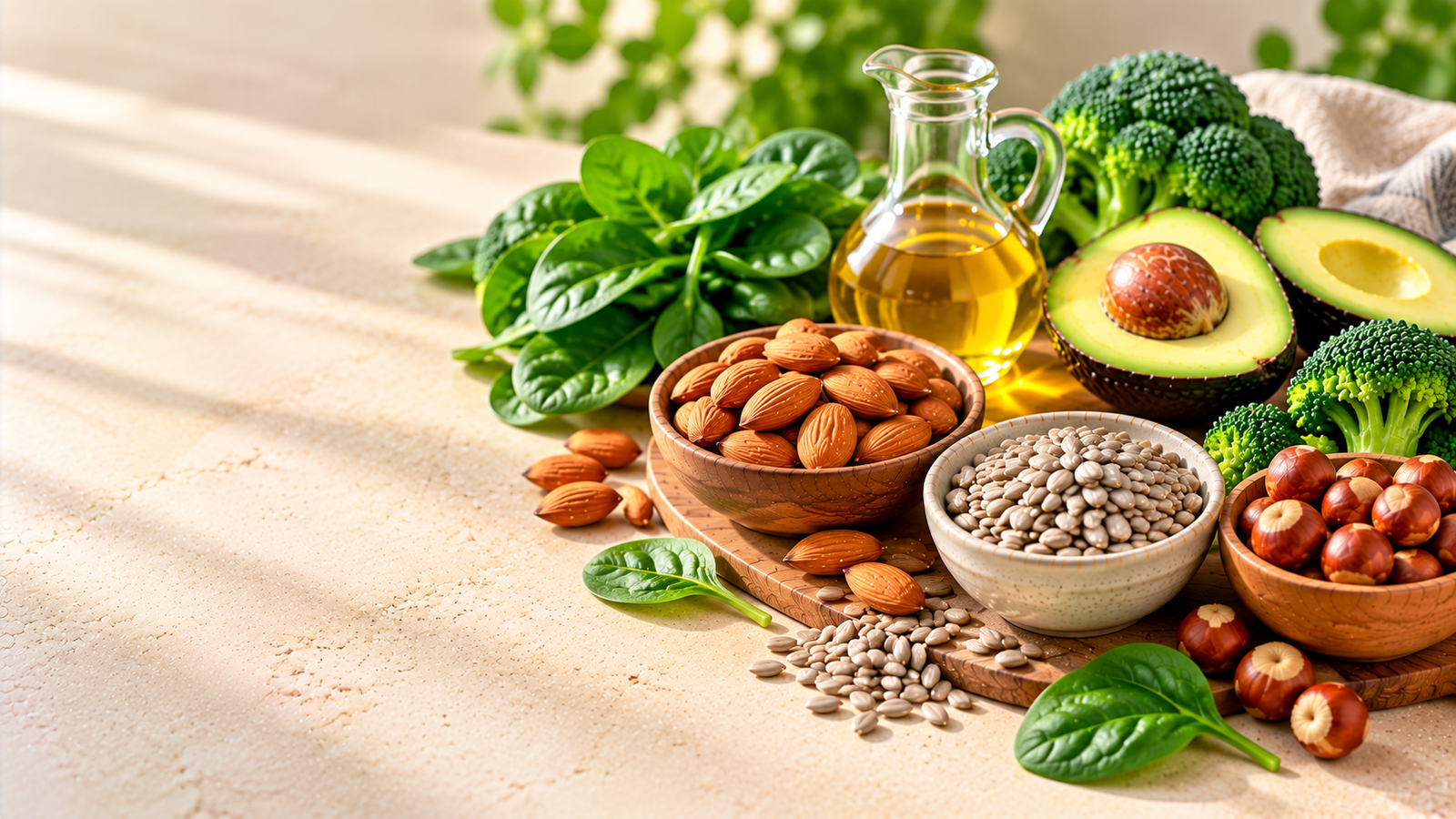
Recognizing the signs of vitamin E deficiency is important because prolonged deficiency can damage the nervous system and affect muscle coordination, sensation, and vision. Fortunately, many foods contain vitamin E, including almonds, sunflower seeds, vegetable oils, spinach, and other nutrient-rich ingredients.
This guide explains the main symptoms, common causes, people at greater risk, the best vitamin E food sources, and how healthcare professionals diagnose and treat a deficiency.
Most Important Points
- Vitamin E deficiency is rare in healthy adults but is more likely in people with fat-malabsorption disorders.
- Possible signs include muscle weakness, numbness, reduced reflexes, poor coordination, and vision problems.
- Nuts, seeds, vegetable oils, and green leafy vegetables are useful dietary sources of vitamin E.
- A blood test and medical assessment can help confirm a suspected deficiency.
- Supplements may be needed for a diagnosed deficiency, but high doses should not be taken without professional guidance.
- Persistent neurological symptoms require medical assessment rather than relying on dietary changes alone.
Health Professional Fact Sheet+2
What Is Vitamin E Deficiency?
Vitamin E deficiency means the body has an inadequate amount of vitamin E to maintain its normal functions. Vitamin E is a fat-soluble nutrient that acts as an antioxidant, helping protect cell membranes from damage caused by free radicals.
It also supports normal immune function and the health of nerves, muscles, and red blood cells. The body stores vitamin E in fatty tissues, which helps explain why deficiency is unusual in healthy adults even when dietary intake is not ideal.
A low intake of vitamin E does not automatically mean someone has a clinical deficiency. The risk depends on overall nutrition, absorption, medical history, and other individual factors.
Signs and Symptoms of Vitamin E Deficiency
The symptoms of vitamin E deficiency primarily affect the nervous system and muscles. They may develop gradually, particularly when the underlying problem prevents the body from absorbing fat-soluble vitamins. Some people with mild dietary inadequacy have no obvious symptoms.
1. Muscle Weakness
Vitamin E helps protect cells, including those in muscle tissue, from oxidative damage. A severe or prolonged deficiency may contribute to muscle weakness, making everyday activities such as climbing stairs, walking long distances, or carrying objects more difficult.
Muscle weakness has many possible causes, so it should not be assumed to indicate a vitamin E deficiency without proper assessment.
2. Numbness and Tingling in the Hands or Feet
Vitamin E deficiency can damage peripheral nerves, which carry signals between the brain, spinal cord, and the rest of the body.
Possible symptoms include:
- Tingling or pins-and-needles sensations.
- Reduced sensation in the hands or feet.
- Difficulty sensing the position of your limbs.
- Changes in reflexes.
Persistent numbness or tingling warrants medical assessment because diabetes, nerve compression, vitamin B12 deficiency, and other conditions can cause similar symptoms.
3. Poor Balance and Coordination
Severe vitamin E deficiency can affect the nervous system’s ability to coordinate movement. Some people may experience unsteadiness, difficulty walking, impaired balance, or problems controlling their movements.
These symptoms are sometimes associated with a rare genetic condition called ataxia with vitamin E deficiency (AVED). A clinician must investigate the underlying cause rather than assuming that low dietary intake is responsible.
4. Vision Problems
Long-standing vitamin E deficiency can affect nerve and retinal function. In some cases, people may develop changes in vision associated with retinal damage.
New or sudden vision changes should be assessed promptly. Do not try to treat vision symptoms with high-dose vitamin E supplements without medical advice.
5. Hemolytic Anemia
Vitamin E helps protect red blood cell membranes. In significant deficiency, red blood cells can become more vulnerable to damage and break down prematurely, potentially causing a condition called hemolytic anemia.
Possible symptoms of anemia include fatigue, weakness, pale skin, dizziness, or shortness of breath. These symptoms are nonspecific and can occur with iron deficiency, bleeding, and other conditions, so testing is needed to determine the cause.
6. Reduced Immune Function
Vitamin E contributes to normal immune function. Deficiency may impair the body’s immune response, although frequent infections alone do not establish that vitamin E levels are low.
A balanced diet that supplies a range of essential nutrients is more appropriate than taking high-dose supplements to try to prevent infections.
7. Symptoms in Infants and Children
Vitamin E deficiency is especially important in premature or very-low-birth-weight infants and children with conditions that interfere with fat absorption.
Depending on the cause and severity, symptoms can include muscle weakness, reduced reflexes, coordination difficulties, certain eye problems, and anemia. Infants and children with suspected deficiency require pediatric evaluation and appropriately supervised treatment.

What Causes Vitamin E Deficiency?
Vitamin E deficiency generally develops because the body does not receive enough vitamin E, cannot absorb it properly, or has difficulty transporting it through the body. In otherwise healthy adults, a clinically significant deficiency from diet alone is uncommon.
1. Fat-Malabsorption Disorders
Because vitamin E is fat-soluble, conditions that interfere with fat digestion or absorption can reduce the amount of vitamin E the body receives from food.
Examples include:
- Cystic fibrosis.
- Certain chronic liver and bile-duct disorders.
- Pancreatic insufficiency or chronic pancreatitis.
- Short bowel syndrome.
- Certain intestinal disorders, including Crohn’s disease when absorption is affected.
People with these conditions may need medical monitoring and individualized vitamin supplementation.
2. Very Limited Dietary Intake
A diet with little variety and few sources of vitamin E may contribute to inadequate intake, particularly when overall food access or nutrition is limited.
Vegetable oils, nuts, and seeds are among the most concentrated dietary sources. People who avoid these foods can still obtain vitamin E from suitable alternatives, including certain green vegetables and fortified foods.
3. Rare Genetic Conditions
Some inherited disorders interfere with vitamin E transport or metabolism. Examples include abetalipoproteinemia and ataxia with vitamin E deficiency.
These conditions are uncommon but can cause significant neurological problems if not identified and treated. A family history of unexplained neurological symptoms or a diagnosis of a relevant genetic disorder may warrant specialist assessment.
4. Premature Birth
Vitamin E transfer from the mother to the fetus occurs largely during late pregnancy. Consequently, premature infants, particularly those born at very low birth weight, may have lower vitamin E reserves and an increased risk of complications associated with deficiency.
Supplementation decisions for infants should be made by their pediatric or neonatal care team.
Who Is at Greater Risk of Vitamin E Deficiency?
Although most healthy adults do not develop a clinical deficiency, certain groups are more vulnerable.
| Higher-risk group | Why risk may be increased |
|---|---|
| People with fat-malabsorption disorders | They may not absorb enough vitamin E from food. |
| People with certain rare genetic conditions | Vitamin E transport or metabolism may be impaired. |
| Premature or very-low-birth-weight infants | They may have lower vitamin E reserves at birth. |
| People with severely restricted diets | They may consume too few vitamin E-rich foods. |
| People with certain chronic digestive or liver conditions | The underlying disease may interfere with fat absorption or nutrient handling. |
Having one of these risk factors does not automatically mean you are deficient. Medical history, symptoms, and appropriate testing help determine whether further investigation is needed.
Best Food Sources to Help Prevent Vitamin E Deficiency
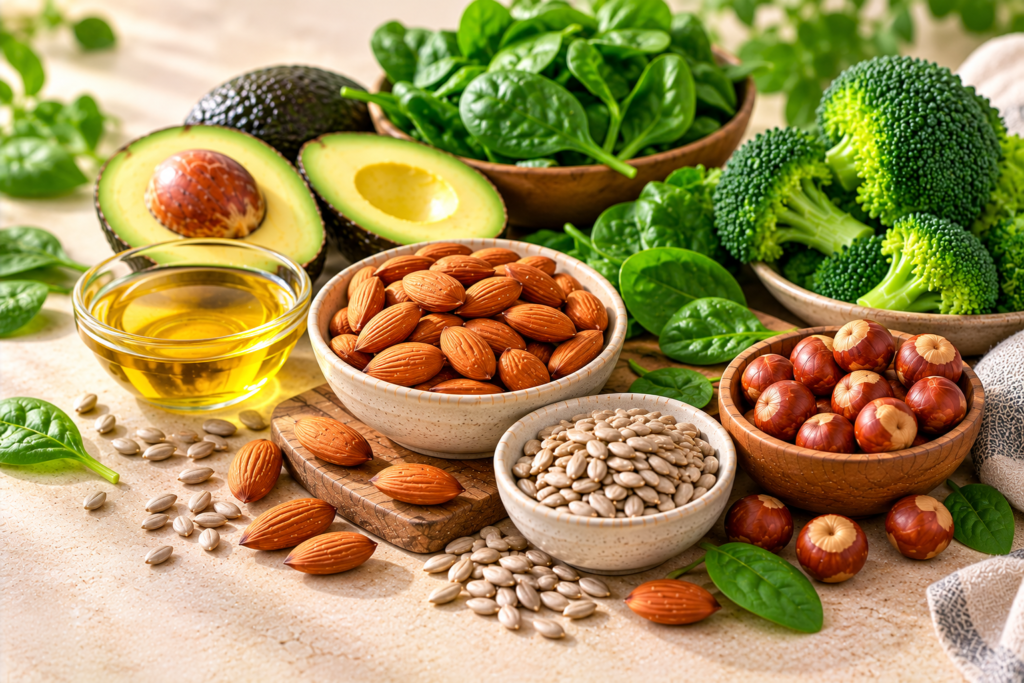
A varied diet is a practical way to meet daily vitamin E requirements. Nuts, seeds, vegetable oils, and some green vegetables are particularly useful sources of alpha-tocopherol, the form of vitamin E used to establish human dietary requirements.
Vitamin E-Rich Foods Chart
The following values are approximate and depend on food variety, serving size, and preparation.
| Food | Serving size | Vitamin E |
|---|---|---|
| Wheat germ oil | 1 tablespoon | 20.3 mg |
| Sunflower seeds, dry-roasted | 1 ounce (28 g) | 7.4 mg |
| Almonds, dry-roasted | 1 ounce (28 g) | 6.8 mg |
| Sunflower oil | 1 tablespoon | 5.6 mg |
| Safflower oil | 1 tablespoon | 4.6 mg |
| Hazelnuts, dry-roasted | 1 ounce (28 g) | 4.3 mg |
| Peanut butter | 2 tablespoons | 2.9 mg |
| Peanuts, dry-roasted | 1 ounce (28 g) | 2.2 mg |
| Cooked spinach | ½ cup | 1.9 mg |
| Corn oil | 1 tablespoon | 1.9 mg |
| Cooked broccoli | ½ cup | 1.2 mg |
NIH Office of Dietary Supplements. Values are approximate.
1. Almonds and Other Nuts
Almonds are a convenient source of vitamin E and can be added to oatmeal, yogurt, salads, or homemade trail mix. Hazelnuts and peanuts also contribute vitamin E.
Choose unsalted or lightly salted varieties when appropriate, and pay attention to portions because nuts are energy-dense.
2. Sunflower Seeds
Sunflower seeds provide vitamin E in a relatively small serving. Sprinkle them over salads, cooked vegetables, or breakfast bowls, or enjoy them as a snack.
Choose plain or lightly salted seeds if you want to limit added sodium.
3. Vegetable Oils
Wheat germ, sunflower, and safflower oils are concentrated sources of vitamin E. Corn and soybean oils also provide some vitamin E.
Use oils in moderate amounts in dressings and cooking. Avoid relying on large amounts of oil simply to increase vitamin intake.
4. Spinach and Broccoli
Spinach and broccoli contain smaller amounts of vitamin E than many nuts, seeds, and oils, but they also supply other important nutrients.
Include these vegetables in soups, curries, stir-fries, omelets, or balanced side dishes. Combining vegetables with a meal containing some fat can help the body absorb fat-soluble vitamin E.
5. Fortified Foods
Some breakfast cereals, spreads, and other packaged foods contain added vitamin E. Check the Nutrition Facts panel or local product label because the amount varies considerably by brand and serving size.
How Much Vitamin E Do You Need Every Day?
The recommended dietary allowance (RDA) for vitamin E is based on age and life stage. For most adults, the recommended amount is 15 mg per day. Breastfeeding adults need 19 mg per day.
| Age or life stage | Recommended amount per day |
|---|---|
| Birth to 6 months | 4 mg (adequate intake) |
| 7–12 months | 5 mg (adequate intake) |
| 1–3 years | 6 mg |
| 4–8 years | 7 mg |
| 9–13 years | 11 mg |
| 14 years and older | 15 mg |
| Pregnancy | 15 mg |
| Breastfeeding | 19 mg |
These values are general dietary recommendations, not treatment doses for an established deficiency. Children and adults with medical conditions affecting vitamin E absorption may require a different treatment plan.
How Is Vitamin E Deficiency Diagnosed?
Vitamin E deficiency cannot be reliably diagnosed from symptoms alone because muscle weakness, numbness, fatigue, and balance problems can occur for many reasons.
A healthcare professional may:
- Review your medical history: They may ask about digestive conditions, dietary patterns, family history, and medications or supplements.
- Perform a physical examination: This may include assessing muscle strength, reflexes, sensation, coordination, and vision-related symptoms.
- Order blood tests: A blood test can measure alpha-tocopherol, the form of vitamin E used to assess vitamin E status.
- Interpret the results in context: Blood lipid levels can influence vitamin E measurements, so clinicians may consider the relationship between vitamin E and circulating lipids when appropriate.
A low blood vitamin E concentration or an appropriately interpreted low vitamin E-to-lipid ratio can support the diagnosis. Additional testing may be needed to identify an underlying absorption disorder or genetic condition.
For more information, see the NIH Office of Dietary Supplements’ Vitamin E fact sheet. This authoritative resource explains vitamin E requirements, dietary sources, deficiency, and supplement safety.
How Is Vitamin E Deficiency Treated?
Treatment depends on the severity of the deficiency and the underlying cause.
1. Improve Dietary Intake When Appropriate
If inadequate dietary intake is contributing to the problem, a healthcare professional or registered dietitian may recommend increasing foods such as almonds, sunflower seeds, vegetable oils, and green leafy vegetables.
However, dietary changes alone may not correct a deficiency caused by significant malabsorption or an inherited disorder.
2. Use Supplements Only When Appropriate
A clinician may prescribe vitamin E supplements to correct a confirmed deficiency. The dose and duration depend on the person’s age, symptoms, absorption ability, and medical condition.
People with fat-malabsorption disorders may need substantially different doses from those found in ordinary multivitamins. Do not use high-dose vitamin E supplements to self-treat neurological symptoms.
3. Address the Underlying Condition
If a digestive disorder or another medical condition is responsible, treating that condition is an important part of management. Some people may need ongoing monitoring and supplementation because the absorption problem persists.
Can You Take Too Much Vitamin E?
Yes. High-dose vitamin E supplements can increase the risk of bleeding, particularly in people taking anticoagulant or antiplatelet medicines. The adult upper limit of 1,000 mg per day from supplemental alpha-tocopherol is a safety ceiling, not a recommended intake target, and does not mean that high doses are appropriate for self-treatment.
Talk to your healthcare professional before starting a supplement, particularly if you take medicines that affect blood clotting, have a bleeding disorder, or are receiving cancer treatment.
How to Prevent Vitamin E Deficiency Naturally
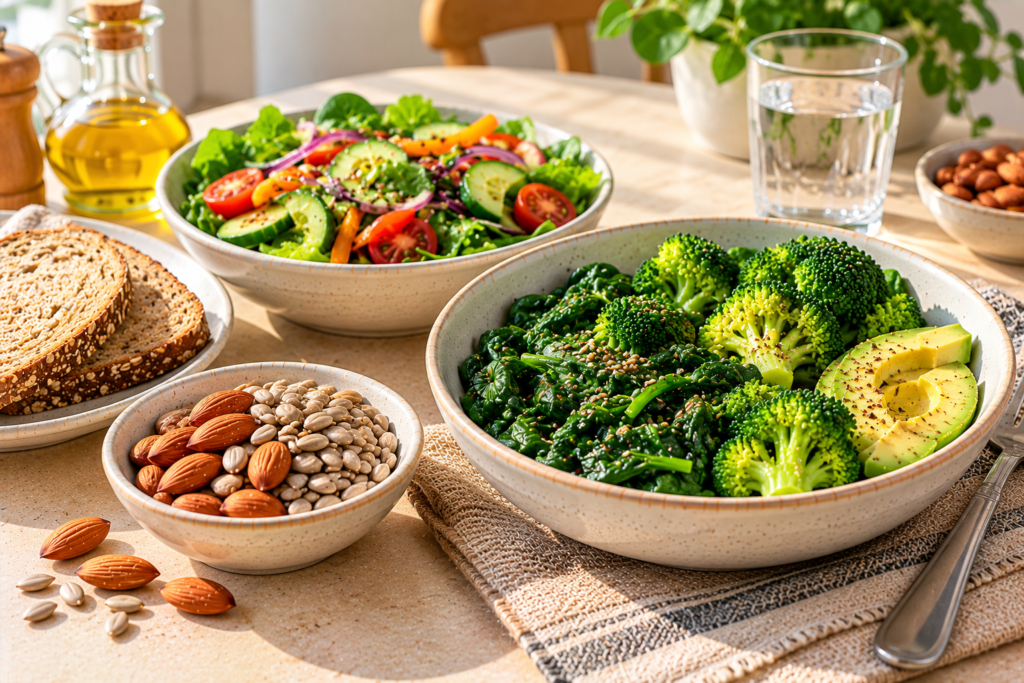
For most healthy people, prevention focuses on balanced eating rather than taking high-dose supplements.
- Eat nuts or seeds regularly if they suit your dietary needs.
- Include suitable vegetable oils in moderate amounts.
- Eat green vegetables such as spinach and broccoli.
- Choose fortified foods when useful and check the product’s nutrient information.
- Seek medical advice if you have persistent digestive symptoms or a condition that affects fat absorption.
- Follow your clinician’s monitoring and supplement recommendations if you are in a higher-risk group.
Vitamin E is fat-soluble, so it is absorbed along with dietary fat. A varied eating pattern that includes appropriate sources of fat can support absorption while also providing other essential nutrients.
When Should You See a Doctor?
Seek medical advice if you experience persistent muscle weakness, unexplained numbness, loss of coordination, or ongoing vision changes. These symptoms can have several causes and should not automatically be attributed to vitamin E deficiency.
Sudden vision loss, sudden weakness, or new difficulty walking requires urgent medical assessment. If you have a condition that interferes with fat absorption, ask your healthcare professional whether vitamin E monitoring is appropriate.
Frequently Asked Questions
1. What are the first signs of vitamin E deficiency?
There is no single reliable first sign. In significant deficiency, possible symptoms include muscle weakness, reduced reflexes, numbness, poor coordination, and vision problems. Clinical deficiency is rare in healthy adults.
2. Which foods help prevent vitamin E deficiency?
Almonds, sunflower seeds, hazelnuts, wheat germ oil, sunflower oil, spinach, and broccoli are useful sources. Nuts, seeds, and certain vegetable oils generally provide more vitamin E per serving than most vegetables.
3. Can vitamin E deficiency cause hair loss?
Hair loss is not a reliable or specific sign of vitamin E deficiency. It can have many causes, including other nutritional deficiencies, hormonal changes, and medical conditions. A healthcare professional can help identify the reason rather than recommending vitamin E supplements without a diagnosis.
4. Is vitamin E deficiency common?
No. Clinically significant vitamin E deficiency is rare in healthy people. It is more likely in people with conditions that prevent fat absorption, certain rare genetic disorders, and some premature infants.
5. How can I increase vitamin E levels naturally?
Include vitamin E-rich foods such as nuts, seeds, and suitable vegetable oils in a balanced diet. If a medical condition prevents proper absorption, food alone may not be sufficient and a clinician may recommend supplements.
6. Can vitamin E deficiency be treated?
Yes. Treatment generally involves vitamin E supplementation under medical supervision and management of any underlying cause. The dose depends on the person’s needs and whether absorption is impaired.
7. Should I take vitamin E supplements every day?
Not everyone needs a vitamin E supplement. Many people can obtain adequate vitamin E from food, and high doses can increase bleeding risk. Ask a healthcare professional whether a supplement is appropriate for your circumstances.
Conclusion
Vitamin E deficiency is uncommon in healthy adults, but it can cause important health problems when it becomes severe or persists over time. Symptoms may include muscle weakness, numbness, poor coordination, vision problems, and certain forms of anemia.
The best starting point for most people is a balanced diet that includes vitamin E-rich foods such as almonds, sunflower seeds, vegetable oils, spinach, and broccoli. However, people with digestive disorders, fat-malabsorption conditions, or persistent neurological symptoms may need medical assessment and targeted treatment.
If you suspect vitamin E deficiency, seek a professional assessment rather than relying on symptoms or taking high-dose supplements on your own. Early identification of the underlying cause helps ensure appropriate care.
1 thought on “Vitamin E Deficiency: Signs and Food Sources”