
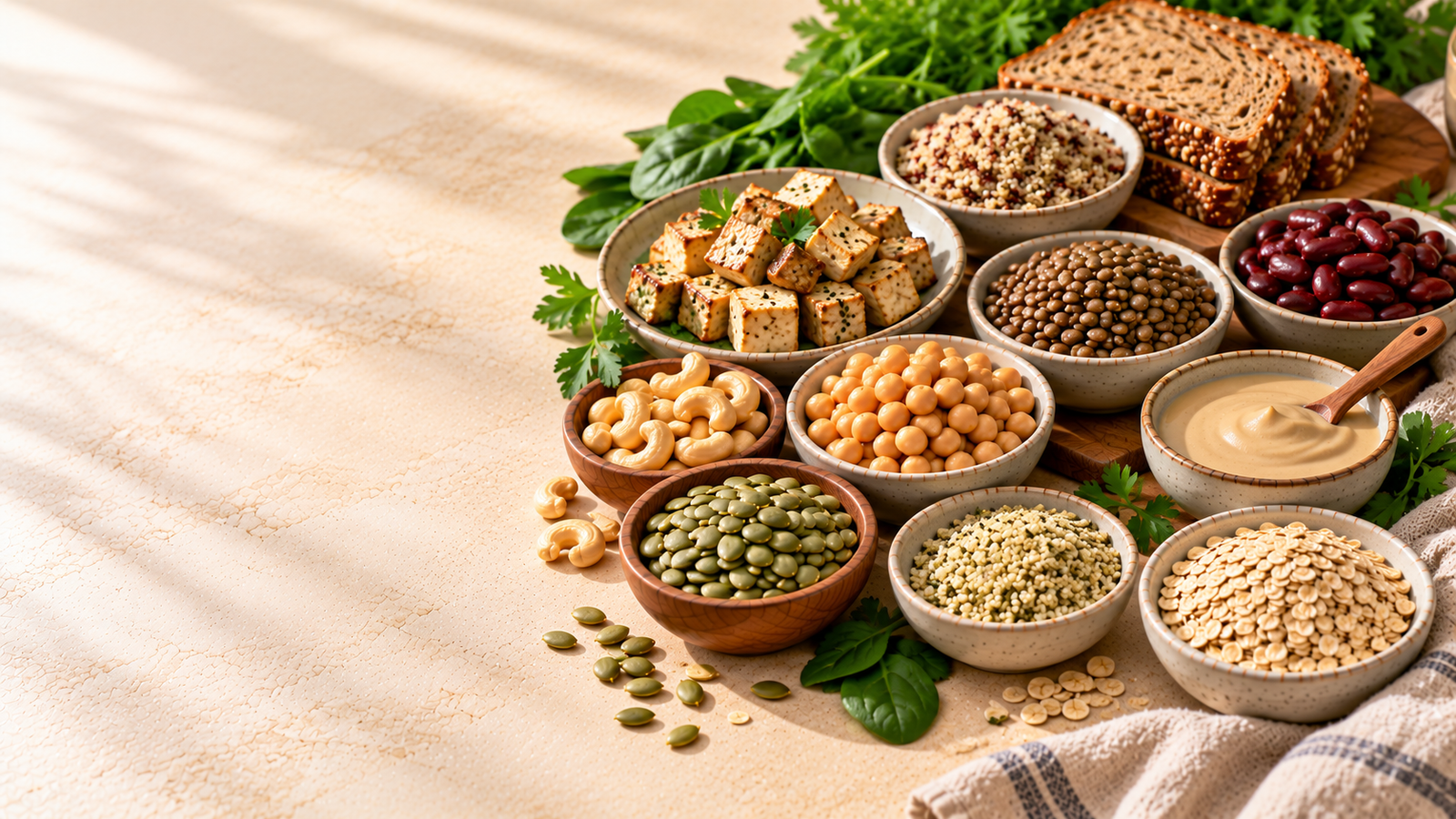
Getting enough zinc on a vegetarian diet is possible with the right food choices. Zinc is an essential mineral that supports immune function, wound healing, DNA synthesis, normal growth, and taste and smell. Because the body does not have a large reserve of readily available zinc, regular dietary intake matters.
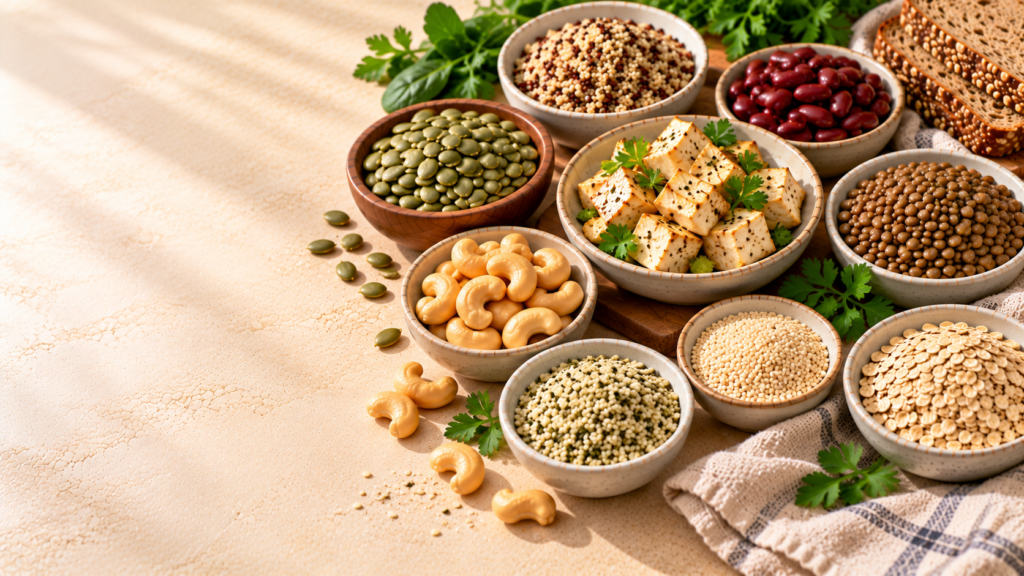
The best zinc rich foods for vegetarians include pumpkin seeds, hemp seeds, cashews, chickpeas, lentils, beans, tofu, oats, whole grains, and certain fortified foods. These ingredients can fit into everyday meals without requiring expensive specialty products.
However, plant-based zinc sources come with one important consideration: phytates in legumes, grains, nuts, and seeds can reduce zinc absorption. This does not mean vegetarians cannot get enough zinc. It means that food variety, meal planning, and adequate overall intake are especially helpful.
Most Important Points
- Pumpkin seeds, hemp seeds, cashews, legumes, tofu, oats, and whole grains are useful vegetarian zinc sources.
- Adult men generally need 11 mg of zinc daily, while adult women generally need 8 mg.
- Zinc from plant foods can be less readily absorbed because of naturally occurring phytates.
- Soaking, sprouting, and fermenting certain foods can help reduce phytate content.
- A well-planned vegetarian diet can supply zinc without automatically requiring supplements.
- Excessive zinc supplementation can cause side effects and interfere with copper absorption.
What Is Zinc and Why Do Vegetarians Need It?
Zinc is a trace mineral involved in hundreds of enzyme systems and many essential biological processes. It helps the body maintain normal immune responses, produce proteins and DNA, repair tissues, and support growth and development.
For vegetarians, zinc deserves particular attention because many commonly eaten plant foods contain phytates, compounds that bind minerals and can reduce their absorption in the digestive tract.
A vegetarian diet can still provide plenty of zinc when it includes a variety of legumes, soy products, seeds, nuts, whole grains, and suitable fortified foods. The goal is not to eliminate phytate-containing foods, which provide valuable nutrients, but to plan a balanced diet that meets overall nutritional needs.
Who Should Pay Particular Attention to Zinc Intake?
People who eat highly restrictive diets, consume few legumes or seeds, or rely heavily on unfortified refined grains may have difficulty meeting their nutritional needs. Individuals with digestive conditions that affect nutrient absorption may also need individualized guidance.
Vegetarians who experience persistent symptoms such as unexplained hair loss, changes in taste, or slow wound healing should not assume zinc deficiency is the cause. These symptoms have many possible explanations and warrant professional assessment when persistent.
1. The 15 Best Zinc Rich Foods for Vegetarians
The following vegetarian foods can help you increase your zinc intake. Amounts are approximate and vary by food variety, preparation, serving size, and brand. They are intended as practical estimates rather than exact nutrient measurements for every product.
| Food | Typical serving | Approximate zinc |
|---|---|---|
| Hemp seeds | 1 oz (28 g) | 2–3 mg |
| Pumpkin seeds | 1 oz (28 g) | 2–3 mg |
| Oats, cooked | 1 cup | 1–2 mg |
| Cashews | 1 oz (28 g) | 1.5–2 mg |
| Chickpeas, cooked | ½ cup | 1–1.5 mg |
| Lentils, cooked | ½ cup | 1–1.5 mg |
| Kidney beans, cooked | ½ cup | 0.5–1 mg |
| Tofu | ½ cup | 1–2 mg, depending on type |
| Tempeh | ½ cup | 1–2 mg, depending on product |
| Tahini | 1 tablespoon | 0.5–1 mg |
| Chia seeds | 1 oz (28 g) | About 1.3 mg |
| Quinoa, cooked | 1 cup | About 2 mg |
| Whole-wheat bread | 2 slices | 1–2 mg |
| Plain yogurt | 1 cup | 1–2 mg |
| Fortified breakfast cereal | 1 serving | Varies by product |
Note: These are general estimates compiled from commonly reported food composition values. Check product labels for fortified foods, and use a reliable food composition database when exact nutrient calculations are needed.
1. Pumpkin Seeds
Pumpkin seeds are among the most convenient plant-based zinc sources. They also supply protein, healthy fats, magnesium, and other minerals.
Enjoy a small handful as a snack, sprinkle them over oatmeal, or add them to salads, homemade bread, and yogurt bowls. Choose unsalted seeds more often if you are monitoring sodium intake.
2. Hemp Seeds
Hemp seeds provide zinc, protein, and unsaturated fats. Their mild, nutty flavor makes them easy to add to everyday meals.
Sprinkle hemp seeds over porridge, blend them into smoothies, or mix them into hummus. They are especially useful when you want to increase the nutrient content of a meal without changing its flavor significantly.
3. Cashews
Cashews contribute zinc along with unsaturated fats, protein, and copper. A small portion can make a useful snack or a flavorful addition to vegetarian cooking.
Add cashews to stir-fries, grind them into sauces, or combine them with roasted chickpeas for a convenient snack. Because nuts are energy-dense, a modest portion is usually sufficient.
4. Chickpeas
Chickpeas are an affordable source of plant protein, fiber, and zinc. They are particularly versatile in vegetarian diets.
Use chickpeas in curries, salads, soups, roasted snacks, or hummus. If you cook dried chickpeas, soaking them before cooking can also help reduce some phytates.
5. Lentils
Lentils provide zinc alongside protein, fiber, folate, and iron. They are a practical everyday ingredient for people looking for vegetarian foods high in zinc.
Prepare lentil curry, soup, dal, or lentil patties. Pairing lentils with a variety of vegetables and whole grains helps create a more balanced meal.
6. Oats
Oats contain zinc, along with fiber and other nutrients. They work well as a breakfast staple or as an ingredient in homemade snacks.
Prepare oatmeal with milk or a suitable fortified plant beverage, and add pumpkin seeds or cashews for additional zinc. The total amount depends on your portions and the ingredients used.
7. Beans
Kidney beans, black beans, and other beans contribute zinc, plant protein, and fiber. They are useful for building filling vegetarian meals.
Add beans to rice dishes, soups, wraps, and salads. Canned beans can be convenient; draining and rinsing them can reduce some of their sodium.
8. Tofu and Tempeh
Tofu and tempeh are soy-based foods that provide plant protein and varying amounts of zinc. Their mineral content depends on the product and manufacturing method.
Use tofu in curries, stir-fries, or grilled dishes. Tempeh can be marinated and baked or added to sandwiches. Check product-specific nutritional information if you are tracking your zinc intake closely.
9. Tahini and Sesame Seeds
Sesame seeds and tahini provide zinc, healthy fats, and other minerals. Tahini is made from ground sesame seeds and can be incorporated into savory and sweet recipes.
Add tahini to hummus, salad dressings, or sauces. Sesame seeds also work well as a topping for vegetables, noodles, and homemade bread.
10. Quinoa and Whole Grains
Quinoa, whole-wheat bread, and other whole grains provide zinc along with fiber and other nutrients. Their contribution becomes more useful when they are part of a varied diet.
Rotate grains rather than relying on only one type. Fermentation, such as yeast-leavened breadmaking, can reduce phytate levels under suitable conditions.
2. How Much Zinc Do Vegetarians Need Every Day?
Daily zinc requirements vary according to age, sex, pregnancy, and breastfeeding status. The following US Recommended Dietary Allowances are useful reference values.
Health Professional Fact Sheet
| Age or life stage | Recommended zinc intake per day |
|---|---|
| Children 1–3 years | 3 mg |
| Children 4–8 years | 5 mg |
| Children 9–13 years | 8 mg |
| Males 14 years and older | 11 mg |
| Females 14–18 years | 9 mg |
| Females 19 years and older | 8 mg |
| Pregnancy, ages 14–18 | 12 mg |
| Pregnancy, ages 19 and older | 11 mg |
| Breastfeeding, ages 14–18 | 13 mg |
| Breastfeeding, ages 19 and older | 12 mg |
These values represent total daily zinc intake from food and supplements, not a recommendation to take a supplement.
Do Vegetarians Need More Zinc Than Nonvegetarians?
Some nutrition guidance recognizes that zinc absorption may be lower in vegetarian diets rich in phytates. The NIH notes that people following vegetarian or vegan diets may be at increased risk of inadequate zinc intake. However, there is no single extra zinc allowance that automatically applies to every vegetarian in all circumstances. Individual needs depend on the overall dietary pattern and health status.
The practical approach is to include several zinc-containing foods throughout the day, use appropriate preparation methods, and seek individualized advice if you have concerns about deficiency.
3. How to Improve Zinc Absorption From Plant Foods
Eating zinc-rich foods is important, but the amount absorbed by the body also matters.
Plant foods contain phytates, which can bind zinc in the digestive tract and reduce its absorption. Phytates are found in legumes, nuts, seeds, and whole grains, many of which are also important parts of a healthy vegetarian diet.
Soak Beans, Lentils, and Grains
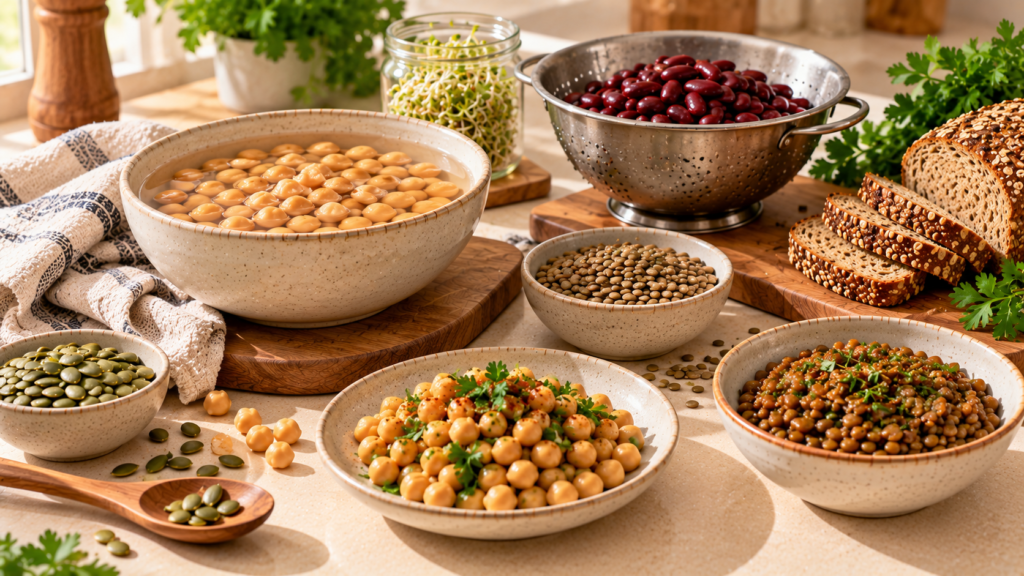
Soaking dried legumes and some grains before cooking can help reduce phytate content. Discard the soaking water when appropriate, rinse the food, and cook it thoroughly.
Soaking does not remove all phytates, and the effect varies by food and preparation method. It is one useful technique rather than a guarantee of improved zinc status.
Try Sprouting
Sprouting certain beans, legumes, and grains can activate enzymes that break down some phytates. Follow safe food-handling practices, because raw or improperly handled sprouts can carry harmful bacteria.
Use Fermented Foods
Fermentation can reduce phytate levels in certain foods. Yeast-leavened whole-grain bread, for example, may have lower phytate content than some unfermented grain products.
Eat a Varied Diet
Include a mixture of seeds, nuts, legumes, tofu, and grains rather than relying on one ingredient as your primary zinc source.
Check Fortified Food Labels
Some breakfast cereals and plant-based products are fortified with zinc. The amount varies considerably, so check the nutrition label and serving size before counting on a product as a significant source.
These strategies can support a balanced vegetarian diet, but none guarantees that every individual will absorb enough zinc.
4. Easy Vegetarian Meal Plan for Zinc Intake
You do not need to eat every zinc-rich food daily. A practical approach is to spread different sources across meals and snacks.
The following example shows how a vegetarian might include zinc-containing foods throughout the day.
| Meal | Example | Zinc contribution |
|---|---|---|
| Breakfast | Oatmeal with pumpkin seeds | Oats and seeds provide zinc |
| Morning snack | Cashews | Adds zinc, healthy fats, and copper |
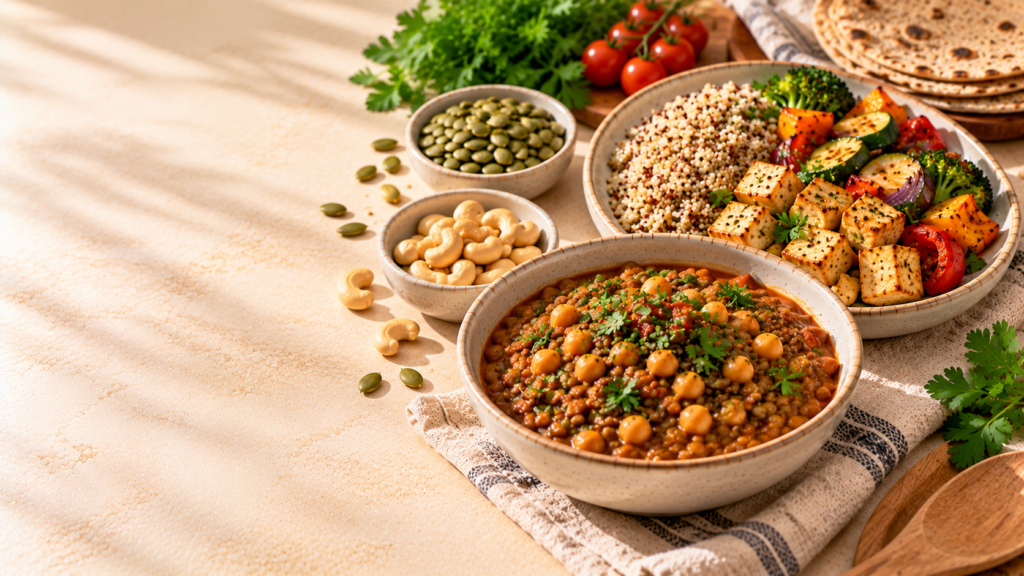
| Lunch | Chickpea curry with whole-wheat roti | Chickpeas and whole grains contribute zinc |
| Afternoon snack | Yogurt or a suitable fortified plant-based alternative | Zinc content depends on the product |
| Dinner | Tofu and lentil vegetable curry with quinoa | Several plant-based zinc sources in one meal |
This plan is an example, not a calculated nutrient prescription. Portions, recipes, and product formulations determine the actual amount of zinc consumed.
Vegetarian Zinc Meal Ideas for Pakistani Households
If you prefer familiar, affordable ingredients, consider these options:
- Breakfast: Oats topped with pumpkin seeds and cashews.
- Lunch: Chana masala with whole-wheat roti.
- Snack: A small serving of roasted chickpeas or nuts.
- Dinner: Masoor dal with roti and vegetables.
- Alternative dinner: Tofu and vegetable curry with whole grains, where tofu is available.
Lentils, chickpeas, seeds, and whole grains can contribute zinc without requiring expensive specialty products. Rotate your ingredients and include other protein sources to maintain dietary variety.
5. Can Vegetarians Get Enough Zinc Without Supplements?
Yes. Many vegetarians can meet their zinc needs through a well-planned diet. Seeds, nuts, legumes, tofu, whole grains, and fortified foods all contribute to daily intake.
However, meeting the recommended intake on paper does not always mean that the same amount is absorbed by every individual. Diets that rely heavily on high-phytate foods may provide zinc that is less readily available for absorption.
If you have a digestive condition, follow a highly restrictive diet, or have persistent symptoms that may indicate a nutritional problem, a registered dietitian or healthcare professional can help assess your intake and determine whether further evaluation is appropriate.
When Might a Zinc Supplement Be Necessary?
A supplement may be appropriate when a healthcare professional identifies inadequate intake, a confirmed deficiency, or a medical condition that affects zinc absorption.
Do not automatically take high-dose zinc because you are vegetarian. Excessive intake can cause nausea, stomach discomfort, and impaired copper absorption.
For adults, the US tolerable upper intake level is 40 mg daily from all sources. This is a safety limit, not a target, and clinician-directed treatment may differ.
Read the NIH Office of Dietary Supplements’ Zinc Fact Sheet for detailed information on zinc-rich foods, dietary requirements, absorption, and supplementation.
6. Signs You May Not Be Getting Enough Zinc
A vegetarian diet does not automatically lead to zinc deficiency, but inadequate intake can occur when food choices are limited or nutrient absorption is impaired.
Possible signs of zinc deficiency include:
- Reduced appetite
- Changes in taste or smell
- Hair loss
- Slow wound healing
- Certain skin changes
- Diarrhea in some cases
- Impaired growth in children
These symptoms are not specific to zinc deficiency. Other nutritional deficiencies, medications, infections, and medical conditions can cause similar problems.
If you experience persistent symptoms, seek professional advice instead of attempting to diagnose yourself based on an online list.
Zinc Deficiency: Signs and Food Sources
7. Common Mistakes to Avoid When Choosing Vegetarian Zinc Foods
Even a diet containing healthy foods can benefit from better planning. Avoid these common mistakes when trying to obtain enough zinc.
- Relying on only one source: Pumpkin seeds are nutritious, but a varied diet provides a broader range of nutrients.
- Ignoring serving sizes: Zinc content depends on how much food you actually eat.
- Assuming all vegetables are rich in zinc: Legumes, seeds, nuts, and whole grains are generally more useful plant-based sources than most fruits and vegetables.
- Skipping protein-rich foods: Beans, lentils, tofu, and other suitable protein sources can contribute zinc as well as protein.
- Expecting soaking to remove all phytates: Food preparation can help, but it does not guarantee a particular level of zinc absorption.
- Taking supplements without a reason: Excessive zinc can be harmful, and not every vegetarian needs a supplement.
Conclusion: Choose the Best Zinc Rich Foods for Vegetarians
The best zinc rich foods for vegetarians include pumpkin seeds, hemp seeds, cashews, chickpeas, lentils, beans, tofu, oats, quinoa, and whole grains. Adding these ingredients to everyday meals can help you obtain zinc alongside protein, fiber, healthy fats, and other essential nutrients.
Because phytates can reduce zinc absorption, vegetarians may benefit from dietary variety and preparation techniques such as soaking, sprouting, and fermentation. Fortified foods can also help, depending on their nutritional content.
You do not need a complicated diet to support healthy zinc intake. Start with familiar foods, include different sources throughout the day, and pay attention to your overall nutritional needs. If you have persistent symptoms or concerns about deficiency, consult a qualified healthcare professional before using supplements.
Frequently Asked Questions
1. What are the best zinc rich foods for vegetarians?
Pumpkin seeds, hemp seeds, cashews, chickpeas, lentils, beans, tofu, oats, and whole grains are useful vegetarian sources of zinc. Fortified breakfast cereals may also contribute, depending on the product.
2. Which vegetarian food contains the most zinc?
Among common plant-based foods, hemp seeds and pumpkin seeds are concentrated sources of zinc. Exact amounts vary by product and serving size, so check reliable nutrition data when comparing foods.
3. Can vegetarians get 11 mg of zinc per day?
It is possible, particularly with a carefully planned diet that includes multiple zinc-rich foods. However, 11 mg is the US recommended intake for adult men, not every vegetarian. Adult women generally need 8 mg daily, and individual requirements vary.
4. Are lentils and chickpeas good sources of zinc?
Yes. Both contain zinc, protein, and fiber. They can contribute to daily intake when included regularly in a varied diet.
5. Do pumpkin seeds help prevent zinc deficiency?
Pumpkin seeds contribute zinc and can help meet daily nutritional needs. However, no single food guarantees prevention or treatment of deficiency.
6. How can vegetarians improve zinc absorption?
Soaking beans and grains, sprouting suitable foods, using fermented grain products, and eating a varied diet can help reduce some barriers to zinc absorption. The effect depends on the food and preparation method.
7. Are fruits and vegetables good sources of zinc?
Most fruits and many vegetables contain relatively small amounts of zinc. Legumes, seeds, nuts, tofu, and whole grains are generally more useful sources for vegetarians.
8. Should vegetarians take zinc supplements every day?
Not necessarily. Many vegetarians can meet their needs through food. Supplements may be appropriate for specific individuals, but excessive zinc intake can cause adverse effects. Seek personalized advice if you are concerned about deficiency.
1 thought on “Zinc Rich Foods for Vegetarians”