
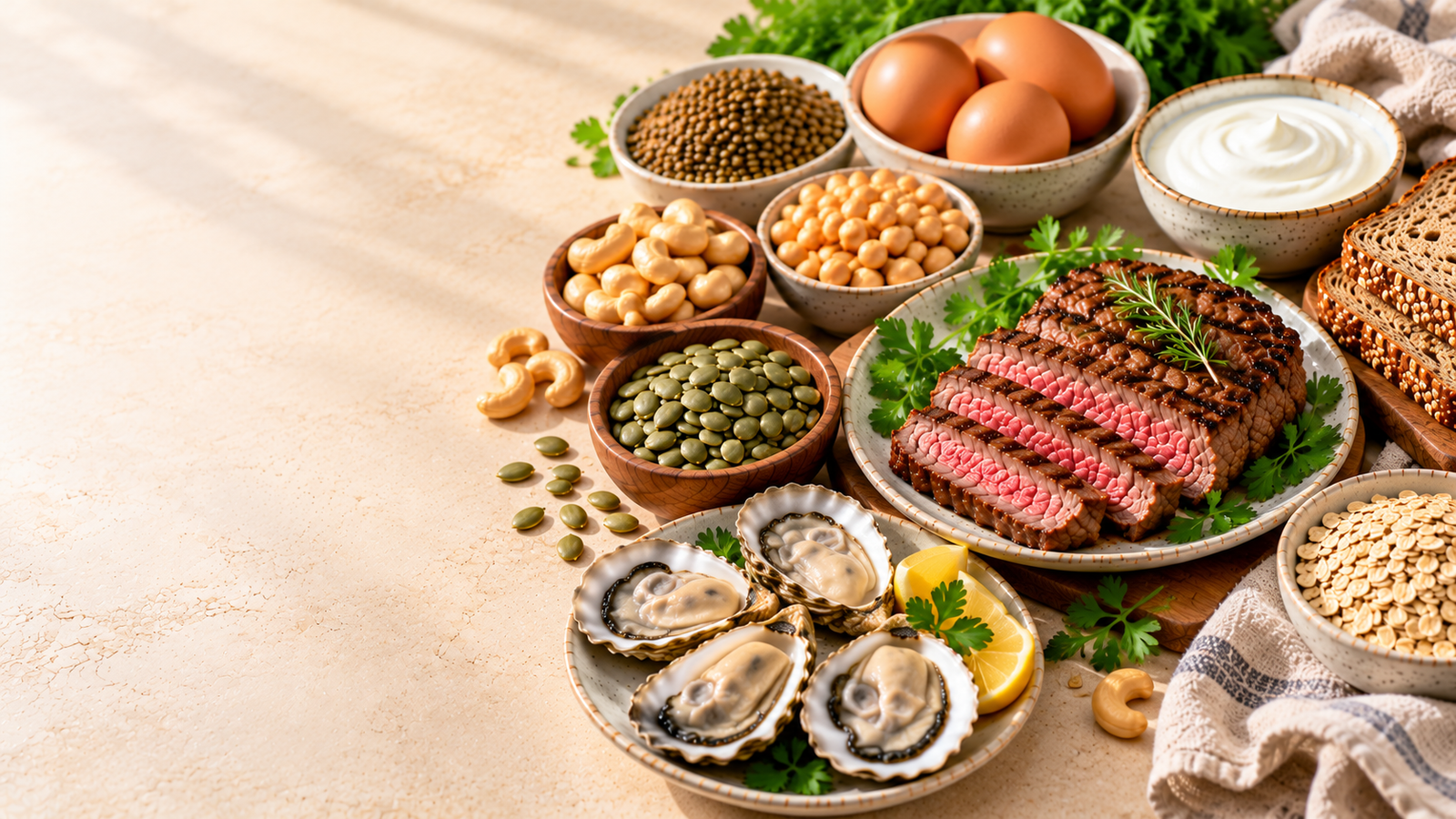
Zinc is an essential mineral that supports immune function, wound healing, DNA synthesis, cell growth, and normal taste and smell. Your body needs zinc every day, but it cannot produce or store large amounts of it, so you must obtain enough through food.
Zinc deficiency signs and food sources are important to understand because inadequate zinc intake can affect several body functions. Possible symptoms include slow wound healing, changes in taste or smell, hair loss, skin problems, and frequent infections. However, these symptoms can also result from other nutritional deficiencies or medical conditions, so they do not confirm zinc deficiency on their own.
The good news is that a balanced diet containing zinc-rich foods can help most people meet their daily needs. Understanding the potential warning signs, common causes, and best dietary sources is a practical first step toward better nutrition.
Most Important Points
- Zinc supports immunity, wound healing, growth, and normal taste and smell.
- Possible zinc deficiency symptoms include hair loss, skin changes, reduced appetite, and delayed wound healing.
- Oysters, meat, poultry, seafood, dairy products, legumes, nuts, seeds, and whole grains can provide zinc.
- People following restrictive diets or experiencing certain digestive conditions may have a higher risk of deficiency.
- Symptoms alone cannot establish a diagnosis; a healthcare professional can assess your risk and determine whether testing is appropriate.
- High-dose zinc supplements can cause side effects and interfere with copper absorption, so more zinc is not always better.
What Is Zinc Deficiency?
Zinc deficiency occurs when the body does not have enough zinc to support its normal functions. It may develop when someone consistently consumes too little zinc, cannot absorb enough from food, or loses more zinc than usual.
Zinc plays a role in hundreds of enzyme systems and contributes to immune responses, protein synthesis, cell division, growth, and tissue repair. It is also important during pregnancy, infancy, childhood, and adolescence because these stages involve rapid growth and development.
Mild deficiency can be difficult to recognize because its symptoms are often nonspecific. More severe deficiency can cause significant skin changes, impaired wound healing, hair loss, and other health problems.
Who Is at Greater Risk?
Certain people may be more likely to develop inadequate zinc levels, including:
- People who eat very limited or poorly balanced diets.
- Vegetarians and vegans whose diets contain substantial amounts of phytates without enough zinc-rich foods or other dietary planning.
- People with digestive disorders that impair nutrient absorption.
- Individuals who have undergone certain gastrointestinal surgeries.
- People with chronic illnesses that affect nutrient intake, absorption, or losses.
- Pregnant or breastfeeding individuals whose zinc requirements may be higher.
Having one of these risk factors does not automatically mean that you are zinc deficient.
1. Common Signs and Symptoms of Zinc Deficiency
Zinc deficiency can affect different parts of the body. The symptoms depend on how low zinc availability is, how long the problem has persisted, and a person’s overall health.

1. Hair Loss
Hair thinning or increased hair shedding can occur with zinc deficiency because zinc contributes to normal cell growth and tissue maintenance. However, hair loss has many other possible causes, including iron deficiency, thyroid disorders, stress, and hormonal changes.

2. Slow Wound Healing
Zinc helps support tissue repair and normal immune function. A deficiency may delay healing, although poor circulation, diabetes, infection, and inadequate protein intake can also slow recovery.

3. Changes in Taste or Smell
Some people with zinc deficiency notice that food tastes different or that their sense of smell is reduced. These changes can also be caused by infections, medications, aging, and other conditions.

4. Skin Changes
Dry, inflamed, or scaly skin may occur in more significant zinc deficiency. Severe cases can produce distinctive rashes, sometimes around the mouth and on the hands or feet.

5. Reduced Appetite
Low zinc levels may affect appetite and taste perception. Persistent loss of appetite, however, can have many causes and should not automatically be attributed to zinc deficiency.

6. Impaired Immune Function
Zinc is essential for normal immune activity. Deficiency can impair immune responses and may increase susceptibility to infections, but frequently getting sick is not a specific sign of low zinc.
Other possible symptoms include diarrhea, delayed growth in children, and reproductive problems in more severe cases.
Important: Fatigue alone is not a reliable indicator of zinc deficiency. If symptoms are persistent, worsening, or affecting daily life, seek medical advice rather than relying on supplements or symptom lists.
2. What Causes Zinc Deficiency?
Zinc deficiency usually develops when zinc intake or absorption is insufficient to meet the body’s needs. Several factors can contribute.
Inadequate Dietary Zinc
A diet that rarely includes meat, seafood, dairy, legumes, nuts, seeds, or other zinc-containing foods may provide insufficient zinc. Highly restrictive eating patterns can increase this risk.
Poor Zinc Absorption
Certain digestive conditions, including Crohn’s disease and celiac disease, can interfere with nutrient absorption. People who have undergone gastrointestinal surgery may also need individualized nutritional monitoring.
High Phytate Intake Without Adequate Planning
Whole grains, beans, lentils, nuts, and seeds are nutritious sources of zinc. However, they also contain phytates, natural compounds that can reduce zinc absorption. People who rely heavily on plant foods may need to pay particular attention to their overall zinc intake.
Soaking, sprouting, and fermenting certain legumes and grains can help reduce phytate levels and may improve mineral availability.
Increased Nutritional Requirements
Pregnancy and breastfeeding increase zinc requirements. Children and teenagers also need adequate zinc for normal growth and development.
Certain Health Conditions and Medications
Some chronic illnesses and medications can affect nutrient absorption, losses, or overall nutritional status. If you suspect that a medication is contributing to a deficiency, discuss it with a healthcare professional instead of stopping it yourself.
3. Best Zinc-Rich Foods to Help Prevent Deficiency
Eating a varied diet is one of the most practical ways to support healthy zinc intake. Animal foods generally provide zinc in a more readily absorbed form, while plant foods remain valuable sources for a balanced diet.
Health Professional Fact Sheet
Top Foods High in Zinc
The table below gives approximate zinc amounts per typical serving. Actual values vary with the type of food, serving size, preparation method, and product formulation.
| Food | Typical serving | Approximate zinc |
|---|---|---|
| Cooked oysters | 3 oz (85 g) | 20–30+ mg, highly variable |
| Cooked beef | 3 oz (85 g) | 3–8 mg |
| Crab | 3 oz (85 g) | 4–7 mg |
| Pumpkin seeds | 1 oz (28 g) | 2–3 mg |
| Hemp seeds | 1 oz (28 g) | 2–3 mg |
| Cooked lentils | 1 cup | 2–3 mg |
| Chickpeas | 1 cup cooked | 2–3 mg |
| Cashews | 1 oz (28 g) | 1.5–2 mg |
| Plain yogurt | 1 cup | 1–2 mg |
| Eggs | 2 large | 1–1.5 mg |
| Oatmeal | 1 cup cooked | 1–2 mg |
| Whole-grain bread | 2 slices | 1–2 mg |
These are general estimates, not laboratory-verified values for every product. Oysters can contain exceptionally high amounts of zinc, with substantial variation by species and serving.
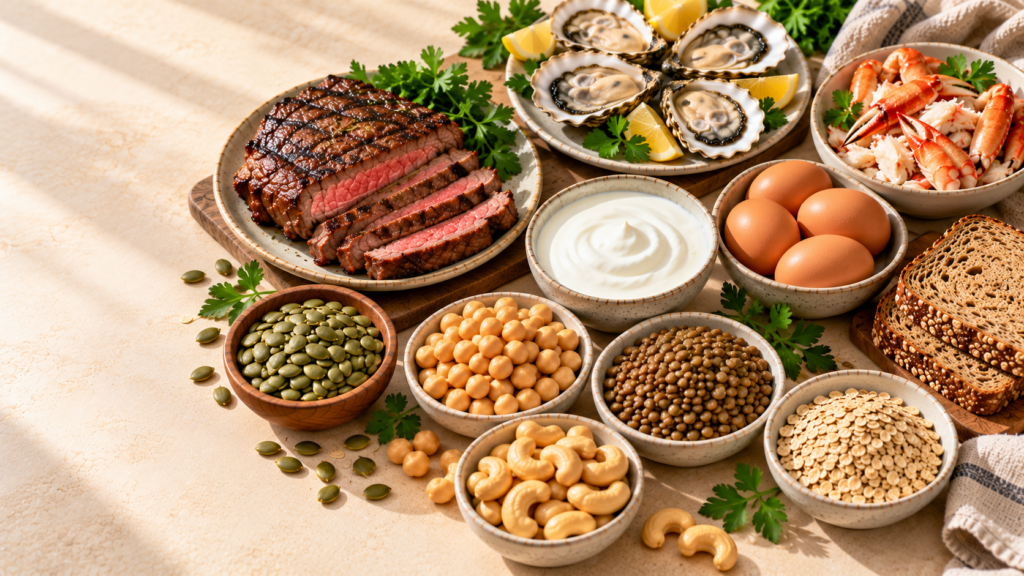
Are Plant-Based Foods Enough to Meet Zinc Needs?
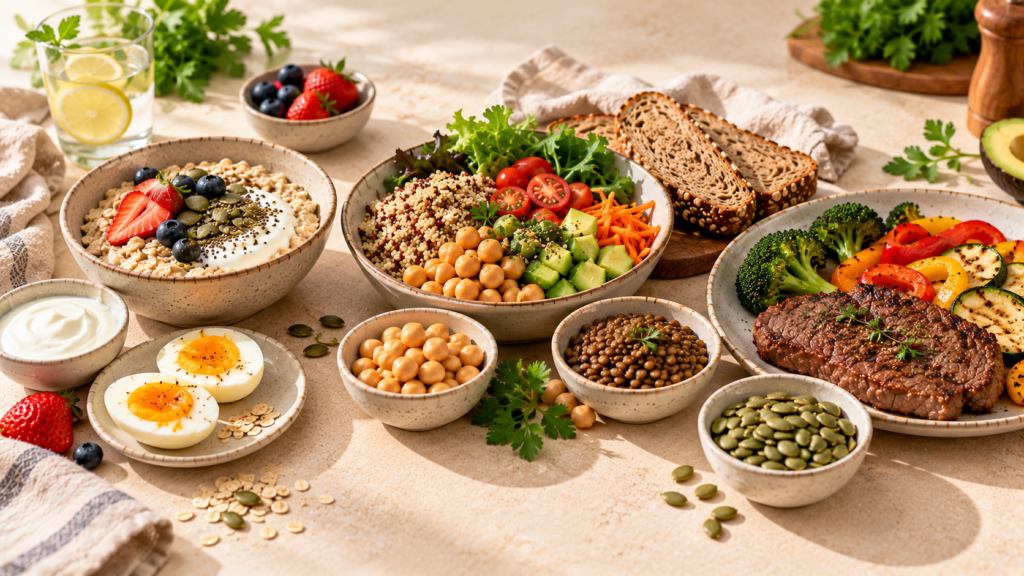
Yes, a carefully planned vegetarian or vegan diet can provide zinc. Useful choices include lentils, chickpeas, beans, tofu, pumpkin seeds, cashews, oats, and whole grains.
Because zinc from plant foods may be less readily absorbed, people eating exclusively plant-based diets may benefit from including several zinc-containing foods throughout the day rather than depending on just one source.
Practical ways to include zinc in everyday meals include:
- Add pumpkin seeds or cashews to oatmeal.
- Include chickpeas, beans, or lentils in lunch and dinner.
- Choose tofu or legumes as regular protein sources.
- Eat whole-grain bread or oats as part of a varied diet.
- Use soaking, sprouting, or fermentation when appropriate for grains and legumes.
Fruit and vegetables are important for overall health, but most are not particularly concentrated sources of zinc.
Zinc-Rich Foods: Complete Food Guide
4. How Much Zinc Do You Need Per Day?
The amount of zinc you need depends on your age, sex, and stage of life. The following US Recommended Dietary Allowances (RDAs) are useful reference values. Local recommendations may differ.
| Age or life stage | Recommended daily zinc |
|---|---|
| Infants 0–6 months | 2 mg (adequate intake) |
| Infants 7–12 months | 3 mg |
| Children 1–3 years | 3 mg |
| Children 4–8 years | 5 mg |
| Children 9–13 years | 8 mg |
| Males 14 years and older | 11 mg |
| Females 14–18 years | 9 mg |
| Females 19 years and older | 8 mg |
| Pregnancy, ages 14–18 | 12 mg |
| Pregnancy, ages 19 and older | 11 mg |
| Breastfeeding, ages 14–18 | 13 mg |
| Breastfeeding, ages 19 and older | 12 mg |
These amounts represent total daily intake from food and supplements, not a recommendation to take a supplement every day. Most people should first aim to meet their nutritional needs through a balanced diet.
5. How Is Zinc Deficiency Diagnosed?
Zinc deficiency cannot be reliably diagnosed by looking at symptoms alone. Hair loss, poor appetite, skin problems, and slow wound healing can also occur for many other reasons.
A healthcare professional may assess:
- Your symptoms and medical history: Including changes in taste, wound healing, diet, and digestive health.
- Your dietary pattern: Whether your meals provide enough zinc and other essential nutrients.
- Risk factors: Such as gastrointestinal disease, restrictive eating, or recent surgery.
- Laboratory testing, when appropriate: Blood zinc measurements may be considered alongside other clinical information.
Blood zinc levels have limitations and can be influenced by factors such as the timing of the test, illness, and inflammation. Results should therefore be interpreted in context rather than used in isolation.
When Should You See a Healthcare Professional?
Consider seeking medical advice if you experience persistent taste or smell changes, unexplained hair loss, slow-healing wounds, ongoing diarrhea, recurring infections, or unexplained skin changes.
Children with poor growth or persistent appetite problems also need professional assessment. Early evaluation can help identify zinc deficiency or another underlying condition.
Read the NIH Office of Dietary Supplements’ Zinc Fact Sheet for evidence-based information on zinc requirements, dietary sources, deficiency, and supplementation.
Why Zinc Is Important for Your Overall Health
Zinc is an essential trace mineral that supports many processes in the human body. Understanding its functions helps explain why zinc deficiency signs and food sources are important topics for anyone interested in maintaining a balanced diet.
Zinc contributes to several important bodily functions:
- Immune system support: Zinc helps maintain normal immune cell function and supports the body’s defenses.
- Wound healing: The body needs zinc for normal tissue repair and cell growth.
- DNA and protein synthesis: Zinc-dependent enzymes participate in processes that help cells grow and function.
- Normal taste and smell: Zinc plays a role in maintaining these senses.
- Growth and development: Adequate zinc is particularly important during childhood, adolescence, pregnancy, and breastfeeding.
- Skin and tissue maintenance: Zinc supports normal cellular function and the maintenance of healthy tissues.
Zinc is found in foods such as seafood, meat, poultry, dairy products, beans, nuts, seeds, and whole grains. Including a variety of these foods in your diet can help you meet your nutritional needs.
However, consuming more zinc than your body requires does not automatically improve health. The goal is to obtain an appropriate amount through food and, when medically necessary, supervised supplementation.
Health Professional Fact Sheet
+1
2. Add This Detailed Zinc Food Sources Chart
Place this section directly after the existing table of zinc-rich foods. It provides more precise serving sizes and zinc amounts using the NIH Office of Dietary Supplements fact sheet.
15 Foods That Contain Zinc and Their Nutritional Values
The amount of zinc in food varies by species, preparation method, portion size, and brand. The following examples use published reference values for common foods.
Health Professional Fact Sheet
| Food | Serving size | Zinc |
|---|---|---|
| Raw farmed Eastern oysters | 3 oz (85 g) | 32 mg |
| Cooked Pacific oysters | 3 oz (85 g) | 28.2 mg |
| Roasted beef sirloin | 3 oz (85 g) | 3.8 mg |
| Cooked blue crab | 3 oz (85 g) | 3.2 mg |
| Fortified breakfast cereal | 1 serving | 2.8 mg |
| Cooked oatmeal | 1 cup | 2.3 mg |
| Roasted pumpkin seeds | 1 oz (28 g) | 2.2 mg |
| Cooked pork loin | 3 oz (85 g) | 1.9 mg |
| Roasted turkey breast | 3 oz (85 g) | 1.5 mg |
| Cheddar cheese | 1.5 oz (43 g) | 1.5 mg |
| Cooked shrimp | 3 oz (85 g) | 1.4 mg |
| Boiled lentils | ½ cup | 1.3 mg |
| Sardines, canned in oil | 3 oz (85 g) | 1.1 mg |
| Plain Greek yogurt | 6 oz (170 g) | 1.0 mg |
| Milk | 1 cup (240 ml) | 1.0 mg |
Source: NIH Office of Dietary Supplements, Zinc Fact Sheet for Health Professionals. Values are reference estimates; individual products can differ.
Which Zinc-Rich Foods Are Best for Everyday Meals?
Oysters provide exceptionally high amounts of zinc, but they are not essential for meeting your daily needs. Beef, pumpkin seeds, oatmeal, legumes, dairy products, and fortified breakfast cereals offer more everyday options.
For people living in Pakistan, affordable choices may include lentils, chickpeas, eggs, milk, yogurt, meat, and seeds. The best combination depends on availability, dietary preferences, budget, and individual nutritional requirements.
Remember that foods containing zinc should be part of a balanced diet. No single food can correct every nutritional deficiency.
3. Add a New Section About Zinc Deficiency Symptoms
Insert this section after the existing symptom list to improve coverage of long-tail search queries.
Less Common Signs of Zinc Deficiency
In addition to hair loss, skin changes, and delayed wound healing, more significant zinc deficiency may cause other symptoms.
Diarrhea and Digestive Problems
Diarrhea can occur in people with zinc deficiency, particularly in children. However, diarrhea itself can also contribute to zinc losses, creating a cycle in which poor nutritional status and digestive illness worsen each other.
Persistent diarrhea needs medical evaluation, especially in infants and young children, because dehydration and other complications can develop.
Delayed Growth in Children
Zinc supports normal growth and development. Children who do not obtain enough zinc may experience impaired growth, although poor growth can also result from inadequate overall nutrition, chronic illnesses, or other medical conditions.
Parents should consult a pediatric healthcare professional if a child is not growing as expected rather than starting zinc supplements without guidance.
Reproductive Health Concerns
Zinc contributes to normal reproductive function. Severe deficiency can interfere with reproductive health, but fertility problems have many possible causes and should not be attributed to zinc deficiency without proper assessment.
Changes Around the Mouth and Skin
More severe zinc deficiency can cause distinctive skin inflammation, including rashes around the mouth and on the hands or feet. These changes require professional evaluation because several skin conditions can appear similar.
Important: The presence of one or more symptoms does not prove that you have zinc deficiency. Diagnosis requires consideration of dietary intake, risk factors, symptoms, and appropriate clinical assessment.
Health Professional Fact Sheet
4. Add This Keyword-Relevant Section About Plant-Based Diets
Zinc Deficiency in Vegetarians and Vegans: What to Know
People following vegetarian and vegan diets can obtain zinc from plant foods, but planning is important. Beans, lentils, chickpeas, tofu, nuts, seeds, and whole grains contain zinc alongside protein, fiber, and other nutrients.
One challenge is that plant foods often contain phytates, which can reduce the amount of zinc absorbed during digestion. This does not mean that plant-based diets inevitably cause zinc deficiency. Rather, people who rely heavily on plant foods may need to pay closer attention to their total intake.
How to Get More Zinc From Plant Foods
- Include lentils, chickpeas, beans, or tofu in regular meals.
- Add pumpkin seeds, cashews, or peanuts to snacks and breakfast.
- Choose a variety of whole grains instead of relying on a single staple.
- Use soaking, sprouting, and fermentation methods where appropriate to help reduce phytate content.
- Check whether fortified foods are available and suitable for your dietary needs.
Combining different zinc-containing foods throughout the day can make it easier to meet your nutritional requirements.
If you follow a restrictive diet and experience persistent symptoms associated with possible zinc deficiency, consult a healthcare professional or registered dietitian for individualized advice.
Health Professional Fact Sheet
+1
5. Add a More Detailed Daily Zinc Requirements Section
Place this additional explanation beneath your existing daily zinc requirements table.
Recommended Zinc Intake for Adults
According to US dietary reference values:
- Adult men generally need 11 mg of zinc per day.
- Adult women generally need 8 mg per day.
- During pregnancy, the recommendation is 11 mg per day for adults.
- During breastfeeding, the recommendation is 12 mg per day for adults.
Requirements are different for children, teenagers, and younger pregnant or breastfeeding individuals. Use the complete age-specific table already included in your article rather than applying adult recommendations to children.
Health Professional Fact Sheet
Can You Get Enough Zinc From Food Alone?
Many people can meet their zinc needs through a varied diet. For example, a meal pattern that includes oatmeal, pumpkin seeds, lentils, dairy products, eggs, or meat can contribute zinc across the day.
However, the total amount depends on serving sizes and the zinc content of individual foods. A meal plan should not be treated as a precise calculation unless its ingredients and quantities have been assessed.
Supplements may be appropriate for some people, particularly when a deficiency is confirmed or a clinician identifies a specific need. They are not automatically necessary for everyone.
6. Add a Zinc Supplement Safety Section
Can Too Much Zinc Cause Health Problems?
Although zinc is essential, excessive zinc intake can be harmful. Taking high doses of supplements for extended periods can interfere with copper absorption and may lead to copper deficiency.
Possible side effects of excessive zinc intake include:
- Nausea and vomiting
- Stomach discomfort and abdominal cramps
- Reduced appetite
- Headaches
- Diarrhea
- Low copper levels with prolonged excessive intake
For adults, the US tolerable upper intake level is 40 mg of zinc per day from all sources, including food, beverages, and supplements. This limit is not a recommended daily target and does not apply to medically supervised treatment in the same way. Children have lower age-specific limits.
Health Professional Fact Sheet
+1
Zinc can also interact with certain antibiotics and penicillamine. If you take prescription medication, ask your pharmacist or healthcare professional about possible interactions before starting a supplement.
The safest approach is to address suspected zinc deficiency with an appropriate assessment instead of taking increasingly large doses.
7. Add These Long-Tail FAQs
Place these questions after your existing FAQ section to cover additional search variations without repeating the same answers.
What does zinc deficiency look like on the skin?
Zinc deficiency may cause dry, inflamed, scaly skin or distinctive rashes in more severe cases. Similar symptoms occur with other skin conditions, so a rash alone cannot confirm low zinc levels.
Can zinc deficiency cause changes in taste?
Yes. Zinc plays a role in normal taste perception, and deficiency may affect how food tastes. Infections, medications, and other health conditions can also cause taste changes.
Which vegetarian foods contain the most zinc?
Pumpkin seeds, cashews, legumes, tofu, and whole grains can contribute zinc to a vegetarian diet. The amount absorbed varies, partly because plant foods may contain phytates.
Is zinc deficiency common in people who eat a vegetarian diet?
A vegetarian diet does not automatically cause zinc deficiency. However, people who consume large amounts of high-phytate foods without enough zinc-containing foods may need more careful dietary planning.
Can I correct zinc deficiency without supplements?
In some cases, improving dietary zinc intake may be sufficient. Confirmed or significant deficiency, impaired absorption, or other medical causes may require clinician-directed treatment.
What is the best test for zinc deficiency?
A healthcare professional may use blood zinc testing alongside symptoms, dietary history, and risk factors. No single test perfectly reflects an individual’s zinc status in every circumstance.
Health Professional Fact Sheet
6. How Can Zinc Deficiency Be Treated?
Treatment depends on why zinc levels or zinc availability are inadequate.
Improve Your Diet
For people with insufficient dietary intake, increasing the variety of zinc-rich foods may help. Combine protein sources such as eggs, dairy products, seafood, meat, tofu, or legumes with seeds, nuts, and whole grains.
Use Supplements Only When Appropriate
A healthcare professional may recommend a zinc supplement when deficiency is confirmed or there is a clear clinical reason to supplement. The appropriate amount and duration depend on age, health status, dietary intake, and the underlying cause.
Avoid treating unexplained symptoms with high-dose zinc on your own. Excess zinc can cause nausea, vomiting, stomach discomfort, and reduced copper absorption. In adults, the US tolerable upper intake level is 40 mg per day from all sources; this is a safety limit, not a target intake, and medically supervised treatment can differ.
Address the Underlying Cause
If a digestive disorder, medication, or other health condition is contributing to the problem, dietary changes alone may not be sufficient. Managing that cause is an important part of treatment.
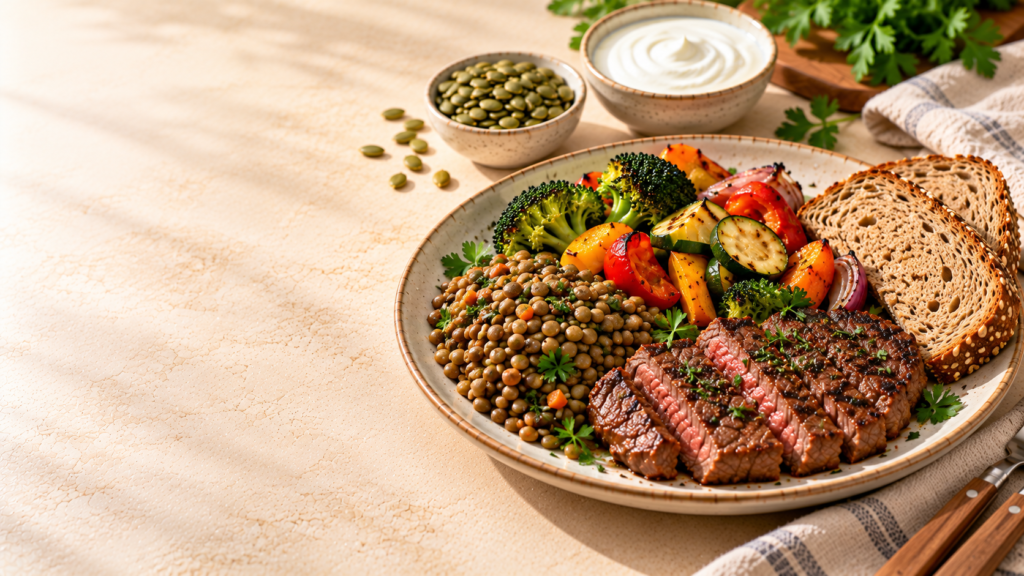
7. A Simple One-Day Meal Plan for Zinc Intake
The following example shows how you might incorporate several zinc-containing foods into an ordinary day. Portions should be adjusted to individual energy and nutritional needs.
| Meal | Suggested foods |
|---|---|
| Breakfast | Eggs, oatmeal, and plain yogurt |
| Morning snack | A small handful of cashews or pumpkin seeds |
| Lunch | Chickpea or lentil curry with whole-grain roti |
| Afternoon snack | Yogurt or a small serving of nuts |
| Dinner | Cooked lean beef, chicken, or tofu with vegetables and whole grains |
This meal plan provides a variety of foods that contribute zinc, protein, and other essential nutrients. The exact amount of zinc depends on portion sizes and ingredients.
For readers in Pakistan, practical options include eggs, chickpeas, lentils, meat, yogurt, and pumpkin seeds. You do not need to buy expensive specialty foods to build a balanced diet.
8. Common Mistakes to Avoid When Addressing Zinc Deficiency
- Assuming every symptom means low zinc: Hair loss and skin problems can have many causes.
- Taking high-dose supplements without advice: Excessive zinc intake can interfere with copper absorption.
- Ignoring plant-based sources: Legumes, seeds, nuts, and whole grains can contribute meaningful amounts of zinc.
- Relying on one food alone: Dietary variety helps meet multiple nutritional needs.
- Expecting immediate results: Recovery depends on the cause and severity of a deficiency, and some symptoms require separate treatment.
- Ignoring persistent symptoms: Professional assessment can identify the underlying cause and prevent inappropriate supplementation.
Conclusion: Recognize Zinc Deficiency and Choose Better Food Sources
Understanding zinc deficiency signs and food sources can help you make more informed decisions about your diet and health. Symptoms such as hair loss, changes in taste or smell, skin problems, and delayed wound healing may occur with zinc deficiency, but none is conclusive on its own.
The most practical starting point is a balanced diet that includes zinc-rich foods such as seafood, meat, eggs, dairy products, lentils, chickpeas, nuts, and seeds. Pay particular attention to your nutritional needs if you follow a restrictive diet or have a condition that affects nutrient absorption.
If you have persistent symptoms or believe you may be deficient, consult a qualified healthcare professional before taking high-dose supplements. A personalized assessment can help determine whether you need dietary changes, further testing, or treatment.
1 thought on “Zinc Deficiency: Signs and Food Sources”