
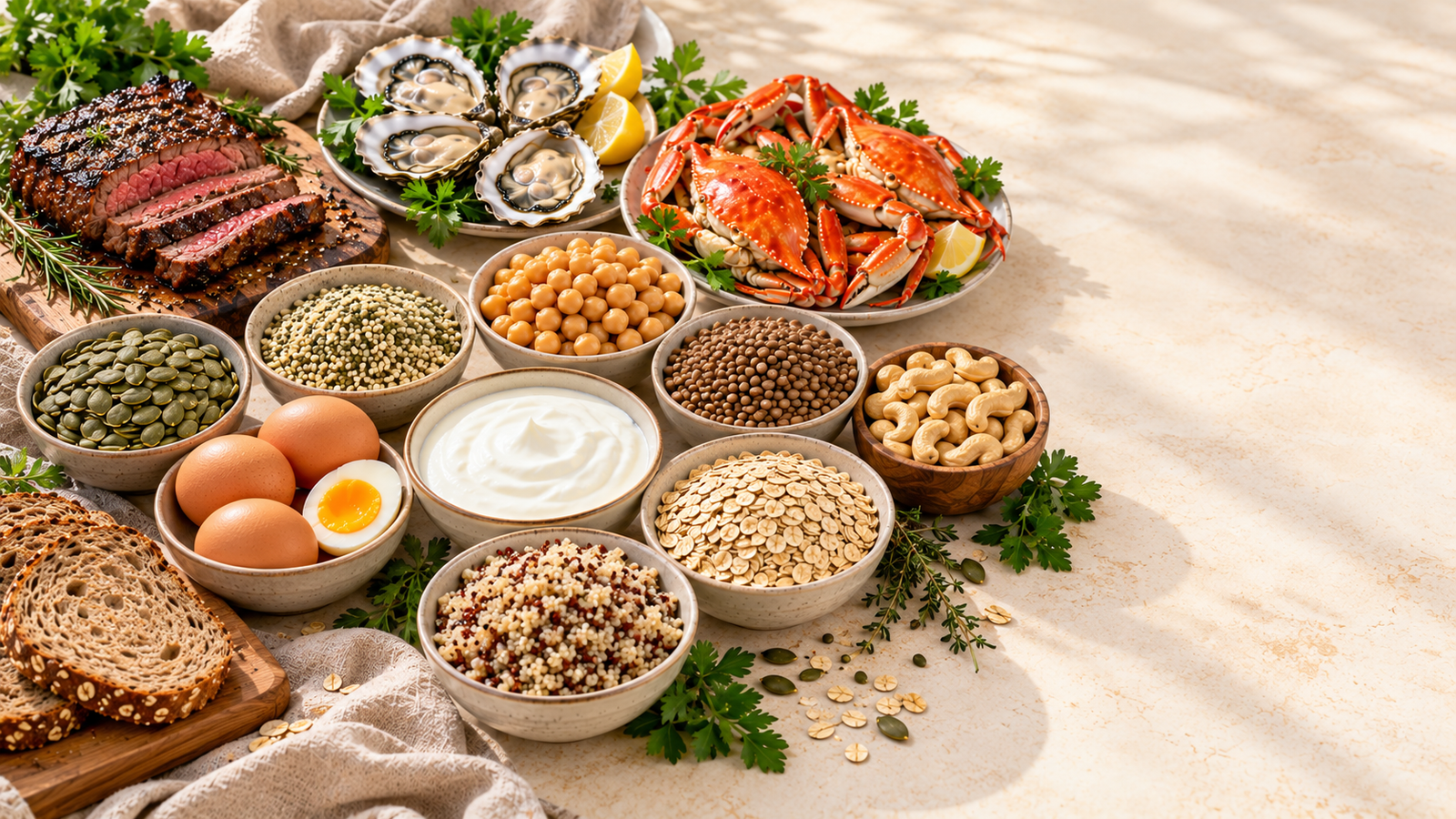
Zinc is an essential mineral that helps your body maintain normal immune function, heal wounds, produce DNA, and support healthy growth. It also contributes to protein synthesis, cell division, and the normal senses of taste and smell.
Your body does not maintain a large reserve of zinc for long-term use, so getting enough through your diet is important. Fortunately, foods high in zinc include many familiar ingredients, from seafood and meat to beans, nuts, seeds, dairy products, and whole grains.
Whether you eat animal products or follow a vegetarian diet, choosing a variety of zinc-containing foods can help you meet your nutritional needs. This guide explains the best natural sources, approximate zinc amounts, plant-based options, daily requirements, and practical ways to include zinc in everyday meals.
Key Takeaways
- Oysters are among the richest dietary sources of zinc, although their zinc content varies widely.
- Beef, crab, pork, and other seafood provide substantial amounts of zinc.
- Pumpkin seeds, chickpeas, lentils, cashews, and oats are useful plant-based sources.
- Zinc from many animal foods is generally more readily absorbed than zinc from plant foods containing phytates.
- Adults generally need 8–11 mg of zinc daily, depending on sex and life stage.
- A varied diet is a good starting point for meeting zinc needs.
- High-dose zinc supplements are not necessary for everyone and can cause problems when taken in excess.
What Are Foods High in Zinc?
Foods high in zinc are foods that supply meaningful amounts of this essential mineral in a typical serving. Zinc supports immune-system activity, normal growth, wound healing, and numerous enzyme-related processes.
The main dietary sources include:
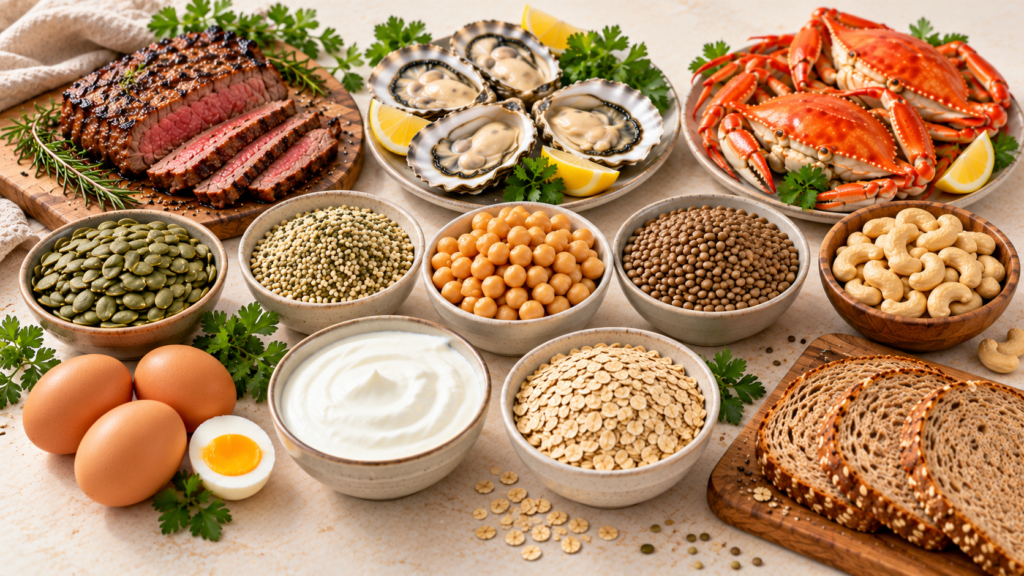
- Seafood: Oysters, crab, lobster, and other shellfish.
- Meat and poultry: Beef, pork, and chicken.
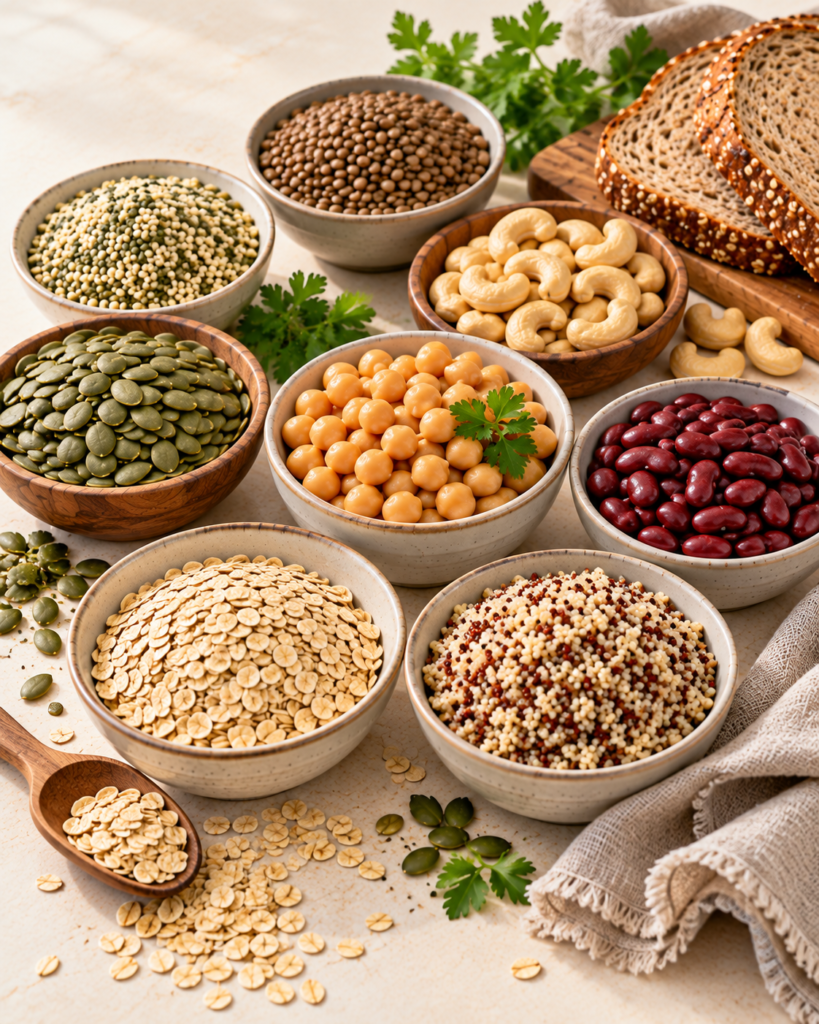
- Seeds and nuts: Pumpkin seeds, hemp seeds, and cashews.
- Legumes: Chickpeas, lentils, and kidney beans.
- Dairy products: Yogurt, milk, and cheese.
- Whole grains: Oats, quinoa, and whole-wheat bread.
- Fortified foods: Certain breakfast cereals and other products with added zinc.
Zinc content depends on serving size, food variety, preparation, and processing. A food’s zinc content also differs from the amount your body actually absorbs.
Foods High in Zinc Chart: 20 Natural Sources
The following table provides approximate zinc amounts for typical servings. Values can vary by product, preparation, and food composition.
| Food | Typical serving | Approx. zinc |
|---|---|---|
| 1. Oysters, cooked | 3 oz (85 g) | 20–50+ mg |
| 2. Beef, cooked | 3 oz (85 g) | 4–8 mg |
| 3. Crab, cooked | 3 oz (85 g) | 3–7 mg |
| 4. Pork, cooked | 3 oz (85 g) | 2–4 mg |
| 5. Lobster, cooked | 3 oz (85 g) | 2–4 mg |
| 6. Pumpkin seeds | 1 oz (28 g) | 2–3 mg |
| 7. Hemp seeds | 1 oz (28 g) | 2–3 mg |
| 8. Chickpeas, cooked | 1 cup | 2–3 mg |
| 9. Lentils, cooked | 1 cup | 2–3 mg |
| 10. Cashews | 1 oz (28 g) | 1.5–2 mg |
| 11. Oats, dry | ½ cup | 1–2 mg |
| 12. Fortified breakfast cereal | 1 serving | Varies by product |
| 13. Plain yogurt | 1 cup | 1–2 mg |
| 14. Milk | 1 cup | About 1 mg |
| 15. Cheddar cheese | 1 oz (28 g) | About 1 mg |
| 16. Chicken, cooked | 3 oz (85 g) | 1–3 mg |
| 17. Eggs | 2 large | About 1–1.5 mg |
| 18. Kidney beans, cooked | 1 cup | 1–2 mg |
| 19. Quinoa, cooked | 1 cup | 1–2 mg |
| 20. Whole-wheat bread | 2 slices | About 1 mg |
These are approximate ranges, not exact laboratory measurements. Oysters can contain exceptionally high amounts of zinc, with considerable variation between species. Check product labels and reliable food-composition databases for more precise values.
Best Animal-Based Foods High in Zinc
1. Oysters
Oysters are among the most concentrated sources of dietary zinc. Depending on the species and serving size, they can provide several times the daily requirement for an adult.
They also provide protein, vitamin B12, and other minerals. Because their zinc content can be very high, a normal serving may be sufficient to contribute a substantial amount.
How to eat them: Choose properly cooked oysters from reputable suppliers. Raw oysters can carry harmful pathogens, so cooking is particularly important for people at higher risk of foodborne illness.
2. Beef
Beef is a practical source of zinc that is generally well absorbed. A serving of cooked beef can contribute a significant portion of an adult’s daily requirement.
How to eat it: Try grilled lean beef with vegetables, beef and bean chili, or a stir-fry served with brown rice.
3. Crab
Crab provides zinc, protein, and vitamin B12. It works well in salads, soups, rice dishes, and seafood meals.
How to eat it: Use thoroughly cooked crab in a salad or whole-grain wrap. Compare nutrition labels when choosing canned or packaged products.
4. Pork
Pork provides zinc and protein. Lean cuts, such as tenderloin, can fit into a balanced diet.
How to eat it: Bake or grill lean pork and serve it with vegetables, legumes, or whole grains. Limit processed pork products when possible because they may contain substantial sodium.
5. Lobster
Lobster provides zinc alongside protein and other minerals. Its zinc content depends on the species, serving, and preparation.
How to eat it: Serve cooked lobster with vegetables and a whole-grain side for a balanced meal.
6. Chicken
Chicken contains zinc, although it generally provides less per serving than oysters or many cuts of beef.
How to eat it: Add grilled chicken to salads, wraps, soups, and grain bowls. Combining it with beans or seeds can increase the total zinc in a meal.
7. Eggs
Eggs provide modest amounts of zinc along with protein, choline, and vitamin B12.
How to eat them: Try boiled eggs with whole-wheat toast, a vegetable omelet, or eggs served with beans. Eggs can contribute to your intake, but they are not among the most concentrated zinc sources.
Best Plant-Based Foods High in Zinc
Plant foods can make a meaningful contribution to zinc intake. However, legumes, seeds, and whole grains often contain phytates, natural compounds that can reduce zinc absorption.
This does not mean you should avoid these nutritious foods. Instead, eat a variety of sources and use preparation methods that may improve mineral availability.
8. Pumpkin Seeds
Pumpkin seeds are one of the most convenient plant-based sources of zinc. A typical one-ounce serving provides roughly 2–3 mg, depending on the product.
They also provide protein, unsaturated fats, and other minerals.
How to eat them: Sprinkle pumpkin seeds over oatmeal, yogurt, salads, and soups. Choose unsalted varieties more often if you are monitoring sodium intake.
9. Hemp Seeds
Hemp seeds provide zinc, plant protein, and unsaturated fats.
How to eat them: Add them to smoothies, porridge, salads, or homemade energy bites. Use the product label to check the amount of zinc per serving.
10. Chickpeas
Chickpeas supply zinc, protein, fiber, and folate. They are affordable, versatile, and useful for vegetarian and vegan diets.
How to eat them: Add chickpeas to curries, hummus, salads, soups, or roasted vegetable bowls. Canned chickpeas can be rinsed and drained to reduce some of their sodium.
11. Lentils
Lentils contain zinc, iron, plant protein, and fiber. They are especially useful in meals built around beans, grains, and vegetables.
How to eat them: Prepare lentil soup, dal, lentil curry, or a lentil salad. Soaking, sprouting, and fermenting can reduce phytate levels in some foods, depending on the preparation method.
12. Cashews
Cashews provide zinc, protein, and unsaturated fats. A small handful can contribute to daily zinc intake.
How to eat them: Enjoy a small portion as a snack or add them to oatmeal, stir-fries, and homemade trail mix. Avoid cashews if you have a relevant nut allergy.
13. Oats
Oats contain zinc and beta-glucan, a soluble fiber associated with healthy cholesterol levels when eaten as part of an appropriate diet.
How to eat them: Prepare oatmeal with milk or a suitable fortified alternative, then add pumpkin seeds, cashews, or yogurt for additional nutrients.
14. Kidney Beans
Kidney beans provide zinc, plant protein, fiber, and folate.
How to eat them: Add them to soups, bean chili, salads, and rice dishes. Dried kidney beans must be properly cooked according to food-safety guidance because inadequately cooked beans can cause illness.
15. Quinoa
Quinoa supplies zinc, plant protein, fiber, and other minerals. It can replace rice in many meals.
How to eat it: Build a grain bowl with quinoa, chickpeas, vegetables, and pumpkin seeds. This combines several plant-based zinc sources in one meal.
16. Whole-Wheat Bread
Whole-wheat bread contributes zinc and fiber. Its zinc content varies with the flour, recipe, and serving size.
How to eat it: Use whole-wheat bread for sandwiches or toast, or serve it with eggs and beans. Whole grains can contribute zinc even though phytates may reduce its absorption.
Other Natural Sources of Zinc
17. Plain Yogurt
Yogurt provides zinc, protein, and calcium. The amount of zinc varies by type and serving size.
How to eat it: Pair plain yogurt with fruit, oats, and pumpkin seeds for a balanced breakfast or snack.
18. Milk
Milk supplies zinc along with protein and calcium. It can contribute to daily intake when included in a varied diet.
Plant-based milk alternatives may have different nutrient profiles. Check the nutrition label to see whether zinc has been added.
19. Cheddar Cheese
Cheddar cheese contributes zinc and protein, although it can also contain substantial saturated fat and sodium.
How to eat it: Add a modest portion to whole-grain toast, eggs, or vegetable dishes.
20. Fortified Breakfast Cereal
Some breakfast cereals contain added zinc. The amount varies considerably, so check the nutrition label and serving size.
Choose cereals that provide fiber and contain less added sugar where possible. Not all breakfast cereals are fortified with zinc.
How Much Zinc Do You Need Every Day?
Zinc requirements depend on age, sex, and life stage. The following are U.S. recommended dietary allowance (RDA) reference values.
| Life stage | Recommended zinc per day |
|---|---|
| Children 1–3 years | 3 mg |
| Children 4–8 years | 5 mg |
| Children 9–13 years | 8 mg |
| Boys 14–18 years | 11 mg |
| Girls 14–18 years | 9 mg |
| Adult men | 11 mg |
| Adult women | 8 mg |
| Pregnant adults | 11 mg |
| Breastfeeding adults | 12 mg |
These are general reference values, not individualized medical advice. Requirements may differ depending on health status and local nutrition guidance.
For more detailed information, consult the NIH Office of Dietary Supplements — Zinc Fact Sheet.
How to Improve Zinc Absorption
Eating foods high in zinc is important, but the amount absorbed by the body also matters.
Eat a Variety of Zinc Sources
Include a mixture of foods that suit your dietary preferences. For example, a meal containing chicken, beans, and whole grains can provide zinc from several sources.
Prepare Legumes Thoughtfully
Soaking, sprouting, and fermenting certain legumes and grains may reduce phytate content and improve the availability of some minerals. The effect depends on the food and method.
Include Fortified Foods When Useful
Some cereals and other foods have zinc added during manufacturing. Check the nutrition label rather than assuming every product contains the same amount.
Plan Plant-Based Meals Carefully
People following vegetarian or vegan diets can meet their zinc needs, but planning is useful because zinc absorption from many plant foods is lower. Include legumes, seeds, nuts, whole grains, and fortified foods regularly.
Best Plant-Based Sources of Essential Minerals
Zinc from Food vs. Supplements
For most people, food is a sensible starting point for meeting zinc requirements. Zinc-rich foods also supply other nutrients that contribute to a balanced diet.
Supplements may be appropriate for people with a diagnosed deficiency or when a healthcare professional recommends them for a specific reason. They are not automatically necessary for everyone.
Can You Take Too Much Zinc?
Yes. Excessive zinc intake can cause nausea, vomiting, stomach discomfort, and reduced appetite. Long-term high intake can interfere with copper absorption and may cause copper deficiency.
For adults in the United States, the tolerable upper intake level is 40 mg per day from all sources, including food and supplements. This is a safety limit, not a daily target. Medical treatment may require different amounts under professional supervision.
Zinc supplements can also interact with certain antibiotics and other medicines. Ask a healthcare professional or pharmacist about dosage and timing if you take medication or are considering a supplement.
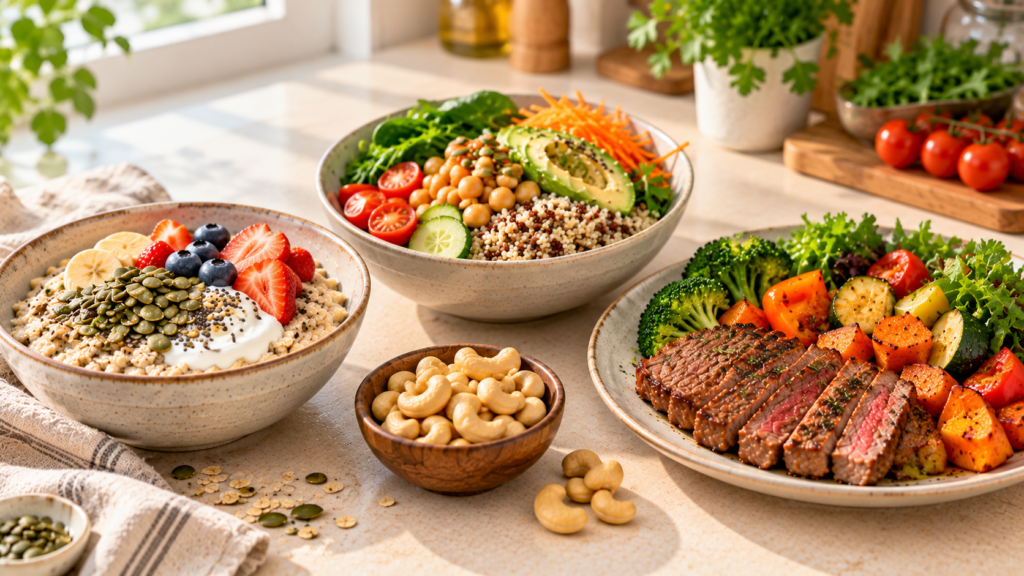
Easy Ways to Add More Zinc to Your Diet
You can increase your zinc intake without completely changing your meals. Try these practical ideas.
Breakfast
- Add pumpkin seeds or cashews to oatmeal.
- Serve eggs with whole-wheat toast.
- Choose zinc-fortified cereal after checking the label.
Lunch
- Make a chickpea or lentil salad.
- Add chicken or lean beef to a whole-grain wrap.
- Include beans in soups or grain bowls.
Dinner
- Serve cooked seafood or lean meat with vegetables.
- Prepare lentil dal, bean chili, or a quinoa bowl.
- Sprinkle pumpkin seeds over roasted vegetables.
Snacks
- Enjoy a small handful of cashews.
- Pair plain yogurt with seeds.
- Try roasted chickpeas for a crunchy snack.
Who May Need to Pay More Attention to Zinc Intake?
Some people have a greater risk of inadequate zinc intake, including those who follow restrictive diets, have certain digestive conditions that affect nutrient absorption, or struggle to consume enough varied foods.
People following vegetarian or vegan diets may benefit from planning meals carefully. Pregnancy and breastfeeding also affect nutritional requirements, while children need sufficient zinc for normal growth and development.
Possible signs of zinc deficiency include impaired wound healing, changes in taste or smell, and hair loss. These symptoms can have other causes and cannot diagnose zinc deficiency on their own. Consult a qualified healthcare professional if you have persistent symptoms or concerns about your nutritional status.
Frequently Asked Questions About Foods High in Zinc
1. What foods are highest in zinc?
Oysters are among the richest dietary sources of zinc. Beef, crab, lobster, pork, pumpkin seeds, and some fortified cereals can also provide useful amounts.
2. What are the best foods high in zinc for everyday meals?
Beef, chicken, yogurt, beans, lentils, pumpkin seeds, oats, and cashews are practical choices. Include a variety of foods rather than relying on only one source.
3. Which vegetarian foods are high in zinc?
Pumpkin seeds, hemp seeds, chickpeas, lentils, cashews, kidney beans, oats, quinoa, and whole grains provide zinc. Some fortified cereals can contribute as well.
4. Are pumpkin seeds a good source of zinc?
Yes. A typical one-ounce serving of pumpkin seeds provides approximately 2–3 mg of zinc, depending on the product.
5. Can you get enough zinc without eating meat?
Yes. A well-planned vegetarian or vegan diet can provide zinc through legumes, seeds, nuts, whole grains, and fortified foods. Because phytates can reduce absorption, variety and meal planning are important.
6. How much zinc do adults need daily?
The U.S. RDA is 11 mg per day for adult men and 8 mg per day for adult women. Pregnancy and breastfeeding change the recommended amounts.
7. Can foods high in zinc help prevent zinc deficiency?
Adequate dietary zinc helps meet nutritional needs and can reduce the risk of deficiency caused by insufficient intake. People with absorption problems or other medical conditions may need individualized assessment.
8. Is zinc from food better than zinc supplements?
Food is generally the best starting point because it supplies zinc alongside other nutrients. Supplements may be useful when a healthcare professional identifies a need, but excessive intake can be harmful.
Conclusion
Including foods high in zinc in your diet is a practical way to support normal immune function, wound healing, growth, and other essential body processes. Oysters and beef can provide substantial amounts, while pumpkin seeds, chickpeas, lentils, cashews, oats, dairy products, and whole grains offer useful options for everyday meals.
The best approach is to eat a varied diet, plan plant-based meals thoughtfully, and consider your individual nutritional requirements. Supplements are not automatically necessary, and high doses should not be taken without appropriate guidance.
Start with one simple change today: add pumpkin seeds to breakfast, include beans at lunch, or choose a zinc-rich protein at dinner.
1 thought on “Foods High in Zinc: Natural Food Sources”