
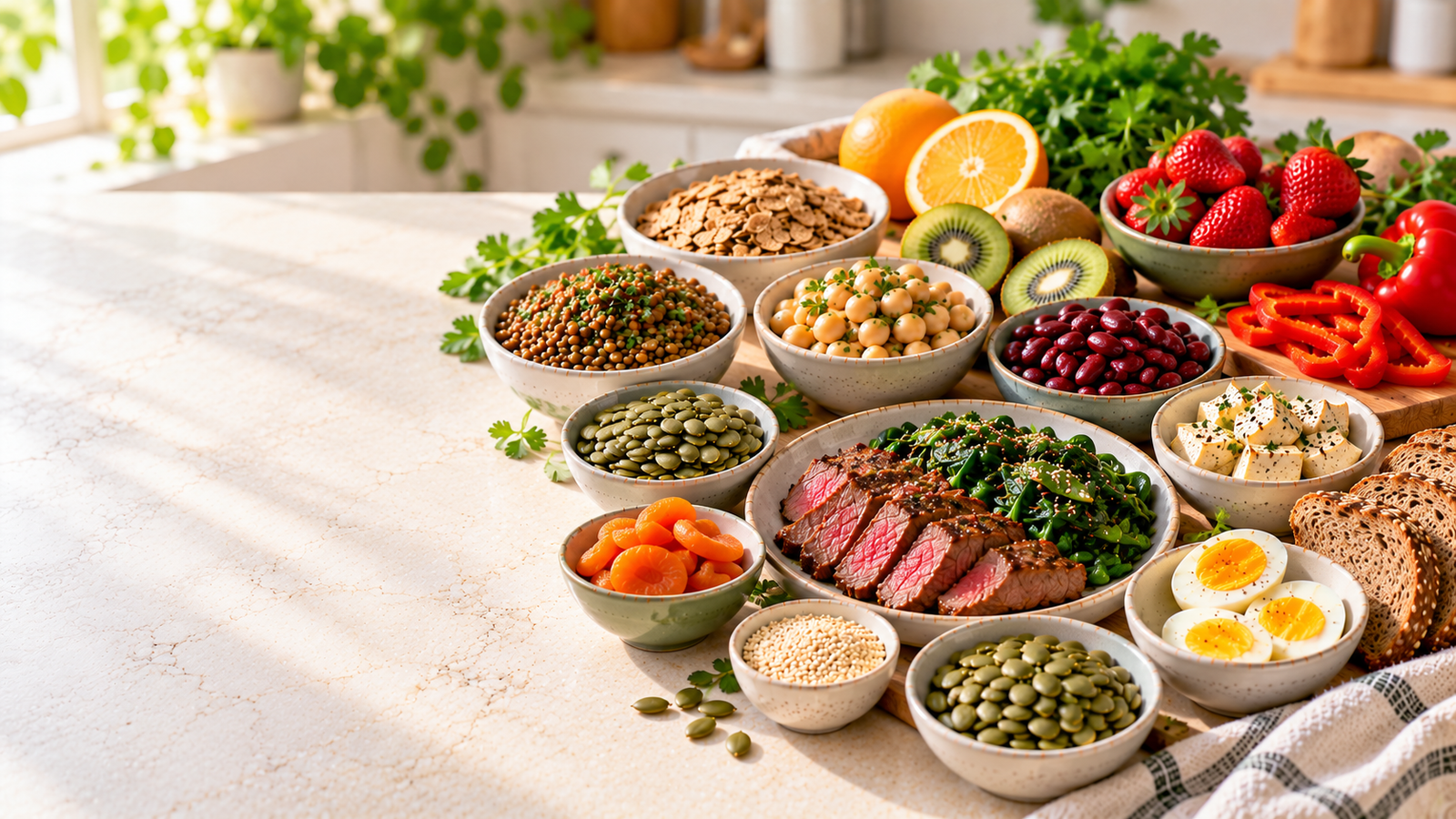
Iron is an essential mineral that helps your body produce hemoglobin, the protein in red blood cells that carries oxygen to tissues and organs. Getting enough iron supports normal energy metabolism, oxygen transport, and many other important body functions.
Women often need to pay particular attention to their iron intake because menstruation can increase iron losses, while pregnancy increases the body’s iron requirements. Heavy menstrual bleeding, restrictive diets, and certain medical conditions can raise the risk of iron deficiency.
Fortunately, a variety of everyday foods can help women obtain iron. Lentils, beans, leafy greens, seeds, fortified cereals, tofu, meat, and seafood are useful options, depending on your dietary preferences.
Choosing iron rich foods for women is not simply about eating more of one ingredient. It also involves understanding your daily needs, combining foods to improve iron absorption, and recognizing when symptoms may require medical attention.
Key Takeaways
- Iron supports hemoglobin production and oxygen transport throughout the body.
- Women who menstruate generally need more iron than adult men under U.S. dietary recommendations.
- Lentils, beans, tofu, seeds, fortified cereals, meat, and seafood can help increase iron intake.
- Vitamin C-rich foods can improve the absorption of non-heme iron from plant foods.
- Heavy menstrual bleeding, pregnancy, low dietary intake, and absorption problems can increase the risk of iron deficiency.
- Fatigue alone does not confirm low iron; blood tests may be needed.
- Iron supplements can help treat confirmed deficiency but should be used with appropriate medical guidance.
Why Is Iron Important for Women?
Iron has several important roles in the body, and inadequate iron intake can affect well-being in different ways.
1. Supports Healthy Red Blood Cells
Your body needs iron to make hemoglobin. When iron stores become depleted, hemoglobin production can eventually decline, leading to iron deficiency anemia.
Anemia can reduce the blood’s ability to transport oxygen effectively, potentially causing fatigue, weakness, and reduced exercise tolerance.
2. Helps Maintain Normal Energy Metabolism
Iron participates in processes that allow cells to use energy. When iron deficiency develops, some people experience persistent tiredness or find ordinary activities more difficult.
However, fatigue can have many causes, including sleep problems, thyroid conditions, infections, and other nutritional deficiencies.
3. Supports Normal Cognitive Function
Iron is involved in processes important for brain function. Significant iron deficiency may be associated with difficulty concentrating and other effects on mental performance.
4. Matters During Pregnancy
Iron requirements increase during pregnancy because the body produces more blood and supports the development of the baby and placenta. Meeting iron needs is an important part of prenatal nutrition.
Pregnant women should follow individualized prenatal nutrition advice because food alone may not always provide sufficient iron.
5. Helps Support Healthy Iron Stores
The body stores iron for future use. Regularly eating iron-containing foods helps maintain these stores, although dietary intake is only one factor: blood loss, absorption, inflammation, and individual health conditions also matter.
For more details, see the NIH Office of Dietary Supplements Iron Fact Sheet.
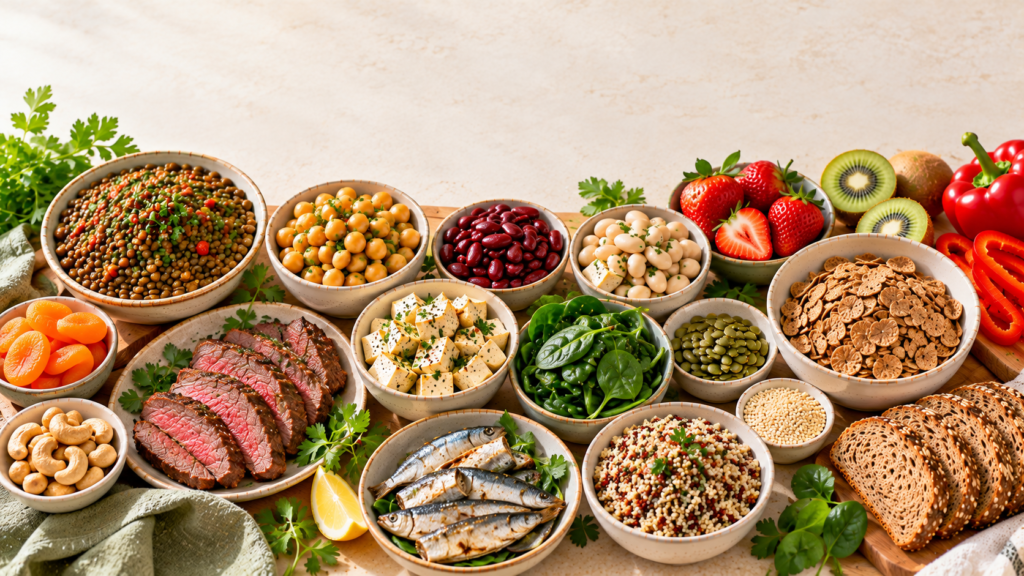
15 Best Iron Rich Foods for Women
The following foods offer practical ways to increase dietary iron. Their iron content varies according to portion size, preparation, food variety, and product formulation.
1. Lentils
Lentils are a useful source of non-heme iron, plant protein, fiber, and folate. They are also affordable and easy to incorporate into everyday meals.
How to eat them: Prepare lentil soup, dal, curry, or lentil salad. Pair lentils with tomatoes, lemon, or bell peppers to add vitamin C.
2. Chickpeas
Chickpeas provide iron, protein, and fiber, making them a versatile choice for women following vegetarian or plant-forward diets.
How to eat them: Add chickpeas to salads, curries, soups, or hummus. Combine them with tomatoes or fresh lemon juice.
3. Kidney Beans
Kidney beans contribute non-heme iron and fiber. They work well in a range of home-cooked meals.
How to eat them: Serve thoroughly cooked kidney beans with rice, vegetables, or tomato-based sauces.
4. White Beans
White beans, including navy beans and cannellini beans, can provide meaningful amounts of iron depending on the variety and serving size.
How to eat them: Blend them into soups, add them to salads, or cook them with spinach and tomatoes.
5. Lean Beef
Lean beef contains heme iron, which is generally more readily absorbed than non-heme iron from plant foods. It also provides protein and vitamin B12.
How to eat it: Include a moderate portion of lean beef in a balanced meal if you eat meat. You can also alternate it with beans, lentils, tofu, and other protein sources.
6. Sardines
Sardines provide heme iron along with protein and other nutrients. Their iron content varies by product and serving size.
How to eat them: Serve sardines with whole-grain bread, tomato salad, or cooked vegetables.
7. Tofu
Tofu is a useful source of plant protein and can contribute iron to vegetarian and vegan diets. Its mineral content differs among products.
How to eat it: Add tofu to stir-fries, vegetable curries, grain bowls, or wraps. Check the nutrition label to compare products.
8. Pumpkin Seeds
Pumpkin seeds are a convenient source of non-heme iron and other nutrients. A small serving can add variety to your diet.
How to eat them: Sprinkle pumpkin seeds over oatmeal, salads, or cooked vegetables, or enjoy them as a snack.
9. Sesame Seeds and Tahini
Sesame seeds contain iron, and tahini offers an easy way to include sesame in meals.
How to eat them: Add tahini to hummus, salad dressings, or sauces. Sprinkle sesame seeds over vegetables or grain dishes.
10. Spinach
Spinach provides non-heme iron, folate, and other nutrients. Although it is often promoted as an iron-rich vegetable, the iron in spinach is not absorbed as efficiently as heme iron from meat.
How to eat it: Cook spinach into lentils, soups, curries, or tofu dishes. Combine it with vitamin C-rich foods to improve non-heme iron absorption.
11. Iron-Fortified Breakfast Cereal
Some breakfast cereals contain added iron and can provide substantial amounts per serving. The amount depends on the product and serving size.
How to eat them: Check the nutrition label and enjoy fortified cereal with strawberries, kiwi, or another vitamin C-rich fruit.
12. Quinoa
Quinoa contributes non-heme iron, protein, and other nutrients. It can help add variety to vegetarian meals.
How to eat it: Serve quinoa with beans, tofu, roasted vegetables, or a chickpea salad.
13. Oats
Oats provide some iron along with fiber and complex carbohydrates. Fortification and serving size can affect their iron contribution.
How to eat them: Prepare oatmeal with pumpkin seeds and fruit, or use oats in homemade savory patties.
14. Dried Apricots
Dried apricots contain some non-heme iron and can be a convenient snack. Because water has been removed, their natural sugars and nutrients are more concentrated than in fresh apricots.
How to eat them: Add a modest portion to oatmeal or trail mix, or combine them with seeds and fresh fruit.
15. Cashews
Cashews contribute iron, protein, and unsaturated fats. They are a useful addition to a varied diet, although they should not be your only iron source.
How to eat them: Enjoy a small handful, add chopped cashews to vegetable curries, or use them in sauces.
Iron-Rich Foods Chart for Women
Use this chart to compare common sources and find options that fit your eating preferences.
| Food | Type of Iron | Practical Serving Guide |
|---|---|---|
| Lentils | Non-heme | 1 cup cooked |
| Chickpeas | Non-heme | 1 cup cooked |
| Kidney beans | Non-heme | 1 cup cooked |
| White beans | Non-heme | 1 cup cooked |
| Lean beef | Heme | A moderate cooked portion |
| Sardines | Heme | Check the product serving size |
| Tofu | Non-heme | Check the package nutrition label |
| Pumpkin seeds | Non-heme | About 28 g |
| Sesame seeds | Non-heme | Sprinkle over meals |
| Spinach | Non-heme | 1 cup cooked |
| Fortified cereal | Added iron | Use the labeled serving |
| Quinoa | Non-heme | 1 cup cooked |
| Oats | Non-heme | Check the serving and fortification |
| Dried apricots | Non-heme | A small handful |
| Cashews | Non-heme | About 28 g |
The table provides practical portion examples rather than exact iron amounts. For accurate milligram values, consult the package label or a reliable food-composition database such as USDA FoodData Central.
Remember that the amount of iron in food and the amount your body absorbs are not the same. Iron absorption depends on the form of iron, meal composition, and your individual iron status.
How Much Iron Do Women Need Per Day?
Iron needs vary with age, menstruation, pregnancy, and breastfeeding. The following values are U.S. dietary reference recommendations.
| Life Stage | Recommended Daily Iron |
|---|---|
| Teen girls, ages 14–18 | 15 mg |
| Adult women, ages 19–50 | 18 mg |
| Adults aged 51 and older | 8 mg |
| Pregnancy, teens and adults | 27 mg |
| Breastfeeding teens | 10 mg |
| Breastfeeding adults | 9 mg |
These are general reference values, not personalized prescriptions. Needs may differ for women with heavy menstrual bleeding, diagnosed iron deficiency, certain medical conditions, or specific dietary circumstances.
Vegetarian women may need to plan for a higher intake because non-heme iron is less readily absorbed than heme iron. A healthcare professional or registered dietitian can help assess individual needs.
How Much Iron Do You Need Per Day?
How to Improve Iron Absorption From Food
Eating iron-rich foods regularly is important, but the way you combine foods can also influence absorption.
1. Pair Iron With Vitamin C
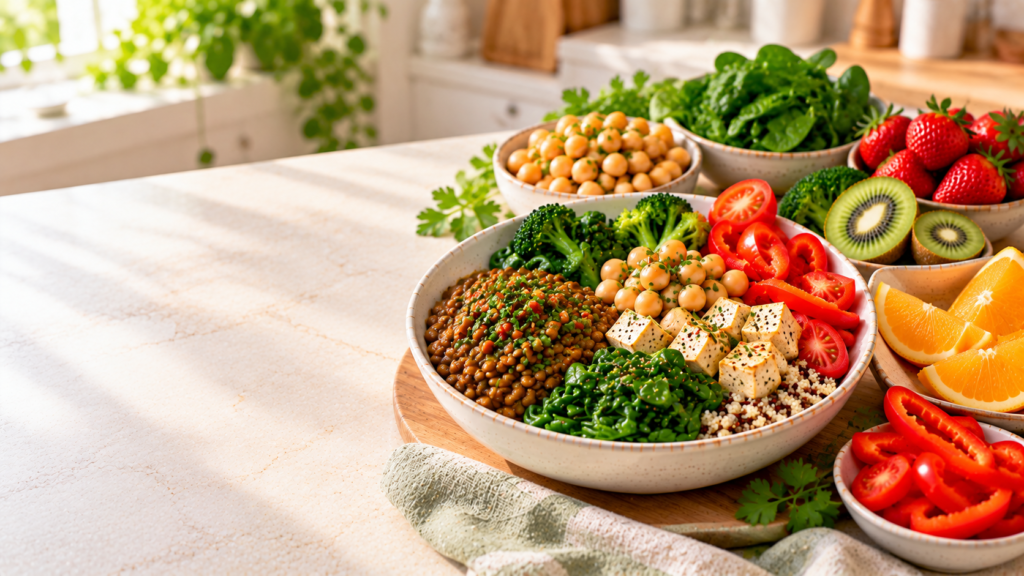
Vitamin C improves the absorption of non-heme iron found in beans, lentils, tofu, seeds, and fortified grains.
Good vitamin C sources include:
- Guava
- Oranges and other citrus fruits
- Kiwi
- Strawberries
- Tomatoes
- Red and green bell peppers
- Broccoli
Easy food combinations:
- Lentil curry with tomato salad
- Chickpeas with lemon dressing
- Fortified cereal with strawberries
- Tofu stir-fry with broccoli and bell peppers
- Beans served with tomatoes and fresh herbs
You do not need a special supplement to benefit from this strategy. Including vitamin C-rich foods in meals is a simple starting point.
2. Be Mindful of Tea and Coffee
Tea and coffee contain compounds that can reduce non-heme iron absorption when consumed with meals. If you have low iron stores or are at increased risk of deficiency, try drinking tea and coffee between meals rather than alongside your main iron-containing meal.
You do not necessarily need to eliminate these drinks. Timing may be a useful adjustment.
3. Include Legumes Regularly
Lentils, beans, and chickpeas are versatile sources of iron and plant protein. Rotate them through soups, curries, salads, and grain bowls to increase dietary variety.
4. Choose Fortified Foods Carefully
Iron-fortified cereals and other fortified products can help meet daily needs. Compare labels because iron amounts vary considerably between brands.
5. Do Not Rely on Spinach Alone
Spinach can contribute iron, but its iron is not as readily absorbed as heme iron. Include several iron sources, such as legumes, tofu, seeds, fortified cereals, and other foods that fit your diet.
6. Prepare Plant Foods in Different Ways
Soaking, sprouting, and fermenting certain grains and legumes can reduce phytate levels, which may improve mineral availability. These methods can be useful, but they are not required for every meal.
For further information, read the NIH Iron Fact Sheet for Consumers.
Iron Needs During Menstruation and Pregnancy
Certain stages of life can increase iron requirements or iron losses. Understanding these changes can help women make informed food choices.
Iron and Menstruation
Menstruation causes iron loss, and heavy menstrual bleeding can increase the risk of iron deficiency. Women who experience prolonged or unusually heavy periods, persistent fatigue, or dizziness should seek medical advice.
If heavy bleeding is the underlying cause, improving diet may help support iron intake but may not be enough to resolve the problem. A healthcare professional can assess bleeding, order appropriate tests, and discuss treatment options.
Iron During Pregnancy
Iron requirements rise during pregnancy because the body needs to support increased blood production and fetal development.
Pregnant women should discuss iron intake and prenatal supplements with their maternity care provider. Do not start high-dose iron independently, because the right approach depends on individual needs and test results.
Iron While Breastfeeding
The recommended daily iron intake is generally lower during breastfeeding than during pregnancy under U.S. dietary reference recommendations. Individual needs can still vary depending on blood loss, recovery after birth, diet, and medical history.
Follow personalized postpartum nutrition guidance if you have symptoms or concerns about low iron.
Signs of Iron Deficiency in Women
Iron deficiency can develop gradually, and early deficiency may not cause noticeable symptoms. When symptoms do appear, they may include:
- Persistent fatigue or low energy
- Weakness or reduced exercise tolerance
- Dizziness or headaches
- Pale skin
- Shortness of breath during ordinary activities
- Brittle nails
- Unusual cravings for non-food items, such as ice
- Difficulty concentrating
These symptoms can have many causes and cannot confirm iron deficiency on their own.
How Is Iron Deficiency Diagnosed?
A healthcare professional may recommend a complete blood count to assess hemoglobin and red blood cells. A ferritin test can help evaluate iron stores, although ferritin can be affected by inflammation and must be interpreted in context.
If iron deficiency is confirmed, the cause should also be investigated. Heavy menstrual bleeding, inadequate dietary intake, gastrointestinal blood loss, and absorption problems may require different approaches.
Seek prompt medical attention for severe breathlessness, chest pain, fainting, or significant bleeding.
Iron Deficiency: Signs, Causes and Food Sources
Can Iron Supplements Help Women With Low Iron?
Iron supplements can be effective when iron deficiency has been confirmed and supplementation is appropriate. However, not every woman needs an iron supplement, and fatigue alone is not a reason to take high doses.
A healthcare professional can recommend the right dose, formulation, and duration based on test results and the underlying cause.
Keep these precautions in mind:
- Avoid high-dose iron supplements without medical guidance.
- Follow the recommended treatment schedule if a supplement is prescribed.
- Tell your healthcare professional about medications and other supplements you take.
- Keep iron supplements out of children’s reach because accidental overdose can be life-threatening.
- Attend follow-up appointments to check whether treatment is working.
Dietary changes can support long-term iron intake, but confirmed deficiency caused by heavy blood loss or poor absorption may require additional treatment.
A Simple One-Day Meal Plan Featuring Iron-Rich Foods
The following example shows how iron-containing foods can fit into a balanced day. Exact iron intake depends on portions, recipes, and the products you choose.
| Meal | Example | Iron-Supporting Feature |
|---|---|---|
| Breakfast | Fortified cereal with strawberries | Added iron paired with vitamin C |
| Morning snack | Pumpkin seeds and an orange | Iron-containing seeds and fruit |
| Lunch | Lentil curry, brown rice, and tomato salad | Plant iron with vitamin C-rich vegetables |
| Afternoon snack | Hummus with red bell pepper strips | Chickpeas paired with vitamin C |
| Dinner | Tofu and bean stir-fry with broccoli and quinoa | Multiple plant-based iron sources |
You do not need to eat every food on this list daily. The aim is to build a varied, balanced eating pattern that fits your preferences and nutritional requirements.
Frequently Asked Questions About Iron Rich Foods for Women
What are the best iron rich foods for women?
Lentils, chickpeas, kidney beans, tofu, pumpkin seeds, fortified cereals, spinach, meat, and seafood are useful iron sources. The best choices depend on your dietary preferences, serving sizes, and individual needs.
Which foods are high in iron for women with heavy periods?
Legumes, tofu, seeds, fortified cereals, meat, and seafood can help increase iron intake. Women with heavy periods may need medical evaluation and blood tests because dietary changes alone may not replace ongoing iron losses.
How much iron does a woman need per day?
Under U.S. dietary reference recommendations, adult women aged 19–50 generally need 18 mg daily, adults aged 51 and older need 8 mg, and pregnant adults need 27 mg. Individual requirements may differ.
Can women get enough iron from vegetarian foods?
Yes. Lentils, beans, tofu, seeds, whole grains, and fortified products can provide iron. Pairing these foods with vitamin C-rich produce can improve non-heme iron absorption.
Do iron rich foods help with fatigue?
Iron-rich foods help provide iron needed for normal hemoglobin production. However, fatigue has many causes. If low iron is responsible, treatment may involve dietary changes, supplements, or investigation of an underlying condition.
What fruits contain iron?
Dried apricots, raisins, and some other dried fruits provide modest amounts of non-heme iron. Fruits such as guava, oranges, kiwi, and strawberries are especially useful for their vitamin C, which helps the body absorb iron from plant foods.
Should women take iron supplements every day?
Not all women need daily iron supplements. Supplementation depends on factors such as iron status, pregnancy, blood loss, and medical advice. High-dose iron should not be taken unnecessarily.
Can iron deficiency occur even if I eat iron-rich foods?
Yes. Iron deficiency can occur despite adequate dietary intake if there is ongoing blood loss, poor absorption, or increased iron requirements. Medical assessment can help identify the reason.
Conclusion
Choosing the right iron rich foods for women can help support healthy iron intake at every stage of life. Lentils, beans, tofu, seeds, fortified cereals, leafy greens, meat, and seafood provide practical options for different dietary preferences.
To get more from plant-based iron sources, combine them with vitamin C-rich foods such as guava, citrus fruits, tomatoes, strawberries, and bell peppers. Pay particular attention to iron needs during menstruation and pregnancy, and choose a varied diet rather than relying on a single food.
Most importantly, do not assume that persistent fatigue or dizziness is simply a sign of low iron. If you are concerned about deficiency, seek medical advice and appropriate testing. With informed food choices and treatment when needed, you can better support your iron intake and overall well-being.
1 thought on “Iron Rich Foods for Women: Foods to Know”