Vitamin E benefits are closely linked to its role as an antioxidant and its contribution to normal immune function. This fat-soluble nutrient helps protect cells from oxidative damage and supports several essential processes throughout the body.
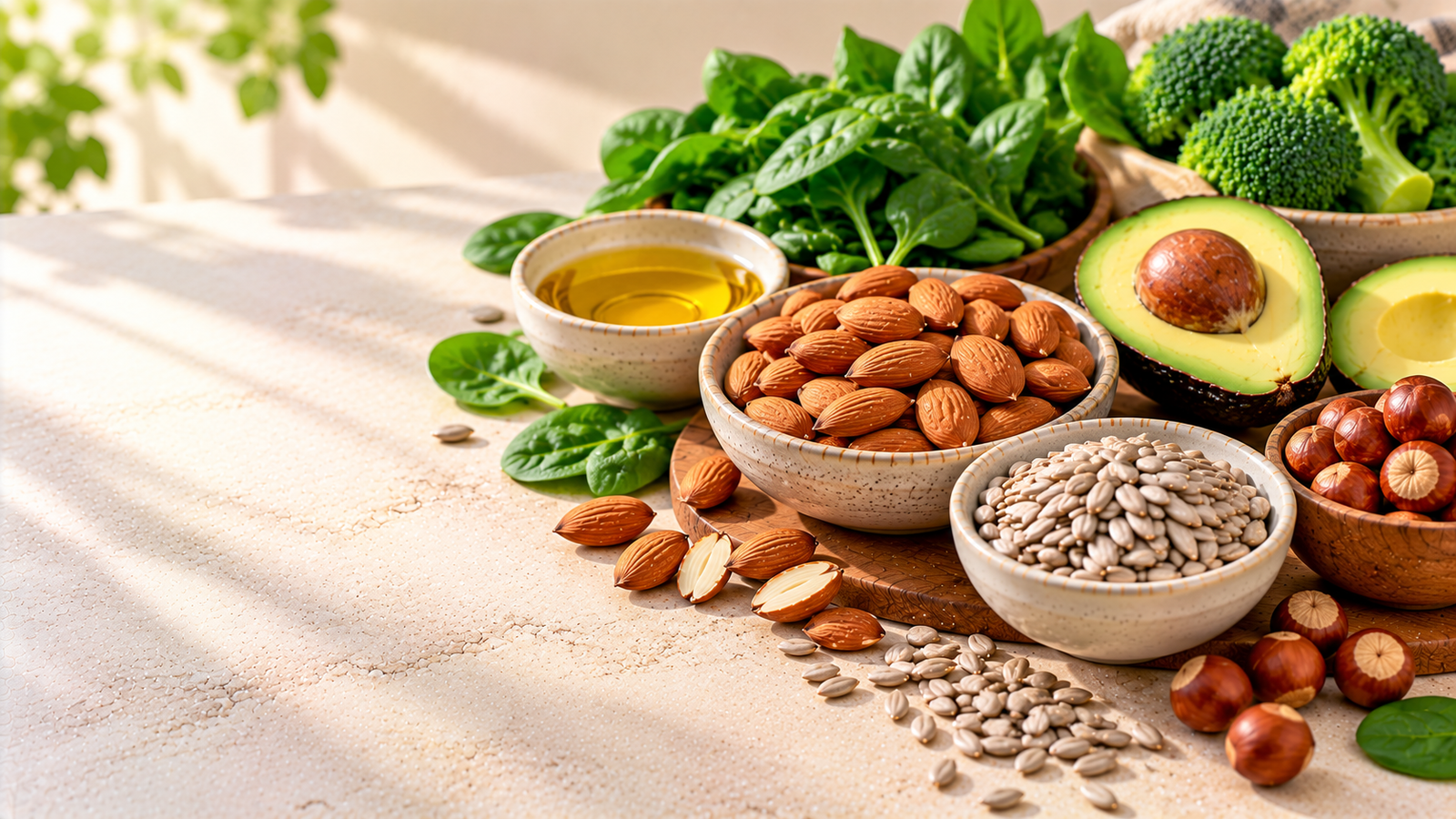
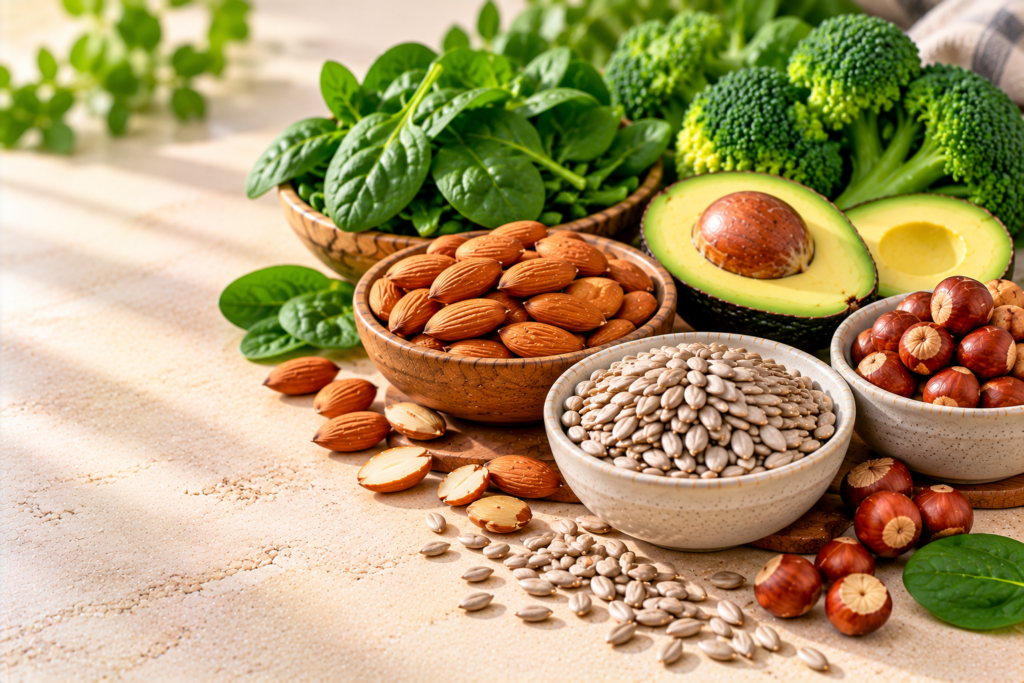
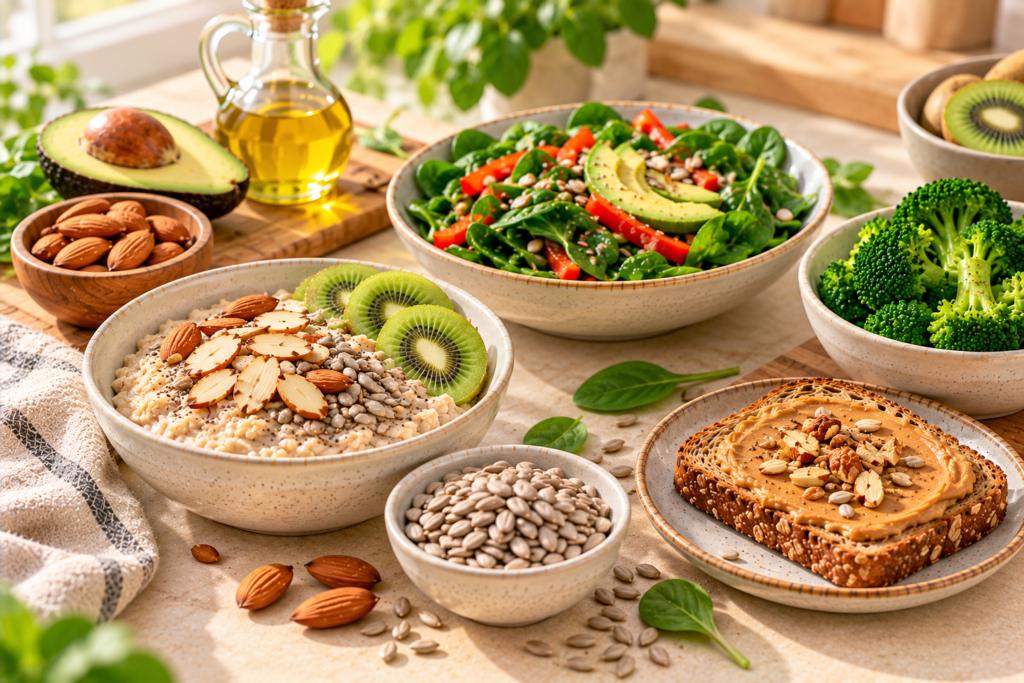
Vitamin E is found in foods such as almonds, sunflower seeds, vegetable oils, spinach, and avocado. For most healthy people, a varied diet can provide the vitamin E needed for normal health. However, understanding what this nutrient actually does—and what it cannot promise—is important when evaluating claims about skin health, aging, immunity, and supplements.
In this guide, you will learn about the main benefits of vitamin E, its role in the body, recommended daily intake, food sources, deficiency risks, and precautions to know before using supplements.
Most Important Points
- Antioxidant protection: Vitamin E helps protect cell membranes from oxidative damage.
- Immune function: Adequate vitamin E supports normal immune responses.
- Cell health: It contributes to the normal functioning of cells throughout the body.
- Skin health: Vitamin E is important for normal skin function, but it is not a guaranteed treatment for wrinkles, acne, or scars.
- Food first: Nuts, seeds, and certain plant oils are particularly useful dietary sources.
- Daily needs: Most adults need 15 mg of vitamin E per day under US dietary reference recommendations.
- Supplement caution: High-dose supplements can cause harm and interact with certain medications.
What Is Vitamin E?
Vitamin E is a group of fat-soluble compounds with antioxidant activity. The form recognized as meeting human vitamin E requirements is called alpha-tocopherol.
Because vitamin E dissolves in fat, the body absorbs it along with dietary fats. It is transported through the body and helps protect cell membranes from oxidative damage.
Vitamin E is not a stimulant, a quick energy booster, or a cure for disease. Its role is to support normal biological functions as part of an overall healthy diet.
Why does your body need vitamin E?
Vitamin E is important for:
- Protecting cells against oxidative damage.
- Supporting normal immune function.
- Helping maintain healthy cell membranes.
- Supporting normal neurological and muscular function.
- Contributing to overall nutritional adequacy.
Vitamin E works alongside other nutrients and the body’s own antioxidant systems. Getting enough is important, but taking more than you need does not automatically produce additional health benefits.
8 Important Vitamin E Benefits for Your Health
The benefits of vitamin E are best understood in terms of the nutrient’s established biological roles. Some popular claims about vitamin E go beyond what research has demonstrated, so it is important to distinguish normal nutrient functions from proven treatments.
1. Provides antioxidant protection
One of the most important vitamin E benefits is its antioxidant activity. Normal body processes and environmental exposures can produce free radicals, unstable molecules that can damage cells when they accumulate excessively.
Vitamin E helps protect fats in cell membranes from oxidation. This function is particularly relevant because cell membranes contain fatty components that are vulnerable to oxidative damage.
Practical tip: Include vitamin E sources such as almonds, sunflower seeds, and suitable vegetable oils as part of a balanced eating pattern. Antioxidant protection does not mean vitamin E prevents every disease.
2. Supports normal immune function
Vitamin E contributes to the normal functioning of the immune system. Adequate intake helps support the body’s natural defenses and the activity of immune cells.
However, taking extra vitamin E does not automatically strengthen immunity beyond normal function or guarantee protection from infections. Research on vitamin E supplements and infection outcomes has produced mixed results.
Practical tip: Meet your nutritional needs through a varied diet rather than relying on high-dose supplements to prevent illness.
3. Helps maintain healthy skin
Vitamin E is present in the skin and contributes to protecting cell membranes against oxidative damage. It is also commonly used in skincare products.
Still, the evidence does not establish that eating more vitamin E will reliably eliminate wrinkles, clear acne, fade scars, or reverse skin aging. Topical vitamin E products can also cause irritation or contact dermatitis in some people.
Practical tip: Support skin health with balanced nutrition, sun protection, gentle skincare, and adequate hydration. Treat persistent skin problems according to professional advice.
4. Supports normal eye health
The eyes are exposed to light and oxygen and contain tissues that are susceptible to oxidative stress. Vitamin E contributes to the body’s antioxidant defenses, including in eye tissues.
That does not mean vitamin E alone prevents cataracts, age-related macular degeneration, or other eye conditions. Evidence for particular antioxidant combinations in specific eye diseases should not be generalized to ordinary vitamin E supplements for everyone.
Practical tip: Eat a varied diet containing nuts, seeds, leafy vegetables, and other nutrient-rich foods, and follow recommended eye examinations.
5. Helps protect cell membranes
Cell membranes regulate what enters and leaves cells and help cells communicate with their surroundings. Because these membranes contain fats, they can be affected by oxidation.
Vitamin E helps limit the chain reactions that can damage membrane fats. This is a central function of the nutrient, rather than a claim that vitamin E repairs all damaged cells or reverses aging.
Practical tip: Regularly include vitamin E rich foods alongside other sources of essential nutrients.
6. Contributes to normal nerve and muscle function
Vitamin E is essential for normal neurological and muscular function. Severe deficiency can affect nerves and muscles, potentially causing coordination difficulties, muscle weakness, or other neurological problems.
These effects are uncommon in healthy people who absorb dietary fat normally. Deficiency is more likely in certain inherited disorders or conditions that interfere with fat absorption.
Practical tip: If you have persistent weakness, balance problems, or numbness, seek medical assessment instead of assuming you need a vitamin E supplement.
7. Helps meet nutritional needs during healthy aging
As people age, maintaining a balanced diet becomes increasingly important. Vitamin E contributes to normal immune and cellular functions throughout adulthood.
However, there is no strong basis for claiming that high-dose vitamin E supplements universally slow aging, prevent dementia, or extend lifespan. Meeting nutritional needs is not the same as taking extra amounts for additional protection.
Practical tip: Build meals around vegetables, fruit, whole grains, suitable protein sources, nuts, and seeds, adapting portions to your individual needs.
8. Supports overall nutritional balance
Vitamin E rich foods often provide other useful nutrients too. Almonds contain fiber and unsaturated fats, sunflower seeds supply several minerals, and spinach provides folate and vitamin K.
These combinations make whole foods useful components of a varied diet. Their overall nutritional value is more meaningful than focusing on a single vitamin in isolation.
Practical tip: Rotate your food choices across the week so you benefit from a range of nutrients instead of depending on one food or supplement.
Vitamin E Benefits for Skin: What Should You Know?
Vitamin E is often promoted as a beauty nutrient, but its role needs to be explained carefully.
Does vitamin E help with dry skin?
Vitamin E is involved in normal skin function, and some topical products containing it may help support the skin barrier. The effect depends on the product formulation and the person’s skin.
For dry skin, a suitable moisturizer and gentle cleansing routine may be more directly helpful than increasing dietary vitamin E alone.
Can vitamin E reduce wrinkles?
Vitamin E has antioxidant properties, but that does not prove that eating more of it reduces wrinkles. Skin aging is influenced by multiple factors, including age, genetics, sun exposure, and smoking.
Use broad-spectrum sunscreen and a suitable skincare routine rather than relying on vitamin E as an anti-aging treatment.
Is vitamin E oil good for scars?
Evidence that topical vitamin E reliably improves scars is limited. Some people experience irritation or contact dermatitis when applying vitamin E oil, and it may not improve the appearance of a scar.
For a raised, painful, or persistent scar, consult a dermatologist about evidence-based options.
Vitamin E Benefits for Women and Men
Vitamin E performs the same essential biological roles in women and men. Its importance depends on meeting nutritional requirements, not on gender-specific claims about beauty, fertility, or athletic performance.
- For women: Vitamin E supports normal cell and immune function. During pregnancy and breastfeeding, nutritional requirements should be met with appropriate dietary planning and professional guidance.
- For men: Vitamin E contributes to normal antioxidant defenses and cellular function. It should not be promoted as a proven testosterone booster or fertility treatment.
- For adults of all genders: Adequate vitamin E intake helps prevent deficiency, while additional supplementation is not automatically beneficial.
Best Vitamin E Rich Foods to Include in Your Diet
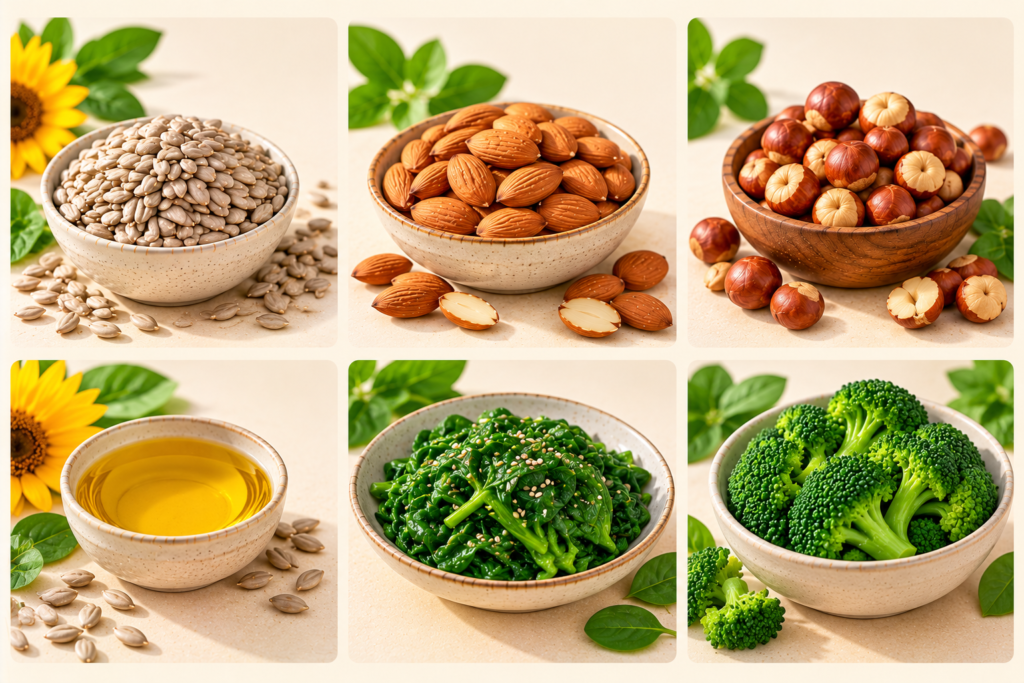
Food is a practical starting point for getting vitamin E. Nuts, seeds, and some plant oils are especially concentrated sources, while vegetables and fruit provide smaller amounts alongside other nutrients.
| Food | Why it is useful |
|---|---|
| Almonds | Convenient snack containing vitamin E, fiber, and unsaturated fats |
| Sunflower seeds | Concentrated source of vitamin E |
| Hazelnuts | Provide vitamin E and unsaturated fats |
| Sunflower oil | Useful source when used in suitable cooking applications |
| Wheat germ oil | Very concentrated source; check storage and use instructions |
| Spinach | Provides vitamin E alongside folate and other nutrients |
| Broccoli | Adds vitamin E, fiber, and vitamin C |
| Avocado | Provides unsaturated fats and some vitamin E |
| Peanuts and peanut butter | Convenient sources of vitamin E and other nutrients |
| Fortified cereals | May provide added vitamin E, depending on the product |
How Much Vitamin E Do You Need Daily?
The recommended dietary allowance (RDA) for vitamin E varies by age and life stage. The following values are based on US National Institutes of Health guidance.
| Age or life stage | Recommended daily intake |
|---|---|
| Infants, 0–6 months | 4 mg |
| Infants, 7–12 months | 5 mg |
| Children, 1–3 years | 6 mg |
| Children, 4–8 years | 7 mg |
| Children, 9–13 years | 11 mg |
| Teens, 14–18 years | 15 mg |
| Adults, 19 years and older | 15 mg |
| Pregnancy | 15 mg |
| Breastfeeding | 19 mg |
These values refer to alpha-tocopherol. Individual medical circumstances may require professional guidance.
How can you meet your daily vitamin E needs?
Try adding a small serving of almonds or sunflower seeds to breakfast, using an appropriate plant oil in meals, and including leafy green vegetables regularly.
You do not need to eat every food on the list daily. The goal is to build a varied eating pattern that provides enough vitamin E over time.
Vitamin E Deficiency: Signs and Risk Factors
Vitamin E deficiency is uncommon in healthy people who eat a varied diet. When it occurs, it is often associated with conditions that interfere with fat absorption or certain inherited disorders.
Possible symptoms of deficiency
Severe or prolonged deficiency can cause:
- Muscle weakness.
- Problems with balance or coordination.
- Numbness or tingling related to nerve damage.
- Impaired muscle function.
- Vision or other neurological problems in serious cases.
These symptoms can have many causes and do not establish a vitamin E deficiency on their own. A healthcare professional can assess symptoms and determine whether testing is appropriate.
Who may be at greater risk?
People with certain fat-malabsorption conditions, some inherited disorders, or other medical circumstances affecting nutrient absorption may be at higher risk. If you have a condition that affects digestion or absorption, ask your clinician whether your vitamin levels need monitoring.
Vitamin E Supplements: Benefits, Risks, and Precautions
Vitamin E supplements can be useful for specific nutritional or medical needs, but they are not necessary for everyone.
Are vitamin E supplements better than food?
Not generally. Foods provide vitamin E together with other nutrients, and most healthy people can meet their needs through a balanced diet.
Supplements may be recommended in certain deficiency states or medical conditions. Their value depends on the person’s needs, dose, and clinical circumstances.
Can taking too much vitamin E be harmful?
Yes. High-dose vitamin E supplements can increase bleeding risk, including the risk of serious bleeding. They may interact with anticoagulant and antiplatelet medications and may be inappropriate in some treatment situations.
Before taking a vitamin E supplement, consult a qualified healthcare professional if you:
- Take blood-thinning medication.
- Have a bleeding disorder.
- Are preparing for surgery.
- Are receiving chemotherapy or radiation therapy.
- Have a medical condition affecting nutrient absorption.
Do not start a high-dose supplement simply to improve skin, prevent aging, or boost immunity. More vitamin E does not necessarily mean more health benefits.
Simple Ways to Get More Vitamin E Every Day
You can incorporate vitamin E into meals without following a complicated diet.
| Meal | Simple idea |
|---|---|
| Breakfast | Oatmeal topped with almonds and fruit |
| Morning snack | A small handful of sunflower seeds |
| Lunch | Spinach and avocado salad with a suitable dressing |
| Afternoon snack | Whole-grain toast with peanut butter |
| Dinner | Broccoli alongside a balanced meal |
| Optional addition | Fortified cereal, if its label lists vitamin E |
Choose portions that suit your energy needs, budget, allergies, and preferences. Nuts, seeds, and oils are nutritious but calorie-dense, so moderate portions can be useful.
Internal and External Linking Opportunities
Add these links when publishing the article:
- Vitamin E Rich Foods — Complete Food Guide
- Vitamin C Benefits and Food Sources
- NIH Vitamin E Fact Sheet for Health Professionals
Replace the internal placeholders with actual URLs from your website. The NIH source provides authoritative information about vitamin E functions, dietary recommendations, deficiency, and supplement safety.
Frequently Asked Questions About Vitamin E Benefits
1. What are the main benefits of vitamin E?
Vitamin E acts as an antioxidant, supports normal immune function, and helps maintain cell membranes. Adequate intake is also important for normal nerve and muscle function.
2. What does vitamin E do for your skin?
Vitamin E contributes to normal skin function and antioxidant protection. However, it is not a guaranteed treatment for acne, wrinkles, or scars, and topical products may irritate some people’s skin.
3. Can vitamin E help your immune system?
Vitamin E is necessary for normal immune function. However, taking extra vitamin E has not been shown to reliably prevent infections in everyone.
4. Which foods provide the most vitamin E?
Wheat germ oil, sunflower seeds, almonds, hazelnuts, and certain vegetable oils are concentrated sources. Spinach, broccoli, and avocado can also contribute to your intake.
5. How much vitamin E should adults take daily?
The US RDA for adults aged 19 and older is 15 mg of alpha-tocopherol per day. This includes vitamin E from the overall diet; it is not a recommendation to take a 15 mg supplement.
6. Can vitamin E supplements prevent aging?
There is not sufficient evidence to recommend high-dose vitamin E supplements as a general anti-aging treatment. A balanced diet, sun protection, physical activity, and other healthy habits are more appropriate foundations for long-term health.
7. What happens if you do not get enough vitamin E?
Severe deficiency can affect nerves, muscles, coordination, and vision. Deficiency is uncommon in healthy people but can occur with certain conditions that interfere with fat absorption.
8. Is it safe to take vitamin E every day?
Getting vitamin E from food is generally safe. Supplements may be appropriate for some people, but high doses can increase bleeding risk and interact with medications. Ask a healthcare professional before using high-dose supplements.
Conclusion: Why Vitamin E Matters
The most important vitamin E benefits come from its role in antioxidant protection, normal immune function, and maintaining healthy cells. This essential nutrient also supports normal nerve and muscle function, making adequate intake an important part of a balanced diet.
For most people, the best approach is straightforward: eat a variety of vitamin E rich foods, including almonds, sunflower seeds, suitable plant oils, spinach, broccoli, and avocado. These foods offer vitamin E alongside other valuable nutrients.
Remember that more is not always better. High-dose supplements are not a shortcut to younger-looking skin, stronger immunity, or disease prevention, and they can carry risks. Focus on meeting your nutritional needs through food and seek professional advice if you suspect a deficiency or are considering supplementation.
2 thoughts on “Vitamin E Benefits: Why This Vitamin Matters”