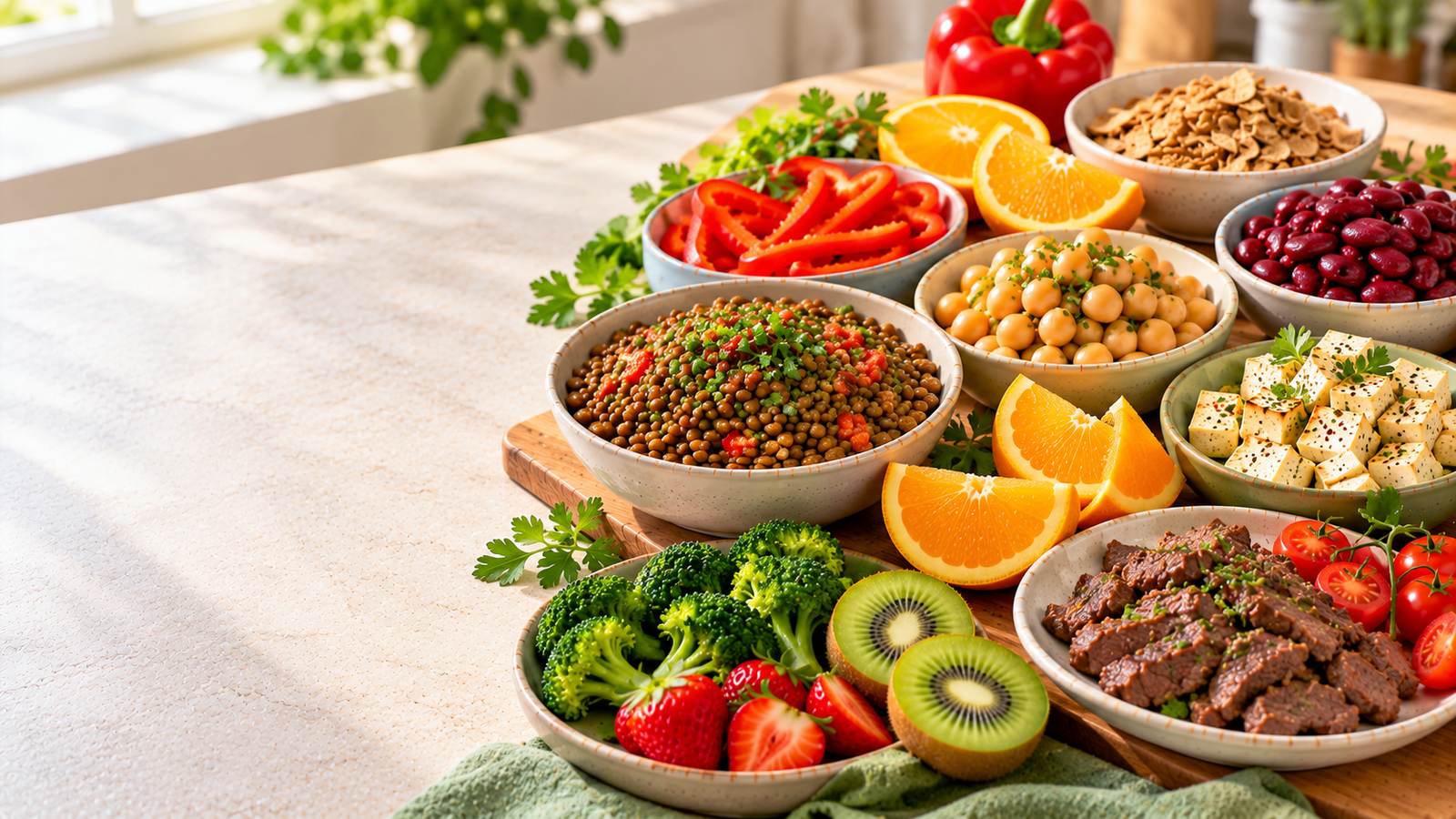
Iron and vitamin C are two important nutrients that work together in a particularly useful way: vitamin C helps your body absorb more iron from plant-based foods. Combining the right ingredients can make everyday meals more effective at supplying iron, especially if you eat a vegetarian or vegan diet.
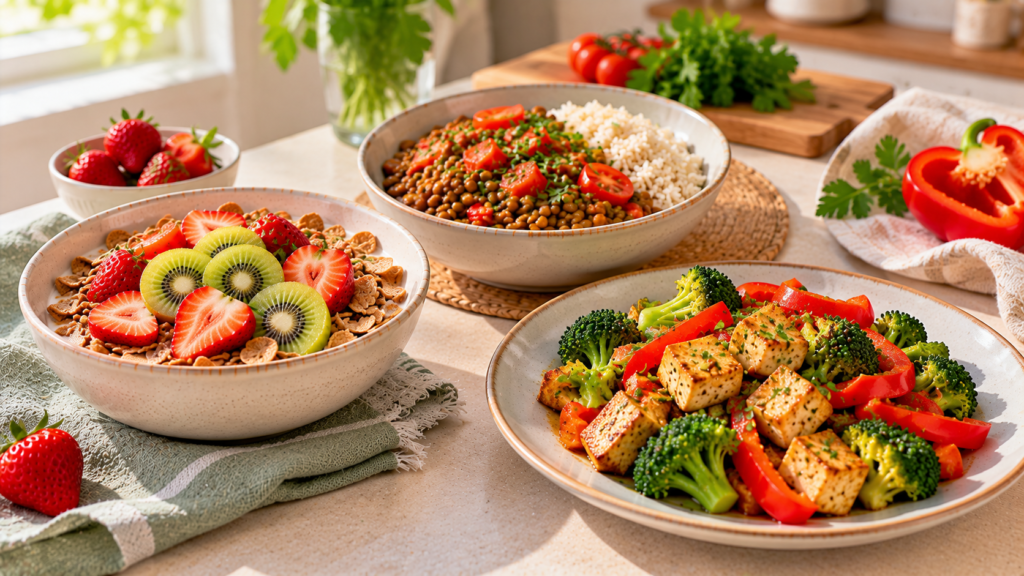
For example, serving lentils with tomatoes, adding bell peppers to a bean salad, or eating strawberries alongside iron-fortified cereal can help improve the absorption of non-heme iron. These simple combinations make it easier to get more nutritional value from foods you already enjoy.
Understanding how iron and vitamin C interact can be helpful for anyone planning balanced meals, including people who eat mostly plant-based foods. However, food combinations are only one part of maintaining healthy iron levels. Your overall diet, iron requirements, and individual health also matter.
Key Takeaways
- Vitamin C helps the body absorb non-heme iron found in plant foods and fortified products.
- Lentils with tomatoes, beans with bell peppers, and iron-fortified cereal with strawberries are useful food combinations.
- Meat, poultry, and seafood provide heme iron, which is generally absorbed more efficiently than non-heme iron.
- Eating a varied diet is more useful than relying on one particular food pairing.
- Tea and coffee consumed with meals can reduce non-heme iron absorption.
- Food combinations can support iron intake, but diagnosed iron deficiency may require professional assessment and treatment.
How Do Iron and Vitamin C Work Together?
Iron helps the body make hemoglobin, a protein in red blood cells that carries oxygen throughout the body. It also supports normal energy metabolism and other essential functions.
Vitamin C, also called ascorbic acid, is needed for collagen production, wound healing, immune function, and antioxidant activity. It also has an important role in dietary iron absorption.
Vitamin C Helps Absorb Non-Heme Iron
Dietary iron comes in two main forms:
- Heme iron: Found in animal foods such as meat, poultry, and seafood.
- Non-heme iron: Found in beans, lentils, tofu, seeds, vegetables, grains, and iron-fortified foods.
Vitamin C helps the body absorb non-heme iron by changing its chemical form and keeping it more available for absorption in the digestive tract.
This is especially relevant for vegetarians and vegans because most of their dietary iron comes from non-heme sources.
Does Vitamin C Increase Iron From Every Food?
Vitamin C’s clearest dietary benefit is improving non-heme iron absorption. It is not necessary to pair every serving of meat or seafood with a vitamin C source, although fruits and vegetables can still contribute valuable nutrients to the meal.
The goal is to include a variety of foods and make sensible combinations rather than follow strict food-pairing rules.
Best Iron and Vitamin C Foods to Eat Together
The easiest way to apply this nutritional principle is to combine an iron source with a vitamin C-rich ingredient at the same meal.
Iron and Vitamin C Food Combination Chart
| Iron-rich food | Vitamin C-rich pairing | Easy meal idea |
|---|---|---|
| Lentils | Tomatoes | Lentil curry with tomato |
| Chickpeas | Red bell peppers | Chickpea and pepper salad |
| Kidney beans | Tomatoes | Bean chili with tomato sauce |
| Black beans | Bell peppers | Black bean wrap with peppers |
| Tofu | Broccoli | Tofu and broccoli stir-fry |
| Iron-fortified cereal | Strawberries | Fortified cereal topped with strawberries |
| Oatmeal | Kiwi | Oatmeal with sliced kiwi |
| Spinach | Red bell peppers | Spinach and pepper omelet |
| Quinoa | Broccoli | Quinoa bowl with broccoli |
| Pumpkin seeds | Strawberries | Oatmeal with ground pumpkin seeds and strawberries |
| Hummus | Red bell peppers | Hummus with suitable pepper strips |
| Peas | Lemon juice | Peas with a little lemon juice |
| Iron-fortified bread | Tomatoes | Toast with tomato topping |
| Lentil soup | Lemon juice | Lentil soup finished with lemon |
| Beans | Orange segments | Bean bowl with orange on the side |
Vitamin C content varies with the food variety, ripeness, storage, and preparation method. Cooking can reduce vitamin C in some foods, so include fresh fruit or lightly cooked vegetables regularly when practical.

10 Iron-Rich Foods to Pair With Vitamin C
Here are practical iron sources and ways to include them in everyday meals.
1. Lentils
Lentils are a useful source of plant-based iron, protein, and fiber. They are affordable, versatile, and easy to incorporate into many cuisines.
Try this: Prepare masoor dal with tomatoes, or add chopped tomatoes and lemon juice to a lentil salad.
2. Chickpeas
Chickpeas supply non-heme iron and can be used in salads, curries, soups, and spreads.
Try this: Combine cooked chickpeas with red bell peppers, tomatoes, and lemon juice.
3. Beans
Kidney beans, black beans, and other legumes provide iron along with fiber and protein.
Try this: Serve beans with tomato salsa or prepare a bean wrap with bell peppers.
4. Tofu
Tofu is a convenient source of plant-based protein, and its iron content varies by type and preparation.
Try this: Stir-fry tofu with broccoli and bell peppers, or add tofu cubes to a vegetable curry.
5. Iron-Fortified Breakfast Cereal
Some breakfast cereals provide substantial amounts of iron because the nutrient is added during manufacturing. Check the label, as amounts vary widely.
Try this: Serve iron-fortified cereal with strawberries, kiwi, or orange segments.
6. Oats
Oats contain naturally occurring non-heme iron and can form the base of a filling breakfast.
Try this: Make oatmeal and top it with kiwi or strawberries. If desired, add ground pumpkin seeds for extra nutrients.
7. Spinach
Spinach provides non-heme iron, folate, and other nutrients. However, not all of its iron is readily absorbed.
Try this: Add spinach and tomatoes to an omelet or combine cooked spinach with lentils and lemon.
8. Quinoa
Quinoa contains plant-based iron and can be used in salads, grain bowls, and warm side dishes.
Try this: Mix cooked quinoa with broccoli, tomatoes, and chickpeas.
9. Pumpkin Seeds
Pumpkin seeds contain iron, healthy fats, and other minerals. Their nutrient contribution depends on the portion eaten.
Try this: Add ground pumpkin seeds to oatmeal and serve it with vitamin C-rich fruit. For children, avoid whole seeds when they pose a choking risk.
10. Whole-Grain Foods
Some whole-grain breads and cereals contain iron naturally, while others are fortified. Check the product label to confirm the amount.
Try this: Serve iron-containing whole-grain toast with tomatoes or pair a suitable fortified bread with a side of fresh fruit.
Best Fruits High in Vitamin C for Iron Absorption
Fruit is one of the simplest ways to add vitamin C to a meal. It can be served fresh, added to breakfast, or eaten as a snack alongside iron-containing foods.
| Fruit | Easy way to pair it with iron |
|---|---|
| Guava | Serve alongside a meal containing lentils or beans |
| Kiwi | Add to oatmeal or a breakfast bowl |
| Strawberries | Top iron-fortified cereal |
| Oranges | Eat with a bean-based lunch or as part of a meal |
| Papaya | Serve with breakfast or after a plant-based meal |
| Pineapple | Add to a chickpea or tofu bowl |
| Cantaloupe | Serve as part of a varied breakfast |
| Mango | Add to a fruit bowl alongside an iron-containing meal |
Guava, kiwi, strawberries, and citrus fruits are particularly convenient vitamin C choices. You do not need to eat every fruit on this list; choose what is affordable, available, and enjoyable.
Are Fruits High in Iron?
Most fruits are not especially rich sources of iron. Some contribute small amounts, but their main role in this pairing is often to provide vitamin C, which helps the body absorb non-heme iron from other foods.
For example, strawberries may not provide much iron themselves, but they can help make the iron in a serving of fortified cereal more available for absorption.
Best Vegetables High in Vitamin C for Iron Absorption
Vegetables make it easy to combine vitamin C with beans, lentils, tofu, and whole grains.
Red and Green Bell Peppers
Bell peppers are excellent choices for adding vitamin C to a meal. Red peppers are especially useful and can be eaten raw or lightly cooked.
Meal idea: Add sliced bell peppers to a chickpea salad or black bean wrap.
Tomatoes
Tomatoes provide vitamin C and are easy to include in cooked and raw dishes.
Meal idea: Prepare lentil curry with tomatoes or serve beans with a fresh tomato salsa.
Broccoli
Broccoli supplies vitamin C along with fiber and other nutrients.
Meal idea: Add lightly cooked broccoli to a tofu stir-fry or quinoa bowl.
Cabbage and Cauliflower
These vegetables can contribute vitamin C as part of a varied diet, although the amount depends on the variety and preparation.
Meal idea: Serve cabbage salad with lentil patties or combine cauliflower with chickpeas in a curry.
How Should You Prepare Vitamin C-Rich Vegetables?
Vitamin C can be reduced by prolonged heating and by leaching into cooking water. To help retain more of it:
- Steam vegetables briefly instead of boiling them for a long time.
- Avoid overcooking bell peppers and broccoli.
- Include some fresh tomatoes, fruit, or other raw produce when suitable.
- Use cooking methods that suit the food and your dietary needs.
Cook foods safely and choose preparation methods that are practical for your household.
Best Vegetables High in Vitamin C
How to Build an Iron-Rich Meal Plan
You do not need complicated recipes or expensive ingredients to combine iron and vitamin C. Start with a source of iron, add a vitamin C-rich food, and round out the meal with other nutritious ingredients.
One-Day Sample Meal Plan
| Meal | Example | How the pairing helps |
|---|---|---|
| Breakfast | Iron-fortified cereal with strawberries | Vitamin C supports non-heme iron absorption |
| Morning snack | Kiwi or orange | Adds vitamin C and variety |
| Lunch | Lentil dal with tomatoes and rice | Tomatoes provide vitamin C alongside plant iron |
| Afternoon snack | Hummus with suitable red bell pepper strips | Chickpeas provide non-heme iron |
| Dinner | Tofu and broccoli stir-fry with quinoa | Combines plant-based iron sources with vitamin C-rich vegetables |
This is an example of a balanced eating pattern, not an individualized diet plan. Actual nutrient intake depends on portion sizes, recipes, brands, and the person’s requirements.
Easy Iron and Vitamin C Meal Ideas
- Breakfast: Fortified cereal with kiwi or strawberries.
- Lunch: Chickpea salad with tomatoes and red bell peppers.
- Dinner: Lentil curry with tomatoes and a side of lightly cooked vegetables.
- Vegetarian option: Tofu, broccoli, and bell pepper stir-fry.
- Quick meal: Bean wrap with tomato salsa.
- Snack: Fruit served alongside an iron-containing meal or snack.
What Can Reduce Iron Absorption?
Vitamin C can improve non-heme iron absorption, but some foods and drinks may reduce it when consumed as part of the same meal.
Tea and Coffee
Tea and coffee contain polyphenols that can reduce the absorption of non-heme iron when consumed with meals.
If you are trying to improve iron intake, consider drinking tea or coffee between meals rather than alongside an iron-rich meal. This may be particularly useful for people with low iron levels.
Phytates in Some Plant Foods
Phytates occur naturally in legumes, whole grains, nuts, and seeds. They can reduce non-heme iron absorption, although these foods still provide important nutrients and should not automatically be avoided.
Soaking, sprouting, fermenting, and suitable cooking methods can reduce phytate levels in some foods.
Calcium-Rich Foods and Supplements
Calcium can affect iron absorption under certain conditions, particularly in single-meal studies. However, its long-term effect on overall iron status is less clear.
Do not remove dairy foods or other calcium sources from your diet simply because you want to improve iron absorption. Calcium is important for bone health. If you have diagnosed iron deficiency and take calcium supplements, ask your healthcare professional whether the timing of your supplements needs adjusting.
Iron and Vitamin C for Vegetarians and Vegans
People following vegetarian or vegan diets often rely on non-heme iron, so food combinations can be especially useful.
Focus on Variety
Build meals around several iron-containing foods, such as:
- Lentils, beans, and chickpeas.
- Tofu and other suitable soy products.
- Iron-fortified cereals and breads.
- Oats and whole grains.
- Seeds and other plant foods that contribute iron.
Add vitamin C-rich foods such as bell peppers, tomatoes, broccoli, kiwi, guava, or citrus fruit.
Do Not Rely on Vitamin C Alone
Vitamin C improves non-heme iron absorption, but it cannot compensate for a diet that consistently provides too little iron. Make sure meals include meaningful iron sources and sufficient overall food variety.
People who follow restrictive diets, experience heavy menstrual bleeding, or have a history of iron deficiency may benefit from professional nutritional guidance.
Iron Rich Foods for Vegetarians
Iron and Vitamin C: Daily Requirements
Iron and vitamin C have separate daily intake recommendations. Needs vary by age, sex, pregnancy, and life stage.
The following are U.S. National Institutes of Health reference values for generally healthy people. Local recommendations may differ.
Recommended Daily Iron Intake
| Group | Iron per day |
|---|---|
| Children 1–3 years | 7 mg |
| Children 4–8 years | 10 mg |
| Children 9–13 years | 8 mg |
| Teen boys 14–18 years | 11 mg |
| Teen girls 14–18 years | 15 mg |
| Adult men 19–50 years | 8 mg |
| Adult women 19–50 years | 18 mg |
| Adults 51 years and older | 8 mg |
| Pregnancy, ages 14–50 | 27 mg |
Recommended Daily Vitamin C Intake
| Group | Vitamin C per day |
|---|---|
| Children 1–3 years | 15 mg |
| Children 4–8 years | 25 mg |
| Children 9–13 years | 45 mg |
| Teen boys 14–18 years | 75 mg |
| Teen girls 14–18 years | 65 mg |
| Adult men | 90 mg |
| Adult women | 75 mg |
| Pregnancy, ages 19 and older | 85 mg |
| Breastfeeding, ages 19 and older | 120 mg |
These values are reference intakes, not a recommendation to take supplements. Individual medical needs can differ. Smokers have higher vitamin C requirements than nonsmokers under U.S. guidance.
Authoritative external links:
- NIH Office of Dietary Supplements: Iron Fact Sheet
- NIH Office of Dietary Supplements: Vitamin C Fact Sheet
Can Iron and Vitamin C Help With Iron Deficiency?
Combining iron-rich foods with vitamin C-rich foods can support dietary iron absorption. However, iron deficiency is a medical condition that may develop for several reasons, including inadequate intake, blood loss, increased requirements, or problems with absorption.
Possible symptoms include fatigue, weakness, pale skin, headaches, and difficulty concentrating. These symptoms are not specific to iron deficiency, and some people have few noticeable symptoms.
If you suspect iron deficiency, consult a qualified healthcare professional. They may recommend blood tests and determine whether dietary changes, supplements, or further investigation are needed.
Do not self-treat with high-dose iron supplements. Excess iron can be harmful, and accidental iron overdose is particularly dangerous for children.
Iron Deficiency: Signs, Causes and Food Sources“NHS: Iron Deficiency Anaemia”
Frequently Asked Questions
1. What foods contain both iron and vitamin C?
Some foods provide both nutrients, but many meals combine separate sources. For example, beans with tomatoes, lentils with bell peppers, and fortified cereal with strawberries pair non-heme iron with vitamin C.
2. Does vitamin C help your body absorb iron?
Yes. Vitamin C improves the absorption of non-heme iron found in plant foods and fortified products. Including a vitamin C-rich food in the same meal is a practical approach.
3. What is the best fruit to eat with iron-rich foods?
Guava, kiwi, strawberries, oranges, and other vitamin C-rich fruits are good options. Choose fruits you enjoy and pair them with iron-containing meals.
4. Can I take iron and vitamin C supplements together?
Vitamin C can improve non-heme iron absorption, but not everyone needs supplements. Ask a healthcare professional whether iron supplementation is appropriate and whether you need additional vitamin C.
5. Does lemon juice help with iron absorption?
Lemon juice contains vitamin C and can help improve non-heme iron absorption when added to foods such as lentils, beans, or chickpeas. The amount of vitamin C depends on the quantity used.
6. Is spinach with orange juice a good iron combination?
Spinach supplies non-heme iron, while orange juice provides vitamin C. The combination can help with iron absorption, although spinach is not the only or necessarily the most efficient source of dietary iron.
7. Should I avoid tea after eating iron-rich foods?
Tea can reduce the absorption of non-heme iron when consumed with a meal. If you are concerned about iron intake or have low iron levels, drinking tea between meals may be helpful.
8. Can food combinations cure iron deficiency?
Food combinations can improve dietary iron absorption, but they may not be sufficient to treat diagnosed iron deficiency or anemia. A healthcare professional can recommend the right treatment based on the cause and severity.
Conclusion
Understanding how iron and vitamin C work together can make everyday meals more nutritious without requiring complicated recipes. Pairing lentils with tomatoes, beans with bell peppers, tofu with broccoli, or iron-fortified cereal with strawberries helps the body absorb non-heme iron more efficiently.
For the best results, focus on eating a variety of iron-containing foods, including vitamin C-rich fruits and vegetables, and choosing preparation methods that suit your needs. Vegetarians and vegans may find these combinations particularly useful because plant foods provide most of their dietary iron.
Remember that food pairing is one part of a balanced diet, not a substitute for medical care. If you have symptoms of iron deficiency or are concerned about your iron levels, seek professional advice before starting supplements.