How Much Vitamin K Do You Need Per Day?
Fresh Green Vegetable Still Life

How much vitamin K do you need per day? The answer depends mainly on your age and sex, and your needs can also differ during pregnancy and breastfeeding. Vitamin K is an essential nutrient that helps your blood clot normally and supports proteins involved in bone health. For most people, a varied diet that includes … Read more
Vitamin K Benefits: What Does Vitamin K Do?

Vibrant Green Superfood Still Life

Vitamin K benefits are closely linked to two essential processes in the body: normal blood clotting and the function of proteins involved in bone metabolism. Although vitamin K receives less attention than some other vitamins, your body needs it to carry out these important functions. Vitamin K is a fat-soluble nutrient found in leafy green … Read more

Vitamin K Rich Foods: Complete Food Guide

Lush Green Vegetable Harvest

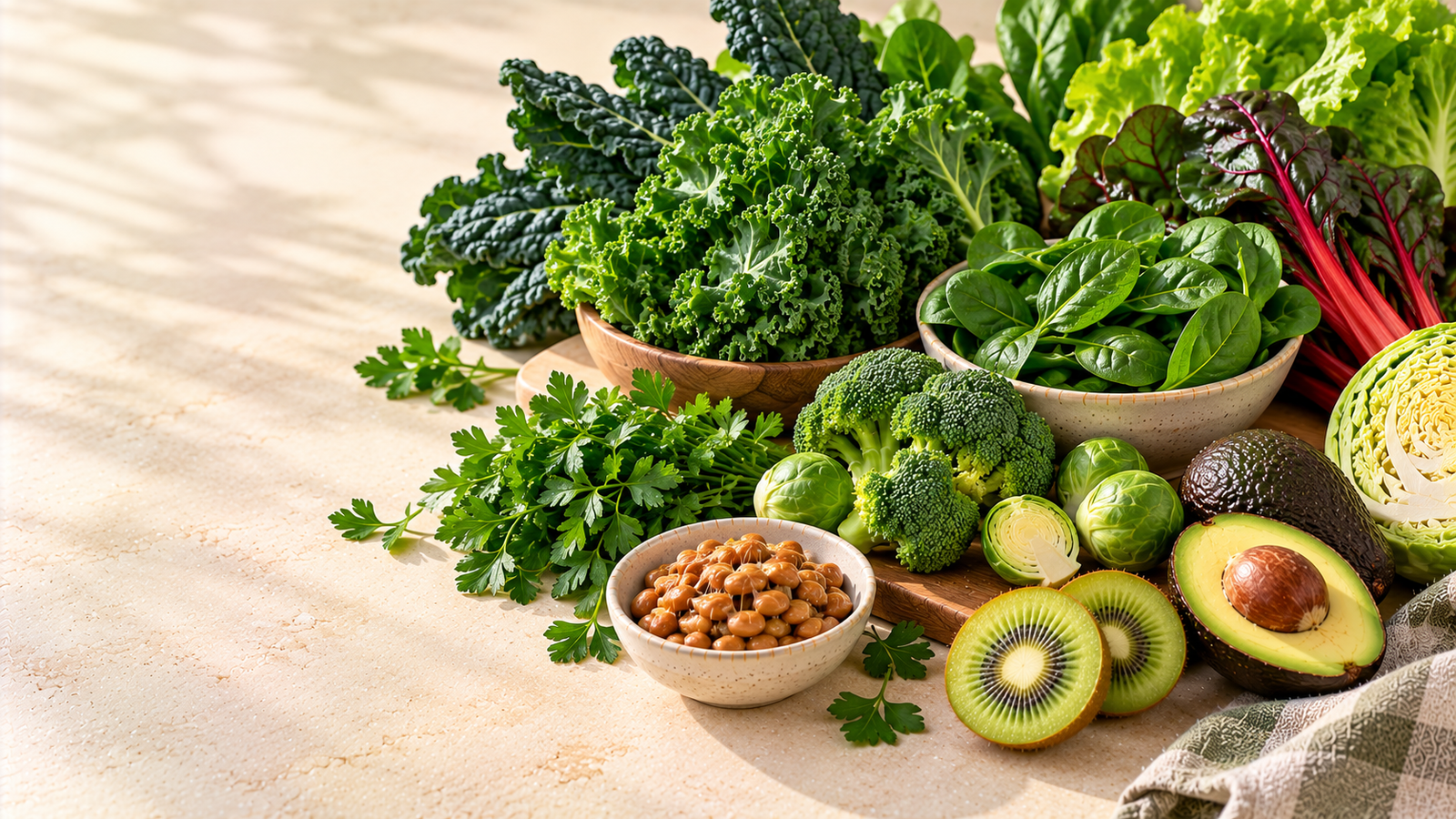
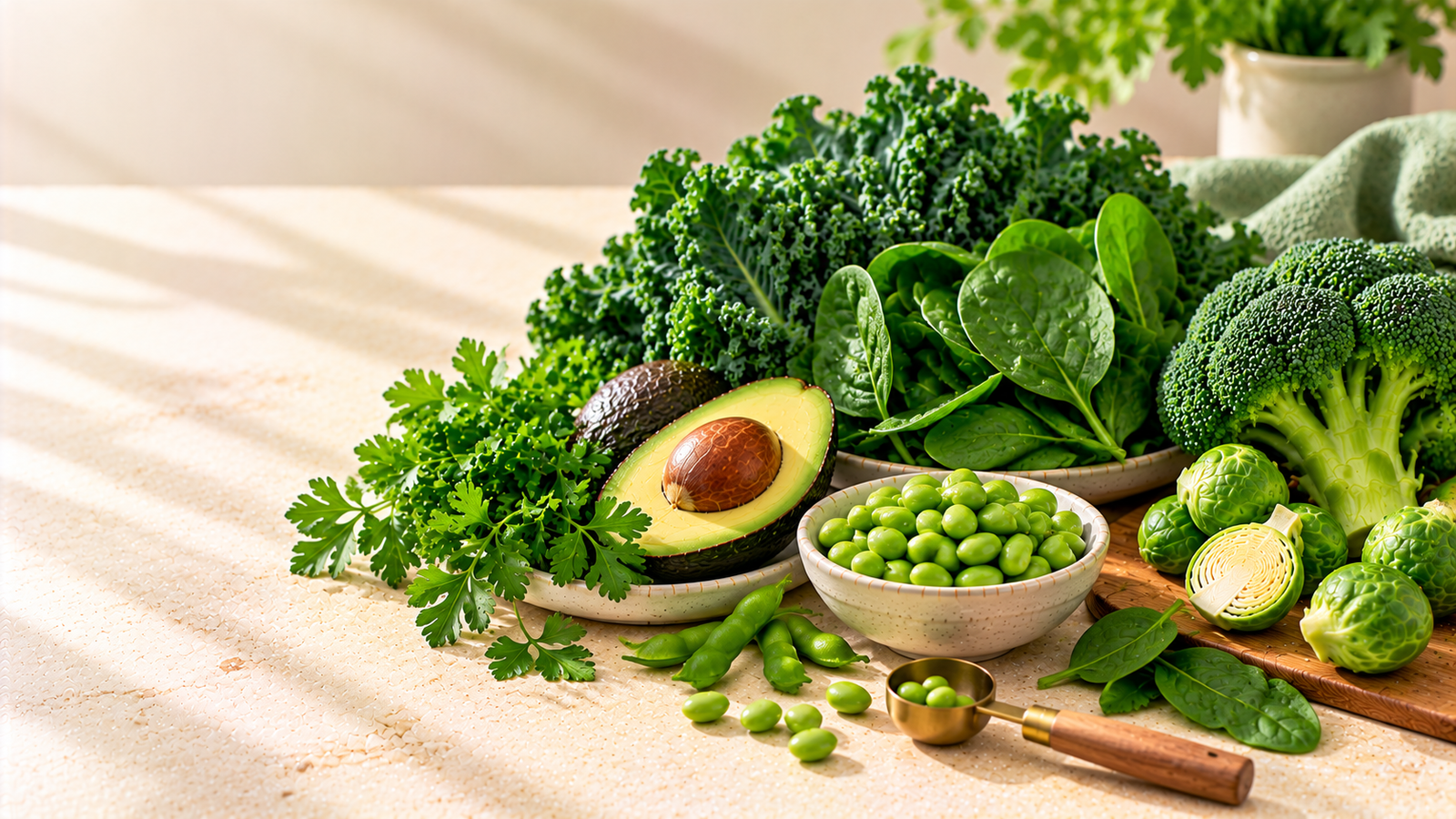
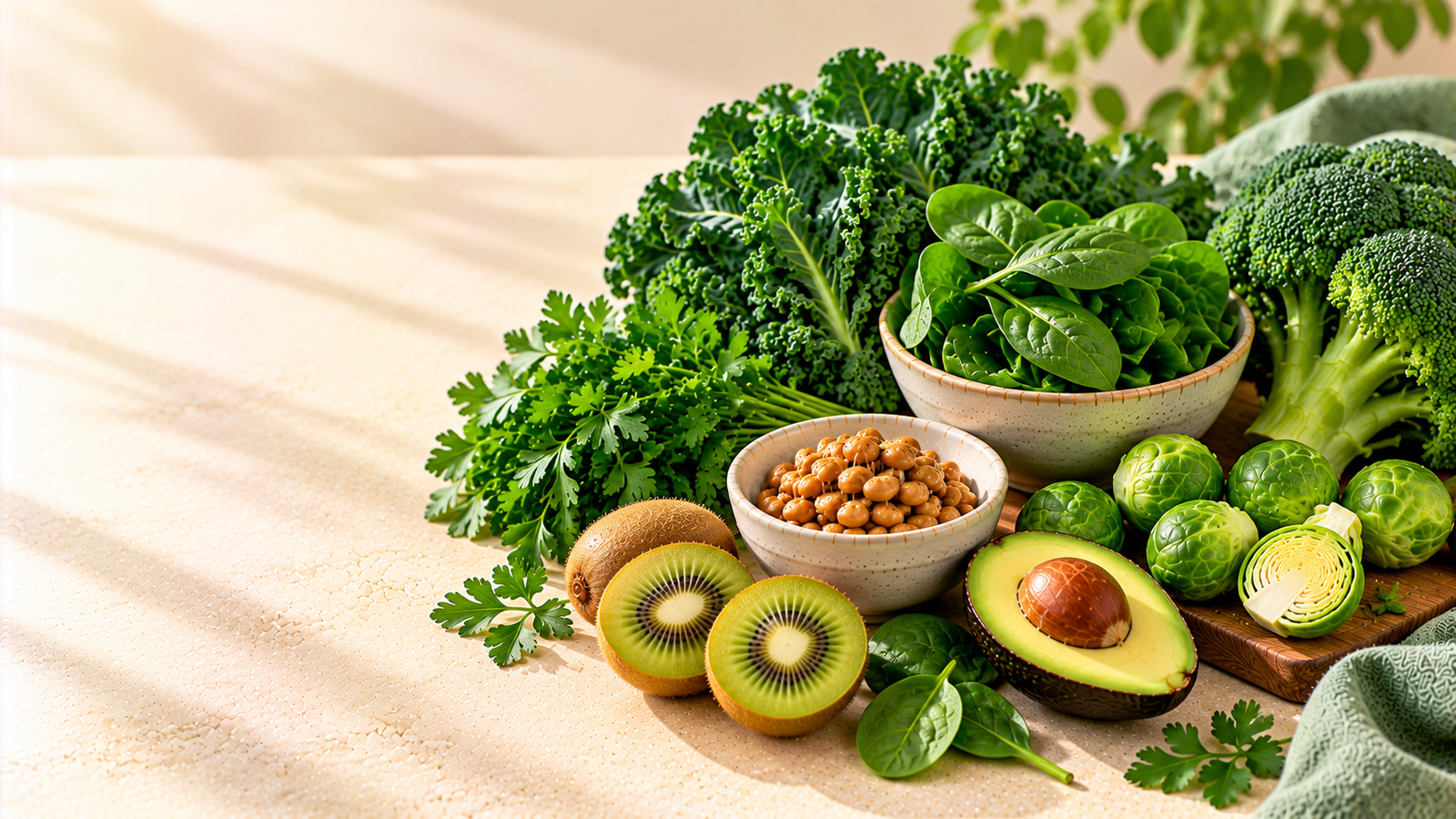
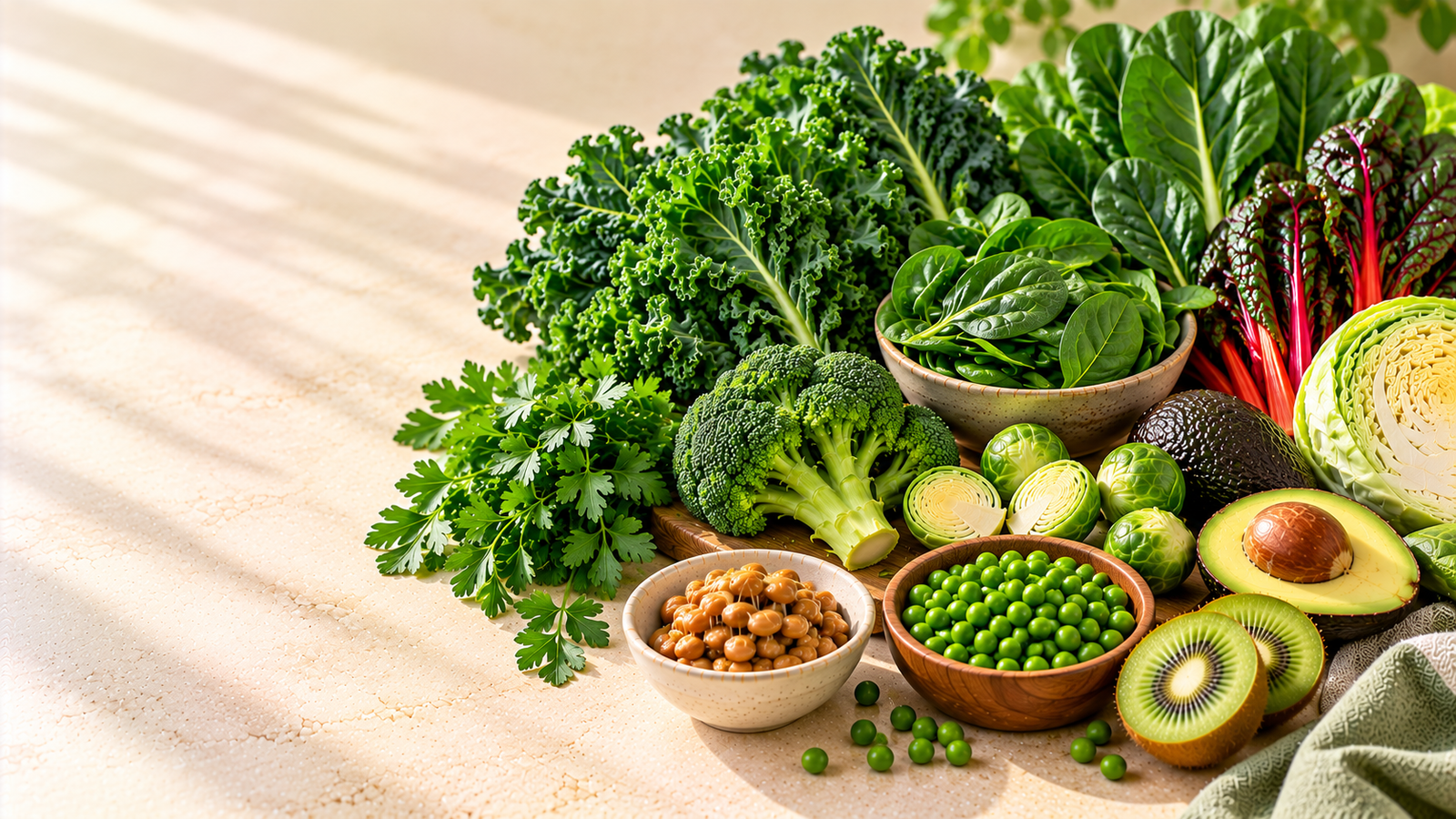
Vitamin K rich foods are an important part of a balanced diet because vitamin K supports normal blood clotting and helps maintain healthy bones. Many everyday foods contain this essential fat-soluble vitamin, particularly leafy green vegetables such as kale, spinach, collard greens, and Swiss chard. Other sources include broccoli, Brussels sprouts, certain plant oils, and … Read more

20 Vitamin K Rich Foods to Add to Your Diet

Fresh Green Market Bounty

Vitamin K rich foods help supply an essential nutrient that supports normal blood clotting and bone health. Many of the best sources are familiar foods, including kale, spinach, collard greens, broccoli, and Brussels sprouts. Other sources include certain plant oils and fermented foods such as natto. Vitamin K comes mainly in two forms in the … Read more

Best Nuts and Seeds High in Vitamin E

Rustic Assortment of Nuts and Seeds

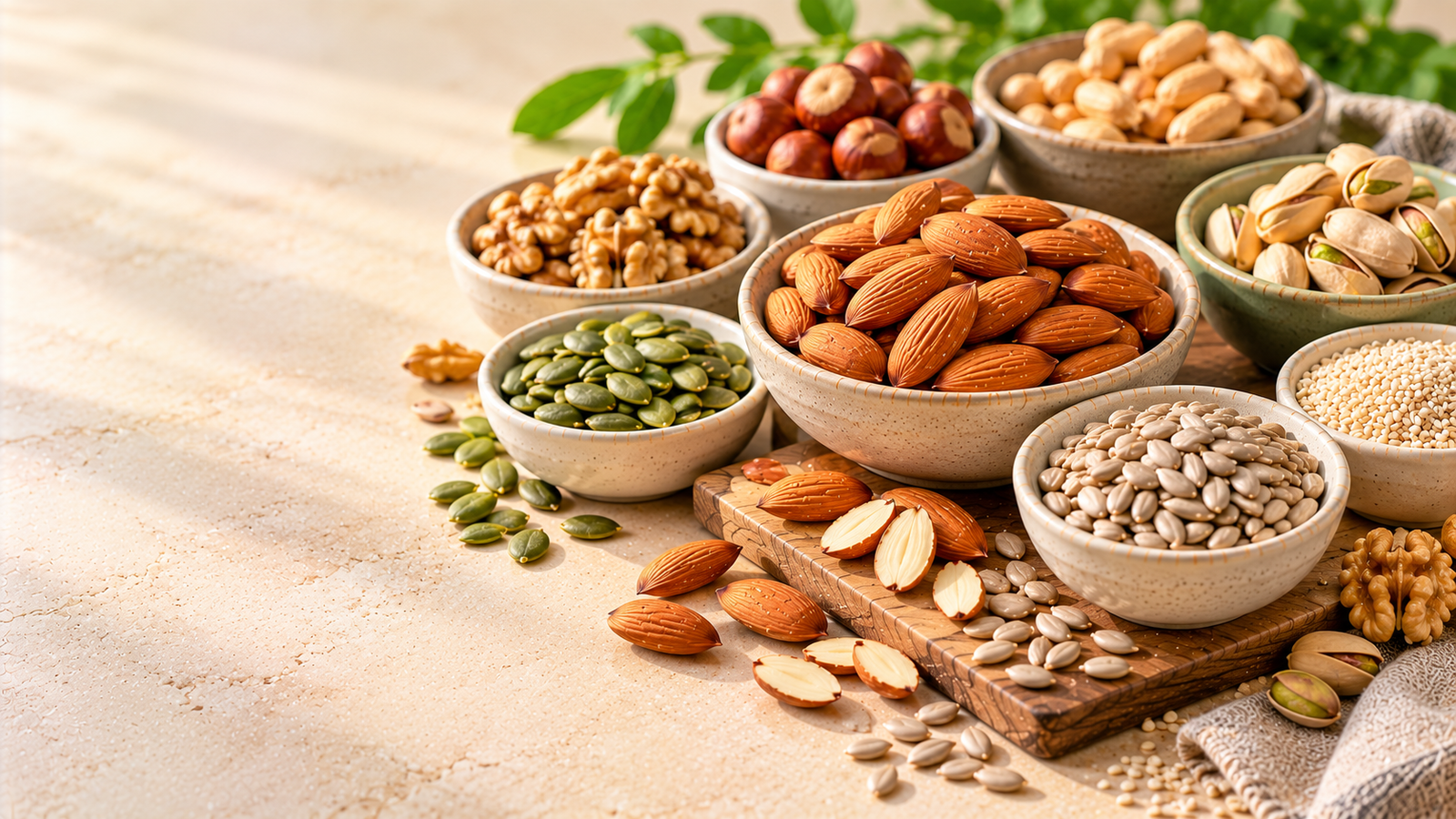
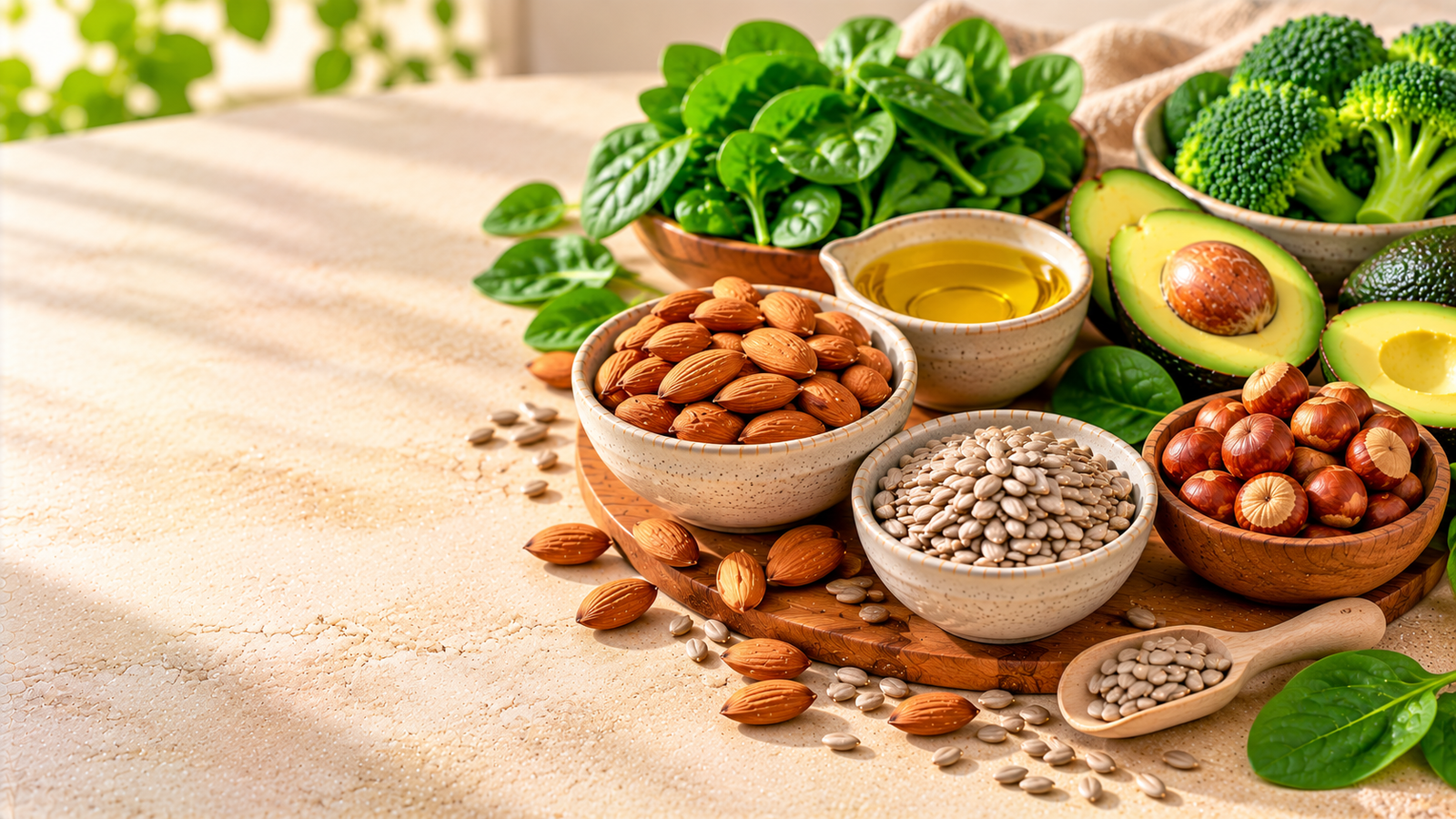
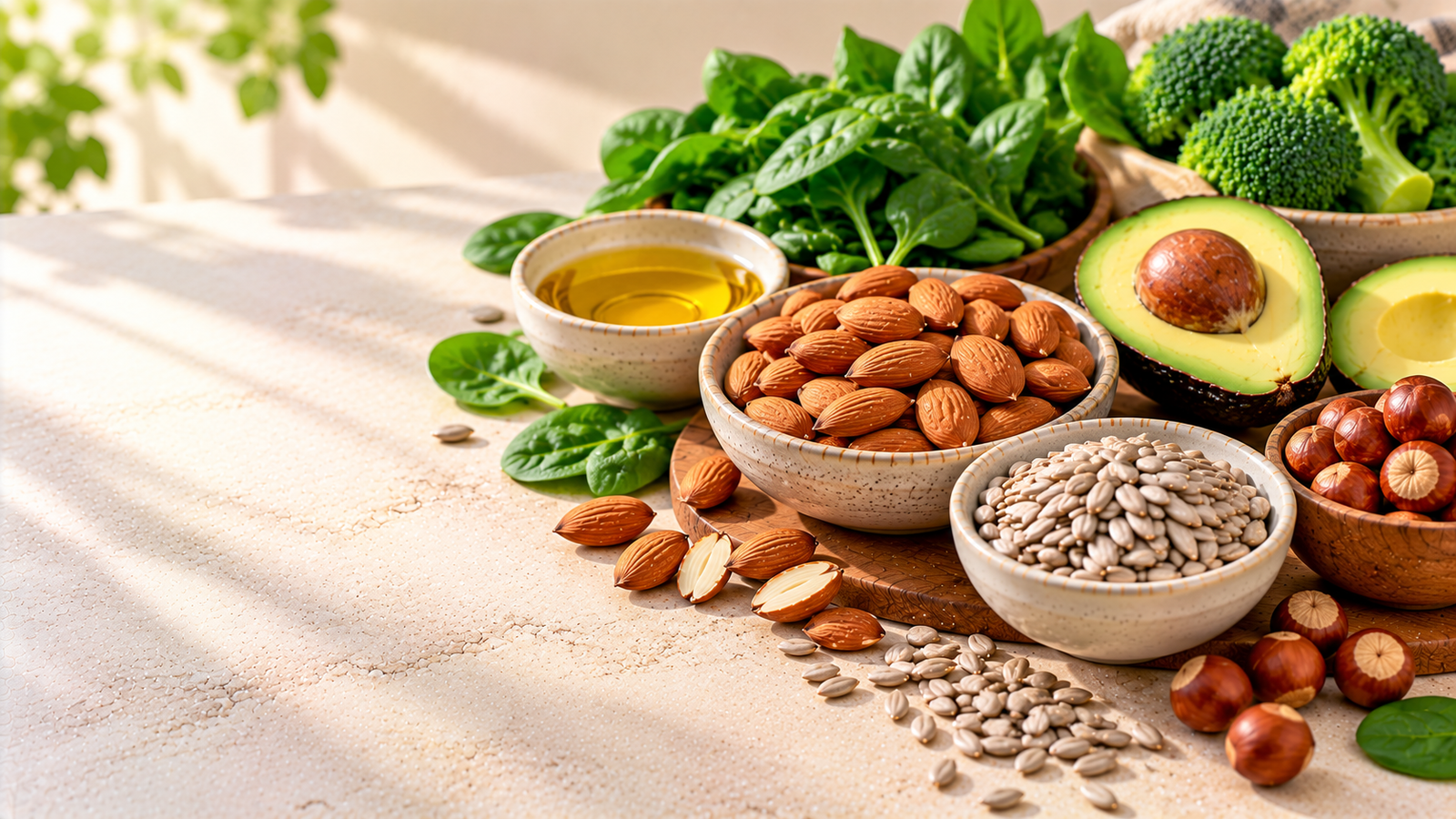
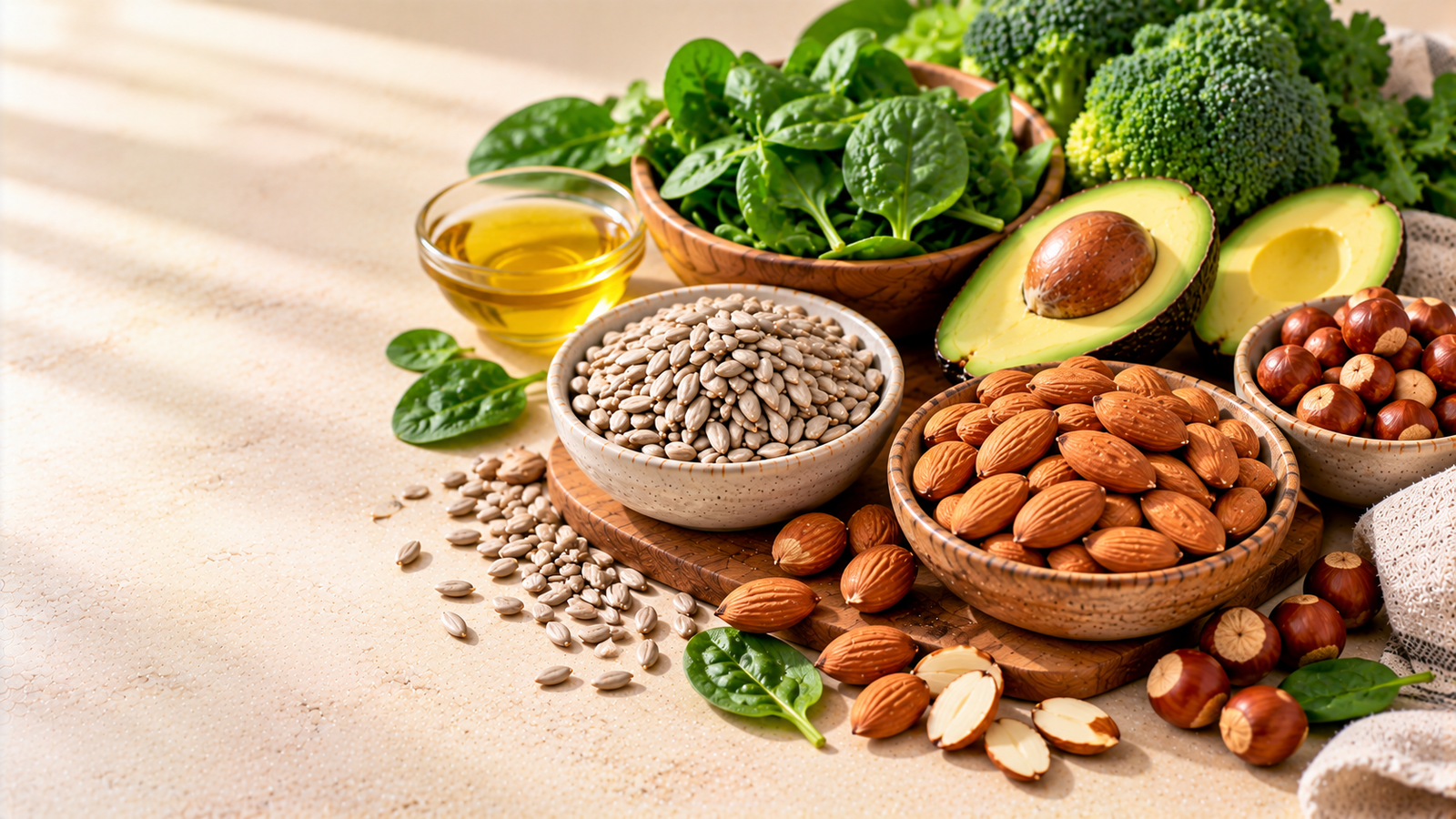
Choosing the right nuts and seeds can make it easier to get enough vitamin E from everyday foods. Nuts and seeds high in vitamin E include sunflower seeds, almonds, and hazelnuts, which provide meaningful amounts of this essential fat-soluble vitamin in relatively small servings. Vitamin E helps protect cells from oxidative damage and supports normal … Read more

Vitamin E Deficiency: Signs and Food Sources

Nutritious Harvest Still Life

Vitamin E deficiency occurs when the body does not have enough vitamin E to support essential functions, particularly protecting cells from oxidative damage and maintaining healthy nerves, muscles, and immune function. Although vitamin E deficiency is uncommon in otherwise healthy people, it can develop when the body cannot absorb dietary fat properly or when certain … Read more

How Much Vitamin E Do You Need Per Day?

Rustic Healthy Foods in Sunlight

How much vitamin E do you need per day? The answer depends mainly on your age and life stage. For most adults, the recommended dietary allowance (RDA) is 15 mg of alpha-tocopherol per day under US dietary reference recommendations. People who are pregnant generally need the same amount, while breastfeeding adults need 19 mg daily. … Read more

Vitamin E Benefits: Why This Vitamin Matters

Healthy Fats and Greens Feast

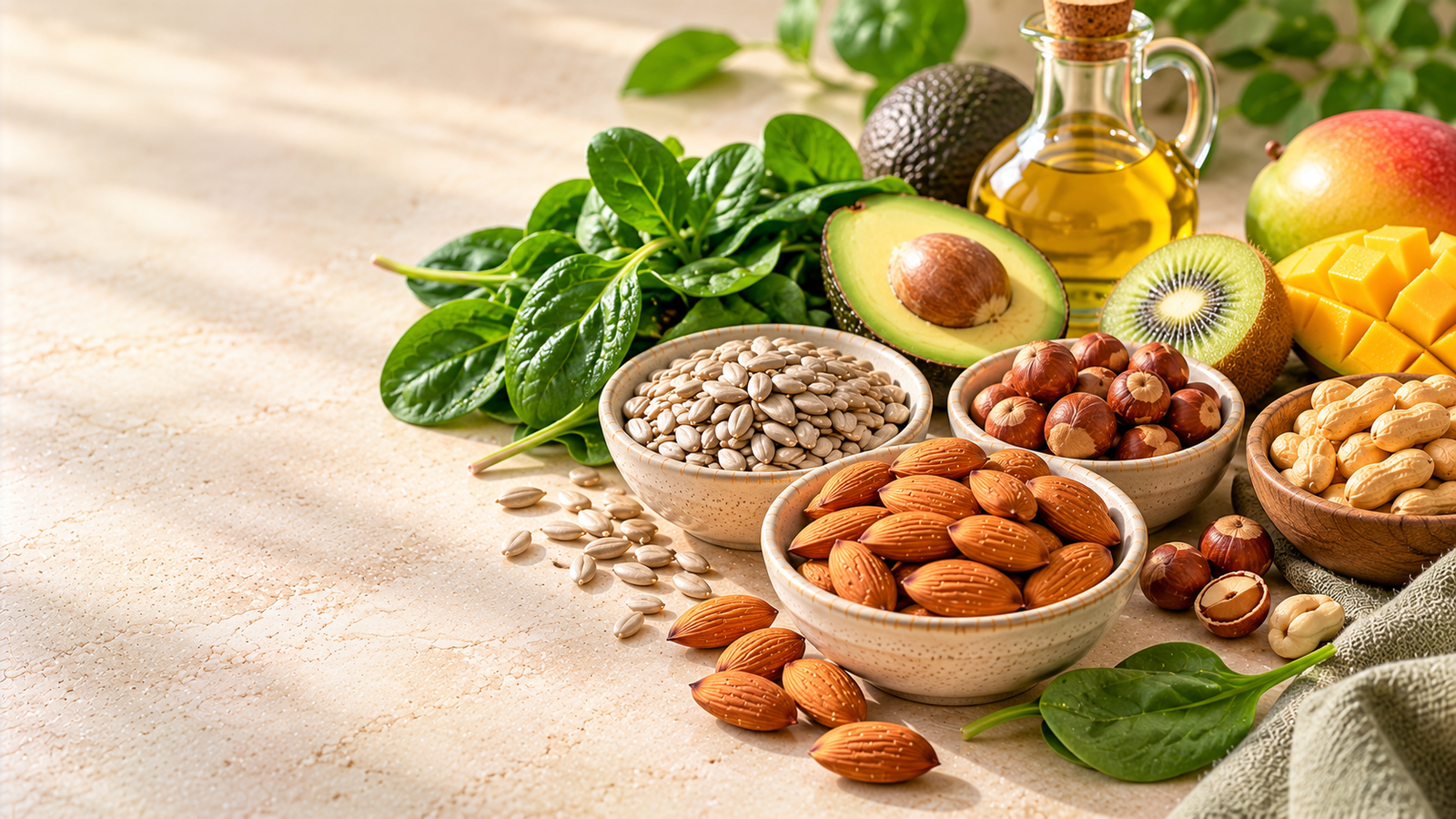
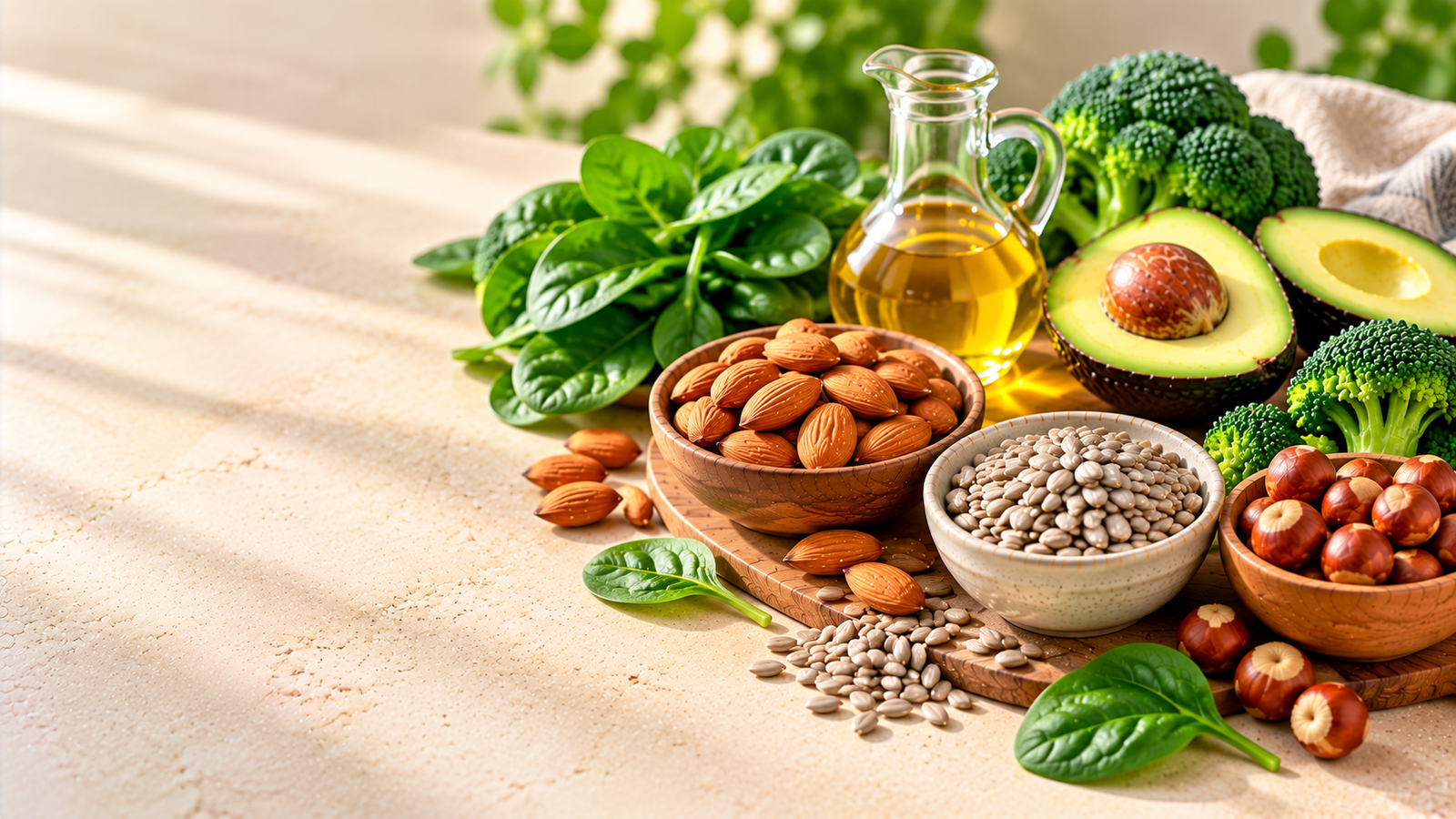
Vitamin E benefits are closely linked to its role as an antioxidant and its contribution to normal immune function. This fat-soluble nutrient helps protect cells from oxidative damage and supports several essential processes throughout the body. Vitamin E is found in foods such as almonds, sunflower seeds, vegetable oils, spinach, and avocado. For most healthy … Read more

Vitamin E Rich Foods: Complete Food Guide

Rustic Nuts, Greens, and Avocado Still Life

Vitamin E rich foods are an important part of a balanced diet because they provide vitamin E, a fat-soluble nutrient that helps protect cells from oxidative damage and supports normal immune function. This essential vitamin is found in nuts, seeds, plant oils, leafy green vegetables, and several other everyday foods. You do not need an … Read more